excessive sweating while sitting
- By Defeat Diabeteas
- At
Table of Contents
Toggleexcessive sweating while sitting
INTRODUCTION
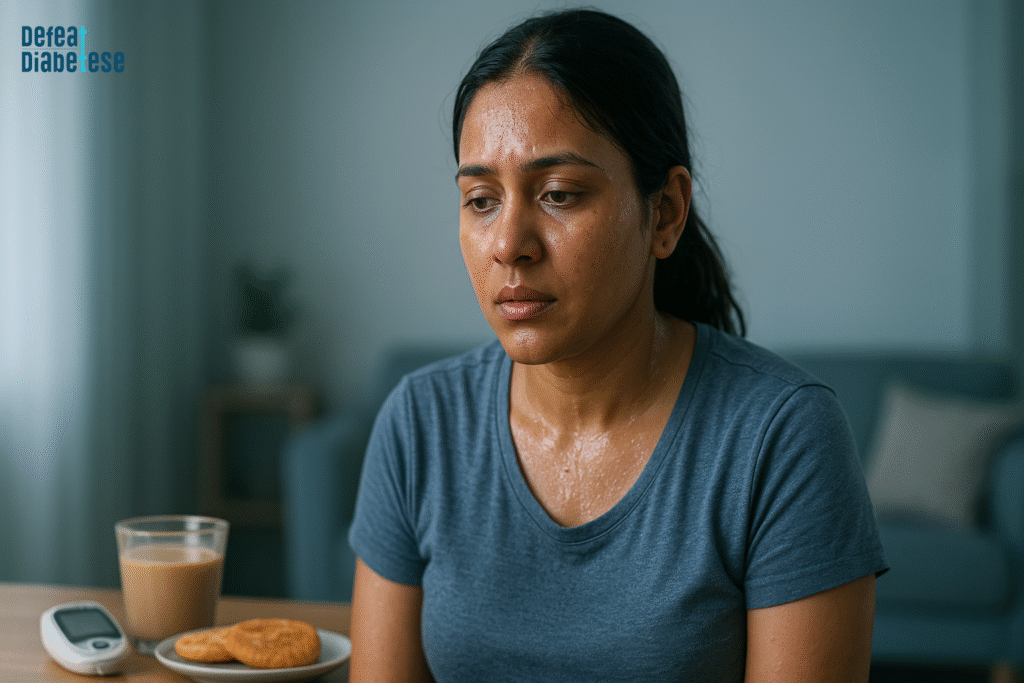
Excessive sweating while doing nothing sitting at your desk, watching TV, in an AC room, or even during sleep is not just discomfort.
For many Indians, this unexplained sweating is a major pain point and an ignored early warning sign of diabetes, obesity-driven metabolic stress, or autonomic nerve dysfunction.
If you’re wondering “Why am I sweating so much even when I’m not doing anything?”… this blog is for you.
The Pain is Real Why Excessive Sweating Worries People in India
Here’s what most people Google daily:
- “Sweating while sitting is it diabetes?”
- “Why do I sweat too much after eating?”
- “Excessive sweating even in AC?”
- “Why am I sweating at night?”
- “Sweating + dizziness = sugar problem?”
And the most common fear?
Is this a sign of diabetes?
Let’s break it down.
1. Sugar Imbalance: When Your Blood Sugar Fluctuates, Your Body Sweats
Unexplained sweating is one of the most ignored diabetes symptoms.
You may sweat excessively if:
- Your blood sugar is dropping (hypoglycemia)
- Your sugar is spiking rapidly after meals
Your autonomic nervous system is stressed due to long-standing insulin resistance
Why this happens
Glucose imbalance confuses your autonomic nervous system, triggering:
- Sudden sweating
- Heart racing
- Anxiety-like feeling
- Weakness
- Shaking
This is especially common after eating wrong Indian breakfasts, which I explained here: Indian breakfast
2. Sweating After Meals? It May Be a Sugar Spike
If you sweat after lunch or dinner, especially after:
- Chole bhature
- Parathas
- Rice-heavy meals
- Sweets
- Tea with sugar
…it may be because your body is struggling to digest simple carbs and high-glycemic foods.
why many people feel sleepy after lunch read more
3. Obesity & Belly Fat: Hidden Reason Behind Excessive Sweating
Indians with:
- Belly fat
- Fatty liver
- High visceral fat
- PCOS
- Insulin resistance
are more likely to sweat excessively.
Why?
Because obesity increases:
Basal body temperature
Energy demand
Stress on sweat glands
Inflammation
Also, overweight bodies need to work harder even while resting leading to sweating while sitting.
4. Autonomic Nervous System (ANS) Dysfunction The Silent Trigger
If your body is sweating even without heat or activity, your ANS may be malfunctioning.
This happens due to:
- Diabetes
- Prediabetes
- Nerve stress
- Long-term high sugar
- Hormonal imbalance
This condition is called diabetic autonomic neuropathy, and sweating is one early symptom.
Young Indians are showing these symptoms more than ever
5. Chai, Caffeine & Silent Sweat Triggers
Your daily habits may be the culprit too.
Too much:
- Tea
- Coffee
- Energy drinks
can spike cortisol → which increases sweating.
6. Food Labels Lie Hidden Sugars Cause Hidden Sweats
Indians often consume:
- Sweetened cereals
- “Low-fat” biscuits
- Flavoured dahi
- Packaged snacks with maltodextrin
These cause sharp sugar spikes → sweating episodes.
7. Night Sweats & Festival Season Eating
If you sweat a lot during:
- Weddings
- Festivals
- Parties
- Late-night dinners
…it may be your body reacting to:
- Heavy carbs
- Alcohol
- Sweets
- Sleep debt
These habits push insulin resistance.
8. Lack of Sleep = More Sweating
Poor sleep increases:
- Cortisol
- Sugar imbalance
- Body temperature
All of this triggers sweating at rest.
When Should You Worry? (Red Flags)
- Sweating even in AC
- Sweating + dizziness
- Sweating after eating
- Sweating at night
- Sweating while sitting still
- Sweating + frequent urination
- Sweating + cravings or shakiness
- Sweating + sudden hunger
These may indicate sugar imbalance or early diabetes.
What To Do Next
1. Check fasting sugar
2. Check post-meal sugar (1 hour after food)
3. Reduce high-GI foods
4. Improve sleep
5. Track sweating patterns
6. Avoid sugar-heavy chai
7. Read food labels carefully
8. Reduce festival-season binge eating
Conclusion
Excessive sweating may be your body sending an early alert about metabolic imbalance.
Don’t ignore it especially if you have belly fat, tiredness, or family history of diabetes.
Managing your sugar early can prevent long-term complications and excessive sweating often improves once your sugar stabilizes.
Frequently Asked Questions
Excessive sweating while sitting is often linked to sugar imbalance, insulin resistance, obesity, or autonomic nervous system dysfunction. Many people with early diabetes or prediabetes sweat even in AC rooms because their body struggles to regulate temperature and glucose levels.
Sweating alone does not confirm diabetes, but unexplained sweating, especially after eating, in AC, or while resting, can indicate blood sugar fluctuations. Both low sugar (hypoglycemia) and high sugar spikes can trigger sweating.
Sweating in AC often happens due to:
- Insulin resistance
- Autonomic nerve dysfunction
- High BMI / obesity
- High-carb meals
- Caffeine or chai
These disrupt temperature control, causing sweating even in cool environments.
Indian meals rich in carbs, ghee, sugar, and spices can cause sudden blood sugar spikes, forcing your body to work harder to digest food. This activates the sympathetic system, leading to post-meal sweating, especially after parathas, rice, sweets, or chai.
Yes. Low blood sugar is one of the most common causes of sudden sweating. When glucose drops, your body releases adrenaline, causing:
- sweating
- shaking
- hunger
- anxiety-like symptoms
Share:
Tags:
- autonomic neuropathy, belly fat India, blood sugar fluctuations, caffeine and sweating, chai and diabetes, diabetes blog india, Diabetes Symptoms, diabetes warning signs, early signs of diabetes, excessive sweating, Glucose Control, health blog India, high blood sugar symptoms, high-carb indian foods, hypoglycemia symptoms, Indian breakfast spike, Indian diet and diabetes, Indian eating habits, Indian lifestyle diseases, Indian metabolic health, Indian obesity, insulin resistance India, insulin resistance symptoms, low blood sugar signs, metabolic syndrome, night sweats, obesity and diabetes, obesity sweating, overweight sweating, post-meal symptoms, prediabetes symptoms, sleep and sugar, stress and sweating, sugar imbalance, sugar spikes India, sweating after chai, sweating after eating, sweating after snacks, sweating and dizziness, sweating and fatigue, sweating and sugar problem, sweating at rest cause, sweating in AC, sweating in AC not normal, sweating while sitting, sweating without doing anything, type 2 diabetes awareness, unexplained sweating, visceral fat symptoms, why do I sweat excessively
Related Posts

Specialist Diabetes Doctor Near Me: अहमदाबाद में डायबिटीज स्पेशलिस्ट हर दिन हज़ारों लोग अपने फोन पर घबराहट में एक ही...
How to Reduce Insulin Resistance Naturally Understanding how to reduce insulin resistance naturally is the single most vital skill required...
Is Mounjaro for Diabetes or Weight Loss? The explosive popularity of next-generation metabolic injections has triggered massive consumer confusion globally...

Ozempic Guideline 2026: The Physician’s Perspective The landscape of metabolic healthcare in 2026 has been utterly transformed by the widespread...