
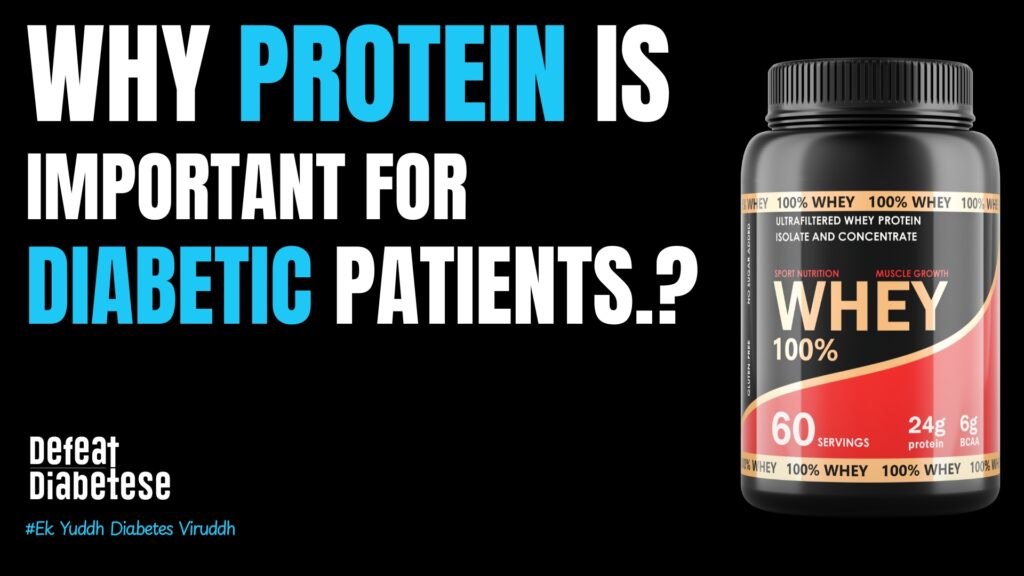
Protein for Diabetes: The Metabolic Weapon
Restructuring your nutritional framework around high-quality protein for diabetes management is the single most effective dietary shift you can make to achieve permanent blood sugar control. In my 30 years of clinical legacy in Ahmedabad, I have analyzed thousands of traditional Indian food logs. The data reveals a massive metabolic imbalance: our meals are heavily dominated by carbohydrates, while protein is treated as a minor side dish. This exact nutritional deficit is a primary driver of chronic hyperinsulinemia across the nation.
At DEFEAT DIABETESE, we approach disease reversal through absolute cellular logic. To win this ek yuddh diabetese viruddh, we must understand the biochemical precision of how protein alters gut hormones, preserves lean mass, and unjam cellular locks, pushing us closer to our Vision 2040 milestones.
1. The Incretin Trigger: Boosting Natural GLP-1 Release
The primary medical reason behind prioritizing protein for diabetes lies in its powerful ability to stimulate your gut’s natural hormonal signaling system.
-
The Incretin Effect: As explored in our recent molecular analyses, your lower intestine contains specialized cells called L-cells. These cells are highly sensitive to the structural components of food.
-
The Protein Action: When you consume clean protein, the resulting amino acids strongly stimulate these L-cells to release native GLP-1 (Glucagon-Like Peptide-1) into your bloodstream.
-
The Smart Shield: This natural hormone surge tells your pancreas to secrete insulin only if glucose is present, while simultaneously signaling your brain to turn off exhausting hunger signals and chronic cravings.
2. Flattening the Rollercoaster: Gastric Slowdown and Glycemic Index
One of the most immediate benefits of high-protein nutrition is its structural impact on your digestion speed, making it a cornerstone of a Low Glycemic Index Diet.
-
Slowing the Transit: Protein requires complex enzymatic breakdowns in the stomach compared to simple carbohydrates. Consuming protein alongside or before your carbs significantly delays gastric emptying.
-
Blunting the Spike: Because the food leaves your stomach gradually, glucose enters the bloodstream as a slow, steady trickle rather than a sudden, massive wave. This prevents the sharp post-meal toxicity that strains your blood vessels and exhausts your pancreatic beta cells.
3. Building Skeletal Muscle Glucose Sponges
You cannot discuss Insulin Sensitivity and Protein without looking at your body’s largest repository for glucose disposal: skeletal muscle mass.
-
The Sugar Sink: When you consume carbohydrates, nearly 80% of the resulting glucose is cleared out of the blood and stored straight inside your skeletal muscles.
-
The Sarcopenia Threat: Chronic crash dieting or low-protein intake causes your body to catabolize its own muscle tissue. Less muscle means your body loses its capacity to store glucose, worsening insulin resistance.
-
The Recovery: Dietary protein provides the essential amino acids ($leucine$, $isoleucine$) needed to build and repair muscle tissue. When paired with resistance training, you expand your body’s “sugar sponges,” allowing you to clear glucose effortlessly without requiring extra insulin.
4. High Thermic Effect: Thermogenesis and Metabolic Rate
Protein possesses a unique thermodynamic property that gives it a massive advantage over fats and carbohydrates.
-
The Energy Cost: Every food requires energy to be digested, a process known as the Thermic Effect of Food (TEF). While carbohydrates use only 5% to 10% of their caloric energy for digestion, protein utilizes a staggering 20% to 30% of its calories just to be broken down by the body.
-
The Metabolic Boost: This means that out of 100 calories of protein you consume, your body immediately burns around 25 calories purely to process it. This natural thermodynamic boost accelerates visceral fat loss, directly helping unjam your metabolism.
5. 5 Rules to Optimize Protein in Your Reversal Journey
To unlock the full scientific power of protein without causing metabolic stress, implement this clinical protocol strictly:
-
The Fiber-and-Protein First Sequence: Never start your meal with bare carbohydrates. Always consume your vegetables (fiber) and your paneer, sprouts, or lean protein first. This sets up a gelatinous defense lining in your gut, slowing carbohydrate absorption perfectly.
-
Aim for 1 Gram Per Kilogram Minimum: Ensure your daily intake meets your baseline physiological needs. A target of $1.0\text{ to }1.2\text{ grams}$ of protein per kilogram of ideal body weight is ideal for maintaining muscle architecture during diabetes remission.
-
Choose Whole Food Sources First: Focus on organic, whole-food options like fresh paneer, organic tofu, sprouted moong, unflavored sattu, and legumes. Avoid commercial protein bars that are secretly loaded with high-fructose corn syrup or hidden maltodextrin.
-
Distribute Protein Evenly: Do not consume your entire day’s protein requirement in a single heavy dinner. The human body can optimally synthesize around 25-30 grams of protein per meal. Divide your intake evenly across breakfast, lunch, and dinner.
-
Track Bio-Markers via the Dashboard: Monitor your internal organ metrics carefully. By logging your fasting profiles, kidney markers (serum creatinine and eGFR), and metabolic baseline shifts on our Unified Health Dashboard, our medical team ensures your macro adjustments are perfectly safe under Dr. Prakash Kurmi’s legacy.
6. Frequently Asked Questions (FAQs)
Q1: Will a high-protein diet damage my kidneys if I have diabetes?
In individuals with normal kidney function, a high-quality protein diet is perfectly safe and highly beneficial. However, if a patient has already developed advanced diabetic nephropathy (kidney disease), protein intake must be strictly managed and customized by your diabetologist at Shivam Hospital.
Q2: What are the best vegetarian protein sources for diabetes reversal?
Excellent low-glycemic vegetarian options include dense paneer, premium tofu, edamame beans, sprouted lentils, green mung, hemp seeds, and almond flour blocks.
Q3: How does the Defeat Diabetese framework track nutrition?
Backed by 30 years of medical wisdom, we reject generic cal-counting apps. We analyze how macronutrients shift your specific cellular parameters, tailoring your daily nutrition to match your unique laboratory parameters safely and logically.
Conclusion: Rebuild Your Foundation
Prioritizing protein for diabetes is not a short-term fitness trend; it is a foundational law of metabolic biochemistry. By switching your plate sequence and investing in your skeletal muscle mass, you can dismantle insulin resistance from its root. Let us march forward aggressively in this ek yuddh diabetese viruddh to secure our ultimate Vision 2040 milestones.
Visit us: www.defeatdiabetese.com