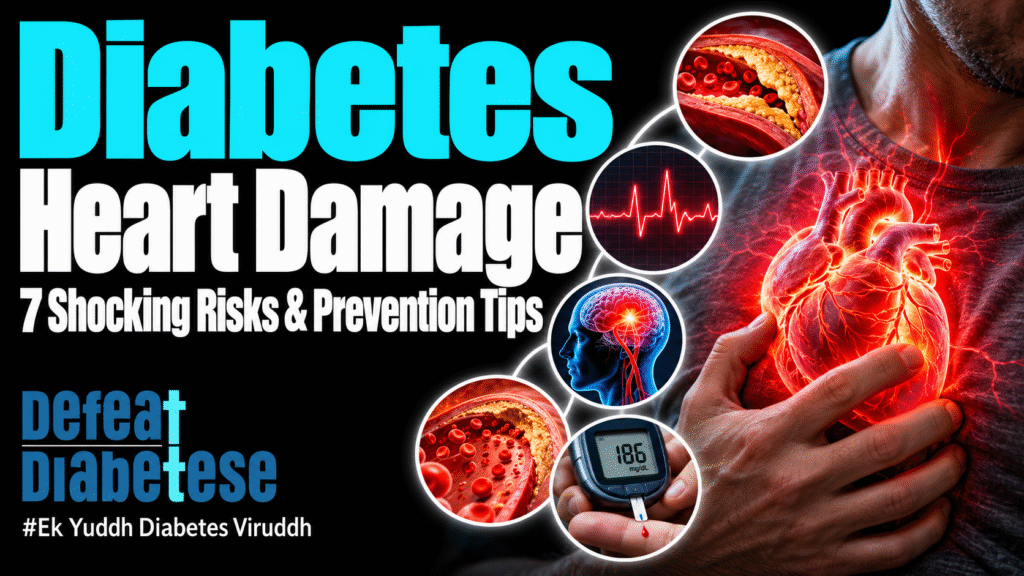
Diabetes Heart Damage: 7 Serious Risks and Prevention Tips
Diabetes heart damage is one of the most serious health complications associated with uncontrolled blood sugar levels. Diabetes does not only affect glucose levels; it can also damage blood vessels, increase blood pressure-related risks, and contribute to cardiovascular disease.
People living with diabetes have a higher risk of developing heart disease compared with those without diabetes. According to the Centers for Disease Control and Prevention (CDC), people with diabetes are approximately twice as likely to develop heart disease.
However, diabetes-related heart problems are not inevitable. Understanding the warning signs, managing blood sugar, and following a heart-healthy lifestyle can significantly reduce cardiovascular risks.
In this article, Defeat Diabetese explains how diabetes affects your heart, seven serious complications, and practical prevention strategies.
What Is Diabetes Heart Damage?
Diabetes heart damage refers to cardiovascular problems that can develop when high blood sugar and associated risk factors affect the heart and blood vessels.
Over time, elevated glucose levels can damage blood vessel walls and contribute to inflammation. Diabetes is also frequently associated with high blood pressure, abnormal cholesterol levels, and insulin resistance.
These conditions increase the risk of coronary artery disease, heart attacks, heart failure, and other cardiovascular complications.
Regular monitoring and early medical intervention are essential for protecting long-term heart health.
How Does Diabetes Damage Your Heart?
Diabetes can affect cardiovascular health through several mechanisms.
High Blood Sugar Damages Blood Vessels
Persistently elevated blood glucose can damage the inner lining of blood vessels. This makes it easier for fatty deposits to accumulate in arteries.
Increased Cholesterol and Plaque Formation
Diabetes often occurs alongside unhealthy cholesterol levels. Fatty deposits, called plaques, can narrow arteries and reduce blood flow to the heart.
High Blood Pressure
High blood pressure forces the heart to work harder. When combined with diabetes, it increases the risk of cardiovascular complications.
Nerve Damage
Long-standing diabetes can damage nerves responsible for regulating heart rate and blood pressure. This condition is known as cardiovascular autonomic neuropathy.
Understanding these processes helps explain why diabetes management must include cardiovascular prevention.
7 Serious Risks of Diabetes Heart Damage
1. Coronary Artery Disease
Coronary artery disease develops when arteries supplying blood to the heart become narrowed due to plaque buildup.
This condition reduces oxygen-rich blood flow to the heart muscle.
Common symptoms include chest discomfort, shortness of breath, and unusual fatigue.
Managing cholesterol, blood pressure, and blood glucose can help reduce the risk.
2. Increased Risk of Heart Attack
A heart attack occurs when blood flow to part of the heart muscle becomes blocked.
Diabetes increases the risk of heart attacks because prolonged hyperglycemia can contribute to blood vessel damage and atherosclerosis.
Warning signs may include:
- Chest pain or pressure
- Shortness of breath
- Cold sweating
- Nausea
- Pain spreading to the arm, back, or jaw
A suspected heart attack is a medical emergency. Seek immediate emergency care.
3. Heart Failure
Heart failure occurs when the heart cannot pump blood effectively enough to meet the body’s needs.
Diabetes increases heart failure risk through coronary artery disease, high blood pressure, kidney disease, and changes in heart muscle function.
Symptoms may include swollen ankles, persistent tiredness, difficulty breathing, and reduced exercise tolerance.
Early diagnosis and appropriate treatment can improve outcomes.
4. Silent Heart Attack
Some heart attacks occur without severe chest pain or obvious warning signs.
These are called silent heart attacks.
People with diabetes may experience subtle symptoms, sometimes associated with diabetes-related nerve damage.
Possible signs include unusual fatigue, mild chest discomfort, nausea, or unexplained breathlessness.
Never ignore sudden or unexplained cardiovascular symptoms.
5. Increased Risk of Stroke
Although stroke affects the brain, it is an important cardiovascular complication associated with diabetes.
High blood glucose and other risk factors can contribute to narrowing or blockage of blood vessels supplying the brain.
Stroke warning signs include sudden facial drooping, arm weakness, speech difficulties, and vision changes.
Immediate emergency treatment is essential.
6. Peripheral Artery Disease
Peripheral artery disease develops when arteries supplying the legs become narrowed.
People with diabetes face an increased risk, particularly when they also smoke or have high cholesterol.
Symptoms may include leg pain while walking, cold feet, reduced circulation, and slow-healing wounds.
Regular foot examinations and cardiovascular risk management are important preventive measures.
7. Cardiovascular Autonomic Neuropathy
Long-standing diabetes can damage autonomic nerves controlling heart rate and blood pressure.
This condition may cause an unusually elevated resting heart rate, dizziness while standing, or abnormal blood pressure regulation.
Medical evaluation is necessary because similar symptoms may have other causes.
Early Warning Signs of Heart Problems in Diabetes
Recognizing symptoms early can help prevent serious complications.
Important warning signs include:
- Chest pressure or discomfort
- Shortness of breath
- Unusual tiredness
- Swelling in the feet or ankles
- Dizziness or fainting
- Reduced ability to perform physical activities
Some people develop cardiovascular disease without noticeable early symptoms.
Therefore, regular health checkups are important even when you feel healthy.
Sudden chest pain, severe breathlessness, or stroke symptoms require immediate emergency medical attention.
How to Prevent Diabetes Heart Damage
Preventing diabetes-related cardiovascular complications requires consistent lifestyle management and appropriate medical treatment.
1. Maintain Healthy Blood Sugar Levels
Monitor blood glucose as recommended by your healthcare provider.
For many nonpregnant adults with diabetes, an HbA1c target below 7% is commonly used, although individual targets may differ.
Consistent management helps reduce diabetes complications.
2. Follow a Heart-Healthy Diet
Choose nutritious foods such as vegetables, whole grains, pulses, nuts, and healthy fats.
Limit sugary beverages, excess salt, trans fats, and highly processed foods.
Balanced meals can support blood sugar, blood pressure, and cholesterol management.
3. Exercise Regularly
Regular physical activity improves insulin sensitivity and cardiovascular fitness.
Many adults with diabetes can aim for approximately 150 minutes of moderate-intensity aerobic exercise weekly, depending on their medical condition.
Walking, cycling, and swimming are useful activities.
4. Control Blood Pressure and Cholesterol
High blood pressure and unhealthy cholesterol can increase cardiovascular risk.
Attend regular checkups and take prescribed medications consistently.
Some people with diabetes benefit from cholesterol-lowering medications even without extremely high cholesterol readings.
5. Avoid Smoking
Smoking damages blood vessels and increases the risk of heart attacks and strokes.
Quitting tobacco is one of the most important steps toward improving cardiovascular health.Diabetes Heart Damage
6. Maintain a Healthy Weight
For individuals with overweight or obesity, sustainable weight management can improve insulin resistance and cardiovascular risk factors.
Focus on long-term habits rather than extreme dieting.Diabetes Heart Damage
7. Attend Regular Medical Checkups
Routine medical appointments help monitor HbA1c, blood pressure, cholesterol, kidney health, and cardiovascular symptoms.
Some people with type 2 diabetes and cardiovascular or kidney conditions may benefit from medications with proven heart-protective effects.Diabetes Heart Damage
Treatment should always be individualized by a qualified healthcare professional.Diabetes Heart Damage
Frequently Asked Questions
Can diabetes really damage your heart?
Yes. Persistently elevated blood glucose, together with high blood pressure, cholesterol abnormalities, and other factors, can increase the risk of cardiovascular disease.Diabetes Heart Damage
Can controlling blood sugar prevent heart attacks?
Blood glucose management is important, but heart attack prevention also requires controlling cholesterol, blood pressure, smoking, and other cardiovascular risk factors.Diabetes Heart Damage
What are the first signs of diabetic heart disease?
Possible symptoms include chest discomfort, shortness of breath, unusual fatigue, swelling, and reduced exercise tolerance. However, heart disease may develop without obvious symptoms.Diabetes Heart Damage
Can diabetes-related heart damage be reversed?
Some cardiovascular risk factors and certain changes in heart function may improve with treatment. However, established heart muscle scarring or advanced vascular damage may not be fully reversible.Diabetes Heart Damage
Is walking good for diabetes and heart health?
Yes. Regular walking can improve cardiovascular fitness and insulin sensitivity. People with known heart problems should discuss suitable exercise with their healthcare provider.Diabetes Heart Damage
Conclusion
Diabetes heart damage is a serious health concern, but many associated risks can be reduced through early awareness, appropriate treatment, and consistent lifestyle changes.Diabetes Heart Damage
High blood sugar can contribute to blood vessel damage and increase the likelihood of coronary artery disease, heart attacks, heart failure, and other complications.Diabetes Heart Damage
Managing blood glucose, blood pressure, and cholesterol while maintaining healthy daily habits can help protect cardiovascular health.Diabetes Heart Damage
At Defeat Diabetese, we believe diabetes education, preventive healthcare, and informed lifestyle choices are essential for healthier living.Diabetes Heart Damage
Protect your blood sugar. Protect your heart. Take control of your health.
Medical Disclaimer: This article is for educational purposes only and does not replace professional medical advice. Consult a qualified healthcare professional for personalized diabetes and heart disease management.Diabetes Heart Damage