August 2026

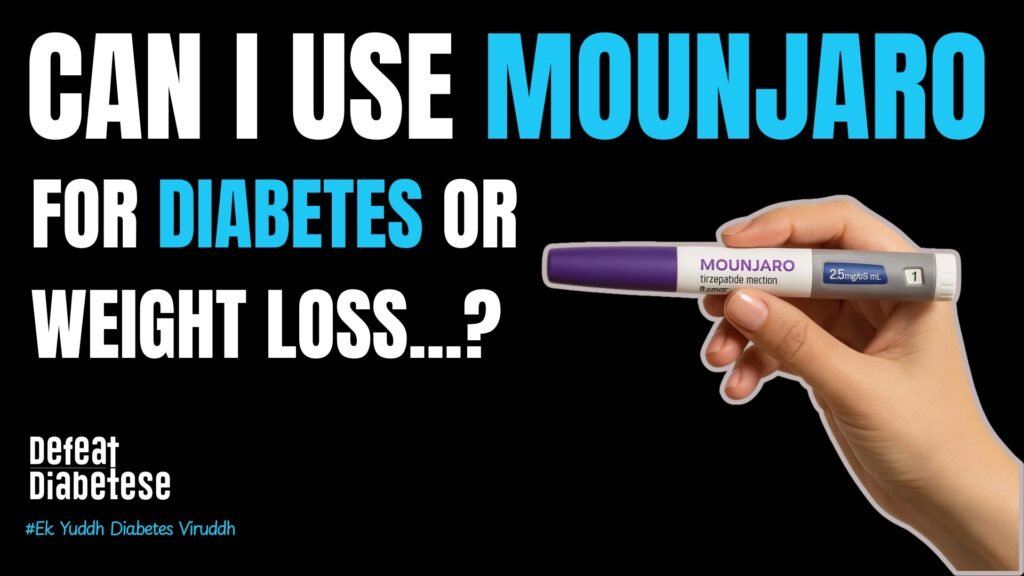
Is Mounjaro for diabetes or weight loss difference between Mounjaro and Zepbound explained by Dr. Prakash Kurmi

Is Mounjaro for Diabetes or Weight Loss ? : 5 Important Facts

Is Mounjaro for Diabetes or Weight Loss? The explosive popularity of next-generation metabolic injections has triggered massive consumer confusion globally and across urban health hubs like Ahmedabad. The most frequent question patients ask clinicians today is: Is Mounjaro for diabetes or weight loss? Because the underlying active drug triggers massive improvements in both blood sugar regulation and body fat reduction, the lines between these two treatment tracks have become highly blurred in public perception. In my 30 years of clinical legacy at Shivam Hospital, I have analyzed every major pharmaceutical transition in endocrinology. To evaluate this medication logically, we must separate marketing brand names from cellular biochemistry. At DEFEAT DIABETESE, we cut through commercial confusion using pure, evidence-based science. To win this ek yuddh diabetese viruddh, you must understand how this dual-acting molecule interacts with your organs, keeping your health aligned with our strategic Vision 2040 milestones. 1. The Single Molecule with Two Different Identities To answer the core question directly: The active chemical drug inside Mounjaro is Tirzepatide. The pharmaceutical manufacturer created two completely distinct brand names for this exact same liquid molecule, depending entirely on the medical condition being treated: [Image illustrating Tirzepatide splitting into Mounjaro for Type 2 Diabetes and Zepbound for Chronic Weight Management] Mounjaro (The Diabetes Brand): Officially approved as an adjunct to diet and exercise to improve blood sugar (glycemic control) in adults living with Type 2 Diabetes. Zepbound (The Weight Loss Brand): The exact same chemical molecule (Tirzepatide), but explicitly approved for Chronic Weight Management in adults suffering from clinical obesity ($\text{BMI} \ge 30\text{ kg/m}^2$) or overweight conditions ($\text{BMI} \ge 27\text{ kg/m}^2$) alongside at least one weight-related complication like high blood pressure or sleep apnea. 2. The Cellular Mechanism: What Makes It a Dual-Agonist? While older popular options like Ozempic (Semaglutide) mimic only a single gut hormone, Tirzepatide represents a major evolutionary leap. It is a Dual GIP and GLP-1 Receptor Agonist. The First Engine (GLP-1): It binds to Glucagon-Like Peptide-1 receptors to slow down stomach digestion, suppress inappropriate glucagon release from the liver, and prompt the pancreas to release insulin in a glucose-dependent manner. The Second Engine (GIP): It simultaneously activates Glucose-Dependent Insulinotropic Polypeptide (GIP) receptors. GIP synergetically boosts insulin secretion while directly improving fat tissue metabolism and significantly dampening the severe nausea often caused by pure GLP-1 agents. 3. The Clinical Data: Diabetes Remission and Weight Loss Impact Because it fires on two distinct hormonal pathways simultaneously, the clinical trial data ($SURMOUNT$ and $SURPASS$ programs) left the medical community stunned: Glycemic Control: In clinical evaluations for Type 2 Diabetes, Mounjaro demonstrated an exceptional ability to drop $HbA1c$ levels by up to $2.0\%\text{ to }2.4\%$, pushing a vast majority of participants into complete, drug-free clinical remission boundaries.Is Mounjaro for diabetes or weight loss Substantial Weight Loss: In clinical obesity trials, the highest dose of Tirzepatide (15 mg once weekly) delivered an average body weight reduction of $20.9\%$ over a 72-week window, eclipsing older therapeutic models.Is Mounjaro for diabetes or weight loss 4. Advanced Therapy Tracking via Digital Analytics At Defeat Diabetese, we do not allow cutting-edge global molecules to act as permanent lifelong dependencies. Dynamic Metabolic Alignment: Whether a patient is utilizing Tirzepatide under the banner of Mounjaro or Zepbound, we map their lifestyle variables against clinical labs using our Unified Health Dashboard.Is Mounjaro for diabetes or weight loss Legacy Supervised Tapering: Under Dr. Prakash Kurmi’s 30-year clinical blueprint, we leverage the immediate metabolic stability these molecules create to build permanent cellular adaptations, safely tapering off the drug once deep visceral organ fat is cleared.Is Mounjaro for diabetes or weight loss 5. 5 Non-Negotiable Rules When Accessing Tirzepatide Therapy If you and your diabetologist determine that you meet the eligibility criteria for this advanced therapeutic pathway, you must adhere to these 5 parameters strictly: Enforce Aggressive Muscle Preservation: Because Tirzepatide triggers rapid weight reduction, up to one-third of that weight can come from lean skeletal muscle tissue if unmanaged. You must perform progressive resistance training 3-4 times a week to protect your body’s primary “sugar sponges.” Execute the Protein-First Nutrition Sequence: With significantly slowed stomach emptying, your overall food capacity will drop sharply. You must consume clean protein (paneer, sprouted legumes) and rich dietary fiber first during your smaller meals to prevent nutritional deficiencies. Screen for Absolute Contraindications: Tirzepatide is strictly banned for anyone with a personal or family history of Medullary Thyroid Carcinoma (MTC) or Multiple Endocrine Neoplasia syndrome type 2 (MEN 2).Is Mounjaro for diabetes or weight lossIs Mounjaro for diabetes or weight loss Use it as a Bridge, Not a Final Destination: Never view a weekly injection as a permanent license to live a sedentary life. Use the window of appetite control to establish lifelong nutritional habits. Maintain Strict Medical Oversight: Titrating doses from 2.5 mg up to 5 mg, 10 mg, or 15 mg requires highly precise endocrinological tracking at Shivam Hospital to minimize side effects like initial nausea or biliary strain. 6. Frequently Asked Questions (FAQs) Q1: Can I use Mounjaro for weight loss if I do not have Type 2 Diabetes? While the active drug inside Mounjaro (Tirzepatide) causes weight loss, the brand name Mounjaro is legally indicated and covered by insurance plans exclusively for Type 2 Diabetes. For weight management without diabetes, the identical molecule is prescribed under the brand name Zepbound. Q2: Is Mounjaro superior to Ozempic for metabolic health? Head-to-head clinical trials demonstrate that Tirzepatide (Mounjaro) generally achieves greater average drops in HbA1c and higher weight-loss percentages than Semaglutide (Ozempic) due to its dual GIP/GLP-1 receptor mechanism.Is Mounjaro for diabetes or weight loss Q3: How does the Defeat Diabetese movement view these injections? Backed by 30 years of medical wisdom, we do not view these molecules as magic cures. We leverage advanced global science strategically as temporary accelerators to clean the liver and pancreas, while building the long-term lifestyle foundation necessary for drug-free remission. Conclusion: Choose Precision Over Mass Media Hype Answering is Mounjaro for diabetes or weight loss highlights that while

Is Mounjaro for Diabetes or Weight Loss ? : 5 Important Facts Read More »

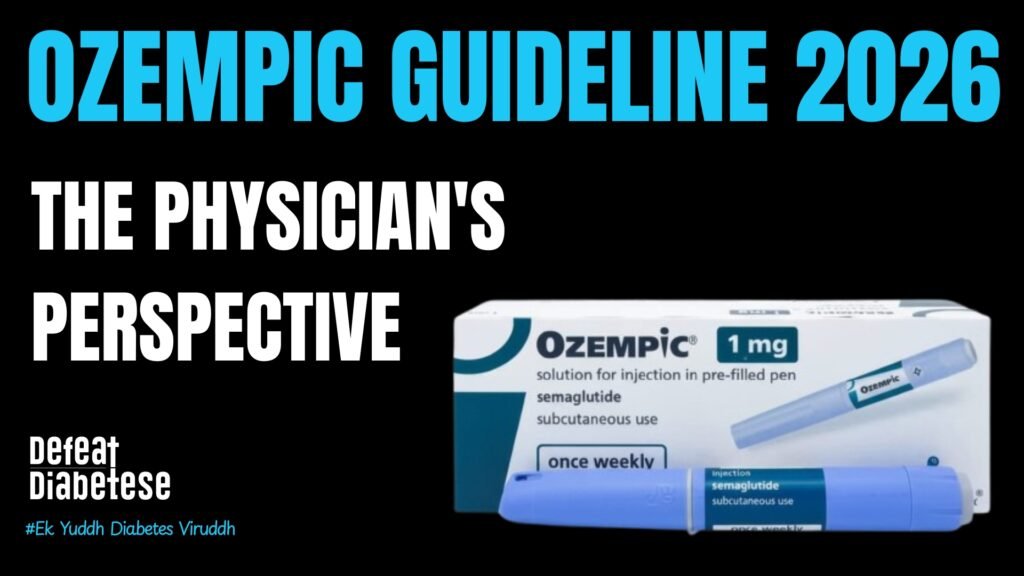
Ozempic guideline 2026 eligibility benefits side effects explained by Dr. Prakash Kurmi

Ozempic Guideline 2026: Who Should Take Ozempic?

Ozempic Guideline 2026: The Physician’s Perspective The landscape of metabolic healthcare in 2026 has been utterly transformed by the widespread adoption of Semaglutide, commercially known as Ozempic. In my 30 years of clinical legacy at Shivam Hospital in Ahmedabad, I have watched diabetes management evolve from basic blood sugar masking to sophisticated hormonal engineering. However, the immense global hype surrounding Ozempic has created a dangerous public misunderstanding. Many view it as a casual cosmetic weight-loss injection rather than a potent prescription medication that requires strict medical oversight. At DEFEAT DIABETESE, we evaluate advanced pharmacological tools through a lens of absolute biological logic. This Ozempic guideline 2026 provides an authoritative, physician-backed breakdown of who should take this therapy, eligibility parameters, critical precautions, and the long-term trade-offs—ensuring you navigate modern medicine safely as part of our Vision 2040 strategy. 1. Who Should Take Ozempic? (Eligibility Criteria) Ozempic is an injectable GLP-1 receptor agonist designed for targeted metabolic correction, not for off-label cosmetic slimming before a social event. According to the Ozempic guideline 2026, clinical eligibility is strictly defined by the following medical conditions: Type 2 Diabetes Mellitus: Individuals diagnosed with uncontrolled Type 2 Diabetes whose baseline $HbA1c$ remains elevated despite standard lifestyle interventions and oral metformin therapy. Diabetic Cardiovascular High-Risk: Patients with Type 2 Diabetes who have established cardiovascular disease (or high risk of stroke and heart attack), as Ozempic is FDA-approved to reduce major adverse cardiac events. Metabolic Obesity with Insulin Resistance: Adults with a Body Mass Index (BMI) of  alongside weight-related comorbidities like hypertension or fatty liver disease). 2. Who Must Avoid It? (Absolute Contraindications) As a senior physician, I strictly screen patients to ensure they do not fall into high-risk categories where Ozempic can cause severe physiological harm: Personal or Family History of MTC: Anyone with a personal or family history of Medullary Thyroid Carcinoma (MTC) or Multiple Endocrine Neoplasia syndrome type 2 (MEN 2) must avoid GLP-1 therapies entirely.Ozempic guideline 2026 History of Severe Pancreatitis: Patients with a prior history of acute or chronic pancreatitis.Ozempic guideline 2026 Type 1 Diabetes & Diabetic Ketoacidosis (DKA): Ozempic is not an insulin replacement and should never be prescribed for Type 1 Diabetes. Pregnancy and Breastfeeding: Must be discontinued at least 2 months prior to a planned pregnancy.Ozempic guideline 2026 3. Key Clinical Precautions Before Starting Therapy Before administering the first dose of Semaglutide, our clinical protocol at Shivam Hospital enforces these mandatory medical checks: Comprehensive Renal Function Assessment: Baseline blood tests for kidney filtration ($eGFR$ and Serum Creatinine) are mandatory, as dehydration from initial side effects can strain kidney function. Gallbladder & Pancreatic Screening: Evaluating baseline liver enzymes and lipase levels to prevent biliary or pancreatic complications. Diabetic Retinopathy Check: Rapid improvements in blood glucose can temporarily exacerbate diabetic retinopathy. A comprehensive eye exam is essential prior to initiation. Gradual Dose Titration: Therapy must always start at a low dose ($0.25\text{ mg}$ once weekly) for 4 weeks to allow the gastrointestinal tract to adapt before stepping up to therapeutic doses ($0.5\text{ mg}, 1.0\text{ mg},$ or $2.0\text{ mg}$). 4. The Benefits vs. Side Effects Balance Sheet +—————————————————+—————————————————+ | Clinical Benefits | Recognized Side Effects | +—————————————————+—————————————————+ | Glucose-Dependent Insulin Release (No low crashes)| Mild to Moderate Nausea & Acid Reflux | | Significant HbA1c Reduction (Up to 1.5% – 2.0%) | Constipation, Diarrhea, and Delayed Emptying | | Sustained Weight Loss (Average 12% to 15%) | Potential Lean Skeletal Muscle Loss (Sarcopenia) | | Proven Heart & Kidney Protection | Risk of Gallstones during Rapid Weight Loss | | Direct Reduction of Brain “Food Noise” | Temporary Fatigue during Initial Titration Phase | +—————————————————+—————————————————+ 5. Senior Diabetologist’s Opinion: Long-Term Advantages & Disadvantages The Long-Term Advantages: Organ Shielding: The greatest long-term advantage of Ozempic is its ability to protect the vascular lining, reduce systemic inflammation ($hs-CRP$), and shield the heart and kidneys from microvascular erosion over years of therapy.Ozempic guideline 2026 Glycemic Stability: It provides a sustained window of blood sugar control without forcing the pancreatic beta-cells to work under exhausting overtime, preserving natural pancreatic reserves. The Long-Term Disadvantages: The “Ozempic Rebound” Risk: If a patient relies solely on the injection without altering their foundational lifestyle, stopping the drug causes “food noise” and weight to return rapidly. Sarcopenic Obesity (Muscle Wasting): Without progressive resistance training and high-protein nutrition, up to 40% of the weight lost on Ozempic can come from lean skeletal muscle mass. Losing muscle destroys your body’s primary “sugar sponges,” worsening baseline metabolism over time.Ozempic guideline 2026 Lifelong Dependency vs. Cost: For many, maintaining results requires long-term maintenance doses, raising concerns regarding financial sustainability and continuous access.Ozempic guideline 2026 6. Tracking Semaglutide Adaptation via Digital Dashboards At Defeat Diabetese, we treat advanced medications as temporary metabolic accelerators, not permanent crutches. Dynamic Metabolic Alignment: We map patient dosage updates, muscle mass preservation, and dietary logs on our Unified Health Dashboard. Data-Guided Tapering: Under Dr. Prakash Kurmi’s 30-year clinical legacy, we leverage the glycemic stability created by Ozempic to build permanent lifestyle habits, safely tapering off the drug once cellular sensitivity is fully restored. 7. Frequently Asked Questions (FAQs) Q1: Can I take Ozempic only for quick weight loss if I don’t have diabetes? While Semaglutide is prescribed for weight loss under different brand names and higher doses (like Wegovy), taking Ozempic off-label without medical supervision for cosmetic weight loss is strongly discouraged due to risks of muscle loss and gastrointestinal complications.Ozempic guideline 2026 Q2: How do I prevent muscle loss while on Ozempic? You must perform progressive strength or resistance training 3 to 4 times a week and consume a high-protein, fiber-first diet to protect your lean skeletal muscle tissue while burning visceral fat.Ozempic guideline 2026 Q3: What should I do if I experience severe nausea after my injection? Eat smaller, micro-portioned meals, avoid greasy or high-fat foods, stop drinking liquids during meals, and stay upright for 3 hours after eating. If nausea persists, consult your diabetologist to adjust your titration schedule. Conclusion: Use Medicine as a Bridge, Not a Destination

Ozempic Guideline 2026: Who Should Take Ozempic? Read More »

Difference between GLP-1 and Semaglutide drug class versus molecule explained by Dr. Prakash Kurmi

Difference Between GLP-1 and Semaglutide: 5 IMP Facts Explained

Difference Between GLP-1 And Semaglutide: Explained Clarifying the exact difference between GLP-1 and Semaglutide is fundamental for anyone trying to navigate modern weight-loss and diabetes treatments. In my 30 years of clinical legacy at Shivam Hospital in Ahmedabad, I meet patients every day who ask whether they should take a “GLP-1 treatment” or “Semaglutide,” not realizing that one is the biological pathway and the other is the specific drug engineered to activate that pathway. Confusing the umbrella term with the specific active molecule leads to misunderstandings about dosages, brand names, and biological mechanisms. At DEFEAT DIABETESE, we demystify medical pharmacology using clear, logic-backed science. To win this ek yuddh diabetese viruddh, let us break down the exact distinction between the natural hormone class and the synthetic molecule, keeping our community informed as part of our Vision 2040 strategy. 1. The Core Distinction: Category vs. Specific Drug To understand the relationship between GLP-1 and Semaglutide, think of a simple real-world analogy: “GLP-1 Receptor Agonist” is like the vehicle category “SUV,” while “Semaglutide” is a specific model like a “Fortuner.” GLP-1 (Glucagon-Like Peptide-1): This is a natural incretin hormone produced by your gut’s L-cells whenever you eat food. “GLP-1 Receptor Agonists” (GLP-1 RAs) refers to the entire class or family of medications designed to mimic this hormone. Semaglutide: This is a specific, laboratory-engineered chemical molecule that belongs to the GLP-1 RA family. It is the active pharmaceutical ingredient found in famous brand-name medications like Ozempic, Rybelsus, and Wegovy.Difference between GLP-1 and Semaglutide 2. Natural GLP-1 vs. Synthetic Semaglutide: The Half-Life Difference Why couldn’t doctors just inject natural human GLP-1 hormone directly into patients? The answer lies in how fast the human body breaks down its own hormones. Natural GLP-1 (Minutes): Your body’s native GLP-1 hormone is released immediately after meals, but it is destroyed by an internal enzyme called DPP-4 within 1 to 2 minutes. It gives a quick, fleeting signal to the brain and pancreas before disappearing.Difference between GLP-1 and Semaglutide Semaglutide (Days): Scientists structurally modified the native GLP-1 peptide chain to resist DPP-4 breakdown. Semaglutide stays active in your bloodstream for nearly 7 days (168 hours), allowing for once-weekly injections or steady daily oral dosing (Rybelsus).Difference between GLP-1 and Semaglutide 3. The GLP-1 Family Tree: Where Semaglutide Fits Semaglutide is not the only GLP-1 drug on the market; it is part of an evolving timeline of metabolic pharmacology. +————————+——————-+——————-+——————-+ | Feature | Liraglutide | Semaglutide | Tirzepatide | +————————+——————-+——————-+——————-+ | Brand Names | Victoza, Saxenda | Ozempic, Rybelsus | Mounjaro, Zepbound| | Hormone Target | Single (GLP-1) | Single (GLP-1) | Dual (GLP-1 + GIP)| | Administration | Daily Injection | Weekly / Daily | Weekly Injection | | Weight Loss Average | ~5% to 8% | ~15% to 18% | ~20% to 22% | +————————+——————-+——————-+——————-+ As seen in the chart, while Liraglutide was a first-generation daily GLP-1 drug and Tirzepatide is a newer dual-agonist, Semaglutide remains the gold-standard single GLP-1 molecule widely prescribed worldwide. 4. How Semaglutide Works Inside Your Body When Semaglutide binds to your body’s GLP-1 receptors, it triggers four main metabolic actions: Smart Insulin Release: It orders the pancreas to produce insulin only when blood sugar levels are elevated, preventing sudden hypoglycemia crashes. Glucagon Suppression: It stops the liver from dumping excess stored glucose into your blood overnight.Difference between GLP-1 and Semaglutide Delayed Stomach Emptying: It slows down stomach digestion, keeping you feeling full for hours after small meals.Difference between GLP-1 and Semaglutide Brain Satiety Signaling: It acts directly on the brain’s hypothalamus to shut off constant “food noise” and emotional cravings.Difference between GLP-1 and Semaglutide 5. Tracking Drug Adaptation via Digital Analytics At Defeat Diabetese, we do not rely on medications as permanent crutches. Objective Metric Evaluation: Whether a patient is using Semaglutide or lifestyle protocols alone, we track their Fasting Insulin, C-Peptide reserves, and body composition parameters closely. The Dashboard Sync: By logging these parameters on your Unified Health Dashboard, our medical team at Shivam Hospital evaluates your cellular recovery pace, using advanced molecules merely as temporary accelerators under Dr. Prakash Kurmi’s expert legacy. 6. Frequently Asked Questions (FAQs) Q1: Is Ozempic the same thing as GLP-1? Ozempic is a brand name. The active drug inside Ozempic is Semaglutide, which belongs to the GLP-1 receptor agonist class of medications. Q2: Are all GLP-1 drugs equal in efficacy? No. Newer molecules like Semaglutide offer higher potency and longer half-lives compared to older GLP-1 drugs like Exenatide or Liraglutide, yielding stronger blood sugar reduction and higher weight-loss percentages. Q3: How does Defeat Diabetese integrate Semaglutide into treatment? Backed by 30 years of medical wisdom, we use Semaglutide strategically when clinically indicated to stabilize high-risk patients, while simultaneously building the muscle mass and nutritional habits required for long-term, drug-free remission.Difference between GLP-1 and Semaglutide Conclusion: Understand the Science Behind Your Care Recognizing the difference between GLP-1 and Semaglutide clears away confusion and helps you understand how modern therapies interact with your body. Semaglutide is a powerful tool within the broader GLP-1 class, but true long-term health still depends on unjamming your cellular locks through clean nutrition and muscle building. Let us stand undefeated in this ek yuddh diabetese viruddh to secure our ultimate Vision 2040 victory.Difference between GLP-1 and SemaglutideDifference between GLP-1 and Semaglutide ek yuddh diabetese viruddh. Visit us: www.defeatdiabetese.com

Difference Between GLP-1 and Semaglutide: 5 IMP Facts Explained Read More »

Analog paneer health risks Gujarat FDA ban fake paneer palm oil toxicity explained by Dr. Prakash Kurmi

Analog Paneer Health Risks: 5 Terrifying Secrets Behind Gujarat Ban

Analog Paneer Health Risks: The Truth The recent crackdown and strict regulatory bans enforced by the Food and Drugs Control Administration (FDCA) Gujarat on analog paneer have exposed one of the most dangerous public health hazards circulating in Indian food markets. For decades, paneer has been revered as a cornerstone of Indian nutrition—a pristine, high-protein, calcium-rich food recommended by doctors and dietitians alike. However, the silent rise of industrial, chemically synthesized “fake paneer” across restaurants, street stalls, and dairy vendors has turned a healthy food item into a direct trigger for metabolic collapse. In my 30 years of clinical legacy at Shivam Hospital in Ahmedabad, I have watched the age demographic of severe fatty liver, sudden heart attacks, and rampant insulin resistance shift rapidly toward young adults and corporate professionals. When patients tell me they eat a clean, vegetarian, protein-first diet but still show soaring inflammatory markers, the culprit is often hidden adulterants like synthetic analog paneer. At DEFEAT DIABETESE, we evaluate health crises through absolute biological logic. To win this ek yuddh diabetese viruddh, we must pull back the curtain on how analog paneer is manufactured, expose its toxic impact on your organs, and protect our community as part of our Vision 2040 strategy. 1. The Chemical Process: How Fake Paneer is Manufactured To understand why the Gujarat FDA stepped in to ban and seize thousands of kilograms of this material, you must understand the complete absence of actual dairy in its manufacturing process. Real Cottage Cheese (Pure Paneer): Authentic paneer is produced through a simple, natural process: full-cream animal milk is boiled and curdled using natural acids (lemon juice or citric acid). The liquid whey is drained, leaving behind pure milk solids packed with complete proteins (casein) and natural milk fats (butterfat). Analog Paneer (The Chemical Substitute): Analog paneer contains almost zero natural milk fat. Manufacturers completely strip out natural dairy fat (which is expensive) and replace it with cheap, industrial substitutes: Vegetable Fats & Hydrogenated Palm Oil: Dairy fat is replaced with low-grade, highly oxidized palm oil or hydrogenated vegetable fats packed with dangerous trans-fatty acids. Skimmed Milk Powder (SMP) & Starch: Low-quality milk powder and industrial cornstarch or potato starch are added to give the mixture bulk and water-binding capacity. Chemical Emulsifiers & Stabilizers: Compounds like glycerol monostearate and sodium alginate are mixed under high-speed industrial blenders to force water, starch, and cheap palm oil to bond together into a smooth paste. Detergents & Bleaching Agents: In extreme adulteration cases seized by food inspectors, traces of liquid detergents, urea, and sulfuric acid derivatives are used to whiten the mixture and mimic the natural soft texture of fresh cottage cheese. 2. The Metabolic Destruction: What Happens Inside Your Organs When you consume a plate of butter paneer or paneer tikka made from analog paneer, your body does not register it as food—it processes it as a toxic metabolic chemical load. A. Liver & Insulin Resistance (The Diabetes Trigger) The oxidized palm oil and industrial starches in analog paneer bypass normal digestive breakdown. The liver is immediately flooded with a massive surge of free fatty acids and high-glycemic starches. Ectopic Fat Accumulation: Because these cheap vegetable fats cannot be safely stored in subcutaneous tissue, the liver packs them directly around its own cells, triggering rapid Non-Alcoholic Fatty Liver Disease (NAFLD). Receptor Blinding: This visceral fat buildup acts like biological gunk inside your cellular locks, blinding your insulin receptors. The pancreas is forced to produce massive amounts of extra insulin to push glucose inside cells, directly accelerating Insulin Resistance and driving Type 2 Diabetes. B. Cardiovascular System (Arterial Plaque & Heart Attacks) The hydrogenated fats and trans-fats found in cheap analog paneer are direct enemies of your vascular endothelium (the inner lining of your blood vessels). LDL Particle Oxidation: These artificial fats increase small, dense $LDL$ particles and drastically elevate systemic inflammatory markers like $hs\text{-}CRP$. Arterial Plaque Formation: Oxidized fats settle into the arterial walls, forming rigid atheromatous plaques. Over time, this narrows the coronary arteries, spiking blood pressure and increasing the risk of sudden cardiac arrest in young individuals. C. Gut Microbiome & Systemic Inflammation (Obesity Driver) Your gut microbiome thrives on clean, unrefined nutrients. The synthetic emulsifiers and chemical stabilizers present in fake paneer strip away the protective mucus layer of your intestines.Analog paneer health risks Leaky Gut Syndrome: Emulsifiers create microscopic gaps in the intestinal barrier, allowing bacterial toxins (lipopolysaccharides) to leak directly into your bloodstream.Analog paneer health risks Chronic Low-Grade Inflammation: This constant toxic leakage triggers systemic inflammation, slowing down your thyroid function, shutting down fat-burning pathways, and causing stubborn abdominal obesity that refuses to budge.Analog paneer health risks 3. Real vs. Fake Paneer: 4 Simple Tests to Check at Home While regulatory bodies like the Gujarat FDA conduct advanced lab testing, you can easily identify adulterated paneer in your own kitchen: +————————+———————————+———————————+ | Test Method | Pure Natural Paneer | Fake Analog Paneer | +————————+———————————+———————————+ | 1. Iodine Test | Color remains unchanged (White) | Turns Blue/Purple (Starch present)| | 2. Touch & Texture | Soft, crumbles naturally | Rubberization, stretches like gum| | 3. Boiling Test | Retains shape and soft milk odor| Releases foul oil layer on top | | 4. Pan Frying Test | Turns light golden brown smoothly| Melts into liquid grease/oil | +————————+———————————+———————————+ The Iodine Drop Test (The Ultimate Hack): Boil a small piece of paneer in water, let it cool, and add 2-3 drops of standard Iodine solution. If the paneer turns blue or dark purple, it contains hidden industrial starch and is completely fake. 4. Tracking Vascular Health via Clinical Dashboards At Defeat Diabetese, we move beyond basic dietary advice by tracking internal vascular damage using advanced laboratory vectors. Objective Metabolic Screening: If a patient has unknowingly consumed high-fat commercial foods, we run comprehensive inflammatory profiles—including Fasting Insulin, ApoB/ApoA1 ratios, and high-sensitivity CRP ($hs\text{-}CRP$) to measure real arterial inflammation. The Dashboard Sync: By charting these parameters continuously on your Unified Health Dashboard, our medical team evaluates

Analog Paneer Health Risks: 5 Terrifying Secrets Behind Gujarat Ban Read More »

GLP-1 nausea and side effects management delayed gastric emptying explained by Dr. Prakash Kurmi

GLP-1 Nausea and Side Effects: 5 Proven Tips to Soothe Your Gut

GLP-1 Nausea and Side Effects: Gut Relief The global adoption of GLP-1 receptor agonists has revolutionised metabolic care, but navigating GLP-1 nausea and side effects remains the single greatest challenge for patients initiating therapy. In my 30 years of clinical legacy at Shivam Hospital in Ahmedabad, the most common reason patients consider abandoning an otherwise life-changing metabolic treatment during the first few weeks is gastrointestinal discomfort. Experiencing nausea, acid reflux, bloating, or altered bowel habits can be distressing, but understanding the underlying physiological mechanics empowers you to manage these symptoms effectively. At DEFEAT DIABETESE, we approach pharmacological support through strict physiological logic. To win this ek yuddh diabetese viruddh, we must support the gut’s natural adaptation process, ensuring you leverage modern science comfortably as part of our Vision 2040 strategy. 1. The Biological Root Cause: Why GLP-1 Causes Nausea To manage digestive side effects logically, you must first understand why they occur in the early stages of incretin therapy. Delayed Gastric Emptying: GLP-1 is a natural gut hormone that signals your stomach to slow down the speed at which it empties its contents into the small intestine. This delayed stomach emptying is a deliberate biological mechanism designed to prevent sharp post-meal blood sugar spikes. The Adaptation Window: When a synthetic GLP-1 molecule is introduced or its dosage is increased, your stomach retains food for significantly longer periods than it is accustomed to. This physical fullness, combined with central nervous system satiety signaling in the brain, creates temporary nausea and acid buildup until your gastrointestinal tract adapts to the new digestive rhythm. 2. 5 Clinical Protocols to Eliminate GLP-1 Nausea and Side Effects To smooth out your transition, protect your gut microbiome, and eliminate digestive distress without compromising your metabolic progress, implement this clinical protocol: 1. Master the Micro-Portioning Strategy The Mistake: Eating your traditional meal volume while on a GLP-1 drug forces a delayed stomach to overstretch, triggering immediate nausea and regurgitation. The Fix: Cut your meal portions in half. Eat slowly and stop eating at the very first sign of fullness. Because your stomach is emptying at a slower pace, smaller, nutrient-dense meals prevent gastric pressure buildup and reflux. 2. Enforce the Fiber-and-Protein Plate Sequence The Mistake: Consuming heavy, high-fat, or greasy fried foods while digestion is slowed down causes fat to sit in the stomach for hours, triggering severe acidity and sulfur burps. The Fix: Always eat your fiber (steamed greens or raw cucumber) and clean protein (fresh paneer, curd, or sprouted lentils) first. Avoid heavy oils, spicy gravies, and processed carbohydrates, which are notorious for worsening GLP-1 Digestive Side Effects.GLP-1 nausea and side effects 3. Separate Fluids From Solid Meals The Mistake: Drinking large volumes of water or beverages during your meals increases total stomach volume, compounding gastric distension. The Fix: Stop drinking liquids 15 minutes before your meal, and wait at least 30 to 45 minutes after finishing your meal before drinking water. Sipping small amounts of water or unsweetened ginger tea throughout the rest of the day keeps you hydrated without expanding your stomach during digestion.GLP-1 nausea and side effects 4. Maintain an Upright Posture Post-Meal The Mistake: Lying down or slumping on a couch immediately after eating allows delayed stomach contents and acid to flow back up into the esophagus. The Fix: Remain standing or seated upright for at least 2 to 3 hours after eating your main meals. Engage in a light, 15-minute post-meal stroll to encourage gentle, natural intestinal motility. Never eat within 3 hours of going to bed.GLP-1 nausea and side effects 5. Hydrate with Electrolytes and Soothing Botanicals The Mistake: Drinking plain water in large gulps when nauseous can trigger a gag reflex and fail to replenish lost minerals. The Fix: Sip lukewarm water infused with fresh ginger, mint leaves, or a pinch of rock salt. Ginger contains natural gingerols that actively soothe stomach lining irritation and accelerate gastric transit without interfering with GLP-1 receptor activity.GLP-1 nausea and side effects 3. Tracking Digestive Adaptation via Digital Analytics At Defeat Diabetese, we do not leave drug titration to guesswork.GLP-1 nausea and side effects Symptom & Dosage Alignment: We track your weekly dosage escalations against your daily symptom logs and digestive comfort scores.GLP-1 nausea and side effects The Dashboard Sync: By monitoring your nutritional intake, hydration levels, and laboratory baselines on your Unified Health Dashboard, our medical team at Shivam Hospital makes micro-adjustments to your meal architecture, ensuring a smooth biological adaptation under Dr. Prakash Kurmi’s expert legacy.GLP-1 nausea and side effects 4. Frequently Asked Questions (FAQs) Q1: How long do GLP-1 nausea and side effects typically last? For most patients, mild-to-moderate nausea lasts for the first 2 to 4 weeks after starting the medication or ramping up to a higher dose. Once your stomach and brain adapt to the altered gastric emptying speed, symptoms typically subside.GLP-1 nausea and side effects Q2: Should I stop taking my GLP-1 medication if I experience mild nausea? No. Mild nausea is a common, temporary sign of gastric adaptation. However, if you experience severe vomiting, persistent abdominal pain, or inability to retain fluids, contact your diabetologist immediately to adjust your dose or evaluate for underlying issues like gallstones or pancreatitis.GLP-1 nausea and side effects Q3: How does the Defeat Diabetese framework support patients on GLP-1 therapy? Backed by 30 years of medical wisdom, we provide comprehensive lifestyle and nutritional perimeter support. We help you structure your meals, preserve skeletal muscle mass, and manage digestive adaptation, ensuring you use advanced pharmaceuticals safely and temporarily.GLP-1 nausea and side effects Conclusion: Partner with Your Biology Experiencing GLP-1 nausea and side effects is a temporary phase that can be managed easily with proper plate structure, meal timing, and hydration. By respecting your stomach’s altered transit speed and tracking your health parameters systematically, you can navigate your metabolic transformation comfortably. Let us stand united in this ek yuddh diabetese viruddh to secure our ultimate Vision 2040 national victory. ek yuddh diabetese viruddh. Visit us: www.defeatdiabetese.com

GLP-1 Nausea and Side Effects: 5 Proven Tips to Soothe Your Gut Read More »

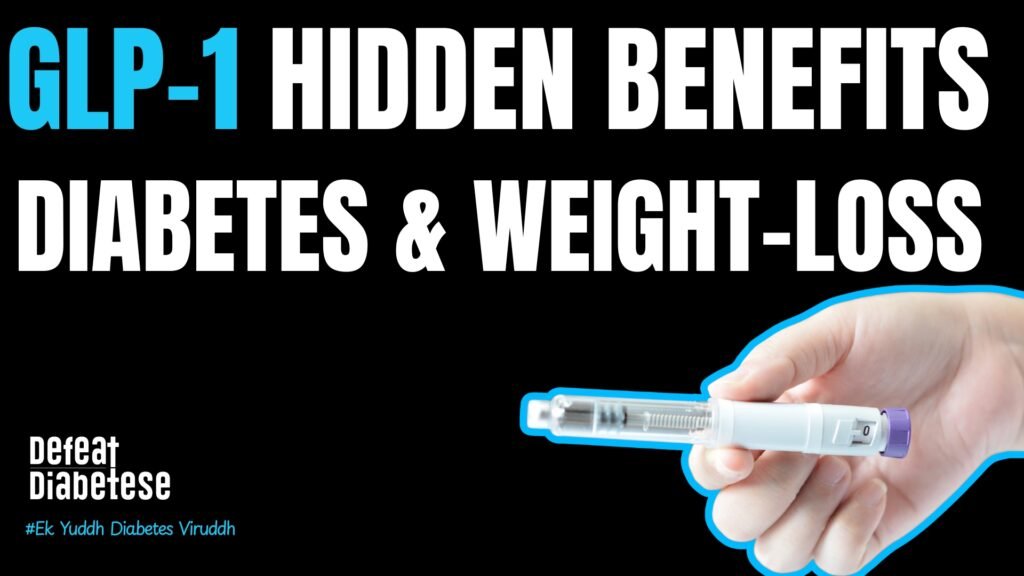
GLP-1 diabetes and weight loss drug benefits and cardiovascular protection explained by Dr. Prakash Kurmi

GLP-1 Diabetes and Weight-Loss Drug: 7 Mind-Blowing Cellular Benefits

GLP-1 Diabetes and Weight-Loss Drug: 7 Benefits The meteoric rise of the GLP-1 diabetes and weight-loss drug class represents the most significant pharmacological breakthrough in modern metabolic medicine. In my 30 years of clinical legacy at Shivam Hospital in Ahmedabad, conventional treatments were primarily focused on forcing the pancreas to produce more insulin, often leading to weight gain and accelerated cellular exhaustion. The introduction of Glucagon-Like Peptide-1 (GLP-1) receptor agonists has shifted the paradigm toward biological mimicry—replicating natural gut hormones to optimize the entire metabolic grid. At DEFEAT DIABETESE, we analyze global pharmaceutical innovations through strict physiological logic. To win this ek yuddh diabetese viruddh, we must understand the precise multi-organ mechanisms that make these molecules so effective, guiding our community safely toward our structural Vision 2040 milestones. The Cellular Science: What is a GLP-1 Drug? GLP-1 is a natural incretin hormone produced by your gut L-cells in response to food intake. In a state of chronic insulin resistance, your native GLP-1 signaling becomes blunted. A GLP-1 diabetes and weight-loss drug mimics this native hormone but is engineered to resist rapid degradation by the body’s enzymes, extending its therapeutic window from minutes to days. 7 Clinical Benefits of GLP-1 Receptor Agonists   7.1 Glucose-Dependent Insulin Secretion Unlike older medications that forcefully squeeze insulin out of the pancreas regardless of blood sugar levels (causing dangerous crashes), GLP-1 drugs work intelligently. They only signal the pancreatic beta-cells to release insulin when circulating blood glucose is elevated. The moment your blood sugar drops back into a normal range, the insulin stimulation stops, ensuring safe, precise glycemic control. 7.2 Suppression of Glucagon Overdrive In an unmanaged diabetic state, the liver constantly receives faulty orders to dump stored glucose into the blood, even when sugar levels are already high. GLP-1 molecules actively suppress alpha-cells in the pancreas, down-regulating excess glucagon secretion. This shuts off the liver’s unwanted glucose production, particularly flattening morning fasting sugar spikes. 7.3 Delayed Gastric Emptying GLP-1 drugs significantly slow down the speed at which food exits the stomach and enters the small intestine. By delaying gastric emptying, the absorption of carbohydrates is stretched out over a longer window. This physical slowdown prevents the violent, sharp post-meal glucose spikes that strain your blood vessels and cause chronic beta-cell fatigue. 7.4 Central Nervous System Satiety Signaling One of the most profound GLP-1 Receptor Agonists Benefits is its direct interface with the brain’s hypothalamus. The drug crosses the blood-brain barrier to mimic long-term fullness, actively shutting off chronic “food noise” and emotional cravings. This resets your biological satiety point, making portion control effortless. 7.5 Rapid Visceral Fat Reduction By combining reduced caloric intake with optimized insulin levels, GLP-1 therapies prompt the body to rapidly tap into its internal fat reserves. They actively target toxic visceral fat packed tightly inside the liver and around the pancreas. Clearing this internal fat is the ultimate key to reversing the underlying Insulin Resistance Root Cause. 7.6 Robust Cardiovascular Protection Large-scale global clinical trials have confirmed that GLP-1 molecules offer powerful Cardiovascular Protection in Diabetes. They actively reduce systemic inflammation ($hs-CRP$), improve endothelial function in the arteries, and lower the long-term risk of major adverse cardiac events, stroke, and vascular erosion. 7.7 Renal Preservation and Kidney Shielding Chronic high blood sugar forces the kidneys to work under intense filtration pressure. GLP-1 drugs help protect the kidneys by reducing systemic oxidative stress, lowering blood pressure, and reducing the leakage of protein into the urine (microalbuminuria), establishing a defensive barrier against diabetic nephropathy.GLP-1 diabetes and weight-loss drug Advanced Therapy Tracking via Digital Analytics At Defeat Diabetese, we do not allow cutting-edge medications to replace strict objective analytics. Dynamic Metric Alignment: If a patient is prescribed a GLP-1 pathway, we closely monitor their physical indicators—tracking Fasting Insulin, C-Peptide reserves to protect the pancreas, and body composition parameters.GLP-1 diabetes and weight-loss drugGLP-1 diabetes and weight-loss drug The Dashboard Sync: By charting these dynamic indicators continuously on our Unified Health Dashboard, our medical team evaluates how your internal receptors are adapting, ensuring we leverage the drug merely as a temporary accelerator under Dr. Prakash Kurmi’s expert legacy. Critical Rules When Navigating the GLP-1 Era While these molecules offer historic clinical benefits, you must navigate this therapy under strict scientific parameters: Preserve Your Skeletal Muscle Mass: Because GLP-1 drugs cause rapid weight loss, up to 40% of that loss can come from lean muscle mass if unmanaged. You must perform progressive resistance training 3-4 times a week to protect your primary “sugar sponges.” Enforce a Protein-First Nutritional Strategy: Due to delayed digestion, your overall food intake will drop. You must maximize nutrient density by consuming clean protein and rich dietary fiber first to prevent nutrient deficiencies.GLP-1 diabetes and weight-loss drug Manage Gastrointestinal Adaptation: Activating gut receptors can initially cause mild nausea or acidity. Stay well-hydrated with natural electrolytes and avoid high-fat fried foods to ensure a smooth biological transition.GLP-1 diabetes and weight-loss drug Use it as a Bridge, Not a Permanent Crutch: Advanced molecules should be utilized strategically to stabilize a damaged metabolism. The ultimate goal remains leveraging this window of stability to build permanent, natural lifestyle habits.GLP-1 diabetes and weight-loss drug Maintain Strict Legacy Medical Supervision: Calculating dose escalations and tracking pancreatic response requires highly precise endocrinological oversight at Shivam Hospital to ensure absolute safety. Frequently Asked Questions (FAQs) Q1: What is the difference between oral GLP-1 pills and weekly injections? Weekly injections bypass the digestive system entirely for sustained release, while oral pills (like Rybelsus) use a special absorption enhancer (SNAC technology) to survive stomach acids. Both target the exact same GLP-1 receptors effectively when taken correctly. Q2: Will I regain the weight if I stop taking GLP-1 medications? Yes, if you do not alter your foundational habits. If you stop the medication but return to a sedentary routine, poor sleep, and a high-carb processed diet, your visceral fat will re-accumulate and insulin resistance will return. Q3: How does the Defeat Diabetese framework integrate these drugs? Backed by 30 years of medical

GLP-1 Diabetes and Weight-Loss Drug: 7 Mind-Blowing Cellular Benefits Read More »

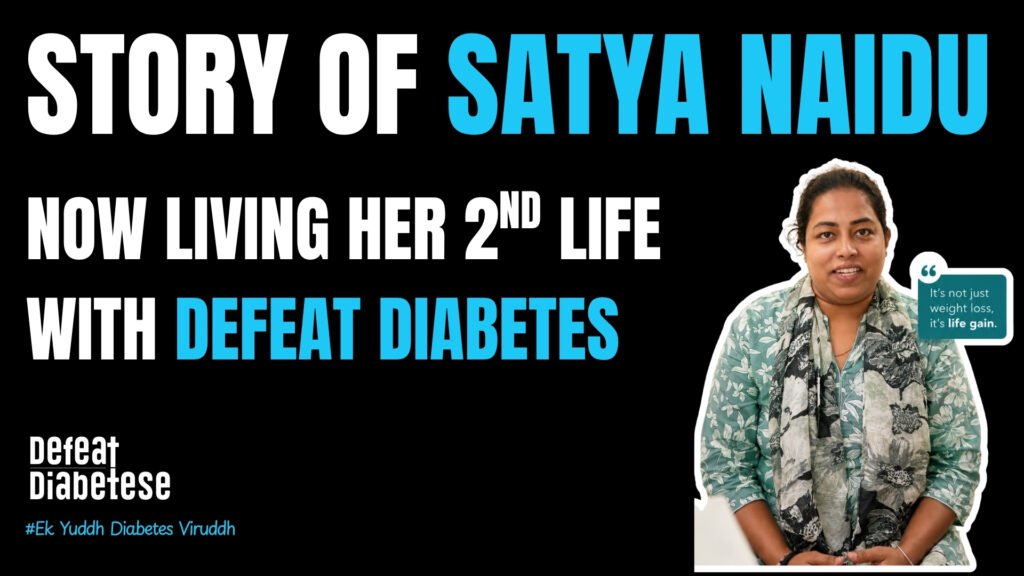
Diabetes management in Ahmedabad Satya Naidu HbA1c success story Shivam Hospital

Diabetes Management in Ahmedabad: Satya Naidu’s 2nd Life Success

Diabetes Management in Ahmedabad: Satya Naidu’s Journey  Witnessing a patient completely rewrite their health trajectory is the ultimate validation of modern metabolic science. In my 30 years of clinical legacy at Shivam Hospital in Ahmedabad, I have encountered thousands of individuals who enter our facility feeling utterly defeated by their medical prescriptions. They are told that an HbA1c of 11% is a permanent hazard and that chronic fatigue, obesity, and high blood pressure are conditions they must simply learn to live with. Satya Naidu’s incredible journey shatters these outdated medical assumptions through pure, data-backed physiological logic. At DEFEAT DIABETESE, we do not believe in masking chronic symptoms with ever-increasing drug dosages. To win this ek yuddh diabetese viruddh, we target the cellular root causes of metabolic failure. Satya Mam’s landmark transformation is living proof that when you provide the human body with the right clinical guidance, structured nutrition, and targeted muscle activation, claiming a “Second Life” is entirely possible. 1. The Baseline Crisis: Understanding Satya’s Initial Markers When 40-year-old Satya Naidu first integrated into our metabolic framework, her biological parameters indicated severe, high-risk metabolic distress. The Dangerous 11% HbA1c: An HbA1c level of 11% indicates that glucose was constantly overflowing in her bloodstream, placing extreme, continuous stress on her microvascular organs, eyes, and kidneys. The Triple Threat: Satya Mam was not just battling uncontrolled blood sugar. She was facing the complex combination of Type 2 Diabetes, hypertension (high blood pressure), and chronic obesity. A Bleak BMI: With a baseline Body Mass Index (BMI) of 30.9, her body had completely crossed its safe subcutaneous fat storage limits, forcing toxic fat to spill into her vital organs. 2. The 2-Month Transformation: The Staggering Numbers What Satya Mam achieved in a brief 2-month window under strict clinical supervision has stunned both her social circles and the local medical community: +————————+——————-+——————-+ | Metabolic Parameter | Baseline Metric | After 2 Months | +————————+——————-+——————-+ | Long-Term HbA1c | 11.0% (Severe) | 6.2% (Controlled) | | Total Body Weight | Baseline | 7 kg Lost | | Body Mass Index (BMI) | 30.9 (Obese) | 25.2 (Healthy) | | Blood Pressure Status | Uncontrolled | Fully Stabilized | +————————+——————-+——————-+ By systematically reducing her weight by 7 kg and dropping her BMI down to a safe 25.2, she cleared the underlying biological blocks jamming her metabolism, driving her blood sugar right back into a safe, controlled zone. 3. The Cellular Science Behind Her “Second Life” Satya Mam’s recovery is not a stroke of luck or a medical miracle; it is the predictable result of fixing the Insulin Resistance Root Cause. 🎥 Watch Satya Naidu share her incredible lifestyle transformation journey in her own words above. Clearing the Organ Gunk: By shedding 7 kg of targeted weight, her body immediately burned off the deep visceral fat suffocating her liver and pancreas. Pancreatic Beta-Cell Recovery: As the internal fat pressure dropped, her pancreatic beta-cells woke up from a dormant state, resuming the natural production of high-quality insulin. Vascular De-stiffening: As cellular insulin sensitivity returned, the chronic inflammation inside her blood vessels dropped sharply, naturally lowering her blood pressure and stabilizing her long-term hypertension. 4. The Defeat Diabetese Protocol: How We Map Success At Defeat Diabetese, we completely eliminate medical guesswork by tracking our patients’ journeys through continuous data validation. Advanced Clinical Dashboarding: Satya Mam’s daily nutritional adjustments, plate structures, and step counts were mapped continuously against her laboratory trends using our Unified Health Dashboard. Legacy Supervised Tapering: Backed by Dr. Prakash Kurmi’s 30 years of medical legacy, our clinical team systematically and safely adjusted her routine as her internal receptors unjammed, ensuring a smooth transition into health independence. 5. 5 Rules Satya Followed to Reclaim Her Metabolic Health To replicate Satya Mam’s extraordinary results and secure your own health freedom, implement this structured protocol strictly: Prioritize Muscle Architecture Building: Do not rely on light cardio alone. You must engage in targeted resistance training 3-4 times a week to expand your skeletal muscle mass—your body’s primary “sugar sponges” that vacuum up glucose straight from the blood.Diabetes management in AhmedabadDiabetes management in Ahmedabad Master the Plate Sequencing Strategy: Never consume bare carbohydrates on an empty stomach. Always consume your rich dietary fiber (salads and greens) and clean protein first, leaving complex carbs for the very end of the meal to flatten the glycemic curve.Diabetes management in AhmedabadDiabetes management in Ahmedabad Ruthlessly Eliminate Visceral Fat Triggers: Completely banish ultra-processed foods, refined flours, high-fructose corn syrups, and industrial seed oils that cause severe liver inflammation. Enforce Strict Circadian Discipline: Protect your nightly sleep cycle. Sleeping 7-8 hours lowers cortisol levels, stopping the liver from dumping hidden sugars into your blood overnight. Partner With Expert Legacy Guidance: Attempting to alter medications or reverse severe insulin resistance based on random internet advice is highly hazardous. Always align your recovery within a structured, medically supervised perimeter. 6. Frequently Asked Questions (FAQs) Q1: Can an HbA1c as high as 11% really be brought down in just 2 months? Yes. As proven by Satya Naidu’s case, when a patient switches to a precise, data-backed nutrition and muscle optimization layout, cellular insulin resistance can drop rapidly, leading to massive reductions in blood sugar within 60 days. Q2: Did Satya Mam have to follow a starvation diet to lose 7 kg? Absolutely not. Starvation diets cause dangerous muscle wasting, which actually worsens diabetes. Satya Mam followed a nutrient-dense, protein-rich, and fiber-first meal structure that kept her completely satiated while targeting visceral fat loss.Diabetes management in Ahmedabad Q3: How can I consult Dr. Prakash Kurmi for a similar transformation? You can schedule a comprehensive metabolic evaluation by visiting 🎥 Watch Satya Naidu share her incredible lifestyle transformation journey in her own words above.directly or enrolling online through our official platform at www.defeatdiabetese.com to map your recovery timeline.Diabetes management in Ahmedabad Conclusion: Your Second Life is Waiting Satya Naidu’s spectacular victory proves that diabetes management in Ahmedabad is no longer about accepting a lifetime of progressive decay. Your body is an

Diabetes Management in Ahmedabad: Satya Naidu’s 2nd Life Success Read More »

Weight loss for diabetes simple diet plan and easy steps explained by Dr. Prakash Kurmi

Weight Loss for Diabetes: 5 Simple Steps to Fix Your Sugar

Weight Loss for Diabetes: Simple Guide If you or a loved one has been diagnosed with diabetes, the very first piece of advice you probably received from a doctor was: “Lose some weight, and your sugar levels will automatically improve!” However, rarely does anyone explain exactly how losing belly fat fixes your blood sugar. Do you have to starve yourself forever? Do you need to spend hours exhausting yourself at the gym? Absolutely not! At DEFEAT DIABETESE, drawing from the 30 years of clinical experience of Dr. Prakash Kurmi, we break down the complex medical jargon into simple everyday logic. We will show you exactly how a small amount of targeted weight loss can help you reverse your diabetes and reclaim your health. 1. The Simple Analogy: Your Body and the Jammed Lock To understand diabetes without complex medical terms, let us look at a simple everyday story. Your Body is a House: Everything you eat (bread, rice, rotis, fruits) eventually breaks down in your stomach into Sugar (Glucose). This sugar travels to your muscles to give you active daily energy. Insulin is the Key: Your pancreas acts like a key-maker that manufactures a special hormone key called Insulin. The sole job of this key is to unlock your muscle cells so that sugar can leave the blood and go inside to produce energy. The Fat Gunk (Insulin Resistance): When excess fat—specifically Visceral Fat (deep internal fat around the stomach and liver)—accumulates, it behaves exactly like dirt and gunk trapped inside a door lock. The Result: The insulin key enters the lock, but it cannot turn because the lock is completely jammed with internal fat. The sugar gets locked out, floats aimlessly in your bloodstream, and shows up as a “High Blood Sugar” reading on your medical reports. The Solution: When you lose weight logically, your body immediately burns off this internal organ fat first. As the dirt clears, the lock unjams, the cells open up, sugar flows inside naturally, and your blood reports return to normal! 2. The Half-Quarter Rule: Restructuring Your Plate Reversing diabetes through nutrition is not about starving yourself or skipping meals; it is simply about changing the order and proportion of what you eat. We call this the Half-Quarter Rule. Divide Your Standard Meal Plate Into 3 Parts: The Half Section (50%) – Fiber and Salad: Fill half your plate with raw cucumbers, tomatoes, carrots, or lightly steamed green vegetables. Always eat this section first. The fiber creates a natural gel-like mesh in your stomach that prevents sugar from rushing into your blood too fast. The First Quarter (25%) – Lean Protein: Dedicate a quarter of your plate to proteins like paneer, curd, sprouted lentils, or whole dals. Protein builds your muscles and keeps you full for a longer duration, preventing random cravings. The Second Quarter (25%) – Complex Carbohydrates: The final quarter is reserved for your grains—like rotis or rice. Instead of eating 3 to 4 rotis at once, limit your intake to 1 or 2 small rotis. The Golden Rule of Eating: Always consume your salad first, your protein second, and your grains last. This simple sequence flattens your post-meal glucose spike by up to 50% without changing the ingredients! 3. The Three Bans: Eliminate Hidden Sugar Triggers If your goal is to reduce belly fat and drop your blood sugar naturally, you must completely avoid these three common dietary traps: Jaggery, Honey, and Liquid Sweeteners: Many people proudly replace white refined sugar with organic jaggery or pure honey, believing it is safe. This is a massive misconception. At a cellular level, your body processes jaggery and honey exactly like white sugar—they cause identical, sharp insulin spikes. Packaged Flour and Salty Snacks: Biscuits, rusks, white bread, chips, and processed snacks turn into simple sugars almost instantly inside your digestive tract, packing immediate fat around your liver. Fruit Juices: Whether fresh or packaged, juicing strips away the protective matrix of fiber. This leaves a concentrated sugar solution that overloads your liver. Always chew your fruits whole; never drink them. 4. Active Movement: Just 30 Minutes a Day You do not need to lift extreme weights or run marathons to reverse insulin resistance. Implement these three simple physical habits instead: The 15-Minute Post-Meal Stroll: Walk at a casual, comfortable pace for 15 minutes immediately after lunch and dinner. This light movement coaxes your muscles to vacuum up sugar straight from the blood without even needing the insulin key.Weight loss for diabetes The Hourly Movement Rule: If you work a desk job, avoid sitting continuously for hours. Set an alarm to stand up, stretch, or walk around for 2 minutes every single hour.Weight loss for diabetes Light Bodyweight Training: Spend 15 minutes three times a week performing basic movements at home—like bodyweight squats or lifting light water bottles. Building muscle mass expands your body’s natural “sugar sponges.” 5. Sleep and Stress: The Hidden Saboteurs You can eat perfectly and walk daily, but if you are chronically sleep-deprived or highly stressed, your weight loss and sugar recovery will completely stall.Weight loss for diabetes The Cortisol Spike: Sleeping less than 7 hours floods your bloodstream with a stress hormone called Cortisol. The Biological Alarm: Cortisol acts as an emergency signal that orders your liver to constantly dump hidden sugar into the blood while instructing your abdomen to lock onto and store deep belly fat. The Simple Fix: Enforce a strict digital sundown. Turn off all smartphones, laptops, and TVs by 10:00 PM to allow your brain to enter deep, fat-burning restorative sleep.Weight loss for diabetes 6. Frequently Asked Questions (FAQs) Q1: Do lean or thin individuals ever need weight management for diabetes? Yes! This is very common in South Asian biology, often called being “Thin Outside, Fat Inside.” A person might look perfectly lean on the outside but still carry dangerous levels of toxic visceral fat packed tightly around their liver and pancreas. They do not need massive weight loss, but they absolutely need to strip internal

Weight Loss for Diabetes: 5 Simple Steps to Fix Your Sugar Read More »

loader

Doctor Partnership

Reach us

1
Scan the code