
October 2026

High HbA1c Health Risks: 7 Serious Diabetes Complications

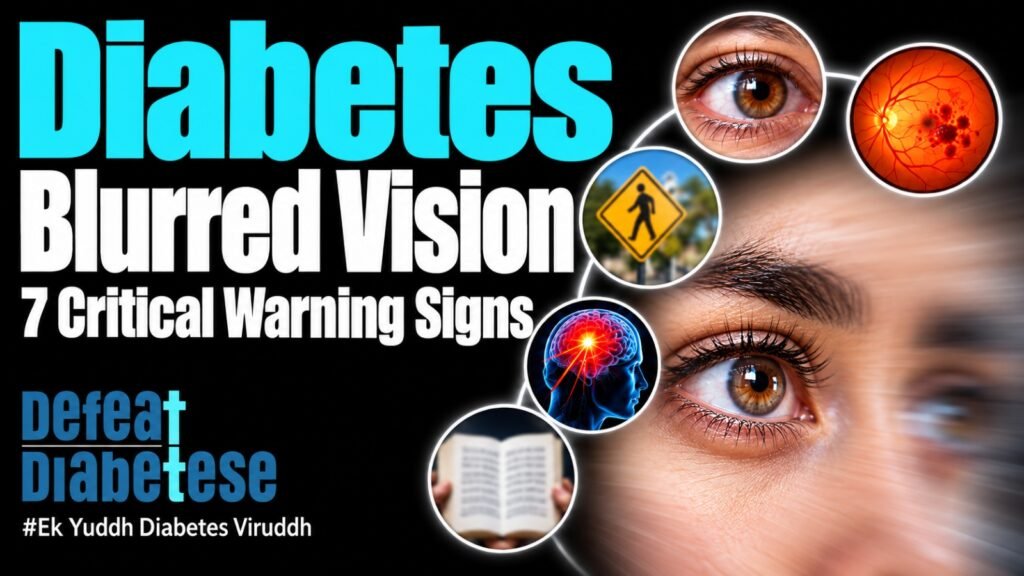
Diabetes Blurred Vision: 7 Critical Warning Signs

How Does Diabetes Cause Blurred Vision? 7 Warning Signs You Should Never Ignore Diabetes blurred vision is a common concern among people living with high blood sugar levels. Have you ever noticed that your eyesight suddenly becomes unclear, objects look hazy, or reading becomes difficult? These changes may sometimes be related to fluctuations in blood glucose. Many people associate diabetes with frequent urination, excessive thirst, or fatigue. However, diabetes can also affect eye health, sometimes even before a person realizes that their blood sugar levels are elevated. Your eyes contain delicate structures, including the lens, retina, and tiny blood vessels, that help you see clearly. When blood sugar levels remain high or fluctuate significantly, these structures may be affected, resulting in temporary blurred vision or more serious eye complications. The important thing to understand is that not every episode of blurry vision means permanent eye damage. Some changes are temporary, while others require timely diagnosis and treatment. In this comprehensive guide from Defeat Diabetese, we explore how diabetes causes blurred vision, seven important warning signs, possible eye complications, available treatments, and practical ways to protect your eyesight. What Is Diabetes Blurred Vision? Diabetes blurred vision refers to reduced visual clarity that may occur when diabetes affects the eyes. A person experiencing blurred vision may find that objects appear out of focus, written words become difficult to read, or distant objects look less sharp than usual. This problem may affect one eye or both eyes, depending on its underlying cause. Some people notice changes in their eyesight when their blood sugar is unusually high. Others develop vision problems gradually because of diabetes-related eye diseases. It is important to distinguish between temporary changes in focusing and structural damage to the eye. Temporary blurred vision may improve when blood glucose becomes more stable. However, conditions such as diabetic retinopathy and diabetic macular edema may require specialized eye treatment. Because blurred vision can have many causes unrelated to diabetes, new or persistent symptoms should always be evaluated by a qualified eye care professional. How Does Diabetes Cause Blurred Vision? To understand the relationship between diabetes and blurry vision, it helps to understand how blood glucose affects different parts of the eye. 1. High Blood Sugar Changes Fluid Levels in the Eye When blood glucose levels rise significantly, fluid balance within the eye can change. The lens is responsible for helping focus light onto the retina. Changes in fluid levels can temporarily affect the lens and alter how clearly a person sees. As a result, someone with elevated blood sugar may experience difficulty focusing on nearby or distant objects. These changes may sometimes occur during adjustments to diabetes treatment as blood glucose levels shift. The good news is that this type of temporary focusing difficulty often improves when blood glucose stabilizes. However, vision changes should not automatically be assumed to be harmless. 2. Long-Term High Blood Sugar Damages Retinal Blood Vessels The retina is a light-sensitive layer located at the back of the eye. It contains tiny blood vessels that provide oxygen and nutrients to retinal tissues. When blood glucose remains elevated over time, these blood vessels can become damaged. Damaged vessels may leak fluid, swell, or become blocked. In advanced disease, abnormal new blood vessels may grow and bleed. These changes can interfere with the retina’s ability to process visual information correctly. This condition is known as diabetic retinopathy, one of the most important causes of diabetes-related vision loss. 3. Diabetes Can Cause Swelling in the Macula The macula is the central part of the retina responsible for sharp, detailed vision. It helps you perform everyday activities such as reading, recognizing faces, driving, and using a smartphone. Diabetes can damage retinal blood vessels, allowing fluid to leak into the macula. This condition is called diabetic macular edema. When the macula becomes swollen, central vision may become blurry or distorted. Without timely treatment, diabetic macular edema can lead to lasting visual impairment. 7 Warning Signs of Diabetes Blurred Vision Recognizing changes in your vision is an important part of diabetes management. The following warning signs may indicate blood glucose fluctuations or underlying eye disease. 1. Blurry Vision That Comes and Goes One of the earliest complaints associated with elevated blood sugar is fluctuating vision. You may notice that your eyesight appears clear on some days but blurry on others. These fluctuations can occur when changing glucose levels affect the eye’s focusing ability. For example, someone with poorly controlled blood sugar may experience difficulty reading small text or focusing on distant objects. Although temporary changes may improve as glucose levels stabilize, recurrent blurred vision deserves medical attention. An eye examination can help determine whether the problem is related to blood sugar fluctuations, refractive errors, or diabetic eye disease. 2. Difficulty Reading Small Text Have you noticed that reading newspapers, books, or mobile phone messages has become more challenging? Difficulty reading small letters may be caused by various eye conditions, including changes in focusing or diabetic macular edema. The macula provides the detailed central vision needed for reading. If diabetes-related fluid leakage affects this region, letters may appear blurry, distorted, or less defined. Sometimes people assume the problem is simply caused by aging or an outdated glasses prescription. However, when reading difficulties develop suddenly or progressively, an eye examination is important. 3. Dark Spots or Floating Shapes in Your Vision Seeing small dots, lines, or floating shapes in your vision may be a sign of an eye problem. These visual disturbances are commonly called floaters. Floaters can also occur naturally with aging and are not always related to diabetes. However, advanced diabetic retinopathy can cause fragile blood vessels to bleed into the vitreous, the gel-like substance inside the eye. This bleeding may produce dark spots or floating shadows. A sudden appearance of multiple floaters, especially with flashes of light or a shadow across your vision, requires urgent eye assessment because it may indicate retinal bleeding, a retinal tear, or retinal detachment. 4. Difficulty Seeing Clearly at

Diabetes Blurred Vision: 7 Critical Warning Signs Read More »
High HbA1c Health Risks: 7 Serious Diabetes Complications

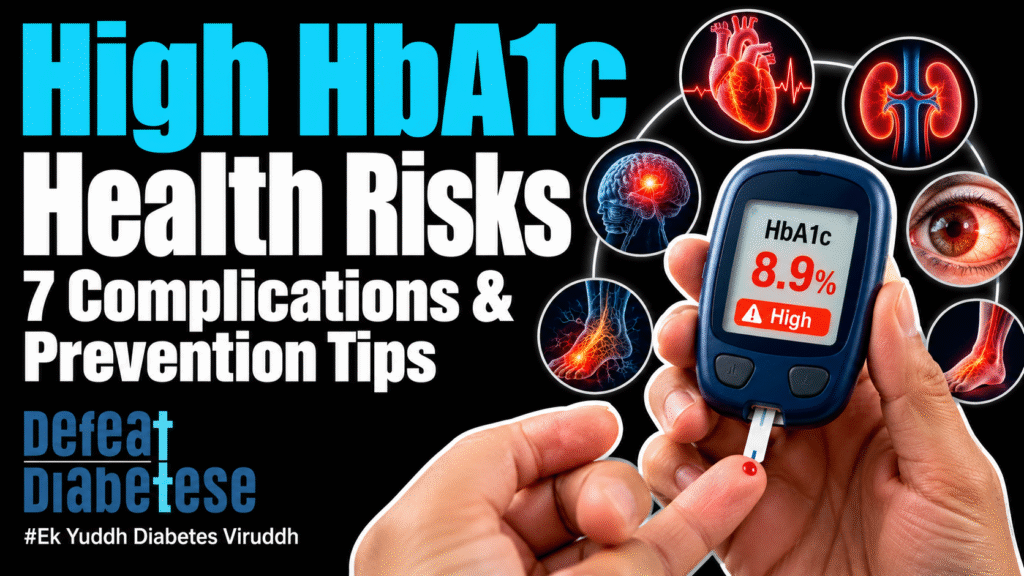
High HbA1c Health Risks: 7 Complications & Prevention Tips

High HbA1c Health Risks: 7 Serious Complications and Prevention Tips High HbA1c health risks are an important concern for people living with diabetes. When HbA1c levels remain above an individual’s recommended target, the risk of developing serious health complications can increase over time. Many people focus only on their daily blood sugar readings. However, the HbA1c test provides a broader picture of blood glucose management over the previous two to three months. Persistently high HbA1c levels may indicate prolonged exposure to elevated blood sugar, which can affect the heart, kidneys, eyes, nerves, and other parts of the body. Understanding the risks of high HbA1c and taking appropriate preventive steps can help support better long-term health. What Is HbA1c and Why Is It Important? HbA1c, also called glycated hemoglobin, is a blood test used to estimate your average blood glucose levels over approximately the past two to three months. Glucose attaches to hemoglobin, a protein found in red blood cells. The HbA1c test measures the percentage of hemoglobin with glucose attached. The higher the HbA1c percentage, the higher your estimated average blood glucose level has generally been. Unlike a single fasting or random blood sugar test, HbA1c provides information about longer-term glucose management. Understanding HbA1c Levels HbA1c Level General Interpretation Below 5.7% Normal range 5.7%–6.4% Prediabetes range 6.5% or higher Diabetes range Below 7% A common treatment goal for many nonpregnant adults with diabetes These diagnostic ranges are commonly used in clinical practice. A diabetes diagnosis generally requires confirmation unless clear symptoms and diagnostic glucose findings are present. Importantly, HbA1c treatment goals differ from diagnostic thresholds. Your healthcare professional may recommend a different target based on your age, medical conditions, pregnancy status, medications, and risk of low blood sugar. 7 Major High HbA1c Health Risks You Should Know High HbA1c levels are associated with an increased risk of several diabetes-related complications, especially when blood glucose remains elevated over an extended period. 1. Increased Risk of Heart Disease and Stroke One of the most serious high HbA1c health risks is cardiovascular disease. Persistently elevated blood glucose can contribute to blood vessel damage. Diabetes may also occur alongside high blood pressure and unhealthy cholesterol levels, further increasing cardiovascular risk. Possible complications include: Coronary artery disease Heart attack Stroke Peripheral artery disease Managing blood glucose, blood pressure, cholesterol, and other cardiovascular risk factors is essential. Regular physical activity, balanced nutrition, smoking cessation, and appropriate medical treatment can help protect cardiovascular health. 2. Kidney Damage and Diabetic Kidney Disease High HbA1c levels may indicate prolonged hyperglycemia, which can damage the small blood vessels involved in kidney filtration. Over time, this can contribute to diabetic kidney disease. Early kidney damage often develops without noticeable symptoms, making routine screening especially important. As kidney disease progresses, possible symptoms may include swelling, tiredness, and changes in urination. People with diabetes should discuss kidney function testing, including urine albumin and estimated glomerular filtration rate (eGFR), with their healthcare provider. Early detection and appropriate treatment can help slow kidney disease progression. 3. Vision Problems and Diabetic Retinopathy High blood sugar can damage the tiny blood vessels in the retina, the light-sensitive tissue at the back of the eye. This condition is called diabetic retinopathy. Possible vision-related complications include: Blurred or fluctuating vision Diabetic retinopathy Diabetic macular edema Cataracts Vision loss in advanced cases Diabetic eye disease may develop without early warning signs. Regular comprehensive dilated eye examinations are therefore important, even when vision appears normal. Better glucose management and appropriate treatment can help reduce the risk of diabetes-related vision problems. 4. Nerve Damage and Diabetic Neuropathy Another important complication associated with persistently high HbA1c is diabetic neuropathy. Over time, elevated blood glucose can damage nerves, particularly those supplying the feet and legs. Common symptoms may include: Tingling sensations Burning pain Numbness in the feet Reduced sensitivity to temperature Muscle weakness Loss of sensation can make it difficult to notice minor cuts, blisters, or injuries. Regular foot examinations and appropriate blood glucose management are essential for reducing the risk of serious complications. 5. Diabetic Foot Ulcers and Infections Poor long-term blood glucose management can increase the likelihood of foot-related complications. Diabetic neuropathy may reduce sensation, while poor circulation can interfere with wound healing. Even a small injury may develop into a serious problem when it goes unnoticed or untreated. Potential complications include foot ulcers, infections, delayed wound healing, and, in severe cases, amputation. To protect foot health, people with diabetes should inspect their feet daily, wear properly fitting footwear, and seek prompt medical attention for sores, redness, swelling, or wounds. A foot wound that is worsening, particularly with fever or spreading redness, requires urgent medical assessment. 6. Increased Risk of Infections and Slow Wound Healing Persistently elevated blood glucose can interfere with immune function and the body’s ability to recover from injuries. People with poorly managed diabetes may experience certain infections more frequently or find that wounds take longer to heal. Common concerns include: Skin infections Urinary tract infections Gum infections Fungal infections Delayed wound healing Proper hygiene, regular dental care, wound care, and improved blood glucose management can help reduce these risks. Infections may also raise blood glucose levels, making diabetes management more challenging. 7. Increased Risk of Serious Hyperglycemia-Related Emergencies Very high blood glucose levels can sometimes lead to medical emergencies, particularly when combined with illness, dehydration, missed insulin, or other factors. These emergencies include diabetic ketoacidosis (DKA) and hyperosmolar hyperglycemic state (HHS). An elevated HbA1c does not diagnose either emergency, but it can indicate that overall glucose management requires attention. Warning signs can include: Excessive thirst Frequent urination Severe dehydration Nausea or vomiting Abdominal pain Rapid or deep breathing Confusion or unusual drowsiness Anyone experiencing symptoms of a serious hyperglycemic emergency should seek emergency medical care immediately. What Are the Symptoms of High HbA1c? High HbA1c itself does not produce specific symptoms. Instead, symptoms may occur because blood glucose levels have remained elevated. Common signs of hyperglycemia include: Frequent urination Increased thirst Unexplained weight loss Blurred vision Fatigue

High HbA1c Health Risks: 7 Complications & Prevention Tips Read More »

Why is diabetic foot dangerous and how to prevent diabetic foot complications

Why Is Diabetic Foot Dangerous? 7 Risks & Prevention Tips

Why Is Diabetic Foot Dangerous? 7 Risks Every Person With Diabetes Should Know A small blister. A minor cut. A wound that refuses to heal. For someone living with diabetes, these seemingly minor foot problems can sometimes develop into serious medical complications. Why is diabetic foot dangerous? The answer lies in how diabetes can damage nerves, reduce blood circulation and make wounds harder to heal. Without timely treatment, a small injury may progress into a diabetic foot ulcer, a severe infection or, in advanced cases, gangrene and amputation. The good news is that many diabetes-related foot complications can be prevented or treated early with proper foot care, blood sugar control and regular medical check-ups. In this guide, we explain the causes, warning signs, complications and prevention strategies every person with diabetes should understand. What Is Diabetic Foot? Diabetic foot refers to foot problems that develop as a complication of diabetes. These problems can include nerve damage, poor circulation, skin infections, foot ulcers and changes in foot structure. Over time, persistently high blood sugar levels can damage the nerves and blood vessels responsible for keeping your feet healthy. This can create two major problems: Reduced sensation: You may not feel a cut, blister, burn or injury. Poor circulation: Your body may struggle to deliver enough blood to the affected area, slowing the healing process. When these problems occur together, even a small foot injury can become serious if it is not identified and treated promptly. Why Is Diabetic Foot Dangerous? Diabetic foot is dangerous because a minor injury can progress into a wound, infection and tissue damage without obvious early warning signs. Here are seven important risks associated with diabetic foot complications. 1. Nerve Damage Can Hide Serious Injuries One of the major causes of diabetic foot problems is diabetic peripheral neuropathy. This condition develops when diabetes damages the nerves, particularly those in the feet and legs. As a result, you may experience: Numbness or reduced sensation in your feet. Tingling or burning sensations. Difficulty detecting pain, heat or cold. Reduced awareness of cuts, blisters and other injuries. Imagine walking with a small stone inside your shoe. Normally, discomfort would alert you to remove it. However, if diabetes has damaged the nerves in your feet, you might not feel the stone at all. Repeated pressure or friction can then damage the skin and create an ulcer. That is why people with diabetes should inspect their feet every day, even when they feel completely normal. 2. Poor Blood Circulation Can Delay Wound Healing Diabetes can contribute to blood vessel damage and peripheral artery disease, reducing blood flow to the legs and feet. Healthy blood circulation helps deliver oxygen and nutrients that tissues need to heal. When circulation is reduced, a wound may take longer to heal. Poor blood supply can also make it harder for the body to fight infections. This means that a small cut, cracked heel or blister may require medical attention rather than being ignored. People who have diabetes along with circulation problems need particular care and regular medical assessment. 3. Minor Injuries Can Develop Into Diabetic Foot Ulcers A diabetic foot ulcer is an open sore or wound, often occurring on the sole of the foot, toes or other pressure-bearing areas. Foot ulcers may develop because of: Cuts and blisters. Poorly fitting footwear. Repeated pressure on one area. Calluses and thickened skin. Reduced sensation caused by nerve damage. Poor circulation. The danger is that an ulcer may continue to worsen if pressure remains on the affected area or treatment is delayed. An untreated wound can become deeper and involve underlying tissues. Never ignore a persistent sore or open wound on your foot if you have diabetes. Seek medical assessment promptly. 4. Foot Infections Can Become Severe An open wound creates an opportunity for bacteria to enter the skin and underlying tissues. In people with diabetes, nerve damage, poor circulation and difficulties maintaining blood glucose within the recommended range can complicate wound healing and infection management. Warning signs of a possible foot infection include: Increasing redness or swelling. Warmth around the affected area. Pus or unusual discharge. An unpleasant smell from a wound. Increasing pain or tenderness. Fever or feeling generally unwell. Importantly, nerve damage may reduce pain, so the absence of pain does not rule out a serious problem. A suspected infection requires prompt medical evaluation. Severe or rapidly worsening symptoms require emergency medical care. 5. Severe Cases Can Lead to Gangrene Gangrene occurs when body tissue dies, often because of severely reduced blood supply, a serious infection or a combination of both. In diabetes-related foot disease, untreated ulcers and severe circulation problems can increase the risk of tissue damage. Possible warning signs include: Black, purple or unusually dark tissue. Significant changes in skin colour. Severe swelling. A wound that is deteriorating. Signs of a serious infection. These symptoms require urgent medical assessment. Gangrene is a serious condition that may require surgery, antibiotics when infection is present, procedures to restore blood flow or removal of damaged tissue. Early recognition and appropriate treatment can help reduce the risk of further complications. 6. Advanced Diabetic Foot Disease Can Lead to Amputation Amputation is one of the most serious potential consequences of advanced diabetic foot disease. It may become necessary when severe infection, gangrene or irreversible tissue damage cannot be managed adequately with other treatments. Amputation is not an inevitable outcome of diabetes. However, delayed diagnosis and treatment of serious foot problems can increase the risk. Early wound assessment, appropriate treatment, blood sugar management and regular foot examinations can help reduce the likelihood of severe complications. The key lesson is simple: do not wait for a small foot problem to become painful before seeking help. 7. Foot Complications Can Affect Mobility and Quality of Life Diabetic foot problems affect more than physical health. Persistent ulcers, infections and foot deformities

Why Is Diabetic Foot Dangerous? 7 Risks & Prevention Tips Read More »

loader

Doctor Partnership

Reach us

1
Scan the code