
Protein and Diabetes: What You Need to Know for Metabolic Reversal
In the world of Diabetes Treatment in India, we are obsessed with “Sugar.” We count calories and cut carbs, but we often ignore the most powerful macronutrient in our metabolic toolkit: Protein. In my 30 years of clinical practice, I have seen that patients who optimize their protein intake achieve Type 2 Diabetes Reversal significantly faster than those who don’t. But why? Is it just about satiety, or is there a deeper cellular reason? To win this ek yuddh diabetese viruddh, we must look beyond the plate and into the pancreas. Our Vision 2040 to impact 10 million lives depends on this scientific clarity.
1. The Incretin Effect: How Protein Prepares Your Pancreas
Research shows that when you consume protein before carbohydrates, your gut releases hormones called Incretins (GLP-1 and GIP).
-
The Science: These hormones signal the pancreas to start producing insulin before the sugar even hits the bloodstream.
-
The Result: A study published in Diabetes Care found that consuming whey protein before a high-carb meal reduced post-meal glucose spikes by up to 28%.

2. Gluconeogenesis: The Myth of “Protein Turning into Sugar”
Many patients fear that “excess protein turns into sugar.” While the body can convert protein to glucose via Gluconeogenesis, this process is extremely slow and stable.
-
The Reality: Unlike the rapid spike of white rice, protein-derived glucose enters the blood at a “trickle.”
-
Clinical Insight: At DEFEAT DIABETESE, we have observed that high-protein diets lead to a more stable HbA1c because they eliminate the “Glucose Rollercoaster.”
3. Muscles as “Metabolic Sinks“
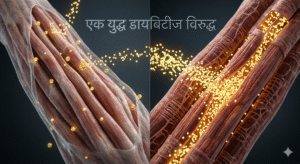
This is the core of Protein and Diabetes. Your skeletal muscles are responsible for nearly 80% of post-meal glucose disposal.
-
The Problem: As we age (Sarcopenia) or remain sedentary, our “muscle sponges” shrink.
-
The Solution: High-quality protein combined with resistance training builds muscle mass. More muscle means your body has a larger “sink” to pour excess sugar into, directly reversing insulin resistance.
4. The “Indian Protein Gap” and Reversal Success
Most Indian diets are chronically protein-deficient (averaging only 0.6g per kg of body weight). To achieve Type 2 Diabetes Reversal, we need to close this gap.
-
Animal vs. Plant: While lean meats are great, Indian favorites like Paneer, Soya, and Dal (when paired correctly) can be equally effective.
-
The Whey Secret: Clinical trials have shown that even 15-20g of whey protein before breakfast can improve insulin sensitivity throughout the day.
5. Protein and Kidney Health: Fact-Checking the Fear
One of the biggest hurdles in Diabetes Treatment in India is the fear that protein damages kidneys.
-
The Research: According to the American Journal of Kidney Diseases, high protein intake does not harm kidney function in individuals who do not already have advanced chronic kidney disease (CKD).
-
Our Protocol: At DEFEAT DIABETESE, we use your Unified Website Dashboard to track your eGFR (Kidney Function) before prescribing high-protein reversal plans, ensuring 100% safety.
6. The “Second Meal Effect”
This is a breakthrough in Protein and Diabetes research. Eating a high-protein breakfast doesn’t just help your morning sugar; it improves your body’s glucose response to Lunch as well. This “carry-over” effect is a game-changer for long-term management and reaching our Vision 2040 targets.
7. Actionable Steps: The Defeat Diabetese “Protein Protocol”
To win this war, follow these three rules:
-
Sequence Matters: Eat your protein (Dal, Paneer, Egg) before your roti.
-
The 25g Rule: Aim for at least 25g of protein in your first meal of the day.
-
Track the Trend: Log your meals on our Unified Website Dashboard to see which protein source works best for your unique biology.
Frequently Asked Questions (FAQs)
Q1: Can protein cause insulin spikes?
Protein does stimulate a small insulin response, but it also stimulates Glucagon, which prevents your sugar from dropping too low. This creates a “Metabolic Balance” that carbs alone cannot provide.
Q2: Is Soya safe for diabetic men?
Yes. Modern research has debunked myths about soya and hormones. It remains one of the best plant-based Protein and Diabetes tools for reversal.
Q3: How much protein should a diabetic eat?
Typically 1.2g to 1.5g per kg of ideal body weight for reversal, but this must be medically supervised.
Conclusion: Build Strength, Defeat Diabetes
Protein is not just a nutrient; it is a signal to your body that it’s time to heal. By prioritizing Protein and Diabetes management, you are taking the most evidence-based step toward a medication-free life.
ek yuddh diabetese viruddh. Visit us: www.defeatdiabetese.com