Managing diabetes starts with knowing your blood sugar levels. Whether you have prediabetes, type 2 diabetes, or simply want to maintain optimal health, monitoring blood sugar at home is crucial. In this comprehensive guide, we’ll show you how to track your glucose levels accurately, understand the results, and use the data to make smarter lifestyle choices.
Tools You Need for Home Blood Sugar Monitoring
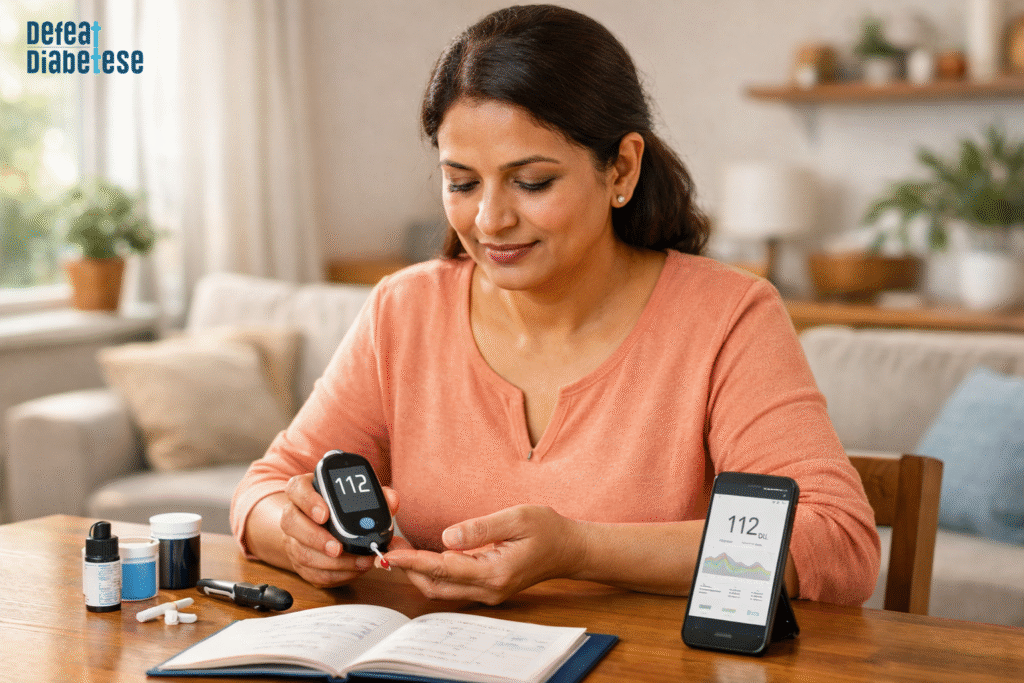
To monitor your blood sugar at home like a pro, you’ll need:
- Glucometer – Digital or smart glucometers are easy to use and provide accurate readings.
- Test Strips – Make sure the strips are compatible with your glucometer and not expired.
- Lancets – Small needles used for finger-pricking. Always use sterile, single-use lancets.
- Logbook or App – Record your readings to track patterns and trends.
Step-by-Step Guide to Checking Blood Sugar at Home
Step-by-Step Guide to Checking Blood Sugar at Home
- Prepare Your Equipment
Wash your hands thoroughly and ensure your glucometer, strips, and lancets are ready.
- Prick Your Finger
Use a new lancet each time to avoid infection. A small drop of blood is enough.
- Apply Blood to Test Strip
Insert the strip into your glucometer and apply the blood drop as instructed.
- Read Your Results
Most glucometers provide results in seconds. Record your reading in your logbook or app.
- Interpret Your Results
Understanding your numbers is key:
- Fasting blood sugar: 70–100 mg/dL (normal)
- Post-meal blood sugar: Less than 140 mg/dL (normal)
- Consult your doctor if your readings consistently exceed recommended levels.
For more insights on how your diet affects blood sugar, read our article on Indian Breakfast Foods That Spike Blood Sugar
Tips to Monitor Blood Sugar Effectively
- Check at the Same Time Daily – Helps track trends.
- Record Your Meals and Activity – Identify patterns between food, exercise, and glucose levels.
- Don’t Panic with Minor Fluctuations – Blood sugar naturally varies throughout the day.
- Maintain Your Equipment – Replace strips and batteries as needed for accurate readings.
- Use Continuous Glucose Monitors (CGMs) if recommended by your doctor for advanced tracking.
Common Mistakes to Avoid
- Skipping Hand Washing – Dirty fingers can give inaccurate readings.
- Reusing Lancets – Increases infection risk.
- Ignoring Patterns – One reading doesn’t tell the full story; consistent tracking matters.
- Over-Reliance on Glucometers – Consult your doctor regularly.
Benefits of Consistent Home Monitoring
- Early detection of hyperglycemia or hypoglycemia
- Better management of diabetes complications like kidney damage, heart disease, and neuropathy
- Motivation to stick to healthy eating habits and exercise routines
If you’ve noticed unusual sweating while sitting, it could be related to blood sugar fluctuations. Learn more in our article on Why Do I Sweat Excessively While Sitting?
Conclusion
Monitoring blood sugar at home is not just about numbers—it’s about taking control of your health. With the right tools, consistent tracking, and understanding of your results, you can prevent complications, manage diabetes effectively, and improve your quality of life.
Start today by setting up your home monitoring system, and combine it with healthy eating, exercise, and regular medical check-ups. For more guidance on prediabetes management, check our article Prediabetes in India: Symptoms, Risk Factors & Treatment
Remember, knowledge is power, and monitoring your blood sugar is the first step to defeating diabetes!