
Silent killer diabetes
- By Defeat Diabeteas
- At

Table of Contents
ToggleSilent killer diabetes
INTRODUCTION
Diabetes is often called a silent killer because it can silently damage your organs long before you notice any symptoms. Millions of people live with high blood sugar without realizing the serious complications it may cause. If left unmanaged, diabetes can harm your heart, kidneys, eyes, nerves, and liver.
In this article, we’ll explore how diabetes affects your body, the warning signs to watch for, and how a certified diabetologist can help you manage your condition through online consultation from the comfort of your home.
Why Diabetes Is Called a Silent Killer
Many people think diabetes shows obvious signs, like frequent urination or extreme thirst. However, Type 2 diabetes often develops gradually, and by the time symptoms appear, organs may already be damaged. During this silent phase:
- Blood sugar spikes quietly damage blood vessels.
- Organs like the heart, kidneys, and eyes weaken slowly.
- Minor symptoms, like fatigue or tingling in hands and feet, are often ignored.
Early detection is essential. Ignoring diabetes is like ignoring a ticking time bomb in your body.
How Diabetes Affects Your Organs
1. Heart – The Silent Victim
High blood sugar damages blood vessels and nerves controlling the heart. This increases the risk of:
- Heart attack and stroke due to plaque buildup in arteries
- High blood pressure from stiffened arteries
- Heart failure from chronic strain
Warning Signs: Shortness of breath, chest discomfort, irregular heartbeat, fatigue.
Prevention: Maintain a healthy lifestyle, monitor blood sugar regularly, and consult a diabetologist even through online consultation.
2. Kidneys – Filtering Under Pressure
Diabetes is a leading cause of kidney disease. High glucose strains the kidneys, causing:
- Diabetic nephropathy (damage to kidney blood vessels)
- Proteinuria (excess protein in urine)
- Chronic kidney disease (CKD) and possible kidney failure
Warning Signs: Swelling in hands and feet, fatigue, frequent urination, foamy urine.
Prevention: Stay hydrated, maintain blood sugar, and consult your diabetologist. Learn more about diabetes in young adults in India
3. Eyes – Vision at Risk
High blood sugar damages retinal blood vessels, leading to diabetic retinopathy. Other complications include:
- Cataracts (clouding of the lens)
- Glaucoma (optic nerve damage)
- Permanent vision loss if untreated
Warning Signs: Blurry vision, dark spots, difficulty reading or seeing at night.
Prevention: Annual eye exams, blood sugar control, and timely guidance from a diabetologist. For diet-related advice, check out Indian breakfast foods that spike blood sugar
.
4. Nerves – Tingling and Pain
Diabetic neuropathy damages nerves, especially in hands and feet, causing:
- Tingling, numbness, or burning sensations
- Reduced ability to feel pain, increasing injury risk
- Digestive issues (gastroparesis) and sexual dysfunction
Warning Signs: Persistent tingling, pain, slow-healing wounds. Learn more about slow-healing wounds in diabetes and burning feet and diabetes
Prevention: Control blood sugar, inspect feet daily, and consult a diabetologist, including via online consultation.
5. Liver – Hidden Fat Accumulation
High sugar and insulin resistance can cause non-alcoholic fatty liver disease (NAFLD), leading to liver inflammation and cirrhosis. Effects include:
- Fat buildup in liver cells
- Impaired metabolism of fats and sugars
- Increased risk of cardiovascular complications
Warning Signs: Fatigue, abdominal discomfort, unexplained weight loss, jaundice in severe cases.
Prevention: Maintain a healthy diet, exercise regularly, and schedule liver function monitoring with your diabetologist.
How Online Consultation Can Help
Managing diabetes doesn’t always require hospital visits. With online consultation, you can:
- Monitor blood sugar from home
- Get personalized diet and lifestyle guidance
- Detect complications early
- Adjust medications safely under professional supervision
Consult a certified diabetologist online today to prevent serious complications and protect your organs. For more insights, check our post on what is diabetic foot in India
and world diabetes day awareness.
Conclusion
Take Control Before It’s Too Late
Diabetes may be silent, but its consequences are not. Regular monitoring, healthy habits, and online consultation with a diabetologist can protect your organs and improve quality of life. Don’t wait for symptoms to appear take action today.
Frequently Asked Questions
The most commonly affected organs include the heart, kidneys, eyes, nerves, and liver. Long-term uncontrolled diabetes increases the risk of damage to all these organs.
Diabetes increases the risk of heart attack, stroke, and high blood pressure by damaging blood vessels and causing plaque buildup in arteries.
Diabetic kidney disease, also known as diabetic nephropathy, occurs when high blood sugar damages kidney blood vessels, leading to protein leakage in urine and, in severe cases, kidney failure.
Yes. Diabetes can lead to diabetic retinopathy, cataracts, and glaucoma, which may cause blurred vision or permanent vision loss if not treated early.
Diabetes can cause diabetic neuropathy, leading to tingling, numbness, burning feet, pain, and slow-healing wounds, especially in the hands and feet.
Share:
Tags:
- blood sugar control, burning feet diabetes, chronic diabetes complications, consult diabetologist online, defeat diabetes, Diabetes, Diabetes Awareness, diabetes complications, diabetes diet tips, diabetes education, diabetes health checkup, diabetes in India, Diabetes Management, diabetes organ damage, diabetes patient care, Diabetes Prevention, Diabetes Symptoms, diabetes treatment online, diabetes without symptoms, diabetic foot india, diabetic kidney disease, diabetic nephropathy, diabetic neuropathy, diabetic retinopathy, diabetologist online, early signs of diabetes, fatty liver and diabetes, heart disease and diabetes, high blood sugar effects, how diabetes affects organs, Lifestyle Changes for Diabetes, online consultation for diabetes, online diabetes care, silent killer diabetes, slow healing wounds diabetes, type 2 diabetes, world diabetes day
Related Posts
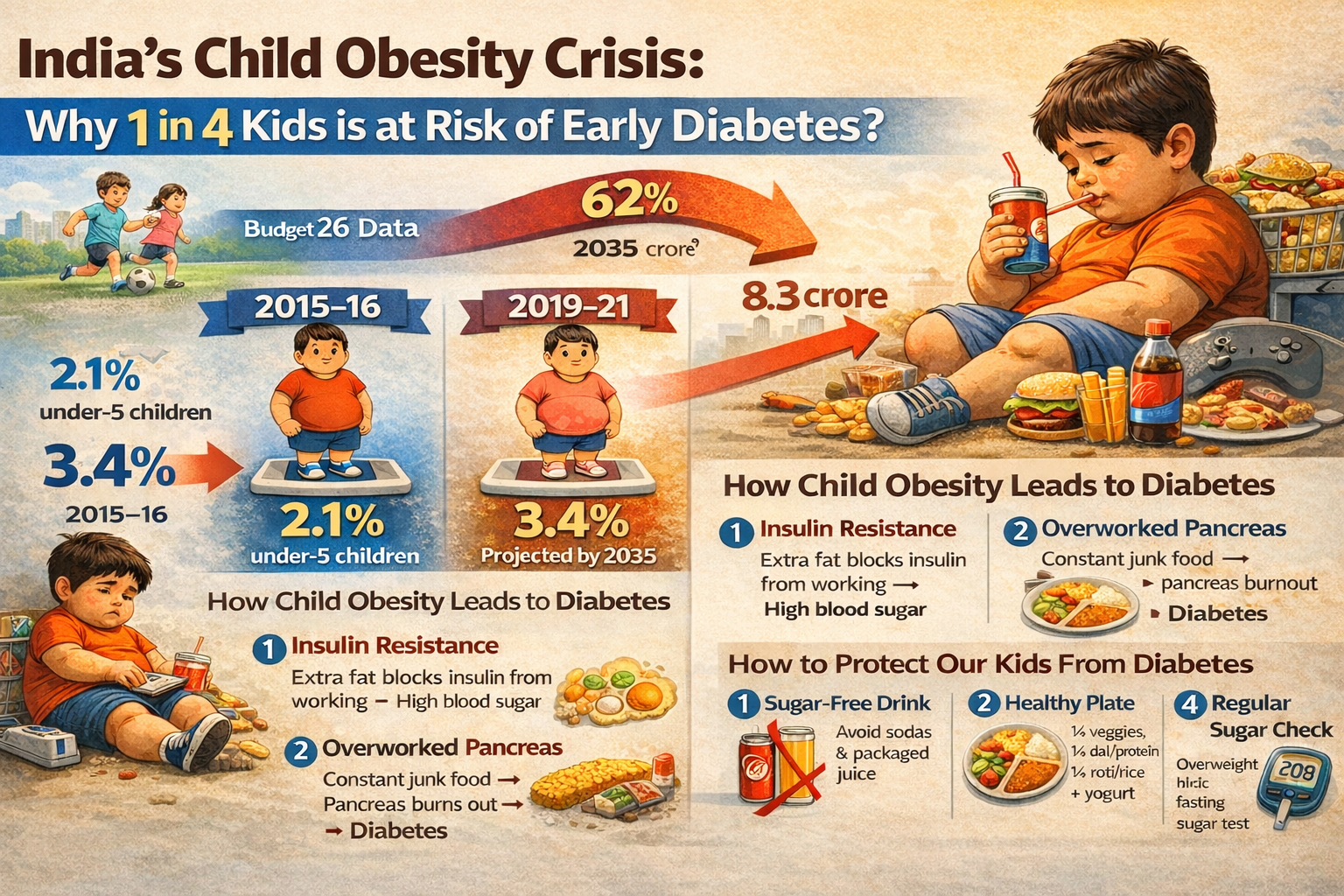
India’s Child Obesity Crisis: Why 1 in 4 Kids is at Risk of Early Diabetes? India ki growth story tab...
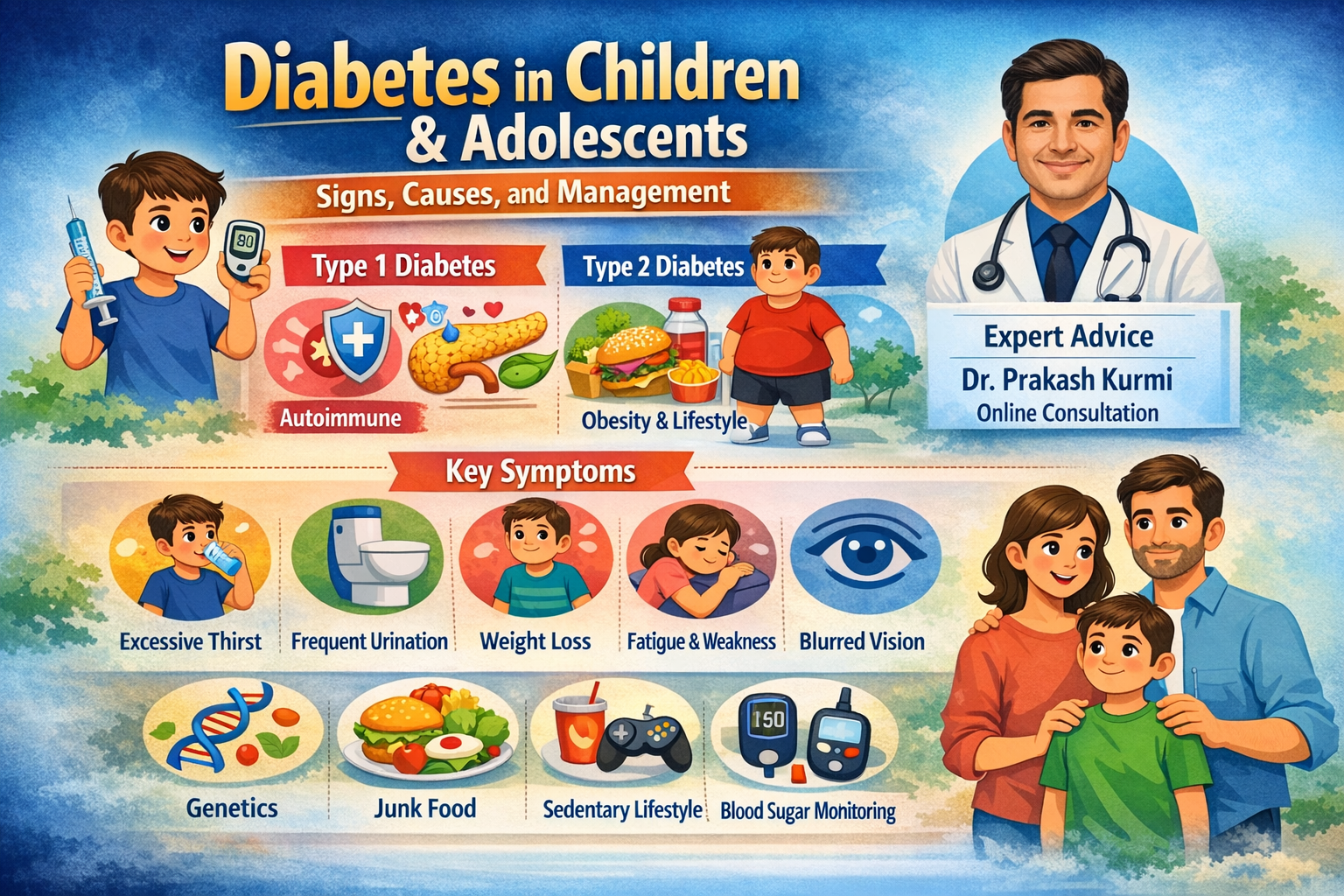
Diabetes in Children and Adolescents: 5 Signs, Causes, and Management Aaj ke daur mein Diabetes in Children and Adolescents...
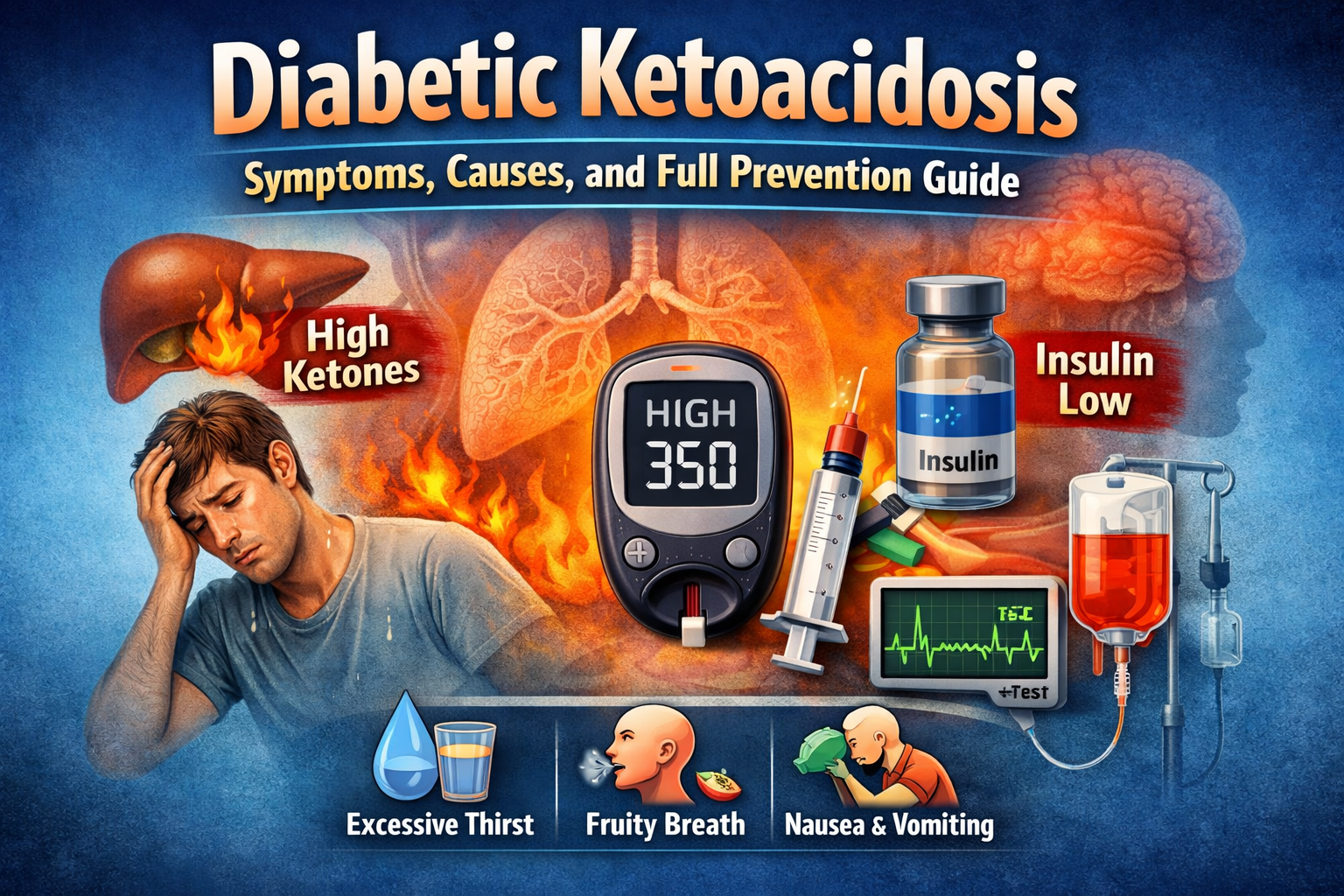
Diabetic Ketoacidosis: Symptoms, Causes, and Full Prevention Guide Diabetic Ketoacidosis (DKA) is a serious and life-threatening complication that primarily affects...

Diabetic Foot Care Tips: 7 Proven Ways to Prevent Complications Diabetes sirf blood sugar ki bimari nahi hai, balki ye...