High HbA1c Health Risks: 7 Serious Complications and Prevention Tips
High HbA1c health risks are an important concern for people living with diabetes. When HbA1c levels remain above an individual’s recommended target, the risk of developing serious health complications can increase over time.
Many people focus only on their daily blood sugar readings. However, the HbA1c test provides a broader picture of blood glucose management over the previous two to three months.
Persistently high HbA1c levels may indicate prolonged exposure to elevated blood sugar, which can affect the heart, kidneys, eyes, nerves, and other parts of the body.
Understanding the risks of high HbA1c and taking appropriate preventive steps can help support better long-term health.
What Is HbA1c and Why Is It Important?
HbA1c, also called glycated hemoglobin, is a blood test used to estimate your average blood glucose levels over approximately the past two to three months.
Glucose attaches to hemoglobin, a protein found in red blood cells. The HbA1c test measures the percentage of hemoglobin with glucose attached.
The higher the HbA1c percentage, the higher your estimated average blood glucose level has generally been.
Unlike a single fasting or random blood sugar test, HbA1c provides information about longer-term glucose management.
Understanding HbA1c Levels
| HbA1c Level | General Interpretation |
|---|---|
| Below 5.7% | Normal range |
| 5.7%–6.4% | Prediabetes range |
| 6.5% or higher | Diabetes range |
| Below 7% | A common treatment goal for many nonpregnant adults with diabetes |
These diagnostic ranges are commonly used in clinical practice. A diabetes diagnosis generally requires confirmation unless clear symptoms and diagnostic glucose findings are present.
Importantly, HbA1c treatment goals differ from diagnostic thresholds. Your healthcare professional may recommend a different target based on your age, medical conditions, pregnancy status, medications, and risk of low blood sugar.
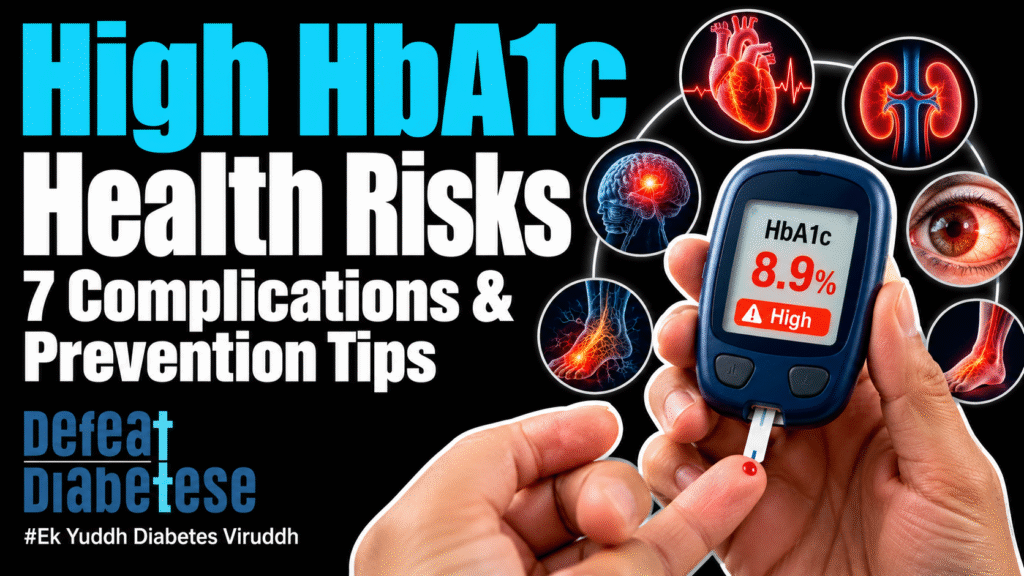
7 Major High HbA1c Health Risks You Should Know
High HbA1c levels are associated with an increased risk of several diabetes-related complications, especially when blood glucose remains elevated over an extended period.
1. Increased Risk of Heart Disease and Stroke
One of the most serious high HbA1c health risks is cardiovascular disease.
Persistently elevated blood glucose can contribute to blood vessel damage. Diabetes may also occur alongside high blood pressure and unhealthy cholesterol levels, further increasing cardiovascular risk.
Possible complications include:
- Coronary artery disease
- Heart attack
- Stroke
- Peripheral artery disease
Managing blood glucose, blood pressure, cholesterol, and other cardiovascular risk factors is essential.
Regular physical activity, balanced nutrition, smoking cessation, and appropriate medical treatment can help protect cardiovascular health.
2. Kidney Damage and Diabetic Kidney Disease
High HbA1c levels may indicate prolonged hyperglycemia, which can damage the small blood vessels involved in kidney filtration.
Over time, this can contribute to diabetic kidney disease.
Early kidney damage often develops without noticeable symptoms, making routine screening especially important.
As kidney disease progresses, possible symptoms may include swelling, tiredness, and changes in urination.
People with diabetes should discuss kidney function testing, including urine albumin and estimated glomerular filtration rate (eGFR), with their healthcare provider.
Early detection and appropriate treatment can help slow kidney disease progression.
3. Vision Problems and Diabetic Retinopathy
High blood sugar can damage the tiny blood vessels in the retina, the light-sensitive tissue at the back of the eye.
This condition is called diabetic retinopathy.
Possible vision-related complications include:
- Blurred or fluctuating vision
- Diabetic retinopathy
- Diabetic macular edema
- Cataracts
- Vision loss in advanced cases
Diabetic eye disease may develop without early warning signs.
Regular comprehensive dilated eye examinations are therefore important, even when vision appears normal.
Better glucose management and appropriate treatment can help reduce the risk of diabetes-related vision problems.
4. Nerve Damage and Diabetic Neuropathy
Another important complication associated with persistently high HbA1c is diabetic neuropathy.
Over time, elevated blood glucose can damage nerves, particularly those supplying the feet and legs.
Common symptoms may include:
- Tingling sensations
- Burning pain
- Numbness in the feet
- Reduced sensitivity to temperature
- Muscle weakness
Loss of sensation can make it difficult to notice minor cuts, blisters, or injuries.
Regular foot examinations and appropriate blood glucose management are essential for reducing the risk of serious complications.
5. Diabetic Foot Ulcers and Infections
Poor long-term blood glucose management can increase the likelihood of foot-related complications.
Diabetic neuropathy may reduce sensation, while poor circulation can interfere with wound healing.
Even a small injury may develop into a serious problem when it goes unnoticed or untreated.
Potential complications include foot ulcers, infections, delayed wound healing, and, in severe cases, amputation.
To protect foot health, people with diabetes should inspect their feet daily, wear properly fitting footwear, and seek prompt medical attention for sores, redness, swelling, or wounds.
A foot wound that is worsening, particularly with fever or spreading redness, requires urgent medical assessment.
6. Increased Risk of Infections and Slow Wound Healing
Persistently elevated blood glucose can interfere with immune function and the body’s ability to recover from injuries.
People with poorly managed diabetes may experience certain infections more frequently or find that wounds take longer to heal.
Common concerns include:
- Skin infections
- Urinary tract infections
- Gum infections
- Fungal infections
- Delayed wound healing
Proper hygiene, regular dental care, wound care, and improved blood glucose management can help reduce these risks.
Infections may also raise blood glucose levels, making diabetes management more challenging.
7. Increased Risk of Serious Hyperglycemia-Related Emergencies
Very high blood glucose levels can sometimes lead to medical emergencies, particularly when combined with illness, dehydration, missed insulin, or other factors.
These emergencies include diabetic ketoacidosis (DKA) and hyperosmolar hyperglycemic state (HHS).
An elevated HbA1c does not diagnose either emergency, but it can indicate that overall glucose management requires attention.
Warning signs can include:
- Excessive thirst
- Frequent urination
- Severe dehydration
- Nausea or vomiting
- Abdominal pain
- Rapid or deep breathing
- Confusion or unusual drowsiness
Anyone experiencing symptoms of a serious hyperglycemic emergency should seek emergency medical care immediately.
What Are the Symptoms of High HbA1c?
High HbA1c itself does not produce specific symptoms. Instead, symptoms may occur because blood glucose levels have remained elevated.
Common signs of hyperglycemia include:
- Frequent urination
- Increased thirst
- Unexplained weight loss
- Blurred vision
- Fatigue
- Increased hunger
- Slow-healing wounds
Some people experience no obvious symptoms, even when their HbA1c is significantly elevated.
This is why routine testing and follow-up are important.
What Causes High HbA1c Levels?
Several factors can contribute to persistently elevated blood glucose and, consequently, increased HbA1c.
These include:
1. Diabetes that is not adequately controlled: An existing treatment plan may no longer meet the body’s needs.
2. Inconsistent medication use: Missing prescribed diabetes medications can lead to higher blood glucose levels.
3. Dietary patterns: Frequent consumption of large portions of refined carbohydrates and sugary beverages may make glucose management more difficult.
4. Limited physical activity: Physical inactivity can reduce insulin sensitivity.
5. Stress and insufficient sleep: Both can affect blood glucose regulation.
6. Illness and certain medications: Infections, corticosteroids, and other treatments may increase blood sugar.
Some medical conditions, including iron-deficiency anemia and certain blood disorders, can also affect HbA1c accuracy. If your HbA1c does not match your glucose readings, your healthcare provider may recommend additional testing.
How to Manage High HbA1c and Reduce Health Risks
Managing high HbA1c requires a combination of appropriate medical care, lifestyle changes, and consistent monitoring.
1. Follow a Balanced Diabetes-Friendly Diet
A nutritious diet can support blood glucose management.
Choose appropriate portions of vegetables, whole grains, pulses, lean protein, and healthy fats.
Limit sugary beverages and highly processed foods. A registered dietitian can help create an individualized meal plan.
2. Stay Physically Active
Regular physical activity can improve insulin sensitivity and support better blood glucose management.
Many adults with diabetes may benefit from approximately 150 minutes of moderate-intensity aerobic exercise each week, depending on their health and medical guidance.
Walking, cycling, and swimming are useful options.
People with diabetes complications or those using glucose-lowering medications should discuss suitable activity plans and precautions with their healthcare provider.
3. Take Prescribed Diabetes Medication Regularly
Medication adherence is an important part of diabetes management.
Some individuals may need adjustments to their treatment when HbA1c remains above target.
Never discontinue insulin or other prescribed medications without consulting your healthcare professional.
4. Monitor Blood Glucose and HbA1c
Regular monitoring can help identify blood sugar patterns and evaluate treatment effectiveness.
Many people with diabetes have HbA1c checked at least twice yearly.
More frequent testing may be recommended when treatment changes or glucose goals are not being achieved.
Home glucose monitoring or continuous glucose monitoring may also be helpful, depending on the treatment plan.
5. Manage Stress and Sleep
Stress, inadequate sleep, and irregular daily routines can make diabetes management more difficult.
Aim for consistent sleep habits, appropriate physical activity, and practical stress-management techniques.
6. Attend Regular Health Checkups
Diabetes care involves more than glucose monitoring.
Regular assessments may include:
- Blood pressure measurements
- Cholesterol evaluation
- Kidney function tests
- Dilated eye examinations
- Comprehensive foot examinations
- Medication and treatment reviews
These evaluations can help identify complications before they become severe.
How Long Does It Take to Improve HbA1c?
HbA1c reflects average blood glucose levels over approximately two to three months.
Therefore, meaningful improvements may become evident over several weeks, with a clearer assessment often possible after about three months.
The rate of improvement depends on factors such as baseline glucose levels, medication response, nutritional changes, and physical activity.
Lowering HbA1c should be approached safely. Rapid treatment changes without medical supervision can increase the risk of hypoglycemia.
Frequently Asked Questions About High HbA1c Health Risks
1. Is an HbA1c of 8% dangerous?
An HbA1c of 8% is above the usual treatment goal for many nonpregnant adults with diabetes. It may indicate an increased long-term risk of complications, but the appropriate target depends on individual circumstances. Discuss the result with your healthcare provider.
2. Can high HbA1c cause permanent damage?
Persistently elevated blood glucose can contribute to long-term complications affecting nerves, eyes, kidneys, and blood vessels. Some damage may be irreversible, making prevention, screening, and early treatment especially important.High HbA1c Health Risks
3. Can HbA1c be reduced naturally?
Healthy eating, regular physical activity, adequate sleep, and weight management when appropriate may help improve HbA1c. However, many people also need medication. Lifestyle changes should complement rather than replace prescribed treatment.
4. What is a healthy HbA1c level for someone with diabetes?
For many nonpregnant adults with diabetes, a common HbA1c goal is below 7%. Some people may benefit from a lower or higher individualized target.High HbA1c Health Risks
5. Can high HbA1c affect the heart?
Yes. Persistently elevated blood glucose is associated with cardiovascular complications. Managing blood glucose alongside blood pressure, cholesterol, and smoking-related risks is important.High HbA1c Health Risks
6. How often should HbA1c be tested?
Many people with diabetes should have their HbA1c measured at least twice per year. Testing may be needed approximately every three months when treatment changes or glycemic targets are not being met.High HbA1c Health Risks
Conclusion
Understanding high HbA1c health risks is essential for preventing long-term diabetes complications.
Persistently elevated HbA1c can indicate prolonged hyperglycemia, which increases the risk of heart disease, kidney damage, vision problems, nerve damage, and serious foot complications.High HbA1c Health RisksHigh HbA1c Health Risks
However, a high HbA1c result is not a reason to lose hope. It is an opportunity to review your diabetes management plan with a qualified healthcare professional.High HbA1c Health RisksHigh HbA1c Health RisksHigh HbA1c Health Risks
Consistent monitoring, balanced nutrition, regular activity, appropriate medication, and routine medical examinations can help improve long-term outcomes.High HbA1c Health RisksHigh HbA1c Health RisksHigh HbA1c Health Risks
At Defeat Diabetese, we believe that better diabetes awareness, timely medical guidance, and sustainable lifestyle changes can empower people to take meaningful steps towards healthier lives.
Take the first step towards better diabetes management by discussing your HbA1c results and personal treatment goals with a qualified healthcare professional.High HbA1c Health Risks
Medical Disclaimer: This article is intended for general educational purposes and does not replace professional medical advice, diagnosis, or treatment. Always consult a qualified healthcare professional before changing your diabetes treatment plan.High HbA1c Health Risks