
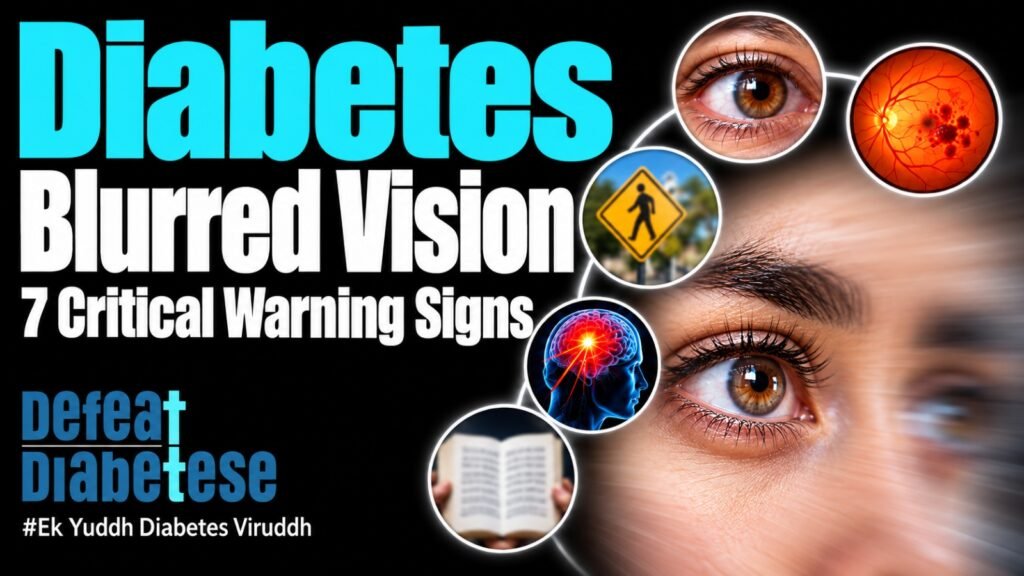
How Does Diabetes Cause Blurred Vision? 7 Warning Signs You Should Never Ignore
Diabetes blurred vision is a common concern among people living with high blood sugar levels. Have you ever noticed that your eyesight suddenly becomes unclear, objects look hazy, or reading becomes difficult? These changes may sometimes be related to fluctuations in blood glucose.
Many people associate diabetes with frequent urination, excessive thirst, or fatigue. However, diabetes can also affect eye health, sometimes even before a person realizes that their blood sugar levels are elevated.
Your eyes contain delicate structures, including the lens, retina, and tiny blood vessels, that help you see clearly. When blood sugar levels remain high or fluctuate significantly, these structures may be affected, resulting in temporary blurred vision or more serious eye complications.
The important thing to understand is that not every episode of blurry vision means permanent eye damage. Some changes are temporary, while others require timely diagnosis and treatment.
In this comprehensive guide from Defeat Diabetese, we explore how diabetes causes blurred vision, seven important warning signs, possible eye complications, available treatments, and practical ways to protect your eyesight.
What Is Diabetes Blurred Vision?
Diabetes blurred vision refers to reduced visual clarity that may occur when diabetes affects the eyes.
A person experiencing blurred vision may find that objects appear out of focus, written words become difficult to read, or distant objects look less sharp than usual.
This problem may affect one eye or both eyes, depending on its underlying cause.
Some people notice changes in their eyesight when their blood sugar is unusually high. Others develop vision problems gradually because of diabetes-related eye diseases.
It is important to distinguish between temporary changes in focusing and structural damage to the eye.
Temporary blurred vision may improve when blood glucose becomes more stable. However, conditions such as diabetic retinopathy and diabetic macular edema may require specialized eye treatment.
Because blurred vision can have many causes unrelated to diabetes, new or persistent symptoms should always be evaluated by a qualified eye care professional.
How Does Diabetes Cause Blurred Vision?
To understand the relationship between diabetes and blurry vision, it helps to understand how blood glucose affects different parts of the eye.
1. High Blood Sugar Changes Fluid Levels in the Eye
When blood glucose levels rise significantly, fluid balance within the eye can change.
The lens is responsible for helping focus light onto the retina. Changes in fluid levels can temporarily affect the lens and alter how clearly a person sees.
As a result, someone with elevated blood sugar may experience difficulty focusing on nearby or distant objects.
These changes may sometimes occur during adjustments to diabetes treatment as blood glucose levels shift.
The good news is that this type of temporary focusing difficulty often improves when blood glucose stabilizes.
However, vision changes should not automatically be assumed to be harmless.
2. Long-Term High Blood Sugar Damages Retinal Blood Vessels
The retina is a light-sensitive layer located at the back of the eye.
It contains tiny blood vessels that provide oxygen and nutrients to retinal tissues.
When blood glucose remains elevated over time, these blood vessels can become damaged.
Damaged vessels may leak fluid, swell, or become blocked. In advanced disease, abnormal new blood vessels may grow and bleed.
These changes can interfere with the retina’s ability to process visual information correctly.
This condition is known as diabetic retinopathy, one of the most important causes of diabetes-related vision loss.
3. Diabetes Can Cause Swelling in the Macula
The macula is the central part of the retina responsible for sharp, detailed vision.
It helps you perform everyday activities such as reading, recognizing faces, driving, and using a smartphone.
Diabetes can damage retinal blood vessels, allowing fluid to leak into the macula.
This condition is called diabetic macular edema.
When the macula becomes swollen, central vision may become blurry or distorted.
Without timely treatment, diabetic macular edema can lead to lasting visual impairment.
7 Warning Signs of Diabetes Blurred Vision
Recognizing changes in your vision is an important part of diabetes management.
The following warning signs may indicate blood glucose fluctuations or underlying eye disease.
1. Blurry Vision That Comes and Goes
One of the earliest complaints associated with elevated blood sugar is fluctuating vision.
You may notice that your eyesight appears clear on some days but blurry on others.
These fluctuations can occur when changing glucose levels affect the eye’s focusing ability.
For example, someone with poorly controlled blood sugar may experience difficulty reading small text or focusing on distant objects.
Although temporary changes may improve as glucose levels stabilize, recurrent blurred vision deserves medical attention.
An eye examination can help determine whether the problem is related to blood sugar fluctuations, refractive errors, or diabetic eye disease.
2. Difficulty Reading Small Text
Have you noticed that reading newspapers, books, or mobile phone messages has become more challenging?
Difficulty reading small letters may be caused by various eye conditions, including changes in focusing or diabetic macular edema.
The macula provides the detailed central vision needed for reading.
If diabetes-related fluid leakage affects this region, letters may appear blurry, distorted, or less defined.
Sometimes people assume the problem is simply caused by aging or an outdated glasses prescription.
However, when reading difficulties develop suddenly or progressively, an eye examination is important.
3. Dark Spots or Floating Shapes in Your Vision
Seeing small dots, lines, or floating shapes in your vision may be a sign of an eye problem.
These visual disturbances are commonly called floaters.
Floaters can also occur naturally with aging and are not always related to diabetes.
However, advanced diabetic retinopathy can cause fragile blood vessels to bleed into the vitreous, the gel-like substance inside the eye.
This bleeding may produce dark spots or floating shadows.
A sudden appearance of multiple floaters, especially with flashes of light or a shadow across your vision, requires urgent eye assessment because it may indicate retinal bleeding, a retinal tear, or retinal detachment.
4. Difficulty Seeing Clearly at Night
Some individuals with diabetes experience problems seeing in low-light conditions.
Nighttime driving, walking in dimly lit areas, or adjusting to changes in lighting may become difficult.
Several conditions can contribute to these symptoms, including cataracts and certain retinal disorders.
People with diabetes have an increased risk of developing cataracts, sometimes at younger ages.
A cataract causes clouding of the eye’s natural lens, reducing the amount and quality of light reaching the retina.
Symptoms may include blurry vision, glare sensitivity, halos around lights, and difficulty driving at night.
A comprehensive eye examination can help identify the cause.
5. Distorted or Wavy Vision
Straight lines should normally appear straight.
If doorframes, window edges, or lines of printed text appear bent or wavy, the macula may be affected.
Diabetic macular edema can interfere with central retinal function, potentially causing distorted vision.
People may also notice that faces appear less clear or objects seem misshapen.
Distorted vision is not a symptom to ignore.
If this change develops, arrange prompt evaluation by an ophthalmologist or another qualified eye care professional.
6. Changes in Color Vision or Contrast
Some diabetes-related eye conditions can affect how clearly colors and contrasts are perceived.
Colors may look faded, and objects may become harder to distinguish from their surroundings.
For example, someone may struggle to differentiate similar shades or notice reduced sharpness while looking at colorful images.
Cataracts may produce faded or yellowish vision, while retinal disease can also affect visual quality.
These symptoms have many possible causes, so proper diagnosis is essential.
If you notice persistent changes in color perception, discuss them with your eye care provider.
7. Sudden or Significant Vision Loss
Sudden loss of vision is among the most serious warning signs.
In people with diabetes, sudden visual changes may be associated with bleeding inside the eye, retinal detachment, or other urgent medical conditions.
However, sudden vision loss can also result from problems unrelated to diabetes, including retinal artery occlusion or stroke.
Seek immediate emergency medical attention if you experience sudden loss of vision, a curtain-like shadow, or vision changes accompanied by weakness, facial drooping, or difficulty speaking.
Do not wait for symptoms to improve on their own.
Major Eye Diseases Linked to Diabetes
Understanding the eye conditions associated with diabetes blurred vision can help people recognize why regular screening is so important.
Diabetic Retinopathy
Diabetic retinopathy is a complication caused by damage to the small blood vessels in the retina.
In its early stages, the condition may develop without noticeable symptoms.
As the disease progresses, blood vessels may leak, become blocked, or grow abnormally.
Two broad stages are commonly recognized:
Nonproliferative diabetic retinopathy (NPDR): This earlier stage involves changes in existing retinal blood vessels, including small bulges, leakage, and areas of reduced blood supply.
Proliferative diabetic retinopathy (PDR): This advanced stage involves abnormal new blood vessel growth. These fragile vessels may bleed or contribute to scar tissue and retinal detachment.
Early detection and treatment can help protect vision.
Diabetic Macular Edema
Diabetic macular edema occurs when fluid accumulates in the macula.
It can develop at different stages of diabetic retinopathy.
Common symptoms include blurry central vision, visual distortion, and difficulty recognizing fine details.
Treatment may involve injections of anti-VEGF medication, selected laser procedures, or other therapies determined by a retinal specialist.
The most appropriate treatment depends on the severity of the condition and the patient’s overall eye health.
Cataracts
A cataract develops when the eye’s natural lens becomes cloudy.
Although cataracts are common with aging, diabetes increases the likelihood of developing them earlier.
Symptoms can include:
- Cloudy or blurred eyesight
- Increased sensitivity to glare
- Difficulty seeing at night
- Faded or dull colors
- Frequent changes in glasses prescriptions
When cataracts significantly interfere with daily activities, surgery may be recommended.
Glaucoma
Glaucoma refers to a group of eye diseases that damage the optic nerve.
People with diabetes have an increased risk of certain forms of glaucoma.
Many cases develop gradually without noticeable early symptoms.
Some forms of glaucoma are associated with elevated eye pressure, while others may occur despite normal pressure measurements.
Severe diabetic retinopathy can occasionally contribute to neovascular glaucoma, a serious condition involving abnormal blood vessel growth.
Early diagnosis and appropriate treatment can reduce the risk of further vision loss.
Is Blurred Vision From Diabetes Temporary or Permanent?
One of the most common questions patients ask is whether diabetes-related blurred vision can return to normal.
The answer depends on the underlying cause.
When Blurred Vision May Be Temporary
Blood glucose fluctuations can temporarily affect the eye’s focusing ability.
In these situations, vision may gradually improve as glucose levels become more stable.
This process may take days or weeks in some individuals.
It is generally advisable to discuss major changes in glasses prescriptions with an eye professional when glucose levels are fluctuating.
When Blurred Vision May Become Permanent
Long-standing damage to retinal blood vessels, severe macular edema, or advanced glaucoma can cause lasting visual impairment.
Not all structural eye damage is reversible.
However, modern treatments can often slow progression, preserve remaining vision, and sometimes improve eyesight.
Early diagnosis is one of the most important factors influencing treatment outcomes.
Who Is at Greater Risk of Diabetes-Related Eye Problems?
Not everyone with diabetes develops serious eye complications.
Nevertheless, several factors can increase the risk.
These include:
- Living with diabetes for many years
- Persistently elevated blood glucose or HbA1c
- High blood pressure
- Unhealthy cholesterol levels
- Kidney disease
- Smoking
- Existing diabetic retinopathy
- Pregnancy in someone with pre-existing diabetes
Regular diabetes management can help reduce several of these risks.
It is also important to remember that eye disease may develop without obvious symptoms, especially during its early stages.
How Is Diabetes Blurred Vision Diagnosed?
An eye care professional may recommend different tests depending on your symptoms and medical history.
Comprehensive Dilated Eye Examination
During a dilated eye examination, special eye drops widen the pupils, allowing the clinician to examine the retina and other internal eye structures.
This examination can reveal signs of diabetic retinopathy and other eye diseases.
Visual Acuity Testing
A visual acuity test measures how clearly you can identify letters or symbols at different distances.
It helps assess how much your vision has changed.
Optical Coherence Tomography (OCT)
OCT is a noninvasive imaging test that creates detailed cross-sectional images of the retina.
It is especially useful for identifying retinal swelling, including diabetic macular edema.
Retinal Photography
Retinal photography captures images of the back of the eye.
These photographs may help detect and monitor diabetic retinopathy.
Depending on the clinical situation, additional imaging or examination may be required.
Blood Glucose and HbA1c Testing
Because diabetes blurred vision may be related to glucose fluctuations, clinicians may also review recent blood glucose readings and HbA1c results.
HbA1c reflects average blood glucose over approximately the previous two to three months.
These tests support diabetes management but cannot replace a comprehensive eye examination.
How to Treat Diabetes Blurred Vision
Treatment depends on whether vision changes are caused by temporary glucose fluctuations or an underlying eye disease.
1. Improve Blood Glucose Management
When glucose fluctuations are responsible for blurred vision, achieving more stable blood sugar levels may help.
A healthcare professional may recommend reviewing medications, eating patterns, physical activity, or glucose monitoring routines.
Avoid making major medication changes without medical supervision.
For some people with established retinopathy, rapid improvements in blood glucose can temporarily worsen retinal disease, so individualized medical monitoring is important.
2. Treat Diabetic Retinopathy
Treatment for diabetic retinopathy depends on its severity.
Options may include observation with regular follow-up, laser treatment, injections into the eye, or surgery in advanced cases.
A retinal specialist determines the most appropriate approach based on examination findings.
3. Manage Diabetic Macular Edema
Anti-VEGF injections are commonly used for certain cases of vision-threatening diabetic macular edema.
These medications reduce the activity of a protein involved in abnormal blood vessel leakage.
Some patients may require repeated injections over time.
Other treatments may be considered according to the individual clinical situation.
4. Treat Cataracts or Glaucoma When Present
Cataracts and glaucoma require different treatment approaches.
Cataract surgery replaces a cloudy natural lens with an artificial lens.
Glaucoma treatment may involve prescription eye drops, laser procedures, or surgery to reduce the risk of further optic nerve damage.
Early intervention is especially important because lost vision from glaucoma is generally not recoverable.
10 Practical Tips to Prevent Diabetes-Related Vision Problems
Preventing or delaying diabetes eye complications involves protecting both eye health and overall metabolic health.
1. Monitor Your Blood Sugar Regularly
Follow your healthcare professional’s recommendations for home glucose monitoring or continuous glucose monitoring.
Understanding glucose patterns can help identify problems and guide treatment adjustments.
2. Know Your Personal HbA1c Target
For many nonpregnant adults with diabetes, an HbA1c target below 7% is commonly recommended.
However, the appropriate goal varies according to age, medical conditions, treatment, and hypoglycemia risk.
Discuss your personal target with your diabetes care team.Diabetes Blurred Vision
3. Schedule Routine Eye Examinations
Regular eye screening is essential because diabetic retinopathy can develop without early warning signs.
Adults with type 2 diabetes should generally receive a comprehensive eye examination when diabetes is diagnosed.
Adults with type 1 diabetes should generally have their initial retinal examination within five years of diagnosis.
Subsequent examination schedules depend on clinical findings and individual risk.Diabetes Blurred Vision
Many people require annual examinations, while selected patients with normal findings and well-managed glucose may be advised to return every one to two years.
4. Maintain Healthy Blood Pressure
High blood pressure can increase the risk of damage to delicate blood vessels.Diabetes Blurred Vision
Follow your clinician’s recommendations for blood pressure monitoring, medication, and lifestyle changes.
5. Manage Cholesterol Levels
Abnormal cholesterol levels can contribute to cardiovascular and vascular health problems.
A balanced diet, physical activity, and prescribed treatment when necessary can support overall health.
6. Follow a Balanced Eating Plan
Choose meals that include vegetables, appropriate portions of whole grains, legumes, protein, and healthy fats.
Foods such as dal, vegetables, whole-grain roti, and unsweetened curd can be included in an individualized diabetes meal plan.
Limit sugary drinks and excess refined carbohydrates.
Nutrition requirements differ, so personalized dietary advice can be valuable.Diabetes Blurred Vision
7. Stay Physically Active
Physical activity can improve insulin sensitivity and support blood glucose management.
Many adults may benefit from a goal of at least 150 minutes of moderate-intensity aerobic activity weekly, adapted to personal medical circumstances.Diabetes Blurred Vision
Walking, swimming, and cycling are common options.
People with advanced eye disease should discuss strenuous exercise and activities involving heavy straining with their eye specialist.
8. Avoid Smoking
Smoking increases cardiovascular risk and can contribute to complications associated with diabetes.
Quitting smoking is an important step toward protecting long-term health.
9. Take Prescribed Medications Consistently
Diabetes medications help many people maintain safer blood glucose levels.
Take medications as directed and discuss side effects or concerns with your healthcare provider.
Never stop insulin or other prescribed treatment without medical guidance.
10. Never Ignore Vision Changes
Do not assume that blurred vision is simply caused by tiredness, screen time, or an outdated glasses prescription.
If symptoms are new, persistent, or worsening, arrange an eye examination.
Sudden severe changes require immediate assessment.
When Should You See a Doctor for Blurred Vision?
People with diabetes should contact an eye care professional when they notice new or persistent changes in eyesight.
Symptoms that deserve prompt evaluation include recurrent blurred vision, increasing floaters, difficulty reading, distorted vision, or new blind spots.
Seek emergency medical attention for sudden vision loss, a curtain over your vision, severe eye pain, or neurological symptoms such as facial drooping or weakness.
An eye doctor can determine whether the problem is associated with diabetes or another medical condition.
Early action may help prevent avoidable vision loss.Diabetes Blurred Vision
The Importance of Diabetes Awareness and Regular Screening
One of the biggest challenges in diabetes-related eye disease is that serious damage can develop silently.
Many people continue their usual activities without realizing that retinal blood vessels have begun to change.
By the time symptoms become noticeable, the condition may have progressed.Diabetes Blurred Vision
This is why diabetes awareness should include more than blood sugar measurements.Diabetes Blurred Vision
A complete diabetes management plan considers eye examinations, kidney health, foot care, blood pressure, cholesterol, nutrition, and overall well-being.Diabetes Blurred Vision
At Defeat Diabetese, we believe that awareness, timely medical guidance, and sustainable lifestyle habits can help individuals take greater control of their health.Diabetes Blurred Vision
Understanding diabetes blurred vision is an important part of protecting long-term quality of life.Diabetes Blurred Vision
Frequently Asked Questions About Diabetes Blurred Vision
1. Can diabetes cause blurred vision suddenly?
Yes. Significant blood glucose fluctuations can cause temporary changes in focusing. However, sudden blurred vision may also indicate a serious eye or neurological condition. Sudden major vision changes require immediate medical evaluation.Diabetes Blurred Vision
2. Can blurry vision from diabetes go away?
Temporary vision changes caused by blood glucose fluctuations may improve as glucose levels stabilize. Vision changes resulting from retinal damage or other eye diseases may need specialized treatment and may not be fully reversible.Diabetes Blurred Vision
3. How long does diabetes blurred vision last?
There is no single timeline. Temporary glucose-related changes may improve over days or weeks, while structural eye problems can persist without treatment. An eye examination is necessary to identify the cause.Diabetes Blurred Vision
4. Is blurred vision an early sign of diabetes?
Yes. Blurry vision can be one of the symptoms of elevated blood glucose. Other possible symptoms include increased thirst, frequent urination, unexplained weight loss, and fatigue.Diabetes Blurred Vision
5. Can high HbA1c cause blurry vision?
High HbA1c indicates that average blood glucose has generally been elevated. Persistently high glucose can increase the risk of diabetic eye diseases, while shorter-term glucose fluctuations can also affect focus.Diabetes Blurred Vision
6. Can diabetes cause permanent blindness?
Yes. Advanced diabetic eye disease can cause permanent vision loss. However, regular screening, appropriate diabetes management, and timely treatment can significantly reduce the risk.
7. How often should people with diabetes have an eye examination?
Many adults with diabetes require annual dilated eye examinations. The timing of the first examination and subsequent screening intervals depend on the type of diabetes, previous findings, and clinical risk factors.
8. Is blurry vision always caused by high blood sugar?
No. Blurred vision can also result from refractive errors, dry eyes, cataracts, migraines, retinal conditions, and other medical problems. It should not be attributed to diabetes without appropriate evaluation.
9. Can exercise improve blurred vision caused by diabetes?
Regular exercise can support blood glucose management and overall health. However, exercise is not a direct treatment for diabetic retinopathy, macular edema, or other structural eye diseases.Diabetes Blurred VisionDiabetes Blurred Vision
10. What should I do if my eyesight becomes blurry and I have diabetes?
If possible, check your blood glucose according to your existing care plan and follow your clinician’s instructions. Arrange medical assessment for new or persistent blurring. Seek emergency care for sudden severe vision changes, flashes with new floaters, a curtain-like shadow, or neurological symptoms.Diabetes Blurred Vision
Conclusion: Protect Your Eyesight Through Better Diabetes Management
Diabetes blurred vision is an important warning sign that should never be overlooked.Diabetes Blurred Vision
While temporary changes in blood glucose may cause reversible focusing problems, persistently elevated blood sugar can damage delicate eye structures and increase the risk of conditions such as diabetic retinopathy, diabetic macular edema, cataracts, and glaucoma.Diabetes Blurred Vision
The encouraging news is that many diabetes-related eye complications can be prevented, delayed, or treated more effectively when detected early.Diabetes Blurred Vision
Maintaining appropriate blood glucose levels, attending regular eye examinations, managing blood pressure and cholesterol, following prescribed treatment, and adopting healthy lifestyle habits can help protect your vision.Diabetes Blurred Vision
At Defeat Diabetese, our goal is to promote diabetes awareness and encourage individuals to make informed decisions about their health.
Remember, clear vision is an important part of a healthy and independent life. Do not wait for severe symptoms before prioritizing your eye health.Diabetes Blurred Vision
Take the next step towards healthier living. Stay informed, monitor your diabetes, and consult qualified healthcare professionals for personalized guidance.
Medical Disclaimer
This article is intended for educational and informational purposes only. It is not a substitute for professional medical advice, diagnosis, or treatment. Blurred vision has multiple possible causes, some of which require urgent treatment. Always seek advice from qualified healthcare professionals regarding your symptoms and diabetes management. Do not change medication doses without medical guidance.Diabetes Blurred Vision