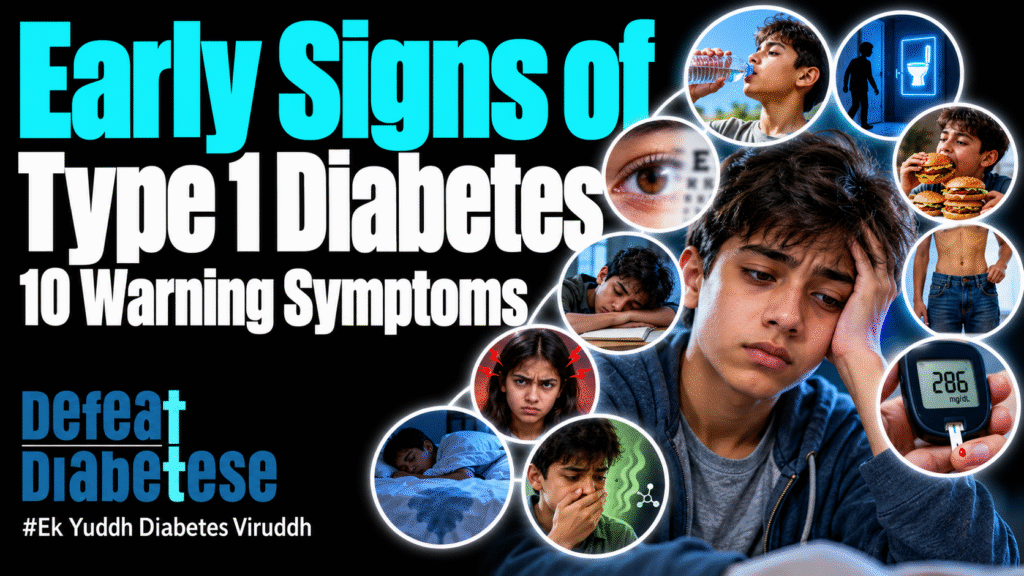
Early Signs of Type 1 Diabetes: 10 Warning Symptoms You Should Never Ignore
The early signs of type 1 diabetes can appear suddenly and may become serious within a short period. Recognizing these symptoms is essential because early diagnosis and appropriate medical treatment can help prevent dangerous complications.
Type 1 diabetes is a chronic autoimmune condition in which the body’s immune system attacks insulin-producing cells in the pancreas. As insulin production decreases, glucose builds up in the bloodstream instead of entering cells to provide energy.
Although type 1 diabetes often develops in children and teenagers, it can occur at any age.
At Defeat Diabetese, we believe that understanding diabetes symptoms and seeking timely medical care are important steps towards protecting long-term health.
This guide explains ten early warning symptoms, their causes, diagnostic tests, and when urgent medical attention is necessary.
What Is Type 1 Diabetes?
Type 1 diabetes develops when the immune system mistakenly destroys pancreatic beta cells responsible for producing insulin.
Insulin is a hormone that helps glucose enter the body’s cells and provide energy.
Without sufficient insulin, blood sugar rises, potentially leading to serious health problems.
Unlike type 2 diabetes, type 1 diabetes is primarily an autoimmune condition and is not caused by eating too much sugar or having an unhealthy lifestyle.
People diagnosed with type 1 diabetes generally require lifelong insulin treatment.
10 Early Signs of Type 1 Diabetes
Understanding the early signs of type 1 diabetes can help individuals and families recognize symptoms before complications develop.
1. Excessive Thirst
One of the most common early symptoms is unusual or persistent thirst.
When blood glucose becomes very high, the kidneys remove excess glucose through urine. This process increases fluid loss and may cause dehydration.
Someone may drink significantly more water than usual but still feel thirsty.
Persistent, unexplained thirst should prompt medical assessment, especially when accompanied by frequent urination.
2. Frequent Urination
Increased urination is another important warning sign.
People may need to visit the bathroom more frequently, including several times during the night.
Children who were previously dry at night may begin bedwetting again.
Frequent urination occurs because the kidneys attempt to eliminate excess glucose through urine, drawing additional water from the body.
3. Sudden, Unexplained Weight Loss
Unexpected weight loss can be an important early sign of type 1 diabetes.
Without enough insulin, the body cannot use glucose effectively for energy.
As a result, it begins breaking down stored fat and muscle.
A person may lose weight despite maintaining their usual eating habits or experiencing increased hunger.
Rapid, unexplained weight loss requires prompt medical evaluation.
4. Extreme Hunger
People developing type 1 diabetes may experience increased hunger, medically known as polyphagia.
Although glucose is present in the bloodstream, cells cannot access it efficiently because insulin levels are insufficient.
The body may respond by producing stronger hunger signals.
Persistent hunger combined with weight loss, increased thirst, or frequent urination can indicate diabetes.
5. Unusual Fatigue and Weakness
Feeling tired occasionally is normal, but persistent or unexplained fatigue may signal a health problem.
In type 1 diabetes, cells cannot obtain enough usable energy from glucose.
Dehydration caused by frequent urination may further contribute to weakness and tiredness.
Children may become less active, while adults may struggle with routine responsibilities.
6. Blurred Vision
High blood sugar levels can temporarily affect fluid balance within the eye’s lens, making it difficult to focus clearly.
People may notice that words appear blurry or distant objects become difficult to see.
These visual changes may improve once glucose levels stabilize.
However, new or persistent blurred vision should be evaluated by a healthcare professional.
7. Dry Mouth and Dehydration
Excessive urination can cause substantial fluid loss.
As dehydration develops, a person may experience dry mouth, dry skin, headaches, or dizziness.
Severe dehydration can become dangerous, particularly when associated with uncontrolled blood sugar and insufficient insulin.
Dry mouth accompanied by excessive thirst and frequent urination should not be ignored.
8. Irritability and Mood Changes
Changes in blood glucose levels and physical discomfort may affect concentration, behavior, and mood.
Some children may become unusually irritable, restless, or less interested in normal activities.
Adults may experience difficulty concentrating or feel unusually exhausted.
Mood changes alone do not indicate diabetes, but they can be important when accompanied by more typical symptoms.
9. Recurrent Infections
Elevated blood glucose can increase susceptibility to certain infections.
Some individuals may experience repeated fungal infections, skin infections, or urinary tract infections.
Infections can also make blood glucose management more difficult.
Although recurrent infections have many possible causes, they may justify blood glucose testing when other symptoms are present.
10. Nausea, Vomiting, or Abdominal Pain
Nausea, vomiting, and stomach pain can occur when untreated type 1 diabetes progresses to diabetic ketoacidosis, commonly called DKA.
DKA develops when insufficient insulin causes the body to produce excessive ketones, making the blood dangerously acidic.
Additional symptoms may include fruity-smelling breath, rapid or deep breathing, severe weakness, and confusion.
These are emergency warning signs, not symptoms to monitor at home. Seek immediate emergency medical care if DKA is suspected.
Early Signs of Type 1 Diabetes in Children
Children can develop type 1 diabetes rapidly, sometimes over days or weeks.
Parents and caregivers should pay attention to four particularly important symptoms:
- Toilet: Frequent urination or renewed bedwetting.
- Thirsty: Drinking unusually large amounts of water.
- Tired: Persistent fatigue or reduced energy.
- Thinner: Unexpected weight loss.
If a child develops these symptoms, arrange urgent medical assessment and blood glucose testing.
Vomiting, deep breathing, confusion, or extreme drowsiness require emergency care.
What Causes Type 1 Diabetes?
Type 1 diabetes is an autoimmune disease involving the destruction of insulin-producing pancreatic cells.
Genetic susceptibility and environmental factors may contribute to its development, although the precise causes are not fully understood.
Having a close family member with type 1 diabetes increases risk, but many people diagnosed with the condition have no known family history.
Type 1 diabetes cannot currently be reliably prevented through diet or exercise.
How Is Type 1 Diabetes Diagnosed?
Healthcare professionals use blood tests to identify elevated glucose levels.
Common diagnostic tests include:
HbA1c Test: Measures average blood glucose over approximately two to three months.
Fasting Plasma Glucose Test: Measures blood glucose after an overnight fast.
Random Plasma Glucose Test: May support diagnosis when classic diabetes symptoms are present.
Diabetes Autoantibody Tests: Help determine whether diabetes has an autoimmune cause.
Ketone Testing: May be required when diabetic ketoacidosis is suspected.
A doctor may also recommend C-peptide testing to assess insulin production.
An HbA1c result of 6.5% or higher or fasting plasma glucose of 126 mg/dL or higher can meet diabetes diagnostic criteria, with confirmation required in many circumstances.
These glucose thresholds diagnose diabetes but do not independently determine whether it is type 1 or type 2.
How Is Type 1 Diabetes Managed?
Although there is currently no cure for established type 1 diabetes, effective treatment helps people manage the condition and live active lives.
Insulin Therapy
People with type 1 diabetes require insulin because their bodies produce little or no insulin.
Insulin may be administered using injections or an insulin pump.
Regular Blood Sugar Monitoring
Blood glucose meters and continuous glucose monitoring systems help track glucose levels and support treatment decisions.
Healthy Nutrition
Balanced meals containing appropriate portions of carbohydrates, protein, fiber, and healthy fats support overall health.
Carbohydrate counting may help match insulin doses to food intake.
Physical Activity
Regular exercise provides cardiovascular and general health benefits.
However, activity can affect blood glucose levels, so insulin adjustments and monitoring may be needed.
Routine Medical Care
Regular appointments help assess glucose management, treatment effectiveness, and potential complications.
Patients and families should receive education about preventing and managing hypoglycemia and DKA.
Frequently Asked Questions
1. What are the first signs of type 1 diabetes?
Common early symptoms include excessive thirst, frequent urination, unexplained weight loss, increased hunger, and unusual fatigue.
2. Can type 1 diabetes develop suddenly?
Yes. Symptoms can develop over days or weeks, especially in children, although the autoimmune process may begin much earlier.
3. Can adults develop type 1 diabetes?
Yes. Although frequently diagnosed in younger people, type 1 diabetes can develop at any age.
4. Is type 1 diabetes caused by eating sugar?
No. Type 1 diabetes is primarily an autoimmune condition, not a disease caused by consuming too much sugar.
5. Can type 1 diabetes be cured?
There is currently no established cure for type 1 diabetes. However, insulin therapy, glucose monitoring, and appropriate medical support can help individuals manage it effectively.
Conclusion
Recognizing the early signs of type 1 diabetes can help prevent serious health complications.
Excessive thirst, frequent urination, unexpected weight loss, fatigue, and blurred vision are important symptoms that should not be ignored.
When these warning signs appear, prompt blood glucose testing and medical assessment are essential.
At Defeat Diabetese, our goal is to spread diabetes awareness, encourage early detection, and support informed healthcare decisions.
Early awareness matters. Timely diagnosis matters. Take action to protect your health.
Medical Disclaimer: This article provides general educational information and does not replace professional medical advice, diagnosis, or treatment. Suspected diabetic ketoacidosis requires immediate emergency care.