
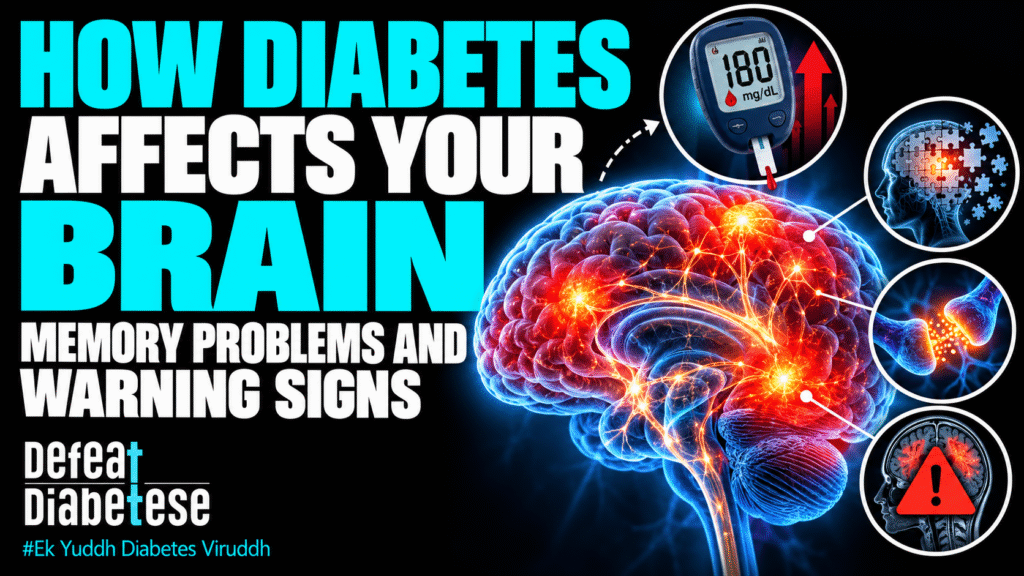
How Diabetes Affects Your Brain: 7 Warning Signs and Memory Problems
How diabetes affects your brain is an important health topic that many people overlook. Diabetes is commonly associated with high blood sugar, heart disease, kidney problems, and vision complications. However, diabetes can also influence brain health, memory, concentration, and thinking abilities.
The brain requires a continuous supply of glucose to function properly. Both excessively high and dangerously low blood sugar levels can interfere with normal brain function.
Over time, diabetes may also contribute to damage in blood vessels that supply oxygen and nutrients to the brain. These changes can increase the risk of cognitive difficulties, stroke, and certain forms of dementia.
According to the Centers for Disease Control and Prevention (CDC), diabetes can affect brain health through changes in blood vessels, glucose regulation, and other metabolic processes.
However, having diabetes does not mean that a person will inevitably develop memory loss or dementia.
At Defeat Diabetese, we believe that understanding diabetes-related health complications is essential for encouraging early awareness and preventive healthcare.
This article explains how diabetes affects the brain, seven important warning signs, memory-related complications, and practical ways to protect long-term brain health.
What Is the Connection Between Diabetes and Brain Health?
The brain controls important functions such as memory, learning, decision-making, emotions, movement, and concentration.
Glucose provides a major source of energy for brain cells.
Under normal conditions, the body regulates blood glucose to ensure a consistent energy supply.
However, diabetes can disrupt this balance.
When blood glucose remains elevated for extended periods, it can contribute to blood vessel damage and metabolic changes.
Conversely, when blood glucose drops too low, the brain may not receive sufficient glucose to function normally.
These changes can affect cognitive performance and, in some individuals, contribute to long-term neurological complications.
The relationship between diabetes and brain health is complex and also involves blood pressure, cholesterol, cardiovascular disease, sleep quality, and other factors.
How Does Diabetes Affect Your Brain?
Diabetes can affect brain function through several mechanisms.
High Blood Sugar and Blood Vessel Damage
Persistently elevated blood glucose can damage blood vessels throughout the body, including those supplying the brain.
Healthy blood vessels are essential for delivering oxygen and nutrients to brain tissue.
Over time, vascular damage may reduce blood flow and contribute to problems involving memory, attention, and thinking.
This is one reason diabetes is associated with an increased risk of vascular cognitive impairment.
Low Blood Sugar and Brain Function
Low blood sugar, also known as hypoglycemia, can affect brain function rapidly.
Glucose levels below 70 mg/dL are generally considered low for many people with diabetes.
Symptoms may include confusion, dizziness, difficulty concentrating, shakiness, and unusual behavior.
Severe hypoglycemia can cause seizures or unconsciousness and requires immediate treatment.
Insulin Resistance and Cognitive Health
Insulin resistance occurs when body cells respond less effectively to insulin.
It is a major characteristic of Type 2 diabetes.
Research suggests that insulin signaling, metabolic dysfunction, inflammation, and vascular changes may contribute to the relationship between Type 2 diabetes and cognitive decline.
However, the exact biological mechanisms are still being investigated.
Increased Cardiovascular Risk
Diabetes often occurs alongside high blood pressure and abnormal cholesterol levels.
These conditions can damage arteries and increase the likelihood of stroke and other vascular problems.
Maintaining cardiovascular health is therefore an important part of protecting brain function.
7 Early Warning Signs of Diabetes-Related Brain Problems
Changes in memory and thinking may develop gradually, although some symptoms occur suddenly during blood glucose emergencies.
The following signs deserve attention.
1. Frequent Forgetfulness and Memory Problems
One possible concern is increasing difficulty remembering information.
A person may forget appointments, misplace everyday objects, or struggle to remember recent conversations.
Occasional forgetfulness is common and does not necessarily indicate brain disease.
However, memory problems that become frequent, progressive, or interfere with daily activities should be evaluated.
Diabetes is associated with an increased risk of cognitive impairment, particularly in older adults.
Other potential causes include inadequate sleep, depression, certain medications, thyroid disorders, and vitamin deficiencies.
Important Tip: Persistent memory changes should be discussed with a healthcare professional rather than automatically attributed to diabetes.
2. Difficulty Concentrating
Some people with diabetes report difficulty focusing on work, reading, or conversations.
Concentration problems may occur during episodes of high or low blood glucose.
For example, hypoglycemia can cause confusion and reduce the ability to process information.
Poor sleep, emotional stress, and medication effects may also influence concentration.
If difficulty focusing occurs alongside sweating, shaking, dizziness, or unusual hunger, check blood glucose according to your treatment plan.
Repeated concentration difficulties deserve medical evaluation.
3. Brain Fog and Mental Confusion
Brain fog is a nonmedical term used to describe difficulties with clear thinking, attention, or mental sharpness.
People experiencing brain fog may describe feeling mentally slow or having trouble organizing thoughts.
Blood glucose fluctuations can sometimes contribute to these symptoms.
However, brain fog has many potential causes, including sleep deprivation, dehydration, illness, anxiety, and medication-related effects.
Sudden or severe confusion should never be dismissed as ordinary brain fog.
It may indicate significant hypoglycemia, severe hyperglycemia, stroke, or another medical emergency.
4. Mood Changes and Irritability
Diabetes management can influence emotional well-being.
Some individuals experience irritability, frustration, or emotional changes during episodes of low blood sugar.
Living with a chronic condition can also create stress and emotional exhaustion.
This experience is sometimes described as diabetes distress.
Persistent low mood, anxiety, or unusual behavioral changes can interfere with diabetes self-management.
Mental health support and diabetes education can be valuable components of care.
Mood symptoms should be assessed individually because they do not necessarily indicate neurological damage.
5. Difficulty Making Decisions
Cognitive function involves more than remembering information.
It also includes planning, reasoning, organizing activities, and making decisions.
These skills are often described as executive functions.
Some people experiencing cognitive impairment may find it difficult to manage complex daily responsibilities.
For someone with diabetes, this may include remembering medication schedules, organizing meals, or calculating insulin doses.
When these difficulties become noticeable, healthcare professionals may recommend cognitive assessment and additional support.
Early recognition can help simplify treatment routines and reduce the risk of medication errors.
6. Slower Thinking and Reduced Mental Processing
Certain individuals may notice that familiar mental tasks take longer than before.
For example, they may need extra time to understand instructions, complete calculations, or respond during conversations.
Research has linked diabetes with changes in some aspects of cognitive processing, particularly among older adults and people with long-standing disease.
However, slower thinking can also be caused by fatigue, depression, medications, or other medical conditions.
Persistent changes should be evaluated rather than assumed to be an unavoidable consequence of aging or diabetes.
7. Sudden Confusion or Stroke-Like Symptoms
Sudden neurological symptoms are particularly concerning.
Diabetes increases the risk of stroke, especially when combined with high blood pressure, smoking, or elevated cholesterol.
Stroke warning signs may include:
- Sudden facial drooping
- Weakness in one arm or leg
- Difficulty speaking
- Sudden vision changes
- Loss of balance
- Sudden severe headache
Remember the FAST warning signs: Face drooping, Arm weakness, Speech difficulty, and Time to seek emergency help.
Sudden stroke-like symptoms require immediate emergency medical attention, even if they improve quickly.
Can Diabetes Cause Memory Loss?
Diabetes is associated with an increased risk of memory problems and cognitive impairment.
However, memory loss has many possible causes, and not every person with diabetes will develop it.
Long-standing high blood glucose, repeated severe hypoglycemia, cardiovascular disease, and other metabolic risk factors may contribute to changes in brain health.
Research has also identified associations between diabetes and certain forms of dementia.
It is important to distinguish mild forgetfulness from significant cognitive impairment.
A person who occasionally forgets where they placed their keys may not have a medical condition.
However, repeatedly forgetting important information, becoming lost in familiar places, or struggling with everyday responsibilities may indicate a need for further assessment.
Early evaluation can identify potentially treatable causes and provide appropriate support.
Diabetes and the Risk of Dementia
Dementia describes a group of conditions involving significant declines in memory, thinking, and daily functioning.
Research indicates that people with diabetes have a higher risk of developing certain forms of dementia compared with people without diabetes.
Two important conditions include Alzheimer’s disease and vascular dementia.
Alzheimer’s Disease
Alzheimer’s disease is a progressive neurological condition affecting memory, thinking, and behavior.
Type 2 diabetes has been associated with an increased risk of Alzheimer’s disease.
Researchers continue investigating how insulin resistance, inflammation, vascular changes, and other mechanisms may contribute.
However, diabetes does not directly determine whether someone will develop Alzheimer’s disease.
Vascular Dementia
Vascular dementia develops when problems with blood circulation damage brain tissue.
Diabetes can contribute to vascular disease and increase stroke risk.
Over time, damage to blood vessels supplying the brain may affect memory, reasoning, and other cognitive abilities.
Managing blood pressure, cholesterol, glucose, and other cardiovascular risk factors is important for reducing vascular risks.
Can Low Blood Sugar Cause Brain Problems?
Yes. Low blood glucose can interfere with brain function because the brain depends heavily on glucose for energy.
Hypoglycemia is particularly important for people using insulin or certain glucose-lowering medications.
Common symptoms include:
- Shaking or sweating
- Sudden hunger
- Dizziness
- Headache
- Difficulty concentrating
- Confusion
- Irritability
- Blurred vision
For many adults, blood glucose below 70 mg/dL requires prompt treatment.
If a person is conscious and able to swallow safely, a common approach is to consume 15 grams of fast-acting carbohydrate and recheck glucose after 15 minutes.
Repeat treatment if glucose remains below 70 mg/dL, following the person’s individualized diabetes care plan.
Severe hypoglycemia causing seizures, unconsciousness, or inability to swallow requires emergency assistance and prescribed glucagon when available.
Never give food or drinks by mouth to an unconscious person.
Preventing repeated severe hypoglycemia is especially important for long-term safety.
Can High Blood Sugar Cause Confusion?
Significantly elevated blood glucose may contribute to fatigue, dehydration, and changes in mental function.
In severe cases, hyperglycemic emergencies can cause confusion or altered consciousness.
Diabetic ketoacidosis (DKA) and hyperosmolar hyperglycemic state (HHS) are serious complications requiring emergency treatment.
Warning signs may include:
- Severe dehydration
- Excessive thirst
- Frequent urination
- Vomiting
- Abdominal pain
- Rapid or deep breathing
- Unusual drowsiness
- Confusion
Not every high glucose reading causes confusion, but new mental-status changes in someone with diabetes require urgent assessment.
Who Is at Higher Risk of Diabetes-Related Cognitive Problems?
Several factors may increase the risk of cognitive difficulties.
These include:
- Older age
- Longer duration of diabetes
- Persistently elevated blood glucose
- Repeated severe hypoglycemia
- High blood pressure
- Elevated cholesterol
- Previous stroke
- Chronic kidney disease
- Smoking
- Physical inactivity
The presence of these factors does not mean that cognitive impairment is inevitable.
Regular healthcare, individualized treatment, and healthy lifestyle habits can help manage several associated risks.
How Are Memory Problems Diagnosed in People With Diabetes?
Doctors evaluate memory concerns by considering symptoms, medical history, medications, and other possible causes.
An assessment may include blood glucose and HbA1c testing, a neurological examination, and cognitive screening.
Healthcare professionals may also investigate thyroid disorders, vitamin B12 deficiency, sleep disturbances, depression, or medication-related effects.
Cognitive screening tools can help assess memory, attention, and executive function.
Additional tests or specialist referrals may be recommended when necessary.
The American Diabetes Association’s 2026 Standards of Care recommend screening adults aged 65 years or older for mild cognitive impairment or dementia at their initial visit, annually, and when clinically appropriate.
Early recognition can help ensure that diabetes treatment remains safe and manageable.
10 Practical Ways to Protect Your Brain With Diabetes
Maintaining brain health involves comprehensive diabetes care and healthy daily habits.
1. Manage Blood Sugar Consistently
Follow your prescribed treatment plan and monitor glucose according to medical guidance.
Avoid both prolonged hyperglycemia and repeated hypoglycemia.
Glucose targets should be individualized.
2. Maintain Healthy Blood Pressure
High blood pressure is an important risk factor for stroke and vascular cognitive impairment.
Regular monitoring, balanced nutrition, physical activity, and prescribed treatment can help.
3. Manage Cholesterol Levels
Elevated LDL cholesterol contributes to cardiovascular disease.
Appropriate cholesterol management supports blood vessel health.
4. Exercise Regularly
Physical activity supports cardiovascular fitness, insulin sensitivity, and overall well-being.
Many adults can aim for approximately 150 minutes of moderate-intensity aerobic activity per week, adjusted to their health status.
Walking, swimming, and cycling are useful options.
5. Follow a Balanced Diet
A nutritious eating pattern supports diabetes and cardiovascular management.
Include vegetables, appropriate portions of fruits, whole grains, pulses, protein-rich foods, and healthy fats.
Limit sugary beverages and heavily processed foods.
6. Prioritize Quality Sleep
Insufficient sleep can affect concentration, memory, mood, and glucose regulation.
Most adults benefit from approximately seven to nine hours of sleep per night.
Persistent sleep difficulties should be medically assessed.
7. Stay Mentally Active
Reading, learning new skills, social interaction, and enjoyable mentally engaging activities can support cognitive well-being.
These activities are not guaranteed to prevent dementia, but they can be part of a healthy lifestyle.
8. Avoid Smoking and Tobacco
Smoking increases cardiovascular risk and contributes to blood vessel damage.
Stopping tobacco use can support overall vascular health.
9. Manage Stress and Emotional Well-Being
Chronic stress and depression can interfere with concentration, sleep, and diabetes routines.
Relaxation techniques, social support, and professional counseling may be helpful.
10. Attend Regular Medical Checkups
Routine healthcare visits can help monitor glucose, blood pressure, cholesterol, kidney function, and cognitive concerns.
Discuss new memory problems, medication mistakes, or unusual confusion with your healthcare professional.
Best Indian Foods to Support Diabetes and Brain Health
A balanced Indian eating pattern can support overall metabolic and cardiovascular health.
Useful choices include:
Green Vegetables: Spinach, methi, cabbage, and other vegetables provide vitamins, minerals, and fiber.
Pulses: Moong dal, masoor dal, chickpeas, and rajma provide plant-based protein and nutrients.
Whole Grains: Whole-wheat roti, oats, and suitable portions of brown rice can be included in balanced meals.
Nuts and Seeds: Almonds, walnuts, flaxseeds, and other unsalted nuts or seeds provide unsaturated fats.
Protein Foods: Eggs, tofu, paneer, fish, and other suitable protein sources can support nutritional requirements.
Whole Fruits: Guava, apples, oranges, and other fruits can fit into individualized diabetes meal plans.
No single food can cure memory loss or guarantee protection against dementia.
The overall dietary pattern and management of cardiovascular risk factors are more important.
Frequently Asked Questions
1. Can diabetes affect your brain?
Yes. Diabetes can influence brain health through glucose fluctuations, vascular damage, and associated metabolic risk factors.
2. Can diabetes cause memory loss?
Diabetes is associated with an increased risk of cognitive impairment, including memory difficulties. However, memory loss has many possible causes.
3. What is diabetes brain fog?
Brain fog describes difficulties with mental clarity, focus, or thinking. Glucose fluctuations may contribute, but other conditions can produce similar symptoms.
4. Can high blood sugar affect memory?
Persistently elevated glucose is associated with poorer cognitive health over time. Severe hyperglycemia can also cause acute confusion.
5. Can low blood sugar cause confusion?
Yes. Hypoglycemia can rapidly affect brain function, causing confusion, dizziness, behavioral changes, and, in severe cases, seizures or unconsciousness.
6. Does diabetes increase the risk of dementia?
Research indicates that people with diabetes have an increased risk of certain forms of dementia, although many individuals with diabetes never develop dementia.
7. Can diabetes-related brain problems be prevented?
Some associated risks can be reduced through glucose management, cardiovascular risk control, regular physical activity, and healthy lifestyle habits. Prevention cannot be guaranteed.
8. Can exercise improve brain health in diabetes?
Regular physical activity supports cardiovascular and metabolic health and may contribute to cognitive well-being.
9. Should people with diabetes undergo memory testing?
People experiencing persistent cognitive changes should discuss assessment with their doctor. Routine cognitive screening is recommended for older adults with diabetes according to applicable clinical guidelines.
10. When should someone seek emergency medical attention?
Sudden confusion, difficulty speaking, facial drooping, one-sided weakness, seizures, unconsciousness, or symptoms of severe glucose-related emergencies require immediate medical care.
Conclusion
Understanding how diabetes affects your brain is an important part of long-term diabetes awareness and management.
Both high and low blood glucose can influence brain function, while long-standing diabetes and associated cardiovascular conditions may increase the risk of memory problems, cognitive impairment, and stroke.
However, diabetes does not mean that memory loss or dementia is inevitable.
Consistent glucose monitoring, appropriate treatment, healthy nutrition, regular physical activity, good sleep, and cardiovascular risk management can support overall brain health.
At Defeat Diabetese, we believe that diabetes education should help people understand how the condition affects the entire body, including the brain.
Recognizing unusual symptoms early and seeking timely medical guidance can make an important difference.
Protect your brain. Manage your blood sugar. Build healthier habits for a better future.
Medical Disclaimer
This article is intended for educational and informational purposes only. It does not replace professional medical advice, diagnosis, or treatment. Memory difficulties and neurological symptoms may have several causes and require appropriate medical assessment. Sudden neurological symptoms, severe hypoglycemia, or suspected hyperglycemic emergencies require immediate medical attention.
Medical References
- CDC – Your Brain and Diabetes
- American Diabetes Association – Standards of Care in Diabetes 2026: Older Adults
- American Diabetes Association – Comprehensive Medical Evaluation and Assessment of Comorbidities 2026
- NIDDK – Low Blood Glucose (Hypoglycemia)
- NIDDK – Can Diabetes Lead to Cognitive Impairment?