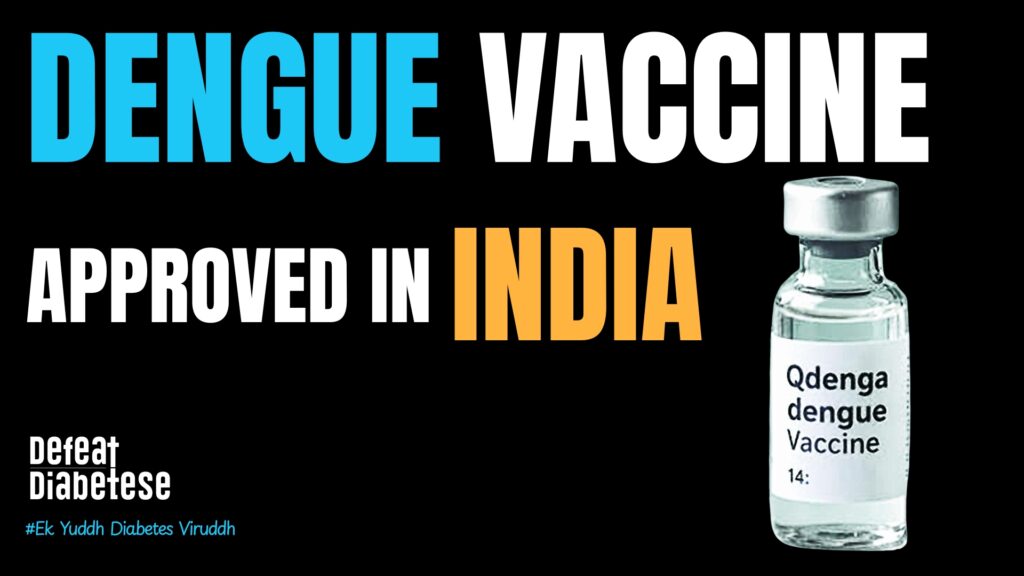
Dengue Vaccine India Approval: Historic Milestone
The clearance of QDENGA (TAK-003) by the Central Drugs Standard Control Organisation (CDSCO) marks the most significant milestone in India’s fight against vector-borne viral diseases. For decades, India has carried nearly one-third of the global dengue burden, facing massive seasonal surges that strain healthcare infrastructure across major urban hubs like Ahmedabad and regional centers alike. The official market authorization granted to Takeda’s live-attenuated tetravalent vaccine represents a monumental shift from reactive symptom management to proactive immunological protection.
At DEFEAT DIABETESE, we analyze public health breakthroughs through rigorous, evidence-based science. While our core mission centers on metabolic health under Dr. Prakash Kurmi’s 30 years of clinical legacy, understanding how viral infections interact with baseline metabolic conditions is essential to protecting our community as part of our Vision 2040 strategy.
1. The Science of Qdenga: How the Vaccine Works
Understanding the mechanism of Qdenga explains why its approval by Indian drug regulators is a landmark moment for disease prevention.
-
Tetravalent Live-Attenuated Design: Dengue is caused by four distinct viral strains—serotypes DENV-1, DENV-2, DENV-3, and DENV-4. Infection with one strain leaves a person vulnerable to severe secondary infections from other strains. Qdenga is engineered using a Dengue serotype-2 molecular backbone combined with surface proteins from all four strains, offering broad, balanced protection against all active serotypes.
-
No Pre-Vaccination Testing Required: Unlike earlier global dengue vaccines that required blood tests to confirm prior exposure before administration, Qdenga is approved for individuals regardless of past dengue history. It safely stimulates protective neutralizing antibodies in both seropositive (previously infected) and seronegative (never infected) individuals.
-
Dose Schedule and Efficacy: The vaccine is administered as a two-dose regimen given 3 months apart via subcutaneous injection. Global Phase 3 clinical data demonstrates over 80% efficacy in preventing confirmed dengue fever and an exceptional 84% to 90% reduction in dengue-related hospitalizations.
2. Age Eligibility and India Manufacturing Rollout
The approval details issued by CDSCO outline clear parameters for public administration across the country.
-
Target Age Group: The vaccine is approved for individuals aged 4 to 60 years, protecting both school-going children and the active working population who face the highest exposure during peak mosquito seasons.
-
Domestic Partnership for Scale: To meet India’s vast demand, Takeda partnered with Hyderabad-based Biological E. Limited to manufacture up to 50 million doses annually. This local production pipeline ensures scalable availability for India’s public and private health sectors.
-
Global Safety Track Record: Prior to its Indian clearance, Qdenga received World Health Organization (WHO) prequalification and secured approvals in over 40 countries, including the European Union, the UK, Brazil, and Indonesia, backed by 7-year safety follow-up data.
3. The Metabolic Link: Why Dengue is Dangerous for Diabetic Patients
While this breakthrough is a victory for general public health, it holds special clinical importance for individuals living with Type 2 Diabetes or insulin resistance.
-
Vascular Permeability and Platelet Risk: Severe dengue fever triggers endothelial inflammation, causing blood vessels to leak fluid while blood platelet counts drop rapidly. In individuals with long-standing diabetes, pre-existing microvascular damage makes blood vessels significantly more fragile, drastically increasing the risk of Plasma Leakage Syndrome and Dengue Hemorrhagic Fever (DHF).
-
Glycemic Instability During Acute Infection: When a diabetic patient contracts dengue, the immune system releases massive storms of inflammatory cytokines (such as IL-6 and TNF-alpha). This systemic inflammatory response triggers acute cortisol spikes that cause severe blood sugar surges, complicating clinical recovery and delaying tissue repair.Dengue vaccine India approval
-
Protecting the High-Risk Population: Vaccination serves as a critical biological shield for diabetic individuals. By preventing severe dengue illness and hospitalization, the vaccine protects vulnerable microvascular systems from acute inflammatory damage.Dengue vaccine India approval
4. Integrated Diagnostic Tracking at Shivam Hospital
At Defeat Diabetese, maintaining comprehensive health records allows medical teams to navigate seasonal infection risks safely.Dengue vaccine India approval
-
Seasonal Immunity Planning: During high-risk monsoon months in Gujarat, tracking inflammatory baseline markers alongside metabolic health provides a clearer picture of a patient’s overall resilience against viral infections.Dengue vaccine India approval
-
The Dashboard Mapping: By consolidating metabolic baselines, complete blood counts (CBC), and vaccination records onto your Unified Health Dashboard, our medical team ensures that patients with metabolic conditions receive personalized, medically supervised care throughout peak dengue seasons.
5. 5 Action Steps for Seasonal Dengue and Metabolic Protection
To combine the power of modern immunization with proactive daily defense, follow these essential guidelines:
-
Consult for Timely Immunization: If you or your family members fall within the 4 to 60 age bracket—especially if managing metabolic conditions like diabetes—consult your physician at Shivam Hospital regarding the two-dose Qdenga schedule.
-
Maintain Tight Glycemic Control: Keep your blood glucose levels within target range. Stable HbA1c levels keep your immune system’s white blood cells agile and better equipped to fight off opportunistic viral pathogens.
-
Eliminate Local Breeding Sites: Mosquitoes transmitting dengue (Aedes aegypti) breed in clean, stagnant water. Inspect pots, coolers, water storage drums, and overhead tanks weekly to disrupt mosquito life cycles around your home or workplace.Dengue vaccine India approval
-
Prioritize Hydration and Platelet Monitoring: If you develop sudden high fever, joint pain, or severe headaches during mosquito season, do not self-medicate with NSAIDs like ibuprofen (which increase bleeding risks). Seek immediate medical evaluation for platelet tracking and electrolyte fluid therapy.
-
Strengthen Vascular Integrity: Focus on nutrient-dense meals rich in vitamin C, bioflavonoids, and antioxidant-rich greens to support capillary strength and reduce baseline vascular permeability.
6. Frequently Asked Questions (FAQs)
Q1: Can diabetic patients safely receive the new Qdenga dengue vaccine?
Yes. Clinical trials and real-world safety data show that live-attenuated tetravalent vaccines like Qdenga are safe for adults with controlled metabolic conditions like Type 2 Diabetes, offering vital protection against severe viral complications.Dengue vaccine India approval
Q2: Do I need a blood test for dengue antibodies before getting vaccinated?
No. One of the primary advantages of Qdenga is that it does not require pre-vaccination serological screening. It can be safely administered regardless of whether you have had a past dengue infection.Dengue vaccine India approval
Q3: How many doses are required for full protection?
Qdenga requires a two-dose series administered 3 months apart (0 and 3 months) to establish long-term, multi-serotype immunity. Dengue vaccine India approval
Conclusion: Securing National Health Resilience
The dengue vaccine India approval represents a major victory in public health science, combining cutting-edge biotechnology with mass domestic manufacturing. By integrating modern preventive vaccines with strong metabolic health management, we can shield our communities from severe seasonal illnesses. Let us continue working together in this ek yuddh diabetese viruddh to build a healthier, more resilient India under our Vision 2040 commitment.Dengue vaccine India approvalDengue vaccine India approval
ek yuddh diabetese viruddh. Visit us: www.defeatdiabetese.com