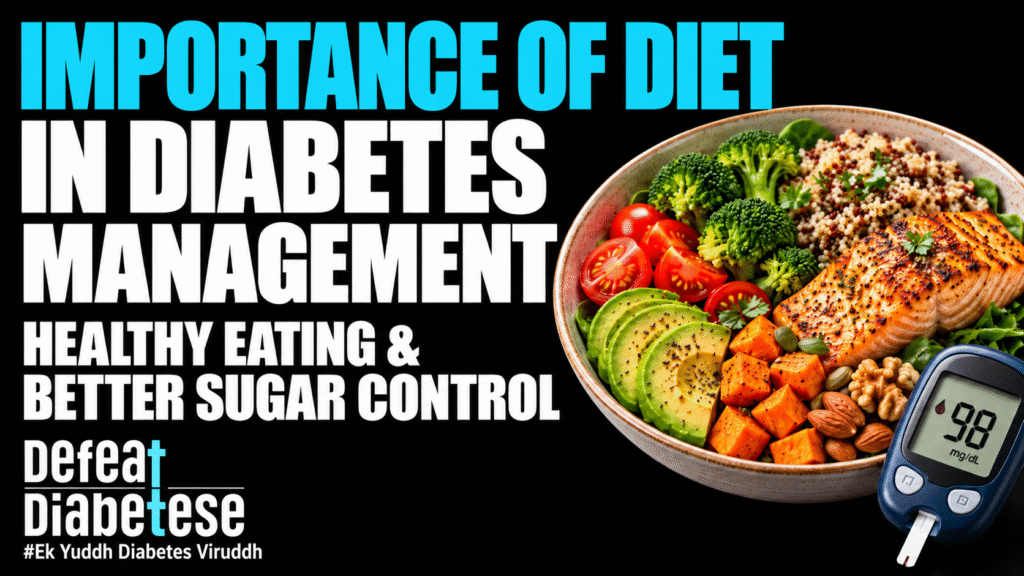
Importance of Diet in Diabetes Management: 10 Benefits and Healthy Eating Tips
The importance of diet in diabetes management cannot be overlooked when it comes to maintaining healthy blood sugar levels and preventing long-term health complications. Diabetes is a chronic condition that affects how the body processes glucose, and everyday food choices play a major role in managing this condition.
Many people believe that living with diabetes means completely avoiding carbohydrates, fruits, or their favorite meals. However, successful diabetes management is not about extreme food restrictions. It is about choosing nutritious foods, understanding portion sizes, and maintaining a balanced eating pattern.
A well-planned diabetes diet can help manage blood glucose, support heart health, improve energy levels, and maintain a healthy body weight.
At Defeat Diabetese, we believe that nutrition education is essential for helping people make informed decisions about their health.
In this guide, we explore the importance of diet in diabetes management, ten major benefits of healthy eating, diabetes-friendly Indian foods, and practical meal-planning strategies.
What Is a Diabetes-Friendly Diet?
A diabetes-friendly diet is a balanced eating plan designed to support healthy blood glucose levels while providing the nutrients needed for overall well-being.
It generally emphasizes vegetables, appropriate portions of whole grains, lean protein, healthy fats, and fiber-rich foods.
A diabetes diet does not have to be complicated or expensive. Many traditional Indian foods can be included in a healthy meal plan.
The most important factors include:
- Choosing nutritious foods.
- Managing carbohydrate portions.
- Limiting sugary beverages.
- Eating adequate fiber and protein.
- Selecting healthier fats.
- Maintaining suitable meal timing.
- Following individual medical advice.
There is no single diet that works perfectly for everyone with diabetes. Nutritional needs depend on factors such as age, activity level, medications, diabetes type, and other medical conditions.
Why Is Diet Important in Diabetes Management?
Food directly influences blood glucose because carbohydrates are broken down into sugars during digestion.
Foods containing carbohydrates include rice, roti, bread, potatoes, fruit, milk, and many other common foods.
Carbohydrates are not inherently unhealthy, but the amount consumed and the overall composition of a meal can affect blood glucose levels.
Meals rich in fiber, appropriate protein, and healthier fats may support fullness and make glucose management easier.
Diet also plays an important role in controlling blood pressure, cholesterol, and body weight.
For people with type 1 diabetes, nutrition planning must work alongside insulin treatment. For those with type 2 diabetes, dietary changes can improve glucose management and support overall metabolic health.
10 Benefits of a Healthy Diet in Diabetes Management
1. Helps Maintain Healthy Blood Sugar Levels
One of the biggest benefits of proper nutrition is improved blood glucose management.
Eating balanced meals and monitoring carbohydrate portions can help reduce excessive increases in blood sugar after eating.
For example, a meal containing vegetables, dal, and an appropriate portion of whole-grain roti may provide a better balance of fiber, protein, and carbohydrates than a meal dominated by refined starches.
However, individual blood glucose responses vary.
Checking glucose according to your healthcare provider’s recommendations can help identify suitable meal portions.
2. Supports Better HbA1c Management
HbA1c is a blood test that reflects average blood glucose levels over approximately two to three months.
When daily dietary habits support more consistent glucose management, HbA1c may improve over time.
A balanced eating plan can be particularly helpful when combined with medication adherence, exercise, and appropriate monitoring.
For many nonpregnant adults with diabetes, an HbA1c target below 7% is commonly used, but the appropriate goal depends on individual circumstances.
Healthy eating is important, but it should not replace prescribed insulin or diabetes medications.
3. Helps With Healthy Weight Management
For people with type 2 diabetes who have overweight or obesity, sustainable weight loss may improve insulin sensitivity and metabolic health.
Choosing nutritious foods and suitable portions can help manage overall calorie intake without extreme dieting.
Vegetables, pulses, whole grains, and protein-rich foods can promote satiety and reduce frequent overeating.
Weight management should focus on long-term health rather than rapid results.
People who are underweight, pregnant, growing, or living with certain medical conditions may need a different nutritional approach.
4. Promotes Heart Health
People with diabetes have an increased risk of cardiovascular disease, especially when blood pressure and cholesterol are also elevated.
A heart-healthy eating pattern can support better cardiovascular risk management.
Useful choices include vegetables, fruits in suitable portions, pulses, nuts, seeds, and unsaturated fats.
Limiting excessive sodium, trans fats, and highly processed foods can also support cardiovascular health.
Diet works best alongside blood pressure treatment, cholesterol management, physical activity, and tobacco avoidance.
5. Improves Energy and Everyday Well-Being
Balanced nutrition helps the body receive essential vitamins, minerals, protein, and energy.
People whose glucose levels fluctuate significantly may experience tiredness or difficulty concentrating.
Eating regular, nutritionally balanced meals may support better day-to-day energy levels.
However, persistent fatigue should not automatically be attributed to diet. Uncontrolled blood glucose, anemia, sleep problems, and other conditions can also contribute.
6. Supports Digestive Health
Fiber-rich foods are an important part of healthy nutrition.
Dietary fiber supports bowel regularity and can help increase fullness after meals.
Sources include:
- Vegetables
- Whole grains
- Lentils
- Beans
- Chickpeas
- Fruits
- Nuts and seeds
Some types of soluble fiber can also help improve cholesterol levels.
Increase fiber gradually and drink suitable amounts of water to reduce digestive discomfort.
7. Helps Manage Cholesterol and Blood Pressure
Diabetes management involves more than monitoring blood glucose.
Elevated LDL cholesterol and high blood pressure can significantly increase the risk of cardiovascular complications.
Replacing some saturated fats with unsaturated fats and choosing fiber-rich foods can support healthier cholesterol levels.
Reducing excess sodium may help manage blood pressure.
Individuals with kidney disease or other medical conditions may require additional dietary modifications.
8. May Reduce Long-Term Diabetes Complication Risks
Persistently elevated blood glucose increases the risk of damage to the eyes, kidneys, nerves, and blood vessels.
A balanced diet can support better glucose management as part of a comprehensive diabetes treatment plan.
Improved long-term risk management may help reduce the likelihood or progression of certain complications.
However, healthy eating alone cannot guarantee prevention.
Regular eye examinations, kidney tests, foot checks, and medical follow-up remain essential.
9. Encourages Healthier Food Habits
Developing a diabetes-friendly eating routine can improve awareness of food choices, portion sizes, and meal preparation.
Reading nutrition labels and planning meals ahead can make everyday decisions easier.
These habits may also benefit other family members by encouraging balanced meals and reducing reliance on heavily processed foods.
A sustainable plan should be flexible enough to accommodate festivals, family meals, and personal preferences.
10. Supports Long-Term Diabetes Self-Management
Understanding nutrition gives people greater confidence in managing diabetes.
Knowing how carbohydrates affect glucose levels, how to build balanced meals, and when to seek dietary advice can make diabetes management less confusing.
Nutrition education can also help patients communicate more effectively with doctors and dietitians.
Ultimately, a sustainable diet should improve both health and quality of life.
Best Indian Foods for Diabetes Management
Traditional Indian meals can provide many nutritious choices when prepared thoughtfully.
1. Green Vegetables
Spinach, methi, bhindi, cabbage, cauliflower, and bottle gourd provide nutrients and fiber.
These vegetables can form a substantial part of lunch and dinner.
2. Dal and Legumes
Moong dal, masoor dal, rajma, and chickpeas provide plant-based protein and fiber.
They also contain carbohydrates, so portion sizes remain important.
3. Whole Grains
Whole-wheat roti, oats, and suitable portions of brown rice or millets can be included in diabetes meal plans.
Whole grains provide fiber, but they still affect blood glucose.
Millets are not carbohydrate-free and should not automatically be considered unrestricted foods.
4. Protein-Rich Foods
Paneer, tofu, eggs, fish, chicken, and unsweetened curd can help meet protein requirements.
Choose cooking methods that avoid excessive added fat.
People with kidney disease should discuss their protein requirements with a healthcare professional.
5. Whole Fruits
Guava, apples, oranges, papaya, and other whole fruits can fit into a diabetes-friendly diet.
Whole fruit is generally preferable to fruit juice because it provides fiber and is easier to portion appropriately.
Fruit does not need to be completely eliminated simply because someone has diabetes.
6. Nuts and Seeds
Almonds, walnuts, peanuts, flaxseeds, and chia seeds provide healthier fats and other nutrients.
Choose unsalted varieties where possible and remember that nuts are calorie-dense.
Foods and Drinks to Limit With Diabetes
A balanced eating plan does not require labeling every food as forbidden.
However, certain items are best consumed less frequently or in smaller amounts.
These include:
- Sugar-sweetened soft drinks.
- Packaged fruit juices.
- Sweets and sugar-rich desserts.
- Large portions of refined flour products.
- Highly processed snacks.
- Foods containing trans fats.
- Excessively salty packaged foods.
Portion sizes, overall dietary patterns, and individual glucose responses matter more than a single food choice.
The Diabetes Plate Method
The diabetes plate method is a simple approach to planning balanced meals.
Imagine dividing a standard dinner plate into three sections.
Half the plate: Non-starchy vegetables, such as spinach, cabbage, cucumber, cauliflower, and bhindi.
One-quarter of the plate: Protein foods, such as tofu, paneer, eggs, fish, chicken, or other suitable protein sources.
One-quarter of the plate: Carbohydrate foods, such as rice, roti, or other starchy foods.
Choose water or an unsweetened beverage alongside the meal.
The method is a starting point rather than a strict rule. People using insulin, including those with type 1 diabetes, may need carbohydrate counting and individualized meal planning.
Sample Indian Diabetes-Friendly Meal Plan
The following is an illustrative meal plan for general education, not a personalized prescription.
| Meal | Example Options |
|---|---|
| Breakfast | Vegetable oats or moong dal chilla with unsweetened curd |
| Mid-morning | One suitable portion of whole fruit |
| Lunch | Whole-wheat roti, dal, mixed vegetables and salad |
| Evening snack | Roasted chana or a small portion of unsalted nuts |
| Dinner | Tofu or paneer with vegetables and a controlled portion of roti |
| Beverage | Water or unsweetened tea |
Portions and snacks should be adjusted for calorie needs, medications, activity levels, and individual glucose patterns.
Some people do not need between-meal snacks, while others may require them to prevent low blood glucose.
Common Diabetes Diet Mistakes to Avoid
Skipping Meals Without Planning
Skipping meals can cause problems for people taking insulin or medications that increase the risk of hypoglycemia.
Discuss meal timing and medication adjustments with your diabetes care team.
Completely Avoiding Carbohydrates
Carbohydrates are not automatically harmful.
Whole grains, fruit, legumes, and milk contain carbohydrates along with valuable nutrients.
The goal is appropriate carbohydrate selection and portion management.
Believing Natural Sweeteners Are Sugar-Free
Honey, jaggery, and brown sugar still contain sugars and can raise blood glucose.
They should not be treated as unrestricted alternatives.
Relying on Miracle Diabetes Foods
No single food, spice, herbal product, or supplement can cure diabetes.Importance of Diet in Diabetes Management
Some products may interact with diabetes medications or have unreliable safety evidence.Importance of Diet in Diabetes Management
Ignoring Food Portions
Even nutritious foods can contribute substantial carbohydrates or calories when consumed in large amounts.Importance of Diet in Diabetes Management
Learning portion awareness is often more useful than following overly restrictive food rules.Importance of Diet in Diabetes Management
Practical Tips for Building a Sustainable Diabetes Diet
Start by improving one or two daily habits rather than changing everything overnight.
Include vegetables in main meals, choose water instead of sugary drinks, and plan portions of carbohydrate-rich foods.
Read packaged food labels for total carbohydrates, added sugars, saturated fat, and sodium.Importance of Diet in Diabetes Management
Track glucose patterns when recommended to understand how meals affect your body.
Consult a registered dietitian experienced in diabetes care for an individualized nutrition plan.Importance of Diet in Diabetes Management
Above all, choose dietary changes that fit your culture, budget, preferences, and treatment requirements.Importance of Diet in Diabetes Management
Frequently Asked Questions About Diabetes Diet
1. Why is diet important in diabetes management?
Diet affects blood glucose and can support weight, cholesterol, and blood pressure management. A balanced eating plan is an essential part of comprehensive diabetes care.Importance of Diet in Diabetes Management
2. Can diet alone control diabetes?
Some people with type 2 diabetes may achieve substantial glucose improvements through lifestyle changes, but many still require medication. People with type 1 diabetes need insulin regardless of their diet.Importance of Diet in Diabetes Management
3. Can people with diabetes eat rice and roti?
Yes. Rice and roti can be included in appropriate portions. Carbohydrate quantity, meal balance, and individual glucose response are important.Importance of Diet in Diabetes Management
4. Which fruits are suitable for diabetes?
Whole fruits such as apples, guava, oranges, and papaya can fit into a balanced meal plan. Portions should be individualized.Importance of Diet in Diabetes ManagementImportance of Diet in Diabetes Management
5. Is brown rice better than white rice for diabetes?
Brown rice generally contains more fiber, but both provide carbohydrates. Portion size and the rest of the meal influence blood glucose response.Importance of Diet in Diabetes ManagementImportance of Diet in Diabetes Management
6. How often should someone with diabetes eat?
Meal timing depends on medications, insulin treatment, activity, and personal needs. There is no single schedule suitable for everyone.Importance of Diet in Diabetes ManagementImportance of Diet in Diabetes Management
7. Can healthy eating reduce HbA1c?
Yes. A sustained, individualized healthy eating plan can help improve blood glucose and HbA1c, especially when combined with appropriate treatment and physical activity.Importance of Diet in Diabetes ManagementImportance of Diet in Diabetes Management
Conclusion
Understanding the importance of diet in diabetes management is essential for supporting better blood glucose control, cardiovascular health, and overall well-being.Importance of Diet in Diabetes ManagementImportance of Diet in Diabetes ManagementImportance of Diet in Diabetes Management
A healthy diabetes diet is not about avoiding every favorite food. Instead, it involves balanced nutrition, suitable portions, appropriate carbohydrate choices, and sustainable eating habits.Importance of Diet in Diabetes Management
Whole grains, vegetables, protein-rich foods, healthy fats, and appropriate fruit portions can all play a valuable role in daily nutrition.Importance of Diet in Diabetes Management
At Defeat Diabetese, we believe that diabetes education and informed food choices can help people build healthier lives.Importance of Diet in Diabetes ManagementImportance of Diet in Diabetes Management
Eat mindfully. Manage diabetes confidently. Build healthier habits for a better future.
Medical Disclaimer: This article is for educational purposes only and does not replace medical or personalized dietary advice. People using insulin or glucose-lowering medications should consult their healthcare team before making substantial dietary changes.Importance of Diet in Diabetes Management