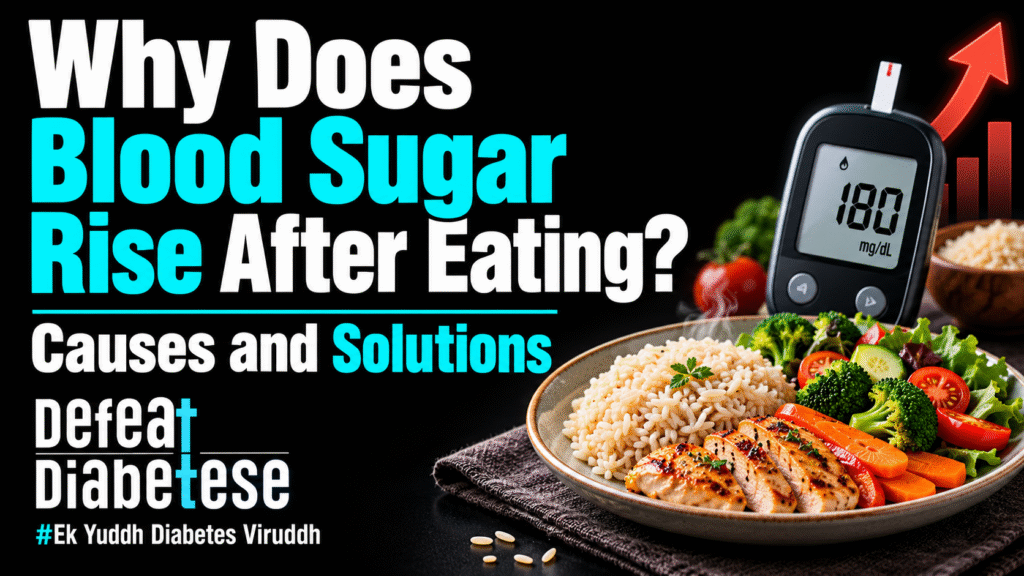
Why Does Blood Sugar Rise After Eating? 10 Surprising Causes and Effective Solutions
Why does blood sugar rise after eating? This is one of the most common questions among people living with diabetes. Many individuals notice that their blood glucose levels increase significantly after breakfast, lunch, or dinner, even when they believe they are following a healthy eating routine.
A rise in blood sugar after eating is a normal part of digestion. However, when glucose levels rise too high or remain elevated for an extended period, they can make diabetes management more challenging.
This condition is known as postprandial hyperglycemia, which refers to elevated blood glucose levels after meals.
Several factors can contribute to post-meal blood sugar spikes, including carbohydrate intake, insulin resistance, medication timing, physical inactivity, stress, and insufficient sleep.
At Defeat Diabetese, we believe understanding how food and lifestyle habits affect blood sugar is essential for maintaining better diabetes management.
In this comprehensive guide, we explore 10 surprising causes of high blood sugar after eating, common warning signs, recommended glucose targets, and effective solutions to support long-term health.
What Happens to Blood Sugar After Eating?
When you eat carbohydrates, your digestive system breaks them down into glucose, which enters your bloodstream.
Glucose serves as an important energy source for your body.
In response to rising blood glucose, the pancreas normally releases insulin. This hormone helps glucose move from the bloodstream into body cells, where it can be used for energy.
In people without diabetes, this process generally keeps glucose within a relatively narrow range.
However, diabetes affects how the body produces or uses insulin.
In Type 1 diabetes, the pancreas produces little or no insulin because the immune system damages insulin-producing cells.
In Type 2 diabetes, the body becomes resistant to insulin and may eventually be unable to produce enough insulin to meet its needs.
As a result, blood glucose may increase more significantly after meals.
Understanding this process is important for preventing repeated post-meal glucose spikes.
What Is Postprandial Hyperglycemia?
Postprandial hyperglycemia refers to blood glucose levels that are higher than the recommended target following a meal.
A moderate increase in glucose after eating is normal. However, repeated excessive increases may indicate that a person’s diabetes management plan needs adjustment.
For many nonpregnant adults with diabetes, a commonly recommended post-meal glucose target is below 180 mg/dL, measured approximately one to two hours after the beginning of a meal.
Individual targets may differ based on age, pregnancy, medication use, medical conditions, and risk of hypoglycemia.
Monitoring post-meal glucose can help people understand how their bodies respond to different foods and daily activities.
10 Surprising Causes of High Blood Sugar After Eating
Understanding the causes of post-meal hyperglycemia can help individuals make informed decisions about diabetes management.
1. Eating Too Many Carbohydrates
Carbohydrates generally have the greatest direct effect on blood glucose after eating.
Common carbohydrate-rich foods include rice, roti, bread, potatoes, pasta, cereals, fruits, and sweets.
When carbohydrates are digested, much of their carbohydrate content is converted into glucose.
Eating large portions may cause a significant increase in blood glucose, especially when insulin availability or insulin action is insufficient.
For example, consuming several rotis along with a large portion of rice may provide more carbohydrates than expected.
Effective Solution: Pay attention to carbohydrate portions and balance meals with vegetables, protein, and fiber-rich foods. Consult a registered dietitian for personalized carbohydrate recommendations.
2. Consuming Refined Carbohydrates and Sugary Foods
Refined carbohydrate foods often contain less fiber than whole-food alternatives.
Examples include white bread, biscuits, sugary breakfast cereals, sweets, and products made with refined flour.
Sugary beverages such as soft drinks, sweetened tea, and packaged fruit juices can also raise blood glucose rapidly.
These drinks provide carbohydrates without much fiber and may be consumed in large quantities.
Effective Solution: Choose water or unsweetened beverages. Include whole grains and fiber-rich foods more often while limiting sugary drinks and refined carbohydrate products.
3. Insulin Resistance
Insulin resistance is a major contributor to elevated blood glucose in Type 2 diabetes.
It occurs when body cells do not respond effectively to insulin.
The pancreas may initially produce additional insulin to compensate, but this response may become insufficient over time.
Consequently, glucose remains elevated after eating.
Insulin resistance may be associated with genetic factors, physical inactivity, excess abdominal fat, and other metabolic conditions.
Effective Solution: Regular physical activity, suitable weight management, balanced nutrition, and prescribed treatment can help improve insulin sensitivity.
4. Insufficient Insulin Production
Insulin is essential for moving glucose from the bloodstream into cells.
People with Type 1 diabetes require insulin treatment because their bodies produce little or no insulin.
Some people with Type 2 diabetes also develop reduced insulin production.
When the body does not have enough effective insulin to manage a meal, post-meal glucose levels may rise above the recommended range.
Effective Solution: Follow your prescribed diabetes treatment plan. If post-meal glucose remains consistently elevated, discuss medication effectiveness, insulin timing, and possible treatment adjustments with your healthcare provider.
Never change insulin doses without an approved medical plan.
5. Eating Large Meals or Overeating
The amount of food consumed can influence post-meal glucose levels.
Large meals containing substantial amounts of carbohydrates may cause bigger glucose increases.
Eating quickly can also make it difficult to notice fullness, potentially leading to larger portions.
Some individuals assume that eating healthy foods means portions do not matter.
However, even nutritious foods such as whole grains, lentils, and fruits contain carbohydrates.
Effective Solution: Practice portion awareness, use appropriately sized plates, and eat mindfully. Focus on meal balance rather than completely avoiding favorite foods.
6. Lack of Physical Activity
Physical activity helps muscles use glucose for energy.
When individuals remain inactive for extended periods, insulin sensitivity may decrease.
This can contribute to difficulty managing blood glucose after meals.
Regular exercise supports cardiovascular health, weight management, and glucose regulation.
Even light activity after meals may help some individuals reduce post-meal glucose elevations.
Effective Solution: Consider a comfortable walk after meals when medically appropriate. Aim for regular physical activity according to your healthcare professional’s recommendations.
People taking insulin or certain diabetes medications should understand precautions against exercise-related hypoglycemia.
7. Stress and Emotional Pressure
Stress can affect blood sugar even when eating habits remain unchanged.
During stressful situations, the body releases hormones such as cortisol and adrenaline.
These hormones can stimulate glucose production and temporarily reduce insulin sensitivity.
As a result, a person may notice unexpectedly high blood sugar after an ordinary meal.
Work pressure, financial concerns, emotional difficulties, and illness can contribute to stress.
Effective Solution: Practice suitable relaxation techniques, maintain regular physical activity, prioritize sleep, and seek professional support for persistent emotional distress.
Stress management complements diabetes treatment but does not replace medication.
8. Poor Sleep Quality
Sleep plays an important role in glucose regulation and metabolic health.
Insufficient or disrupted sleep may affect insulin sensitivity, appetite, energy levels, and daily food choices.
People who regularly sleep poorly may find blood glucose management more challenging.
Sleep disorders, including obstructive sleep apnea, can also affect overall metabolic health.
Effective Solution: Maintain a consistent sleep schedule, reduce late-night caffeine intake, and create a comfortable sleeping environment. Seek medical assessment for persistent insomnia or suspected sleep apnea.
9. Incorrect Medication Timing or Missed Doses
Diabetes medications work through different mechanisms.
Some stimulate insulin production, others improve insulin sensitivity, and some reduce glucose absorption or increase glucose removal.
Certain medicines must be coordinated with food intake.
Missing doses or using medication at inappropriate times can contribute to elevated glucose after meals.
For people using mealtime insulin, the relationship between insulin timing and carbohydrate intake is particularly important.
Effective Solution: Follow medication instructions carefully and discuss repeated high readings with your healthcare team.
Do not independently increase, skip, or discontinue prescribed medication.
10. Illness, Dehydration, and Hormonal Changes
Illness and physical stress can affect blood glucose significantly.
Infections, fever, surgery, and certain medications may increase glucose levels even when food intake remains unchanged.
Hormonal fluctuations can also influence insulin sensitivity.
Dehydration may further complicate glucose management.
For example, corticosteroid medications can cause substantial glucose increases in some individuals.
Effective Solution: Follow an individualized sick-day management plan, remain appropriately hydrated, and contact your healthcare professional when glucose remains unusually high.
People at risk of diabetic ketoacidosis should understand when to check ketones and seek emergency treatment.
What Are Normal Blood Sugar Levels After Eating?
Blood glucose targets depend on individual health circumstances.
For many nonpregnant adults with diabetes, commonly recommended targets include:
| Testing Time | Common Target |
|---|---|
| Before meals | 80–130 mg/dL |
| 1–2 hours after beginning a meal | Below 180 mg/dL |
| HbA1c | Below 7% for many adults |
These are general treatment goals rather than diagnostic thresholds.
A healthcare professional may recommend different targets based on pregnancy status, age, other medical conditions, medications, and hypoglycemia risk.
Common Symptoms of High Blood Sugar After Eating
Mild post-meal glucose elevations may not produce noticeable symptoms.
However, significantly elevated blood glucose can cause:
- Excessive thirst
- Frequent urination
- Unusual tiredness
- Blurred vision
- Dry mouth
- Headaches
- Difficulty concentrating
- Increased hunger in some individuals
These symptoms can have several causes and do not independently confirm hyperglycemia.
Blood glucose monitoring provides more reliable information.
Why Are Repeated Blood Sugar Spikes a Concern?
Occasional increases after eating are expected.
However, repeated high glucose readings may contribute to persistently elevated average glucose levels.
Over time, poorly managed diabetes can increase the risk of complications affecting the heart, kidneys, eyes, nerves, and blood vessels.
Post-meal glucose is only one aspect of diabetes management.
HbA1c, fasting glucose, blood pressure, cholesterol, and overall health also deserve attention.
The objective is not to eliminate every glucose increase but to maintain safe and individualized glucose control.
10 Effective Solutions to Manage Blood Sugar After Eating
1. Follow the Diabetes Plate Method
The diabetes plate method provides a practical approach to balanced meals.
Fill half your plate with non-starchy vegetables, one-quarter with protein-rich foods, and one-quarter with carbohydrate-containing foods.
This approach can help improve meal balance and portion awareness.
2. Choose Fiber-Rich Foods
Vegetables, pulses, whole grains, and whole fruits provide dietary fiber.
Fiber can help slow carbohydrate absorption and support digestive health.
3. Monitor Carbohydrate Portions
Understand how much carbohydrate you consume during each meal.
Carbohydrate counting may be particularly important for individuals using mealtime insulin.
4. Include Appropriate Protein
Foods such as dal, eggs, tofu, paneer, fish, chicken, and unsweetened curd can contribute to balanced meals.
Protein requirements should be individualized, especially for people with kidney disease.
5. Stay Active After Meals
A short, comfortable walk after meals may support better glucose management.
Exercise intensity and duration should match individual health needs.
6. Replace Sugary Drinks
Choose water or unsweetened beverages instead of sweetened tea, soft drinks, and packaged juices.
7. Maintain Consistent Meal Habits
Regular and balanced eating patterns may help some individuals manage glucose more predictably.
Meal timing should be coordinated with medications and personal needs.
8. Get Adequate Sleep
Most adults benefit from approximately seven to nine hours of sleep per night.
Healthy sleep habits can support metabolic and emotional well-being.
9. Monitor Blood Glucose Regularly
Use your glucose meter or continuous glucose monitor as recommended.
Review repeated patterns instead of making decisions based on a single reading.
10. Follow Your Prescribed Treatment Plan
Take medications consistently and attend regular medical appointments.
Discuss persistent post-meal hyperglycemia with your healthcare professional.
Best Indian Foods for Managing Post-Meal Blood Sugar
Traditional Indian foods can be included in a balanced diabetes-friendly diet.
Green Vegetables: Bhindi, spinach, cabbage, cauliflower, methi, and bottle gourd provide fiber and essential nutrients.
Dal and Legumes: Moong dal, masoor dal, rajma, and chickpeas provide protein and fiber while also contributing carbohydrates.
Whole Grains: Whole-wheat roti, oats, brown rice, and millets can be included in appropriate portions.
Protein Sources: Paneer, tofu, eggs, fish, chicken, and unsweetened curd may help create balanced meals.
Whole Fruits: Guava, apples, oranges, and papaya can fit into individualized carbohydrate plans.
Healthy eating does not require eliminating all traditional Indian foods. Portion control and balanced meal composition are more practical approaches.
Sample Indian Diabetes-Friendly Meal Plan
The following example demonstrates how balanced meals might be organized.
| Meal | Example |
|---|---|
| Breakfast | Moong dal chilla with unsweetened curd |
| Mid-morning | A suitable portion of whole fruit |
| Lunch | Whole-wheat roti, dal, vegetables, and salad |
| Evening | Roasted chana or a small portion of unsalted nuts |
| Dinner | Paneer or tofu, vegetables, and a controlled portion of rice or roti |
| Drinks | Water or unsweetened beverages |
This is an educational example, not a personalized dietary prescription.
Portions, snacks, and meal timing should be adjusted according to medications, nutritional needs, physical activity, and individual glucose responses.
When Should You Check Blood Sugar After Eating?
For many people with diabetes, checking glucose one to two hours after the beginning of a meal provides useful information.
For example, if lunch begins at 1:00 PM, a post-meal measurement may be taken between 2:00 PM and 3:00 PM according to the prescribed monitoring plan.
The timing begins when you start eating, not after finishing the meal.
Some people also need measurements before meals, at bedtime, or around exercise.
Continuous glucose monitoring may help identify patterns throughout the day.
Your healthcare professional should determine the appropriate testing frequency.
What Should You Do If Blood Sugar Remains High After Eating?
If post-meal glucose readings remain repeatedly above your recommended target, consider possible contributing factors.
Review carbohydrate portions, medication timing, stress, sleep, illness, and physical activity.
Keep a record of glucose readings and discuss recurring patterns with your diabetes care team.
Avoid taking extra insulin or diabetes medication unless specifically directed by your prescribed correction plan.
If you have Type 1 diabetes or are at risk of diabetic ketoacidosis, follow medical guidance regarding ketone testing during significant hyperglycemia or illness.
Seek emergency medical attention for vomiting, abdominal pain, deep or rapid breathing, fruity-smelling breath, severe dehydration, or confusion.
These symptoms may indicate a serious diabetes-related emergency.
Frequently Asked Questions
1. Why does blood sugar rise after eating?
Blood sugar rises because carbohydrates are digested into glucose, which enters the bloodstream. In diabetes, insufficient insulin or insulin resistance may cause larger or prolonged increases.
2. Is it normal for blood sugar to increase after meals?
Yes. A certain rise is normal. The concern is when glucose repeatedly exceeds an individual’s recommended target.
3. What should blood sugar be two hours after eating?
For many nonpregnant adults with diabetes, a common target is below 180 mg/dL one to two hours after the start of a meal. Individual goals may differ.
4. Can rice cause blood sugar spikes?
Yes. Rice contains carbohydrates and can raise blood glucose. Portion size, variety, and accompanying foods influence the response.
5. Why is my blood sugar high after eating healthy food?
Possible reasons include large carbohydrate portions, insulin resistance, insufficient medication, stress, illness, or other factors.
6. Does walking after meals help lower blood sugar?
Light walking may help some individuals reduce post-meal glucose elevations by increasing glucose use in muscles.
7. Can stress increase blood sugar after eating?
Yes. Stress hormones can increase glucose production and influence insulin sensitivity.
8. Can drinking water reduce high blood sugar?
Water supports hydration, but it does not replace insulin or appropriate diabetes medication. Significant hyperglycemia requires proper treatment.
9. Can I completely avoid carbohydrates to prevent blood sugar spikes?
Eliminating all carbohydrates is generally unnecessary. Appropriate portions of nutritious carbohydrate-containing foods can be part of diabetes management.
10. When should I consult a doctor for high post-meal blood sugar?
Seek medical advice if readings repeatedly exceed your prescribed target or you experience persistent hyperglycemia symptoms. Severe symptoms may require emergency treatment.
Conclusion
Understanding why blood sugar rises after eating is essential for effective diabetes management.
Although glucose naturally increases after meals, repeated excessive elevations may result from large carbohydrate portions, insulin resistance, insufficient insulin, stress, poor sleep, physical inactivity, or medication-related factors.
Fortunately, several practical strategies can help support better glucose management.
Balanced nutrition, appropriate portions, regular physical activity, consistent medication use, and glucose monitoring are important elements of long-term diabetes care.
At Defeat Diabetese, we believe that diabetes awareness and practical health education empower people to take meaningful steps towards healthier lives.
Managing diabetes is not about avoiding every favorite food. It is about understanding how your body responds and making informed, sustainable choices.
Eat mindfully. Monitor regularly. Manage diabetes confidently.
Medical Disclaimer
This article is intended for general educational and awareness purposes only. It does not replace professional medical advice, diagnosis, or treatment. Blood glucose targets and treatment plans should be individualized by qualified healthcare professionals. Never change prescribed medication or insulin doses without appropriate medical guidance.
Medical References
- American Diabetes Association — Standards of Care in Diabetes 2026: https://doi.org/10.2337/dc26-s006
- CDC — Diabetes Meal Planning: https://www.cdc.gov/diabetes/healthy-eating/diabetes-meal-planning.html
- CDC — Manage Blood Sugar: https://www.cdc.gov/diabetes/treatment/index.html
- American Diabetes Association — Checking Your Blood Sugar: https://diabetes.org/living-with-diabetes/treatment-care/checking-your-blood-sugar