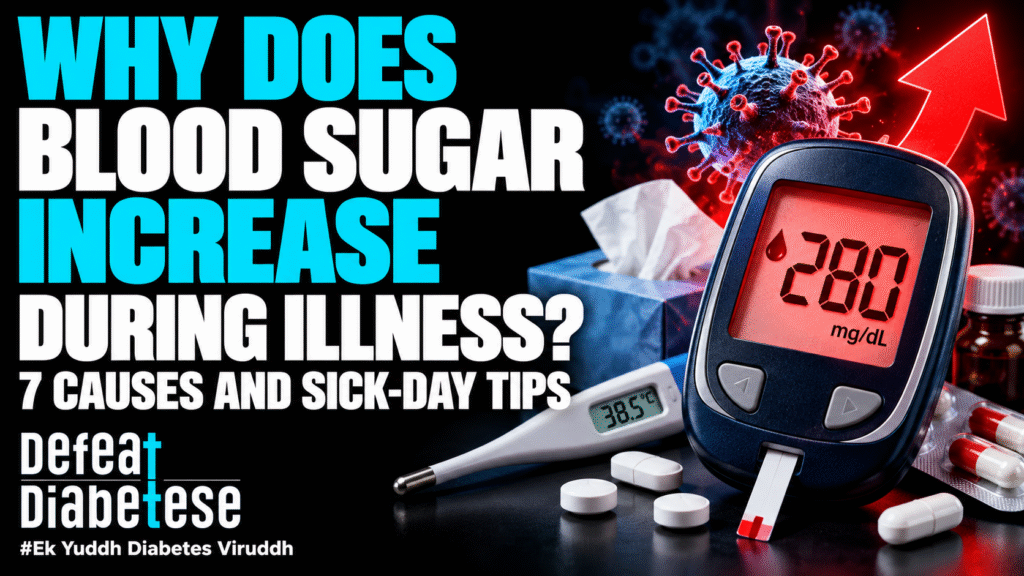
Why Does Blood Sugar Increase During Illness? 7 Causes and Sick-Day Tips
Why does blood sugar increase during illness? This is an important question for people living with diabetes, especially when they experience fever, flu, infections, stomach problems, or other health conditions.
Many people are surprised to discover that their blood sugar levels increase even when they are eating less than usual. Some may notice unusually high glucose readings despite taking their regular diabetes medication.
This happens because illness places additional stress on the body. To fight infections and support recovery, the body releases hormones that can raise blood glucose and make insulin less effective.
However, illness can also cause low blood sugar, particularly when a person cannot eat normally but continues taking certain diabetes medications.
Understanding how to manage diabetes during illness is essential for preventing dehydration, severe hyperglycemia, hypoglycemia, and potentially dangerous complications.
At Defeat Diabetese, we believe that diabetes awareness should include practical guidance for managing health during unexpected situations.
In this article, we explain seven important reasons blood sugar increases during illness, common warning signs, sick-day management tips, and when to seek medical attention.
What Happens to Blood Sugar When You Are Sick?
When you become ill, the immune system activates several protective responses.
Your body releases stress hormones, including cortisol and adrenaline, to help manage the physical demands of infection or illness.
These hormones can stimulate the liver to release additional glucose into the bloodstream.
They can also reduce the effectiveness of insulin, making it more difficult for cells to absorb glucose.
For someone with diabetes, these changes may cause blood sugar to rise above the recommended range.
Even a relatively common illness, such as a cold or urinary tract infection, can affect glucose levels.
However, the response varies between individuals.
Some people experience significant hyperglycemia, while others develop hypoglycemia because they are eating less or experiencing vomiting.
This is why blood glucose monitoring becomes especially important during sick days.
Why Does Blood Sugar Increase During Illness? 7 Common Causes
1. Increased Stress Hormones
One of the main reasons blood sugar rises during illness is the release of stress hormones.
When your body experiences physical stress, it produces hormones such as cortisol and adrenaline.
These hormones help the body respond to illness by making additional energy available.
As a result, the liver may release more glucose into the bloodstream.
Stress hormones can also reduce insulin sensitivity.
For people with diabetes, this combination may lead to unexpected glucose spikes.
Sick-Day Tip: Monitor blood glucose more frequently when you are ill, following your healthcare professional’s instructions. Do not assume that eating less will automatically keep glucose levels low.
2. Increased Insulin Resistance
Insulin resistance occurs when body cells do not respond effectively to insulin.
During infections and other illnesses, inflammation and stress-related hormonal changes may temporarily increase insulin resistance.
This means that the insulin your body produces, or the insulin you take as medication, may become less effective.
As a result, glucose may remain elevated in the bloodstream.
People with Type 2 diabetes may notice higher-than-usual readings during fever or infections.
People with Type 1 diabetes may also experience increased insulin requirements.
Sick-Day Tip: Follow your prescribed sick-day insulin or medication adjustment plan. Contact your diabetes care team if readings repeatedly exceed your individualized target.
3. Dehydration and Fluid Loss
Dehydration is another important factor affecting blood sugar during illness.
Fever, sweating, vomiting, diarrhea, and reduced fluid intake can cause the body to lose water.
High blood glucose can also increase urination, creating additional fluid loss.
When dehydration occurs, blood glucose concentration may rise, and diabetes management can become more difficult.
Severe dehydration can contribute to hyperglycemic emergencies.
Sick-Day Tip: Drink water and other appropriate fluids regularly. If nausea makes drinking difficult, try small, frequent sips. Follow individual fluid restrictions if you have kidney disease, heart failure, or another condition requiring them.
4. Fever and Infections
Infections are a common reason for unexpected blood glucose increases.
Examples include respiratory infections, urinary tract infections, dental infections, and infected wounds.
When the immune system fights an infection, inflammatory signals and stress hormones can interfere with normal glucose regulation.
Fever may also increase fluid requirements.
Sometimes, unusually high glucose readings can be an early indication that an infection or another illness is developing.
However, a high reading alone does not diagnose an infection.
Sick-Day Tip: Monitor symptoms such as fever, cough, painful urination, or worsening wounds. Seek medical assessment when an infection is suspected, especially if symptoms persist or worsen.
5. Changes in Eating and Drinking Habits
Illness often changes appetite and meal patterns.
Some people eat significantly less because of nausea, sore throat, or digestive discomfort.
Others consume more easy-to-digest foods, sweetened beverages, or liquid carbohydrates.
These changes can make glucose levels unpredictable.
Eating less does not always prevent hyperglycemia because the liver can still release glucose during illness.
At the same time, reduced food intake may cause hypoglycemia in people taking insulin or medicines that stimulate insulin release.
Sick-Day Tip: Follow your diabetes care team’s sick-day nutrition plan. If you cannot eat normal meals, ask about suitable alternatives that provide carbohydrates when needed, particularly if you use insulin.
6. Certain Illness-Related Medications
Some medications used during illness can affect blood glucose.
Corticosteroids, for example, may significantly increase glucose by promoting insulin resistance and glucose production.
Certain cough syrups or liquid medicines may also contain sugar.
Medication changes during illness can further complicate glucose management.
However, not every cold or fever medicine raises blood sugar, and necessary medication should not be avoided without medical advice.
Sick-Day Tip: Tell your doctor or pharmacist that you have diabetes before using new medicines. Ask whether a prescribed treatment may affect glucose and whether additional monitoring is needed.
7. Changes in Diabetes Medication Requirements
During illness, the amount of medication required to maintain safe glucose levels may change.
Some individuals need more insulin because of increased insulin resistance.
Others may be at risk of low blood sugar because they cannot eat normally.
Vomiting, dehydration, or impaired kidney function can also change the safety of certain medicines.
For example, metformin and SGLT2 inhibitors may need temporary adjustment during significant dehydration or when oral intake cannot be maintained, according to professional advice.
People using insulin should not independently stop essential basal insulin during illness.
Sick-Day Tip: Prepare a personalized medication plan with your healthcare professional before illness occurs. Never guess insulin dose changes or stop medication without appropriate instructions.
What Are Common Symptoms of High Blood Sugar During Illness?
Symptoms of hyperglycemia may include:
- Increased thirst
- Frequent urination
- Dry mouth
- Unusual fatigue
- Blurred vision
- Headache
- Difficulty concentrating
- Increased dehydration
Some people have significantly elevated glucose without noticeable symptoms.
Therefore, glucose measurements are more reliable than symptoms alone.
Severe hyperglycemia may progress to a medical emergency, particularly when associated with inadequate insulin or significant dehydration.
What Is a Diabetes Sick-Day Plan?
A diabetes sick-day plan is a personalized set of instructions for managing glucose, hydration, nutrition, medications, and potential emergencies while unwell.
The plan should be created with a qualified healthcare professional.
It commonly includes guidance about blood glucose monitoring, ketone testing, insulin or medication adjustments, food and fluid intake, and when to seek medical help.
Having written instructions is especially useful when someone has a fever, is vomiting, or cannot follow their normal routine.
People with Type 1 diabetes and those taking insulin or certain diabetes medications may require more detailed sick-day instructions.
10 Essential Sick-Day Tips for People With Diabetes
1. Check Your Blood Sugar More Frequently
Illness can cause glucose levels to change rapidly.
Many sick-day plans recommend checking blood glucose approximately every two to four hours, although individual requirements vary.
Record readings and discuss persistent abnormalities with your healthcare professional.
People using continuous glucose monitors may still need finger-stick measurements when symptoms do not match sensor readings.
2. Follow Your Personalized Insulin Plan
Insulin requirements can increase during illness, even when appetite decreases.
People with Type 1 diabetes must be particularly careful because insufficient insulin can lead to diabetic ketoacidosis.
Do not stop basal insulin without explicit medical direction.
Follow your prescribed correction-dose plan and contact your diabetes team if you do not know how to adjust doses.
3. Stay Hydrated
Hydration helps replace fluids lost through fever, sweating, vomiting, or frequent urination.
Choose water or other suitable sugar-free fluids when blood glucose is elevated.
If blood glucose is low or you cannot eat normally, carbohydrate-containing fluids may be necessary according to your sick-day plan.
People with prescribed fluid restrictions need individualized guidance.
4. Eat Small, Manageable Meals
Illness may reduce appetite, but nutrition remains important.
If regular meals are difficult, smaller portions of tolerated foods may help.
Examples include appropriate portions of soup, dal, khichdi, porridge, or curd, depending on symptoms and dietary needs.
People taking medications that can cause hypoglycemia should not simply skip meals without considering their treatment plan.
5. Know When to Check Ketones
Ketones are produced when the body breaks down fat because it cannot use enough glucose for energy.
High ketone levels can indicate diabetic ketoacidosis, a dangerous condition that requires urgent treatment.
People with Type 1 diabetes and others at risk of DKA should follow their prescribed ketone-monitoring instructions.
The American Diabetes Association advises attention to ketones during illness and other risk situations, particularly with glucose above 200 mg/dL in people at risk.
Ketone testing may also be needed at lower glucose levels in certain circumstances, such as when taking SGLT2 inhibitors.
Never ignore symptoms suggestive of DKA because a glucose reading appears normal or only moderately elevated.
6. Review Medication Safety During Illness
Some diabetes medications may need temporary changes when dehydration, vomiting, diarrhea, or reduced food intake occurs.
SGLT2 inhibitors can increase the risk of ketoacidosis during acute illness, sometimes without very high glucose levels.
Metformin may require temporary interruption when significant dehydration or acute kidney injury is a concern.
Some other medicines can increase hypoglycemia risk when meals are missed.
Ask your healthcare professional which medications to continue, adjust, or temporarily pause and when to restart them.
7. Get Adequate Rest
Rest supports recovery from illness.
Avoid strenuous exercise when you have fever, significant dehydration, or ketones.
Gentle activity may be appropriate during mild illness, but only when your condition allows.
Prioritize sleep and follow your doctor’s recommendations.
8. Monitor Fever and Other Symptoms
Check your temperature when appropriate and pay attention to worsening symptoms.
Persistent fever, difficulty breathing, severe weakness, or signs of infection may require prompt assessment.
Do not assume that every symptom is caused by diabetes.
9. Keep Important Supplies Available
A diabetes sick-day kit may include:
- Glucose meter and testing strips
- Continuous glucose monitor supplies, if used
- Prescribed insulin and administration supplies
- Ketone testing supplies when recommended
- Fast-acting carbohydrate for hypoglycemia
- Prescribed glucagon, if applicable
- Thermometer
- A written medication and emergency contact plan
Check supply expiration dates regularly.
10. Contact Your Healthcare Team Early
Medical advice is particularly important if glucose levels remain unusually high, ketones are present, vomiting continues, or medications cannot be taken safely.
Seeking assistance early may help prevent serious complications.
People with Type 1 diabetes, pregnancy, kidney disease, or complex treatment plans may need additional precautions.
Can Blood Sugar Drop During Illness?
Yes. Although illness often raises glucose, hypoglycemia is also possible.
Reduced food intake, vomiting, diarrhea, or continued use of insulin and certain diabetes tablets may cause blood glucose to fall.
For many people with diabetes, glucose below 70 mg/dL is considered low.
If a person is alert and able to swallow safely, a common treatment is to consume 15 grams of fast-acting carbohydrate and recheck glucose after 15 minutes.
Follow your individualized hypoglycemia plan.
Severe hypoglycemia causing seizures, unconsciousness, or inability to swallow requires emergency assistance and prescribed glucagon when available.
Never give food or drinks by mouth to an unconscious person.
What Is Diabetic Ketoacidosis During Illness?
Diabetic ketoacidosis, or DKA, develops when the body does not have enough effective insulin.
Without sufficient insulin, the body begins breaking down fat for energy, producing ketones.
Excess ketones make the blood dangerously acidic.
Illness and infection are important DKA triggers, especially when insulin requirements increase.
DKA is more common in Type 1 diabetes but can also occur in Type 2 diabetes.
Warning signs include:
- Nausea and vomiting
- Abdominal pain
- Deep or rapid breathing
- Fruity-smelling breath
- Significant thirst or dehydration
- Severe weakness
- Confusion or unusual drowsiness
DKA is a medical emergency. Seek immediate medical attention if these symptoms occur.
What Is Hyperosmolar Hyperglycemic State?
Hyperosmolar hyperglycemic state, or HHS, is another serious diabetes-related emergency.
It usually involves extremely elevated blood glucose and severe dehydration.
HHS occurs more commonly in people with Type 2 diabetes and may be triggered by infections or other acute illnesses.
Symptoms can include profound thirst, frequent urination, dehydration, weakness, and changes in mental status.
Suspected HHS requires emergency hospital treatment.
When Should You Seek Emergency Medical Help?
Seek urgent or emergency medical attention if you experience difficulty breathing, new confusion, fainting, severe dehydration, persistent vomiting, or symptoms of DKA or HHS.
Moderate or high ketone readings, inability to keep fluids down, or glucose readings that remain dangerously abnormal despite your prescribed treatment plan also require prompt action.
Do not wait for symptoms to become severe.
People who are very unwell should not drive themselves to a hospital.
Best Indian Foods to Eat When Sick With Diabetes
Food choices during illness depend on appetite, symptoms, medication use, and individual nutritional requirements.
Some potentially suitable options include:
Moong Dal Khichdi: Soft and easy to eat, with carbohydrate portions adjusted to the person’s diabetes plan.
Vegetable Soup: May provide fluids and nutrients, although additional carbohydrate may be needed for those at risk of hypoglycemia.
Plain Curd: Can provide protein and may be tolerated during certain illnesses.
Oats or Porridge: Offer manageable carbohydrate-containing meals when appetite is reduced.
Dal and Soft Vegetables: Can provide nutrients and protein when the digestive system tolerates them.
Whole Fruits: May fit into a meal plan when solid foods are tolerated.
There is no single sick-day diet suitable for everyone.
When vomiting, diarrhea, or poor appetite occurs, medication safety and the ability to maintain hydration become especially important.
Frequently Asked Questions
1. Why does blood sugar increase during illness?
Illness increases stress hormones and insulin resistance, which can cause the liver to release additional glucose into the bloodstream.
2. Can fever increase blood sugar?
Yes. Fever and the underlying illness may increase glucose levels, particularly in people with diabetes.
3. Why is blood sugar high even when I am not eating?
Stress hormones can stimulate glucose production by the liver even when food intake is reduced.
4. Can a common cold affect blood sugar?
Yes. Even mild illnesses may influence glucose regulation, although the effect varies between individuals.
5. Should I stop insulin when I am sick?
Do not stop insulin independently. People with Type 1 diabetes generally need to continue basal insulin even when not eating. Follow your personalized sick-day plan.
6. How often should I check blood sugar during illness?
Many sick-day plans recommend checking approximately every two to four hours, but frequency depends on diabetes type, treatment, symptoms, and professional guidance.
7. Can dehydration increase blood sugar?
Yes. Dehydration can complicate glucose regulation and may worsen hyperglycemia.
8. Should I check ketones when I am sick?
People at risk of DKA should follow a ketone-testing plan, particularly during illness or when glucose is elevated. Ketones may also occur without marked hyperglycemia in some situations.
9. Can diabetes medication cause low blood sugar during illness?
Yes. Insulin and certain diabetes tablets can cause hypoglycemia when food intake decreases.
10. When should I contact a doctor?
Contact your healthcare professional if glucose remains outside your sick-day targets, you cannot maintain food or fluid intake, ketones appear, or symptoms worsen. Severe warning signs require emergency treatment.
Conclusion
Understanding why blood sugar increases during illness is an important part of safe diabetes management.
Fever, infection, stress hormones, insulin resistance, dehydration, medication changes, and altered eating habits can all influence glucose levels.
Although illness commonly causes hyperglycemia, some people are also at risk of hypoglycemia.
Frequent monitoring, appropriate hydration, suitable nutrition, medication guidance, and awareness of emergency symptoms are essential components of a diabetes sick-day plan.Blood Sugar Increase During IllnessBlood Sugar Increase During Illness
At Defeat Diabetese, we believe that informed diabetes management means being prepared not only for everyday routines but also for unexpected illnesses.Blood Sugar Increase During IllnessBlood Sugar Increase During Illness
Monitor your blood sugar. Follow your sick-day plan. Seek timely medical care when needed.Blood Sugar Increase During IllnessBlood Sugar Increase During Illness
Medical Disclaimer
This article is intended for educational and informational purposes only. It does not replace professional medical advice, diagnosis, or treatment. Diabetes medication and insulin requirements can change during illness. Always follow a personalized sick-day plan provided by your healthcare team. Suspected diabetic ketoacidosis, hyperosmolar hyperglycemic state, severe hypoglycemia, or other serious symptoms require emergency medical attention.Blood Sugar Increase During IllnessBlood Sugar Increase During IllnessBlood Sugar Increase During Illness
Medical References
- Centers for Disease Control and Prevention (CDC) — Managing Sick DaysBlood Sugar Increase During IllnessBlood Sugar Increase During Illness
- American Diabetes Association — Planning for Sick DaysBlood Sugar Increase During IllnessBlood Sugar Increase During IllnessBlood Sugar Increase During Illness
- American Diabetes Association — Standards of Care in Diabetes 2026
- National Institute of Diabetes and Digestive and Kidney Diseases (NIDDK) — Your Guide to DiabetesBlood Sugar Increase During Illness
- NHS — Sick-Day Guidance for Type 2 DiabetesBlood Sugar Increase During Illness