
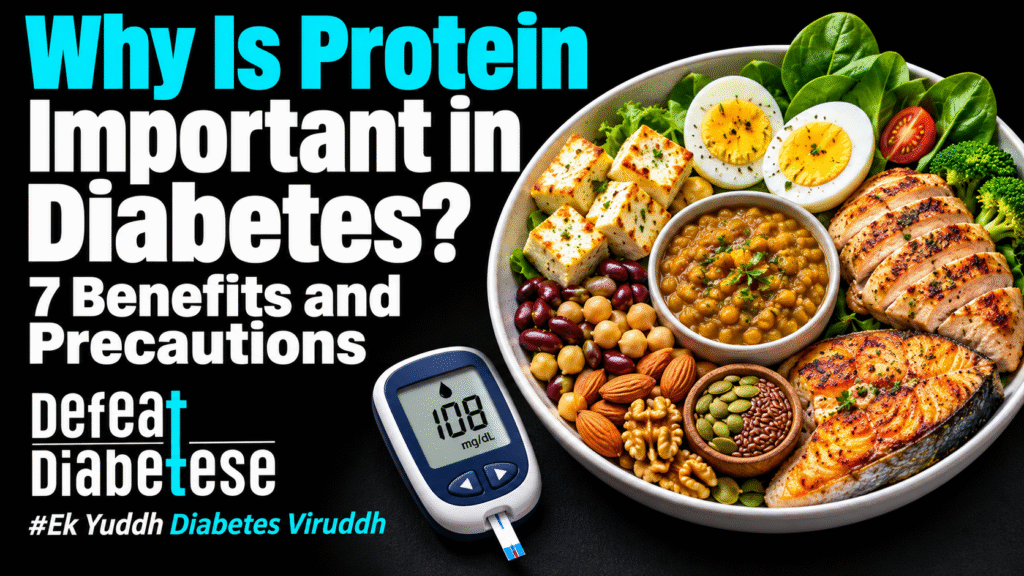
Why Is Protein Important in Diabetes? 7 Benefits and Precautions
Why is protein important in diabetes? Protein is an essential nutrient that supports muscle health, tissue repair, immune function, and overall well-being. For people living with diabetes, including appropriate amounts of protein in a balanced diet can also help create satisfying meals and support healthy eating habits.
Many people focus primarily on reducing sugar and carbohydrates after receiving a diabetes diagnosis. However, effective diabetes nutrition involves more than avoiding sweets. The right balance of protein, carbohydrates, healthy fats, fiber, and essential nutrients is important for long-term health.
Protein-rich foods such as lentils, beans, eggs, tofu, paneer, fish, chicken, and unsweetened dairy products can be included in a diabetes-friendly eating plan.
However, not all protein sources have the same nutritional value. Some contain significant amounts of carbohydrates, saturated fat, sodium, or added sugar.
Excessive protein intake may also be unsuitable for people with certain kidney conditions.
At Defeat Diabetese, we believe that understanding nutrition helps individuals make informed decisions about diabetes management.
This guide explains seven important benefits of protein, recommended intake considerations, the best Indian protein-rich foods, essential precautions, and practical meal-planning tips.
What Is Protein and Why Does Your Body Need It?
Protein is one of the three major macronutrients, alongside carbohydrates and fats.
It is made up of smaller components called amino acids, which are needed for numerous functions throughout the body.
Protein helps maintain muscles, produce enzymes and hormones, repair tissues, and support immune responses.
Unlike carbohydrates, protein generally does not cause a rapid increase in blood glucose when consumed on its own.
However, the effect of protein on blood sugar is not completely neutral. Large amounts may influence glucose levels later, especially in people using insulin.
In addition, many protein-rich foods contain carbohydrates.
For example, lentils and chickpeas provide valuable protein but also contribute carbohydrates that must be considered in diabetes meal planning.
The objective is not to consume unlimited protein. It is to obtain an appropriate amount from nutritious sources.
Why Is Protein Important in Diabetes?
Protein can be an important component of a balanced diabetes diet because it supports normal body functions while helping individuals plan nutritious meals.
However, protein does not cure diabetes, eliminate the need for medication, or guarantee stable glucose levels.
Its benefits depend on food quality, portion sizes, overall dietary pattern, and individual health requirements.
The following seven benefits explain why protein deserves attention in diabetes nutrition.
7 Important Benefits of Protein in Diabetes
1. Protein Supports Muscle Health
Muscles are important for movement, strength, balance, and metabolic health.
They also play a significant role in glucose utilization.
During physical activity, muscles use glucose for energy, helping support normal metabolic function.
Adequate dietary protein provides amino acids needed for muscle maintenance and repair.
This is particularly important for older adults, who may experience gradual age-related muscle loss.
People with diabetes who are physically inactive, losing weight unintentionally, or recovering from illness may also require nutritional assessment.
Practical Tip: Include a suitable protein source at meals and combine adequate nutrition with regular physical activity, including strength-building exercises when medically appropriate.
2. Protein May Help You Feel Fuller for Longer
Protein contributes to satiety, the feeling of fullness after eating.
A balanced meal containing adequate protein may help some people feel satisfied and reduce frequent snacking.
For example, adding eggs, tofu, paneer, or unsweetened curd to breakfast may make the meal more satisfying than eating refined carbohydrates alone.
However, the impact on appetite varies.
Protein-rich foods still contribute calories, so adding large portions without considering total energy intake may not support weight-management goals.
Practical Tip: Combine appropriate protein portions with vegetables, whole grains, and fiber-rich foods to support satisfying meals.
3. Protein Helps Build Balanced Blood Sugar-Friendly Meals
Protein generally produces a smaller immediate glucose response than carbohydrate-rich foods.
When included in mixed meals, it can influence digestion, satiety, and post-meal glucose patterns.
For example, a meal containing vegetables, a suitable portion of roti, and a protein-rich dish may be more balanced than a large serving of refined carbohydrates alone.
However, protein should not be viewed as a way to cancel out carbohydrates.
Rice, roti, dal, fruit, and other carbohydrate-containing foods can still raise blood glucose.
For individuals using insulin, mixed meals containing substantial protein and fat may sometimes cause delayed glucose changes.
Practical Tip: Monitor individual glucose responses and follow your prescribed carbohydrate and insulin management plan.
4. Protein Supports Tissue Repair and Recovery
Protein provides amino acids required to build and repair body tissues.
Adequate nutrition is particularly important when recovering from illness, injury, or surgery.
People with diabetes sometimes face challenges related to wound healing, especially when glucose levels are poorly managed or circulation is impaired.
Protein deficiency may interfere with normal tissue repair.
However, simply eating extra protein does not guarantee faster wound healing.
Wound care also requires appropriate blood glucose management, infection prevention, adequate energy intake, and medical treatment when necessary.
Practical Tip: If you have a persistent wound, seek medical care and ask whether nutritional assessment is appropriate.
5. Protein Supports Healthy Weight Management
Maintaining an appropriate body weight can support insulin sensitivity and overall metabolic health in many people with Type 2 diabetes.
Protein may help preserve lean body mass during weight loss when combined with adequate nutrition and suitable resistance exercise.
It may also support satiety, making balanced meal planning easier for some individuals.
However, high-protein diets are not automatically superior for everyone.
Weight management depends on overall calorie intake, sustainable eating patterns, physical activity, and individual medical needs.
Practical Tip: Focus on nutritious protein sources rather than relying on high-calorie protein snacks, supplements, or restrictive diets.
6. Protein Contributes to Immune Function
The immune system relies on proteins to produce antibodies and maintain normal immune responses.
Adequate protein intake is one component of good nutritional status.
People with diabetes should pay attention to overall nutrition, particularly during periods of illness or reduced appetite.
However, eating more protein than the body needs does not necessarily strengthen immunity.
A healthy immune system also depends on sufficient calories, vitamins, minerals, sleep, and appropriate medical care.
Practical Tip: Choose a varied eating pattern that provides protein alongside vegetables, fruits, whole grains, and other nutrient-rich foods.
7. Healthy Protein Choices Can Support Heart Health
People with diabetes have an increased risk of cardiovascular disease.
The type of protein consumed can influence the overall nutritional quality of the diet.
Plant-based foods such as beans, lentils, soy products, nuts, and seeds often provide fiber, unsaturated fats, or other beneficial nutrients.
Fish and lean poultry may also be appropriate options.
In contrast, frequently consuming processed meats or large amounts of fatty red meat can increase saturated fat or sodium intake.
Replacing some less nutritious protein choices with plant-based alternatives may support cardiovascular health.
Practical Tip: Prioritize legumes, soy products, suitable nuts, fish, and lean protein sources while limiting heavily processed meats.
How Much Protein Do People With Diabetes Need Daily?
There is no single ideal protein amount suitable for every person with diabetes.
Protein requirements depend on age, body weight, physical activity, nutritional status, kidney function, and individual health goals.
The American Diabetes Association’s 2026 Standards of Care explain that protein recommendations should be individualized.
For many adults, protein intake within approximately 0.8–1.5 grams per kilogram of body weight per day may be considered depending on their circumstances.
This is a broad range, not a recommendation that everyone should aim for the higher amount.
A basic reference intake for many healthy adults is approximately 0.8 grams per kilogram daily.
For example, a 70 kg adult at this reference level would consume about 56 grams of protein daily.
People who are older, physically active, recovering from illness, or managing other medical conditions may have different requirements.
People with chronic kidney disease require particular attention to protein quantity.
A registered dietitian can help establish an appropriate daily target.
Best Protein-Rich Indian Foods for Diabetes
Traditional Indian foods offer many protein sources suitable for vegetarian and nonvegetarian meal plans.
Moong Dal
Moong dal provides plant protein, fiber, and other nutrients.
It can be included in dal preparations, soups, or chilla recipes.
Remember that dal also provides carbohydrates.
Chickpeas and Rajma
Chickpeas and kidney beans contain protein and fiber.
They can be included in salads, curries, or balanced meals.
Portion sizes should account for their carbohydrate content.
Paneer
Paneer provides protein and calcium.
However, regular paneer can contain substantial saturated fat.
Choosing appropriate portions or lower-fat alternatives may help people managing cardiovascular risk.
Tofu and Soy Products
Tofu and other minimally processed soy foods provide plant-based protein.
They can be used in vegetable dishes, salads, and curries.
Eggs
Eggs provide high-quality protein and several important nutrients.
They can fit into many diabetes-friendly eating patterns when prepared with minimal added fat.
Fish and Skinless Chicken
Fish and skinless chicken are protein-rich options for people who eat nonvegetarian foods.
Grilled, baked, steamed, or lightly cooked preparations may be preferable to frequent deep-frying.
Unsweetened Curd and Yogurt
Plain curd and yogurt provide protein and other nutrients.
Choose unsweetened varieties and check food labels for carbohydrates and added sugar.
Nuts and Seeds
Almonds, walnuts, peanuts, chia seeds, and flaxseeds contain varying amounts of protein, healthy fats, and fiber.
Because nuts and seeds can be calorie-dense, portions matter.
Protein Content of Common Foods
The following values are approximate and vary with brand, recipe, and preparation method.
| Food | Typical Serving | Approximate Protein |
|---|---|---|
| Boiled egg | 1 large | 6 g |
| Cooked moong dal | 1 cup | 13–14 g |
| Cooked chickpeas | 1 cup | 14–15 g |
| Firm tofu | 100 g | 10–17 g |
| Paneer | 100 g | 15–20 g |
| Cooked skinless chicken breast | 100 g | 30–31 g |
| Milk | 1 cup | 8 g |
| Almonds | 28 g | 6 g |
These amounts are useful for general awareness but should not replace individualized nutrition planning.
7 Important Protein Precautions for People With Diabetes
1. Avoid Assuming More Protein Is Always Better
Extremely high protein intake is not necessary for good diabetes management.
A diet that emphasizes protein while severely restricting other essential nutrients may become unbalanced.
Individual needs should guide protein consumption.
2. Be Careful if You Have Kidney Disease
Diabetes is a major risk factor for chronic kidney disease.
For adults with diabetes and moderate-to-advanced chronic kidney disease who are not receiving dialysis, approximately 0.8 grams of protein per kilogram of body weight daily is commonly recommended.
People receiving dialysis may require more protein.
Do not follow a high-protein diet or restrict protein excessively without guidance from a kidney specialist or renal dietitian.
3. Remember That Some Protein Foods Contain Carbohydrates
Dal, beans, milk, yogurt, and several packaged protein products contain carbohydrates.
These foods can affect glucose levels.
Check portions and nutrition labels when planning meals.
4. Limit Processed Meat
Processed meats can contain significant sodium and saturated fat.
Frequent consumption may work against broader cardiovascular health goals.
Choose less processed sources more often.
5. Read Protein Supplement Labels
Protein powders and shakes vary considerably.
Some contain added sugars, high calorie levels, or ingredients that may not be suitable for everyone.
Protein supplements are not necessary for most people who can meet their needs through food.
Consult a healthcare professional before using them regularly, especially if you have kidney disease.
6. Do Not Replace Balanced Meals With Protein Alone
Vegetables, whole grains, fruits, and healthy fats provide nutrients that protein foods alone cannot supply.
Balanced nutrition is essential for digestive health, cardiovascular health, and overall well-being.
7. Coordinate Meal Changes With Diabetes Medication
Major dietary changes may affect glucose patterns, particularly in people using insulin or medicines that can cause hypoglycemia.
Do not make significant carbohydrate reductions or medication adjustments without discussing them with your diabetes care team.
Sample High-Protein Indian Meal Plan for Diabetes
This example shows how protein-containing foods may be distributed throughout the day.
Breakfast: Moong dal chilla with plain curd and vegetables.
Mid-Morning: A small portion of unsalted nuts and a suitable whole fruit.
Lunch: Whole-wheat roti, mixed vegetables, dal, salad, and tofu or paneer.
Evening Snack: Roasted chana or unsweetened yogurt.
Dinner: Grilled fish, chicken, or tofu with vegetables and an individualized portion of rice or roti.
This is an illustrative meal pattern, not a prescribed high-protein diet.
Actual portion sizes depend on calorie needs, glucose targets, medications, kidney function, and food preferences.
Protein and Blood Sugar: What Should You Remember?
Protein can help create satisfying and nutritionally balanced meals, but its effects on glucose depend on the complete meal.
A protein-rich meal may contain carbohydrates, fats, and substantial calories.
For people using insulin, large high-protein meals may cause delayed glucose increases.
Monitoring glucose trends can help individuals understand their responses to different meal combinations.
The most effective strategy is usually an individualized eating plan rather than focusing on one nutrient alone.
Frequently Asked Questions
1. Why is protein important in diabetes?
Protein supports muscles, tissue repair, immunity, and nutritional balance. It may also help people feel satisfied after meals.
2. Does protein raise blood sugar?
Protein generally has less immediate impact on glucose than carbohydrates, but large amounts can contribute to delayed glucose changes, particularly in insulin-treated diabetes.
3. How much protein should a person with diabetes eat?
Requirements vary. A registered dietitian can recommend an appropriate amount based on body weight, activity, kidney function, and overall medical needs.
4. Is paneer good for people with diabetes?
Paneer can provide protein, but portion size and saturated fat content should be considered.
5. Can people with diabetes eat eggs?
Yes. Eggs can be included in many balanced diabetes meal plans, depending on individual dietary needs.
6. Are protein powders necessary for diabetes?
No. Many people can obtain adequate protein through ordinary foods. Supplements may be useful in selected circumstances under professional guidance.
7. Is a high-protein diet safe for diabetic kidney disease?
High-protein diets may be inappropriate for people with chronic kidney disease. Protein intake should be individualized with medical and dietetic advice.
8. Which vegetarian foods provide protein?
Lentils, chickpeas, rajma, tofu, soy products, paneer, curd, nuts, and seeds are useful vegetarian options.
9. Can protein help with weight management?
Adequate protein may support fullness and muscle maintenance, but sustainable weight management also depends on overall diet and lifestyle.
10. Should people with diabetes replace carbohydrates with protein?
Not automatically. Carbohydrate portions may need adjustment, but excessively restrictive diets are not suitable for everyone. A balanced, personalized eating plan is preferable.
Conclusion
Understanding why protein is important in diabetes can help individuals build balanced meals and make informed nutrition choices.
Protein contributes to muscle health, tissue repair, immune function, satiety, and overall nutritional well-being.
However, the quality and quantity of protein are equally important.
Choosing nutritious sources such as lentils, beans, tofu, eggs, fish, lean poultry, and suitable dairy products can support a healthy diabetes eating pattern.
People with kidney disease, complex medication regimens, or specialized nutritional needs should seek individualized advice before changing protein intake significantly.
At Defeat Diabetese, we believe effective diabetes management begins with practical education, balanced nutrition, and sustainable lifestyle habits.
Choose balanced meals. Include quality protein. Manage diabetes with informed decisions.
Medical Disclaimer
This article is for general educational purposes only and does not replace professional medical advice, diagnosis, or individualized nutrition therapy. Protein needs vary, especially in people with kidney disease, pregnancy, or other medical conditions. Consult a qualified healthcare professional or registered dietitian before starting a high-protein diet or changing prescribed diabetes medication.
Medical References
- American Diabetes Association. Standards of Care in Diabetes—2026, Section 5: Facilitating Positive Health Behaviors and Well-being.
- American Diabetes Association. Standards of Care in Diabetes—2026, Section 11: Chronic Kidney Disease and Risk Management.
- American Diabetes Association. Protein Food for Diabetes.
- American Diabetes Association. Eating Well and Managing Diabetes.