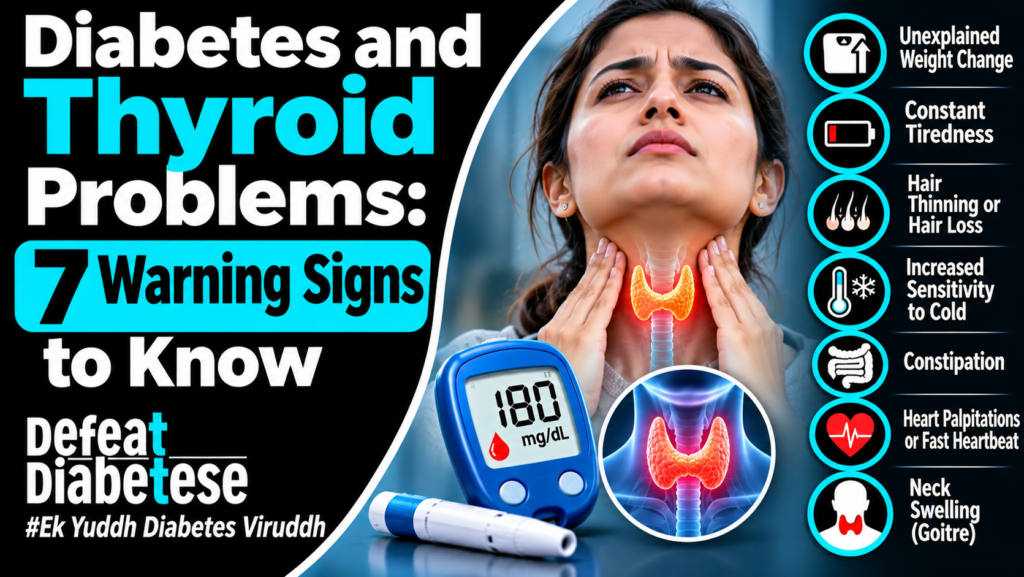
Diabetes and Thyroid Problems: 7 Warning Signs to Know
Introduction
Living with diabetes means paying attention to blood sugar levels, healthy eating, physical activity, and regular medical check-ups. However, many people do not realise that diabetes can also occur alongside other hormonal conditions, including thyroid disorders.
The thyroid is a small, butterfly-shaped gland located in the front of your neck. Despite its size, it plays an important role in regulating metabolism, energy levels, body temperature, heart rate, and several other essential functions.
When the thyroid produces too much or too little hormone, it can affect how your body uses energy and manages glucose.
The connection between diabetes and thyroid problems is particularly important because symptoms of thyroid dysfunction may overlap with symptoms of diabetes. Fatigue, unexplained weight changes, mood disturbances, and changes in heart rate can sometimes be overlooked or attributed to blood sugar fluctuations.
People with type 1 diabetes have an increased risk of autoimmune thyroid disease. Thyroid disorders are also commonly found among people with type 2 diabetes, although the underlying relationship is different.
Recognising the warning signs can help you seek appropriate testing and treatment.
In this article, we explain the relationship between diabetes and thyroid problems, seven important warning signs, how thyroid disorders may affect blood sugar, and practical steps to support your health.
Understanding the Connection Between Diabetes and Thyroid Problems
Diabetes and thyroid disorders are both conditions involving the endocrine system, which produces hormones that regulate essential body functions.
Diabetes affects how the body produces or responds to insulin, the hormone responsible for helping glucose enter cells.
Thyroid disorders affect the production of thyroid hormones, primarily thyroxine (T4) and triiodothyronine (T3). These hormones influence metabolism and the way the body uses energy.
The two major types of thyroid dysfunction are:
Hypothyroidism (Underactive Thyroid): This occurs when the thyroid gland does not produce enough thyroid hormone. Common symptoms include fatigue, weight gain, constipation, dry skin, and sensitivity to cold.
Hyperthyroidism (Overactive Thyroid): This occurs when the thyroid gland produces excessive thyroid hormone. Symptoms may include unexplained weight loss, increased sweating, rapid heartbeat, nervousness, and heat intolerance.
Both conditions can complicate diabetes management.
Hyperthyroidism may increase glucose production and insulin requirements, while hypothyroidism can change insulin metabolism and sometimes increase the risk of low blood sugar in people using insulin or certain glucose-lowering medicines.
However, the effects vary between individuals.
Understanding these connections is important because appropriate thyroid treatment may help make diabetes management more predictable.
7 Warning Signs of Thyroid Problems in People With Diabetes
1. Persistent Fatigue and Low Energy
Feeling tired occasionally is normal. However, persistent fatigue that does not improve with adequate rest may indicate an underlying health problem.
People with diabetes sometimes experience tiredness when blood glucose levels are too high or too low.
Thyroid dysfunction can produce similar symptoms.
In hypothyroidism, reduced thyroid hormone levels slow many metabolic processes, potentially causing fatigue, sluggishness, and difficulty concentrating.
Hyperthyroidism can also lead to exhaustion because the body remains in an overactive metabolic state.
Warning signs to watch for:
- Feeling exhausted despite sufficient sleep.
- Difficulty concentrating on daily tasks.
- Unusual weakness or reduced stamina.
- Persistent tiredness despite relatively stable glucose readings.
What should you do?
If fatigue continues or interferes with everyday activities, consult your healthcare professional.
Blood glucose monitoring and thyroid function tests may help identify possible causes.
Fatigue alone does not confirm thyroid disease because anaemia, sleep disorders, medication effects, and other conditions can cause similar symptoms.
2. Unexplained Weight Gain or Weight Loss
Unexpected changes in body weight may be another sign of thyroid dysfunction.
Thyroid hormones influence metabolic rate, which affects how the body uses and stores energy.
When thyroid hormone production is insufficient, metabolism may slow, contributing to modest weight gain. Some of this change may result from fluid retention.
An overactive thyroid can increase energy expenditure and cause weight loss, sometimes despite a normal or increased appetite.
However, uncontrolled diabetes can also cause unexplained weight loss.
This makes it important to investigate significant weight changes rather than assuming they are related to diet or exercise.
Warning signs to watch for:
- Weight gain without a clear change in eating habits.
- Unexpected weight loss.
- Changes in appetite.
- Difficulty maintaining your usual weight.
What should you do?
Track changes in weight over time and discuss unexplained changes with your doctor.
Thyroid testing, glucose assessment, medication review, and other investigations may be appropriate.
3. Unusual Blood Sugar
One of the most important reasons to understand diabetes and thyroid problems is their potential interaction with blood glucose regulation.
Thyroid hormones influence glucose absorption, liver glucose production, insulin metabolism, and energy use.
Hyperthyroidism may increase glucose production and contribute to higher blood sugar readings.
Hypothyroidism can affect insulin clearance and glucose metabolism. In some people taking insulin or certain diabetes medicines, this may contribute to an increased risk of hypoglycemia.
However, thyroid disorders do not always produce a predictable glucose pattern.
Some individuals may notice increased glucose variability rather than consistently high or low readings.
Warning signs to watch for:
- Repeated glucose readings outside your usual target range.
- Unexpected episodes of low blood sugar.
- Higher glucose readings without an obvious explanation.
- Changes in insulin or medication requirements.
What should you do?
Review your glucose records and discuss persistent changes with your diabetes healthcare team.
Your doctor may recommend thyroid function testing when clinically indicated.
Never adjust prescribed insulin or other diabetes medicines independently because you suspect a thyroid problem.
4. Increased Sensitivity to Cold or Heat
Thyroid hormones help regulate body temperature and energy production.
An underactive thyroid may cause increased sensitivity to cold temperatures.
Someone with hypothyroidism may feel unusually cold even when others are comfortable.
In contrast, an overactive thyroid may cause heat intolerance, excessive sweating, and a feeling of being unusually warm.
These symptoms may become more noticeable during seasonal temperature changes.
Warning signs to watch for:
- Feeling cold in normal room temperatures.
- Frequently needing extra layers of clothing.
- Excessive sweating without heavy activity.
- Feeling unusually hot or uncomfortable.
What should you do?
If temperature sensitivity persists alongside fatigue, weight changes, or other symptoms, seek medical evaluation.
Remember that sweating may also be a symptom of low blood sugar.
If you have diabetes and suddenly develop sweating, shakiness, or confusion, check your glucose promptly and follow your prescribed hypoglycemia treatment plan.
5. Hair Loss, Dry Skin, and Changes in Appearance
Changes in hair and skin can sometimes provide clues about thyroid health.
Hypothyroidism may cause dry, rough skin, brittle hair, and increased hair shedding.
Hyperthyroidism can also contribute to hair thinning and changes in skin texture.
However, diabetes itself may be associated with dry skin and certain skin problems.
Nutritional deficiencies, stress, ageing, and other medical conditions can produce similar changes.
Therefore, hair loss or dry skin should not automatically be attributed to thyroid dysfunction.
Warning signs to watch for:
- Increased hair thinning or shedding.
- Persistent dry or rough skin.
- Brittle hair.
- Changes in skin texture.
What should you do?
Discuss persistent symptoms with your healthcare professional.
A clinical assessment may include thyroid testing or investigations for nutritional deficiencies when appropriate.
Avoid starting thyroid supplements or hormone preparations without medical advice.
6. Changes in Heart Rate and Mood
Thyroid hormones influence cardiovascular function and nervous system activity.
Hyperthyroidism may cause a rapid heartbeat, palpitations, anxiety, irritability, and difficulty sleeping.
Hypothyroidism may be associated with a slower heart rate, low mood, reduced concentration, and mental sluggishness.
These symptoms can affect quality of life and may complicate the daily demands of diabetes management.
However, mood changes and palpitations can also have other causes, including low blood sugar, caffeine, medication effects, and cardiovascular conditions.
Warning signs to watch for:
- Unexplained rapid or unusually slow heartbeat.
- Frequent palpitations.
- Increased nervousness or irritability.
- Persistent low mood.
- Difficulty concentrating.
What should you do?
Consult your doctor if these symptoms are new or persistent.
Seek urgent medical care for chest pain, fainting, severe shortness of breath, or a sustained rapid heartbeat accompanied by significant symptoms.
7. Constipation or Frequent Bowel Movements
Digestive changes may also be associated with thyroid disorders.
Thyroid hormones influence intestinal movement.
Hypothyroidism can slow digestive activity, leading to constipation.
Hyperthyroidism may increase intestinal activity, causing more frequent bowel movements or loose stools.
People with diabetes may also experience digestive symptoms due to medication effects, dietary changes, or diabetes-related nerve dysfunction.
For example, metformin can cause gastrointestinal side effects in some individuals.
This overlap makes it important to consider several possible explanations.
Warning signs to watch for:
- Persistent constipation.
- Unexplained frequent bowel movements.
- Changes in normal bowel habits.
- Digestive symptoms accompanied by weight changes or fatigue.
What should you do?
Speak with your healthcare professional if bowel changes persist.
Seek prompt assessment for severe abdominal pain, blood in the stool, persistent vomiting, or signs of dehydration.
Why Are People With Diabetes at Risk of Thyroid Disorders?
The relationship depends partly on the type of diabetes.
Type 1 Diabetes and Autoimmune Thyroid Disease
Type 1 diabetes is an autoimmune condition in which the immune system attacks insulin-producing cells in the pancreas.
People with type 1 diabetes have a higher risk of developing other autoimmune disorders, including Hashimoto’s thyroiditis and Graves’ disease.
Hashimoto’s thyroiditis commonly causes hypothyroidism, while Graves’ disease commonly causes hyperthyroidism.
Because of this association, thyroid screening is an important part of type 1 diabetes care.
Type 2 Diabetes and Thyroid Dysfunction
Thyroid disorders also occur in people with type 2 diabetes.
Age, sex, body weight, family history, autoimmune conditions, and other factors may influence risk.
Hypothyroidism is commonly reported among people with type 2 diabetes, but the relationship does not mean that type 2 diabetes directly causes thyroid disease.
Healthcare professionals assess thyroid symptoms and individual risk factors when deciding whether testing is necessary.
How Are Thyroid Problems Diagnosed in People With Diabetes?
Thyroid problems are generally evaluated using medical history, physical examination, and blood tests.
TSH Test
Thyroid-stimulating hormone (TSH) is commonly used as an initial test to assess thyroid function.
High TSH may suggest an underactive thyroid, while low TSH may suggest an overactive thyroid.
However, results must be interpreted in the context of other tests and clinical circumstances.
Free T4 Test
Free thyroxine (Free T4) helps assess the amount of circulating thyroid hormone available to the body.
It is often measured when TSH is abnormal.
Additional Thyroid Tests
Depending on the suspected condition, a doctor may recommend Free T3, thyroid antibody tests, or thyroid imaging.
For people with type 1 diabetes, thyroid antibody testing and periodic TSH assessment may be recommended according to clinical guidelines and individual circumstances.
Routine thyroid screening for every person with type 2 diabetes is not universally recommended; testing is guided by symptoms and risk factors.
Can Thyroid Treatment Improve Blood Sugar Management?
Treating thyroid dysfunction can support overall metabolic health and may make glucose management more predictable.
Hypothyroidism is commonly treated with levothyroxine, a prescribed thyroid hormone replacement medicine.
Hyperthyroidism may be treated with antithyroid medication, radioactive iodine, surgery, or other approaches depending on the underlying cause.
As thyroid hormone levels change during treatment, blood glucose patterns and diabetes medication requirements may also change.
For this reason, people with diabetes may need closer glucose monitoring when thyroid treatment begins or is adjusted.
The goal is to treat both conditions appropriately, rather than assuming that thyroid medication alone will correct abnormal blood sugar levels.
Always follow your doctor’s treatment plan.
7 Practical Tips for Managing Diabetes and Thyroid Problems
1. Monitor Blood Sugar Consistently
Follow your recommended blood glucose monitoring schedule.
Pay attention to repeated changes in glucose patterns, especially when thyroid treatment is started or adjusted.
2. Attend Regular Medical Appointments
Keep follow-up appointments with your diabetes healthcare team.
Discuss new symptoms such as persistent fatigue, unexplained weight changes, or palpitations.
3. Take Medicines as Prescribed
Take diabetes and thyroid medicines according to professional instructions.
Levothyroxine often requires specific timing relative to meals and certain supplements, so follow your prescription and pharmacist’s advice.
4. Maintain Balanced Nutrition
Choose balanced meals containing vegetables, whole grains, suitable protein sources, and healthy fats.
Avoid unnecessary restrictive diets or unregulated thyroid supplements.
5. Stay Physically Active
Regular physical activity can support insulin sensitivity, cardiovascular health, and overall well-being.
Choose exercise appropriate for your health status.
People with untreated significant hyperthyroidism should obtain medical guidance before strenuous activity.
6. Prioritise Sleep and Stress Management
Maintain consistent sleep habits and manage stress through suitable relaxation practices.
Persistent sleep problems should be discussed with your healthcare professional.
7. Recognise Symptoms Early
Do not ignore persistent changes in energy, weight, heart rate, bowel habits, or temperature tolerance.
Early evaluation can help identify thyroid dysfunction and other medical conditions.
Frequently Asked Questions (FAQs)
1. Can diabetes cause thyroid problems?
Diabetes and thyroid disorders can occur together. People with type 1 diabetes have an increased risk of autoimmune thyroid disease. Thyroid disorders also occur in people with type 2 diabetes, but diabetes does not necessarily cause them.
2. What are the early signs of thyroid problems in diabetes?
Possible signs include persistent fatigue, unexplained weight changes, unusual glucose fluctuations, temperature sensitivity, hair thinning, changes in heart rate, and altered bowel habits.
3. Can hypothyroidism increase blood sugar?
Hypothyroidism can affect glucose metabolism and insulin requirements. Its effect on blood sugar varies, and some people using insulin may be more susceptible to low glucose levels.
4. Can hyperthyroidism cause high blood sugar?
Yes. Excess thyroid hormone can increase liver glucose production and alter insulin requirements, potentially contributing to higher blood sugar levels.
5. Which thyroid test is most important?
TSH is commonly used as the initial screening test. Free T4 and other investigations may be needed depending on the results and clinical circumstances.
6. Should everyone with diabetes get thyroid testing?
People with type 1 diabetes generally require thyroid screening as part of their care. For type 2 diabetes, testing depends on symptoms, medical history, and individual risk factors.Diabetes and ThyroidDiabetes and Thyroid
7. Can thyroid problems and diabetes be managed together?
Yes. Both conditions can usually be managed with appropriate medical treatment, monitoring, healthy habits, and regular follow-up appointments.Diabetes and ThyroidDiabetes and Thyroid
Conclusion
Diabetes and thyroid problems are closely connected through the body’s hormonal and metabolic systems.Diabetes and ThyroidDiabetes and Thyroid
Although thyroid disorders do not affect everyone with diabetes, recognising possible warning signs is important.Diabetes and ThyroidDiabetes and Thyroid
Persistent fatigue, unexplained weight changes, unusual blood glucose fluctuations, temperature sensitivity, hair and skin changes, altered heart rate, and digestive problems may all indicate the need for further evaluation.Diabetes and ThyroidDiabetes and Thyroid
These symptoms are not specific to thyroid disease, so proper medical assessment is essential.Diabetes and ThyroidDiabetes and Thyroid
With timely diagnosis, appropriate treatment, and consistent diabetes care, many people can manage both conditions effectively.Diabetes and ThyroidDiabetes and Thyroid
At Defeat Diabetese, we believe that better diabetes management begins with understanding the whole body, not just blood sugar numbers.Diabetes and ThyroidDiabetes and Thyroid
Stay informed, recognise changes early, and take proactive steps towards better hormonal and metabolic health.
Medical Disclaimer: This article is intended for educational purposes only and does not replace professional medical advice, diagnosis, or treatment. Thyroid symptoms may overlap with other conditions. Consult a qualified healthcare professional for personalised testing, treatment, and diabetes management.Diabetes and ThyroidDiabetes and ThyroidDiabetes and Thyroid