
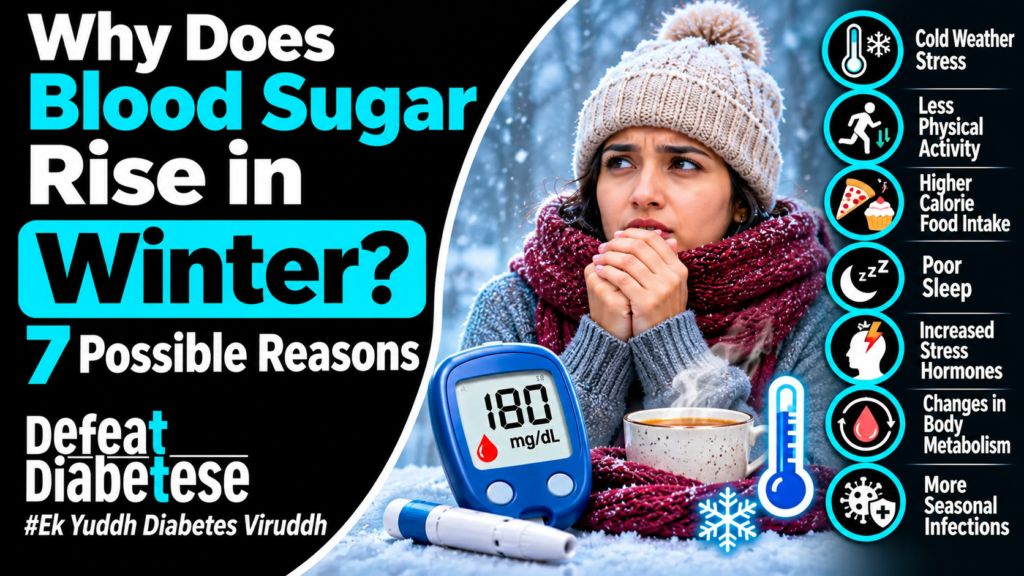
Why Does Blood Sugar Rise in Winter? 7 Possible Reasons
Introduction
Winter brings cooler temperatures, warm clothing, comforting meals and changes in daily routines. While many people enjoy the colder season, individuals living with diabetes may notice unexpected changes in their blood sugar levels.
Have you ever checked your glucose during winter and wondered why your readings are higher than usual, even though you are following the same diabetes management routine?
You are not alone. Some people with diabetes experience higher blood glucose levels during colder months. However, this does not happen to everyone, and the reasons can vary.
Changes in physical activity, seasonal eating habits, illness, stress hormones and medication routines may all influence glucose management. Cold weather can also affect the performance of diabetes monitoring equipment if it is stored or used outside the manufacturer’s recommended temperature range.
Understanding why blood sugar rises in winter can help you recognise possible triggers and make informed decisions about your diabetes care.
In this article, we explore seven possible reasons for higher blood sugar during winter, practical prevention strategies and important precautions for people living with diabetes.
Does Blood Sugar Really Increase During ?
Blood glucose levels can change throughout the year. Some studies have observed seasonal differences in HbA1c, with higher average levels during colder months in certain populations.
However, winter does not automatically cause high blood sugar.
The relationship between cold weather and glucose regulation is influenced by several factors, including lifestyle, temperature exposure, illness and individual health conditions.
For example, someone who becomes less physically active during winter may experience reduced insulin sensitivity. Another person may notice higher glucose readings while recovering from a seasonal infection.
People who maintain consistent exercise, balanced meals and appropriate diabetes treatment may experience little seasonal change.
Rather than assuming that winter is responsible for every high reading, it is important to examine your glucose patterns and identify possible contributing factors.
7 Possible Reasons Why Blood Sugar Rises in Winter
1. Reduced Physical Activity During Cold Weather
One of the most common reasons for changes in blood glucose during winter is reduced physical activity.
Cold mornings, shorter daylight hours and uncomfortable outdoor temperatures may discourage people from walking, cycling or exercising regularly.
Physical activity helps muscles use glucose for energy. It also improves insulin sensitivity, allowing the body to respond more effectively to insulin.
When activity levels decrease, muscles may use less glucose, potentially contributing to higher blood sugar levels.
For example, someone who normally walks for 30 minutes every morning may stop exercising during colder weeks. If their food intake and medication routine remain unchanged, their glucose readings may gradually increase.
What can you do?
Maintain a regular exercise routine even when outdoor conditions are uncomfortable.
Indoor walking, stretching, yoga, stationary cycling and light resistance exercises are useful options.
Many adults with diabetes can aim for at least 150 minutes of moderate-intensity physical activity per week, depending on their health and medical advice.
If you use insulin or medication that can cause hypoglycemia, discuss exercise-related precautions with your healthcare professional.
2. Increased Consumption of High-Carbohydrate Comfort Foods
Winter often changes eating habits.
Many people enjoy warm snacks, sweets, fried foods, sweetened tea, coffee and larger meals during colder months.
Traditional winter foods may include nutritious ingredients, but some preparations contain significant amounts of sugar, refined carbohydrates or added fats.
For example, frequently consuming sweets, biscuits, fried snacks and sugary beverages can increase overall carbohydrate intake.
Carbohydrates are broken down into glucose during digestion. Eating more carbohydrates than usual, particularly without adjusting other aspects of a prescribed diabetes management plan, may contribute to higher post-meal glucose readings.
However, carbohydrates do not need to be eliminated completely.
What can you do?
Choose balanced meals containing vegetables, pulses, whole grains and suitable protein sources.
Pay attention to portion sizes and avoid frequently consuming sugar-sweetened beverages.
Enjoy seasonal foods in moderation while considering their carbohydrate content.
A registered dietitian can help you create a winter meal plan that supports blood glucose management without unnecessarily restricting nutritious foods.
3. Seasonal Illnesses and Infections
Winter is associated with increased circulation of certain respiratory infections in many regions.
Influenza, colds and other infections may affect blood glucose levels in people with diabetes.
When the body fights an infection, it releases stress hormones such as cortisol and adrenaline.
These hormones can stimulate the liver to release glucose and temporarily reduce insulin sensitivity.
As a result, blood sugar may rise even when someone is eating less than usual.
Fever, dehydration and changes in daily routines can further complicate diabetes management.
In some circumstances, illness can also cause low blood glucose, especially when food intake decreases while glucose-lowering medicines continue to act.
What can you do?
Follow your personalised diabetes sick-day plan.
Monitor blood glucose more frequently when advised, stay adequately hydrated and follow medical guidance regarding medicines.
Ask your healthcare professional whether you need ketone testing during illness.
Seek urgent medical attention if you develop repeated vomiting, severe weakness, difficulty breathing, dehydration or signs of diabetic ketoacidosis.
4. Stress Hormones and the Body’s Response to Cold
The body responds to cold temperatures by activating mechanisms that help maintain normal body temperature.
Cold exposure can influence the sympathetic nervous system and hormones involved in energy regulation.
Hormones such as adrenaline may increase the availability of glucose in the bloodstream.
However, the effect of cold exposure on blood glucose is complex. It varies with the intensity and duration of exposure, physical activity, metabolic health and individual responses.
Cold temperatures do not consistently raise blood sugar in every person.
Psychological stress, poor sleep and seasonal changes in daily routines may also influence glucose regulation.
What can you do?
Dress appropriately for cold weather and avoid prolonged exposure to extreme temperatures.
Maintain regular meals, sleep and activity routines.
Practise stress-management techniques such as relaxation, breathing exercises or gentle physical activity.
If your glucose readings repeatedly rise during colder weather, review the pattern with your healthcare team rather than assuming cold exposure is the only cause.
5. Changes in Sleep Patterns and Daily Routine
Winter may affect sleeping habits and daily schedules.
Some people wake up later, spend more time indoors or change their usual meal and exercise timings.
Sleep quality plays an important role in insulin sensitivity and metabolic health.
Insufficient sleep can affect hormones involved in glucose regulation and appetite.
Poor sleep may also increase cravings for energy-dense foods and reduce motivation for physical activity.
These changes can indirectly contribute to higher blood glucose levels.
For example, someone who sleeps poorly, skips their usual morning walk and eats a larger breakfast may notice higher glucose readings than usual.
What can you do?
Maintain consistent sleeping and waking times.
Most adults should aim for approximately seven to nine hours of sleep per night, although individual needs vary.
Avoid excessive caffeine late in the day and maintain a comfortable sleeping environment.
If you experience loud snoring, interrupted breathing during sleep or persistent daytime sleepiness, discuss possible sleep apnea with your healthcare professional.
6. Dehydration and Reduced Water Intake
Many people naturally drink less water during winter because they feel less thirsty.
However, the body still requires adequate hydration during colder months.
Indoor heating, dry air, physical activity and illness can contribute to fluid loss.
Dehydration can affect blood glucose readings because reduced fluid volume may increase the concentration of glucose in the blood.
High blood glucose can also cause frequent urination, which may worsen dehydration.
This can create a cycle in which elevated glucose and fluid loss occur together.
What can you do?
Drink water regularly throughout the day rather than relying entirely on thirst.
Unsweetened beverages may contribute to daily fluid intake.
Limit frequent consumption of sugar-sweetened drinks.
People with kidney disease, heart failure or medical conditions requiring fluid restriction should follow their healthcare professional’s recommendations.
Seek medical advice if you experience persistent thirst, dizziness, very dark urine or signs of dehydration.
7. Changes in Medication Routine and Glucose Monitoring
Winter can disrupt normal schedules, especially during holidays, travel or changes in daily activities.
Some people may take medicines later than usual, miss doses or change meal timing.
These changes can affect blood glucose management.
Cold weather can also influence diabetes equipment.
Insulin and certain other injectable medicines must be stored according to the manufacturer’s instructions. Freezing can damage insulin and make it unsuitable for use.
Glucose meters and test strips also have recommended operating and storage temperature ranges.
If equipment becomes too cold, it may display an error or produce unreliable readings.
What can you do?
Take diabetes medicines exactly as prescribed.
Protect insulin and monitoring supplies from freezing temperatures.
Avoid leaving diabetes supplies in cold vehicles or exposed outdoor locations.
Allow a glucose meter to reach its recommended operating temperature before testing, according to its instructions.
If a reading seems inconsistent with how you feel, repeat the test using the manufacturer’s guidance and seek medical advice when necessary.
Never increase or decrease medication doses independently because of seasonal changes.
How to Manage Blood Sugar During Winter: 7 Practical Tips
Understanding possible causes is only the first step. The following strategies can help you maintain a more consistent diabetes care routine during colder months.
1. Monitor Your Blood Glucose Regularly
Check your glucose according to your personalised diabetes management plan.
Pay attention to patterns rather than focusing on a single reading.
If you use a continuous glucose monitor, review changes related to meals, activity, illness and sleep.
Discuss repeated readings outside your target range with your healthcare professional.
2. Stay Physically Active Indoors
Cold weather does not have to mean stopping exercise.
Try indoor walking, chair exercises, stretching or light resistance training.
Breaking up long periods of sitting with short activity sessions may also help.
Choose activities appropriate for your age, fitness level and medical conditions.
3. Plan Balanced Winter Meals
Include fibre-rich vegetables, whole grains, pulses and appropriate protein sources.
Be mindful of portion sizes when enjoying winter sweets and snacks.
Try to maintain consistent meal timings, particularly if your diabetes medicines require coordination with food intake.
4. Stay Hydrated
Keep water accessible throughout the day.
Warm water or unsweetened beverages may be more appealing during cold weather.
Avoid assuming that you need less fluid simply because you are sweating less.
Follow medical advice if you have been instructed to limit fluids.
5. Protect Yourself From Seasonal Illness
Wash your hands regularly and avoid close contact with people who are unwell when practical.
Stay up to date with recommended vaccinations, including influenza and other vaccines appropriate for your age and health status.
Keep a sick-day management plan available.
6. Protect Your Diabetes Medicines and Supplies
Check the storage instructions for insulin, glucose meters, test strips and other diabetes supplies.
Avoid freezing insulin or exposing equipment to temperatures outside the recommended range.
During travel, use suitable storage methods without allowing insulin to come into direct contact with frozen cooling materials.
7. Maintain Regular Medical Check-Ups
Regular follow-up appointments can help identify seasonal changes in diabetes management.
Your healthcare professional may review your HbA1c, glucose records, blood pressure, medication routine and other health indicators.
If winter readings are consistently higher, your treatment plan may need professional review.
Does Cold Weather Affect Insulin?
Cold weather can affect insulin primarily through improper storage and changes in daily routines.
Insulin should never be allowed to freeze. Frozen insulin may lose effectiveness, even after thawing.
Different insulin products have specific storage requirements, including temperature limits and permitted periods of use after opening.
Always follow the product instructions and ask your pharmacist if you are unsure whether insulin has been exposed to unsafe temperatures.
Cold weather may also affect glucose management indirectly through changes in exercise, meals and illness.
Do not assume that insulin requirements automatically increase in winter. Individual needs vary, and any dose adjustments should be guided by your diabetes healthcare team.Blood Sugar in WinterBlood Sugar in Winter
When Should You Consult a Doctor?
Occasional glucose fluctuations can occur for many reasons. However, persistent high readings deserve attention.Blood Sugar in WinterBlood Sugar in Winter
Contact your healthcare professional if your glucose remains above your personalised target range, your usual treatment seems less effective or you experience increased thirst, frequent urination, fatigue or unexplained weight loss.Blood Sugar in WinterBlood Sugar in WinterBlood Sugar in Winter
During illness, follow your sick-day plan and seek advice about persistent hyperglycemia and ketone testing when appropriate.Blood Sugar in WinterBlood Sugar in Winter
Seek emergency care if you develop severe vomiting, abdominal pain, deep or rapid breathing, confusion, marked drowsiness or fruity-smelling breath. These may be signs of a serious diabetes-related emergency.Blood Sugar in WinterBlood Sugar in Winter
Early medical attention can help prevent complications.Blood Sugar in WinterBlood Sugar in Winter
Frequently Asked Questions (FAQs)
1. Why does blood sugar rise in winter?
Possible reasons include reduced physical activity, increased carbohydrate intake, seasonal infections, sleep changes, dehydration and disruptions to diabetes medication routines. Cold exposure may also influence stress hormones, but its effects vary between individuals.
2. Does cold weather directly increase blood sugar?
Not necessarily. Cold exposure can affect physiological processes involved in glucose regulation, but it does not consistently raise blood sugar in everyone. Lifestyle changes and illness may explain many seasonal differences.
3. Is diabetes more difficult to manage during winter?
Some people find diabetes management more challenging during winter because of reduced exercise, changes in food habits and seasonal illnesses. Maintaining consistent routines can help.
4. Can winter dehydration increase blood sugar?
Yes. Dehydration may contribute to higher measured blood glucose concentrations. Drinking adequate fluids is important unless your healthcare professional has advised fluid restriction.
5. Should insulin doses be increased during winter?
Not automatically. Insulin needs vary between individuals and can change for several reasons. Never adjust insulin doses solely because of the season without following an established treatment plan or obtaining professional guidance.Blood Sugar in WinterBlood Sugar in WinterBlood Sugar in WinterBlood Sugar in Winter
6. Can walking indoors help control blood sugar?
Yes. Regular indoor walking and other suitable physical activities can improve insulin sensitivity and support glucose management.Blood Sugar in WinterBlood Sugar in WinterBlood Sugar in WinterBlood Sugar in Winter
7. Does winter affect glucose meter accuracy?
Very cold temperatures can affect the performance of some glucose meters and test strips. Follow the manufacturer’s temperature recommendations and avoid testing with equipment outside its specified operating range.Blood Sugar in WinterBlood Sugar in Winter
Conclusion
Winter can bring changes in blood glucose levels for some people living with diabetes, but higher readings are not inevitable.Blood Sugar in WinterBlood Sugar in Winter
Reduced physical activity, high-carbohydrate comfort foods, seasonal infections, stress responses, disrupted sleep, dehydration and changes in medication routines may all contribute.Blood Sugar in WinterBlood Sugar in Winter
Understanding why blood sugar rises in winter can help you recognise possible triggers and take appropriate steps.Blood Sugar in WinterBlood Sugar in Winter
Maintain a balanced diet, stay physically active, monitor glucose regularly, protect your diabetes supplies and follow your prescribed treatment plan.Blood Sugar in WinterBlood Sugar in Winter
At Defeat Diabetese, we believe that diabetes awareness and practical daily habits can help people make informed decisions about their health.Blood Sugar in WinterBlood Sugar in Winter
Stay warm, stay active and keep your diabetes care consistent throughout the winter season.
Medical Disclaimer: This article is for educational purposes only and does not replace professional medical advice, diagnosis or treatment. Blood glucose responses to seasonal changes vary. Consult a qualified healthcare professional for personalised diabetes management and medication guidance.Blood Sugar in WinterBlood Sugar in WinterBlood Sugar in Winter