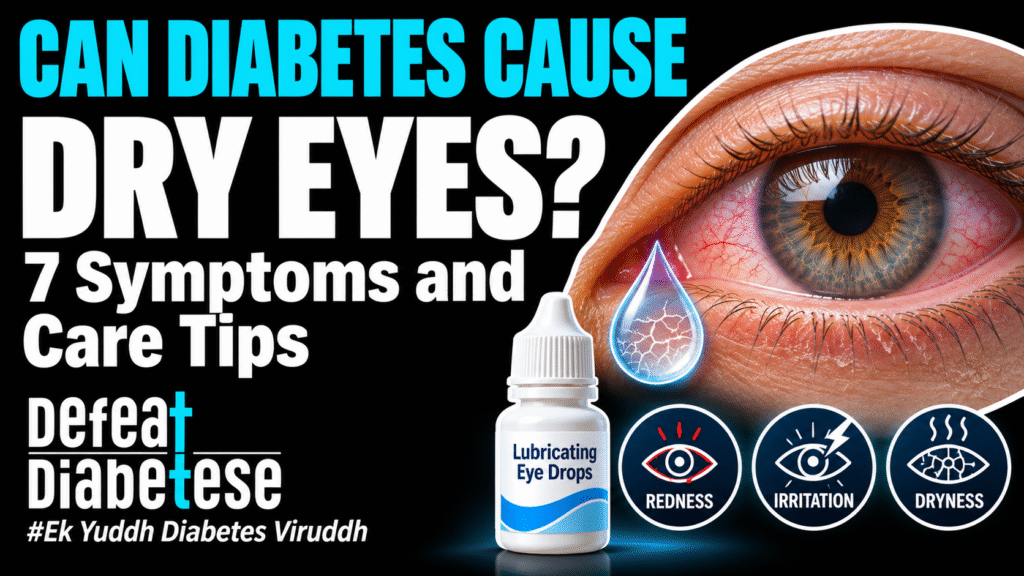
Can Diabetes Cause Dry Eyes? 7 Warning Symptoms and Effective Care Tips
Can diabetes cause dry eyes? Yes, diabetes can increase the risk of dry eye disease, a condition that causes discomfort, irritation, and sometimes blurred vision. While many people know that diabetes can damage the retina and affect eyesight, fewer are aware that it can also interfere with the natural tear system.
Healthy tears are essential for keeping the eyes comfortable, protecting the cornea, and maintaining clear vision. When the eyes produce insufficient tears or tears evaporate too quickly, dryness and irritation may develop.
People with diabetes may experience dry eyes because of changes involving tear glands, corneal nerves, inflammation, and eyelid function. However, diabetes is not the only cause. Aging, medications, environmental conditions, and prolonged screen use can also contribute.
At Defeat Diabetese, we believe that protecting eye health is an important part of comprehensive diabetes management.
In this article, we explore seven warning symptoms of dry eyes, possible causes, treatment options, and practical tips for maintaining healthy vision.
What Is Dry Eye Disease?
Dry eye disease occurs when the eyes cannot maintain a healthy, stable tear film.
Tears are more than just water. They contain oily, watery, and mucous components that help lubricate and protect the eye’s surface.
The oily layer reduces evaporation, the watery layer provides moisture, and the mucous layer helps tears spread evenly.
When one or more of these components do not function properly, the eyes may become dry, irritated, or uncomfortable.
Dry eye disease generally involves two overlapping problems:
Aqueous-deficient dry eye: The eyes do not produce enough watery tears.
Evaporative dry eye: Tears evaporate too quickly, frequently because of problems with the oil-producing glands in the eyelids.
Both types can occur in people with diabetes.
Can Diabetes Cause Dry Eyes?
Diabetes is an established risk factor for dry eye disease.
Long-term metabolic changes may affect the glands and nerves responsible for maintaining a healthy tear film.
Elevated blood glucose can contribute to inflammation, nerve dysfunction, and changes in the tissues surrounding the eyes.
The lacrimal glands produce the watery component of tears, while the meibomian glands in the eyelids release oils that help prevent evaporation.
Diabetes may interfere with the function of these glands.
However, not everyone with diabetes develops dry eyes, and eye discomfort should not automatically be attributed to blood glucose.
A comprehensive eye examination can help identify the cause.
Why Are Dry Eyes More Common in People With Diabetes?
Several mechanisms may contribute to dry eye symptoms.
Changes in Tear Production
Diabetes-related metabolic and nerve changes may interfere with normal lacrimal gland function, potentially reducing tear production.
Corneal Nerve Dysfunction
The cornea contains sensitive nerves that contribute to normal blinking and tear regulation.
Diabetes-associated nerve changes may disturb these protective processes.
Eyelid Oil Gland Problems
The meibomian glands produce oils that help prevent rapid tear evaporation.
When these glands become blocked or function poorly, the tear film may become unstable.
Inflammation
Inflammation can affect the surface of the eyes and the glands involved in tear production.
Additional Risk Factors
Age, hormonal changes, certain medicines, contact lens use, and dry environments may increase symptoms independently of diabetes.
Recognizing these factors is important because treatment should address the underlying cause whenever possible.
7 Warning Symptoms of Dry Eyes in Diabetes
Dry eye symptoms can range from mild irritation to discomfort that interferes with reading, work, and daily activities.
1. Burning or Stinging Sensation
One of the most common symptoms is a burning or stinging feeling in the eyes.
People may notice discomfort after working on a computer, sitting in an air-conditioned room, or spending time outdoors.
An unstable tear film can leave the eye surface more vulnerable to irritation.
Care Tip: Take regular screen breaks, avoid direct airflow toward your face, and ask an eye care professional about appropriate lubricating drops.
2. Redness and Irritation
Dry eyes may appear red because the eye surface becomes irritated or inflamed.
Redness can worsen after exposure to smoke, dust, pollution, or wind.
However, red eyes may also indicate allergy, infection, injury, or other conditions.
Care Tip: Avoid rubbing your eyes. Seek prompt evaluation if redness is accompanied by significant pain, light sensitivity, discharge, or changes in vision.
3. Blurred or Fluctuating Vision
Healthy tears create a smooth optical surface that helps maintain clear vision.
When the tear film becomes unstable, vision may temporarily blur, particularly during prolonged reading or screen use.
Blinking may briefly improve clarity.
However, blurred vision in diabetes can have other important causes, including glucose-related changes, cataracts, or diabetic retinopathy.
Care Tip: Do not assume blurred vision is simply dryness. Arrange an eye examination, particularly if the symptom is persistent or new.
4. Feeling Something Is Stuck in Your Eye
Some individuals describe a gritty, sandy, or scratchy sensation.
It may feel as though a small particle is trapped beneath the eyelid.
This can happen when the eye surface is inadequately lubricated.
Care Tip: Avoid rubbing the eye or repeatedly touching it. If you suspect an actual foreign object or the sensation persists, seek professional assessment.
5. Excessive Watering
Surprisingly, dry eyes can sometimes produce excessive tears.
When dryness irritates the eye surface, the body may respond by producing reflex tears.
These tears do not necessarily correct the underlying tear-film problem.
As a result, someone may experience both dryness and watery eyes.
Care Tip: Frequent watering with irritation should be evaluated rather than treated with random eye drops.
6. Sensitivity to Light
Dry eye disease may make bright light uncomfortable.
Some individuals notice irritation in sunlight, under strong indoor lighting, or while using screens.
However, pronounced light sensitivity can also indicate more serious eye conditions.
Care Tip: Wear appropriate sunglasses outdoors. Seek urgent medical assessment for severe light sensitivity, especially when associated with eye pain or redness.
7. Difficulty Wearing Contact Lenses
Contact lenses interact with the tear film and the surface of the eyes.
When tears are insufficient or unstable, lenses may become uncomfortable.
People may notice dryness, irritation, or reduced wearing time.
Care Tip: Remove contact lenses if irritation develops and discuss safer lens options or temporary alternatives with an eye care professional. A painful red eye in a contact lens wearer requires urgent assessment.
Dry Eyes vs. Diabetic Retinopathy
Dry eye disease and diabetic retinopathy are different conditions.
Dry eye primarily affects the tear film and ocular surface.
Diabetic retinopathy damages blood vessels in the retina, the light-sensitive tissue at the back of the eye.
| Feature | Dry Eye Disease | Diabetic Retinopathy |
|---|---|---|
| Main area affected | Tear film and eye surface | Retinal blood vessels |
| Common symptoms | Burning, irritation, fluctuating blur | Often no early symptoms; later visual changes |
| Main evaluation | Tear film and ocular surface examination | Dilated retinal examination |
| Treatment | Lubrication, eyelid care, targeted therapy | Retinal monitoring and specialist treatment |
Both conditions can occur together.
Importantly, diabetic retinopathy may develop without noticeable symptoms, so regular retinal screening remains essential even if the eyes feel comfortable.
How Are Dry Eyes Diagnosed?
An ophthalmologist or qualified eye care professional will review your symptoms, medical history, medications, and diabetes management.
The examination may include:
Tear Breakup Time: Measures how quickly the tear film becomes unstable after blinking.
Schirmer Test: Assesses tear production using a small test strip.
Ocular Surface Staining: Helps identify areas of damage or irritation on the eye surface.
Eyelid Examination: Looks for inflammation or meibomian gland dysfunction.
Not every person needs every test.
People with diabetes should also follow recommendations for comprehensive dilated retinal examinations.
10 Effective Care Tips for Dry Eyes in Diabetes
1. Manage Blood Glucose Consistently
Follow your prescribed diabetes management plan.
Appropriate glucose management supports overall eye health, although improved glucose control alone may not resolve established dry eye disease.
2. Use Appropriate Artificial Tears
Lubricating eye drops, commonly called artificial tears, may provide symptom relief.
People needing frequent applications may benefit from preservative-free formulations.
Ask an eye care professional which product is suitable for your symptoms.
3. Take Regular Screen Breaks
Prolonged screen use often reduces blinking frequency.
The 20-20-20 rule can be a useful reminder: approximately every 20 minutes, look at something 20 feet away for 20 seconds.
Also remember to blink fully and regularly.
4. Avoid Direct Airflow
Fans, air conditioners, and vehicle air vents can increase tear evaporation.
Avoid directing airflow toward your face.
5. Maintain Comfortable Indoor Humidity
Dry indoor air may worsen symptoms.
A clean, properly maintained humidifier may help in suitable environments.
6. Practice Gentle Eyelid Care
When meibomian gland dysfunction is present, a clinician may recommend warm compresses and gentle eyelid cleaning.
Avoid excessively hot compresses or aggressive massage.
7. Stay Appropriately Hydrated
Adequate hydration supports general health.
However, drinking excessive water does not cure dry eye disease.
People with kidney or heart conditions should follow prescribed fluid guidance.
8. Review Contact Lens Habits
If contact lenses cause discomfort, discuss lens type, wearing duration, and cleaning practices with your eye care professional.
Never continue wearing lenses through significant pain or redness.
9. Review Your Medications
Some medicines, including antihistamines and certain antidepressants or blood pressure medications, can contribute to dryness.
Discuss possible side effects with your doctor rather than stopping prescribed treatment independently.
10. Attend Regular Eye Examinations
Eye examinations help identify dry eye disease, diabetic retinopathy, cataracts, and other eye conditions.
Early diagnosis allows appropriate treatment before symptoms become more disruptive.
Medical Treatment Options for Persistent Dry Eyes
When home measures are insufficient, an ophthalmologist may recommend additional treatment.
Prescription Eye Drops: Certain medications can help manage inflammation or improve tear function.
Punctal Plugs: Small devices may be placed in tear drainage openings to help retain tears.
Meibomian Gland Treatment: Targeted therapies may improve eyelid gland function in selected patients.
Lubricating Gels or Ointments: Thicker preparations may be useful, especially at night, but can temporarily blur vision.
Treatment depends on the cause and severity of dry eye disease.
Avoid using steroid eye drops or medicines marketed to remove redness without medical guidance.
Best Foods to Support Eye Health in Diabetes
Balanced nutrition supports general eye and metabolic health.
Suitable foods may include:
Green Leafy Vegetables: Spinach and methi provide vitamins and other nutrients.
Whole Fruits: Guava, oranges, and other fruits can fit into individualized diabetes meal plans.
Fish: Certain fish provide omega-3 fatty acids.
Nuts and Seeds: Walnuts, flaxseeds, and chia seeds provide beneficial fats and other nutrients.
Protein-Rich Foods: Eggs, lentils, tofu, and suitable dairy products support overall nutritional needs.
However, no specific food has been proven to cure dry eye disease. Evidence for omega-3 supplements as a dry eye treatment is inconsistent.
When Should You See an Eye Doctor?
Arrange an eye appointment if dryness persists, affects everyday activities, or does not improve with appropriate initial measures.
Seek urgent medical attention if you develop significant eye pain, a painful red eye, pronounced light sensitivity, or a red eye while wearing contact lenses.
Sudden vision loss, new flashes, a shower of floaters, or a dark curtain across your vision requires immediate eye evaluation.
Do not delay assessment because you believe symptoms are caused by diabetes-related dryness.
Frequently Asked Questions
1. Can diabetes cause dry eyes?
Yes. Diabetes can increase the likelihood of dry eye disease through changes in tear production, eye-surface nerves, and eyelid gland function.
2. What are the early symptoms of dry eyes?
Common symptoms include burning, stinging, redness, gritty sensations, blurred vision, and watery eyes.Can Diabetes Cause Dry EyesCan Diabetes Cause Dry Eyes
3. Can high blood sugar make dry eyes worse?
Long-term elevated glucose may contribute to processes associated with dry eye, but symptoms can also be influenced by several unrelated factors.Can Diabetes Cause Dry EyesCan Diabetes Cause Dry Eyes
4. Can dry eyes cause blurry vision?
Yes. An unstable tear film can cause fluctuating blurry vision. Persistent or sudden changes require medical evaluation.Can Diabetes Cause Dry EyesCan Diabetes Cause Dry Eyes
5. Are artificial tears safe for people with diabetes?
Many lubricating eye drops can be used by people with diabetes, but product choice should reflect individual eye health and medical advice.Can Diabetes Cause Dry EyesCan Diabetes Cause Dry Eyes
6. Can dry eyes cause permanent vision problems?
Severe untreated dry eye can damage the cornea and affect vision, although many cases can be managed successfully.Can Diabetes Cause Dry EyesCan Diabetes Cause Dry Eyes
7. Does drinking more water cure dry eyes?
Adequate hydration is important, but additional water alone does not reliably cure dry eye disease.Can Diabetes Cause Dry EyesCan Diabetes Cause Dry Eyes
8. Can dry eyes and diabetic retinopathy occur together?
Yes. They affect different parts of the eye and may occur in the same person.Can Diabetes Cause Dry EyesCan Diabetes Cause Dry Eyes
9. How can screen users prevent dry eye symptoms?
Regular breaks, full blinking, appropriate screen positioning, and avoiding direct airflow may help.Can Diabetes Cause Dry EyesCan Diabetes Cause Dry Eyes
10. When should someone with diabetes get an eye examination?
Follow your diabetes care team’s recommended comprehensive retinal screening schedule and seek earlier assessment for new symptoms.Can Diabetes Cause Dry EyesCan Diabetes Cause Dry Eyes
Conclusion
Understanding whether diabetes can cause dry eyes is an important part of protecting long-term vision.Can Diabetes Cause Dry EyesCan Diabetes Cause Dry Eyes
Diabetes can increase the risk of dry eye disease through changes involving tear glands, corneal nerves, and ocular surface healthCan Diabetes Cause Dry EyesCan Diabetes Cause Dry Eyes
Symptoms such as burning, redness, fluctuating vision, excessive watering, and sensitivity to light should not be ignored.Can Diabetes Cause Dry EyesCan Diabetes Cause Dry Eyes
Appropriate artificial tears, screen habits, eyelid care, individualized diabetes management, and regular eye examinations can help reduce discomfort and identify underlying problems.Can Diabetes Cause Dry EyesCan Diabetes Cause Dry Eyes
At Defeat Diabetese, we believe effective diabetes care includes protecting both blood glucose health and eyesight.Can Diabetes Cause Dry EyesCan Diabetes Cause Dry EyesCan Diabetes Cause Dry Eyes
Protect your eyes. Recognize early symptoms. Make eye health part of your diabetes care.
Medical Disclaimer
This article is intended for educational purposes only and does not replace professional medical advice, diagnosis, or treatment. Eye symptoms can have multiple causes. Seek urgent medical care for eye pain, sudden visual changes, severe redness, or significant light sensitivity. Always consult a qualified eye care professional before using prescription eye medications.Can Diabetes Cause Dry EyesCan Diabetes Cause Dry EyesCan Diabetes Cause Dry EyesCan Diabetes Cause Dry Eyes
Medical References
- National Eye Institute — Dry Eye
- American Academy of Ophthalmology — What Is Dry Eye? Symptoms, Causes and Treatment
- American Diabetes Association — Dry Eye and Diabetes
- NHS — Dry Eyes
- American Optometric Association — Dry Eye