
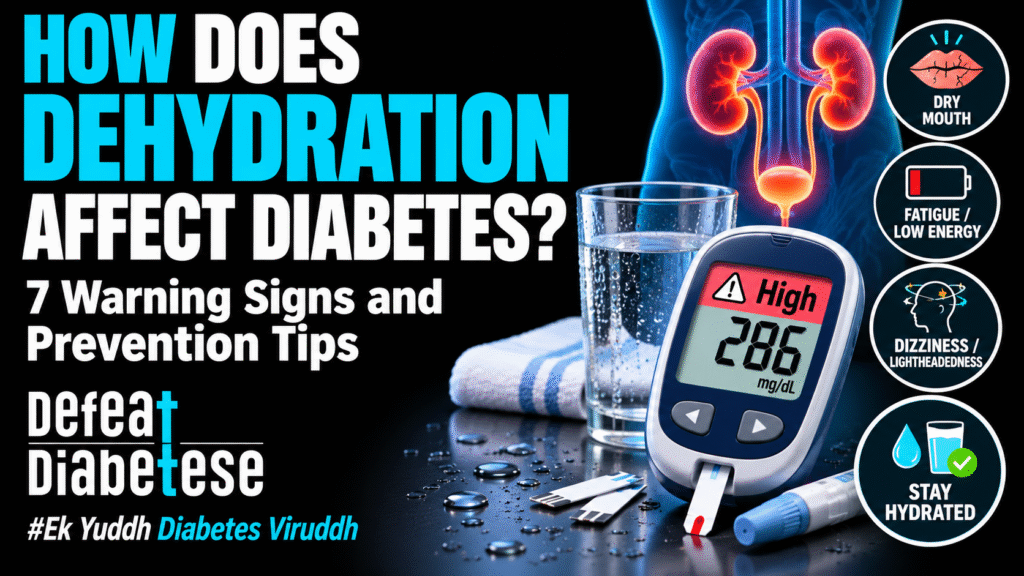
How Does Dehydration Affect Diabetes? 7 Warning Signs and Prevention Tips
How does dehydration affect diabetes? This is an important question for people living with Type 1 or Type 2 diabetes. While most people focus on food choices, medications, and physical activity, drinking enough fluids is another essential part of managing blood glucose and maintaining overall health.
Dehydration occurs when the body loses more fluid than it takes in. Even mild dehydration may cause symptoms such as thirst, headache, tiredness, and reduced concentration.
For people with diabetes, dehydration deserves particular attention because high blood sugar can increase urination and fluid loss. At the same time, losing too much water can make blood glucose more concentrated, potentially worsening hyperglycemia.
Hot weather, illness, vomiting, diarrhea, and certain medications may increase dehydration risk.
In severe cases, dehydration can contribute to dangerous diabetes-related emergencies.
At Defeat Diabetese, we believe that understanding everyday health habits is essential for preventing complications and supporting better diabetes management.
In this article, we explain the connection between dehydration and diabetes, seven important warning signs, possible complications, and practical hydration tips.
What Is Dehydration?
Dehydration happens when the amount of fluid leaving your body exceeds the amount you consume.
Water is necessary for blood circulation, temperature regulation, digestion, and normal cellular function.
The body constantly loses water through urine, breathing, sweating, and bowel movements.
Normally, drinking fluids and eating water-containing foods helps replace these losses.
However, dehydration may develop when fluid intake is inadequate or fluid losses become excessive.
Common causes include hot weather, prolonged exercise, fever, vomiting, diarrhea, and increased urination.
Dehydration can affect anyone, but people with diabetes may face additional challenges because glucose levels and certain diabetes-related conditions influence fluid balance.
How Does Dehydration Affect Diabetes and Blood Sugar?
Dehydration and diabetes can create a cycle that makes glucose management more difficult.
When blood glucose becomes significantly elevated, the kidneys attempt to remove some of the excess glucose through urine.
Glucose in the urine draws additional water with it. This process, called osmotic diuresis, can cause frequent urination and increased thirst.
If the lost fluid is not replaced, dehydration may worsen.
As fluid levels decrease, glucose may become more concentrated in the bloodstream.
Illness and physical stress can further complicate the situation by increasing insulin resistance or changing medication requirements.
This explains why a person may notice higher glucose readings during hot weather, illness, or inadequate fluid intake.
However, dehydration does not always cause high blood sugar, and drinking water alone cannot treat every episode of hyperglycemia.
Appropriate diabetes medication, monitoring, and medical guidance remain essential.
Why Are People With Diabetes at Greater Risk of Dehydration?
Several factors may increase dehydration risk in individuals with diabetes.
Frequent Urination: Uncontrolled hyperglycemia can increase urinary glucose and water loss.
Hot Weather: High temperatures increase sweating, and some diabetes-related nerve problems may interfere with normal cooling.
Illness: Fever, diarrhea, and vomiting can cause rapid fluid loss.
Medications: Some medicines, including diuretics and SGLT2 inhibitors, may increase urination or affect fluid balance.
Reduced Thirst Awareness: Some older adults may not recognize or respond adequately to thirst.
Physical Activity: Exercise can increase sweating, particularly in hot and humid environments.
Recognizing these factors can help individuals make safer hydration decisions.
7 Warning Signs of Dehydration in Diabetes
Dehydration symptoms can range from mild discomfort to serious medical complications.
1. Excessive Thirst
Increased thirst is one of the most recognizable signs of dehydration.
The body uses thirst as a signal that additional fluid may be needed.
For people with diabetes, excessive thirst may also occur when high blood glucose increases urination.
This means persistent thirst can indicate both inadequate hydration and elevated blood sugar.
Prevention Tip: Drink water regularly and check blood glucose if thirst is unusual or accompanied by frequent urination.
2. Dry Mouth and Dry Lips
A dry mouth may occur when the body does not have enough fluid.
Some individuals notice sticky saliva, dry lips, or difficulty swallowing dry foods.
However, dry mouth can also result from medications, mouth breathing, and other medical conditions.
Prevention Tip: Take regular sips of water and avoid relying on sugary beverages for hydration. Persistent dry mouth should be assessed by a healthcare professional.
3. Dark Yellow Urine or Reduced Urination
Urine color can provide a general indication of hydration status.
Dark yellow urine may suggest that the body is conserving water.
Reduced urine output can also indicate significant dehydration.
However, medications, vitamins, and certain illnesses can affect urine appearance.
People with high blood sugar may initially urinate frequently despite becoming dehydrated.
Prevention Tip: Pay attention to meaningful changes in urine output, especially during illness or hot weather. Markedly reduced urination requires prompt medical assessment.
4. Dizziness and Lightheadedness
Dehydration can reduce circulating blood volume and contribute to low blood pressure.
This may cause dizziness, particularly when standing up.
People with diabetes may also experience dizziness because of hypoglycemia, certain medications, or autonomic nerve damage.
Prevention Tip: Sit down if you feel faint, check blood glucose when appropriate, and seek medical evaluation for persistent or severe dizziness.
5. Unusual Fatigue and Weakness
Water is essential for maintaining circulation and normal body functions.
When dehydration develops, some people experience tiredness, weakness, or reduced exercise tolerance.
However, fatigue can also result from hyperglycemia, hypoglycemia, anemia, infection, or poor sleep.
Prevention Tip: Maintain appropriate fluid intake and monitor glucose according to your diabetes treatment plan.
6. Headache and Difficulty Concentrating
Inadequate hydration can contribute to headaches and changes in concentration.
Some people report difficulty focusing or feeling mentally less alert.
Significant glucose fluctuations may produce similar symptoms.
Severe confusion is not a typical minor inconvenience and should never be ignored.
Prevention Tip: Check hydration and glucose status, and seek urgent care for sudden confusion, unusual drowsiness, or other serious neurological symptoms.
7. Rapid Heartbeat or Severe Weakness
More significant dehydration may cause the heart to beat faster as the body attempts to maintain circulation.
A person may develop pronounced weakness, fainting, or low blood pressure.
These symptoms can indicate serious fluid loss or another medical condition.
Prevention Tip: Seek urgent medical attention for fainting, a persistently rapid heartbeat with illness, severe weakness, or an inability to drink adequate fluids.
Can Dehydration Cause High Blood Sugar?
Yes. Dehydration can contribute to elevated blood glucose readings.
When the body loses water, glucose in the bloodstream may become more concentrated.
High glucose can then trigger additional urinary fluid loss.
This creates a potentially harmful cycle:
High blood glucose → increased urination → fluid loss → dehydration → more concentrated blood glucose.
However, not every high reading is caused by dehydration.
Missed medication, infection, stress, illness, and carbohydrate intake can also affect glucose.
Drinking water supports hydration but does not replace insulin or other necessary diabetes treatment.
Can Dehydration Affect Kidney Health in Diabetes?
The kidneys are particularly important in diabetes because they help regulate fluid balance and remove waste products.
Significant dehydration can reduce blood flow to the kidneys.
In some circumstances, severe dehydration may contribute to acute kidney injury.
People with diabetes who already have chronic kidney disease may require additional precautions.
However, drinking excessive amounts of water is not necessarily beneficial and may be unsafe for people with heart failure, advanced kidney disease, or prescribed fluid restrictions.
Hydration recommendations should reflect individual medical conditions.
Dehydration and Diabetic Ketoacidosis
Diabetic ketoacidosis, or DKA, is a serious complication that develops when the body has insufficient effective insulin.
The body begins breaking down fat for energy, producing ketones.
When ketones accumulate, the blood becomes dangerously acidic.
DKA can cause frequent urination, vomiting, and substantial dehydration.
It is more common in Type 1 diabetes but can also occur in Type 2 diabetes.
Warning signs include abdominal pain, vomiting, fruity-smelling breath, deep or rapid breathing, severe thirst, and confusion.
People at risk of DKA should follow their clinician’s instructions for checking glucose and ketones during illness or persistent hyperglycemia.
DKA may sometimes occur without extremely high glucose levels, especially in people taking SGLT2 inhibitors.
Suspected DKA requires emergency medical attention.
What Is Hyperosmolar Hyperglycemic State?
Hyperosmolar hyperglycemic state, or HHS, is another life-threatening diabetes emergency.
It generally involves extremely high blood glucose, marked dehydration, and increased blood concentration.
HHS occurs most commonly in people with Type 2 diabetes, particularly during infection or another serious illness.
Symptoms may develop gradually and include excessive thirst, frequent urination, profound weakness, and confusion.
Without prompt treatment, HHS can cause seizures, loss of consciousness, or other serious complications.
HHS requires immediate hospital treatment. Drinking water at home is not an adequate treatment for suspected HHS.
How Much Water Should People With Diabetes Drink?
There is no universal water requirement suitable for every person with diabetes.
Fluid needs depend on age, body size, physical activity, climate, food intake, pregnancy, kidney function, and other medical conditions.
Some adults may need more fluid during hot weather, fever, or exercise.
Others may have medically prescribed fluid restrictions.
Rather than following an arbitrary number of glasses, many people benefit from drinking regularly, responding to thirst, and observing changes in hydration.
A healthcare professional can provide individualized guidance.
If you have heart failure or significant kidney disease, do not substantially increase fluid intake without medical advice.
10 Practical Tips to Prevent Dehydration in Diabetes
1. Drink Water Regularly
Make water your main everyday beverage.
Keeping a reusable water bottle nearby may help establish a consistent routine.
2. Avoid Excessive Sugary Drinks
Soft drinks, sweetened fruit juices, and sugar-loaded energy drinks can add significant carbohydrates.
Choose plain water or suitable unsweetened beverages for routine hydration.
3. Monitor Blood Glucose
Frequent or unexplained high glucose readings may increase dehydration risk.
Follow your prescribed monitoring schedule and discuss unusual patterns with your healthcare team.
4. Take Extra Precautions in Hot Weather
Heat increases fluid loss through sweating.
Stay in cooler environments during very hot periods, wear lightweight clothing, and avoid unnecessary prolonged sun exposure.
5. Stay Hydrated During Physical Activity
Drink appropriate fluids before, during, and after exercise according to activity intensity and medical needs.
People using insulin or certain diabetes medicines should also understand exercise-related hypoglycemia precautions.
6. Follow a Diabetes Sick-Day Plan
Fever, vomiting, and diarrhea can increase fluid loss.
Follow your personalized instructions for glucose checks, ketone testing, medication adjustments, and fluid intake.
7. Review Medications With Your Doctor
Some medications increase urination or require special precautions during significant dehydration.
Ask your healthcare professional how to manage medications during vomiting, diarrhea, or reduced oral intake.
Never change treatment independently.
8. Include Water-Rich Foods
Vegetables and whole fruits provide fluid along with valuable nutrients.
Examples include cucumber, tomato, bottle gourd, oranges, and suitable portions of watermelon.
Remember to account for carbohydrates in fruit.
9. Recognize Early Dehydration Symptoms
Notice unusual thirst, dry mouth, dizziness, darker urine, or reduced urination.
Respond early rather than waiting for symptoms to become severe.
10. Seek Medical Advice When Necessary
Persistent high glucose, repeated vomiting, significant dehydration, or an inability to maintain fluid intake may require urgent medical assessment.
Prompt treatment can prevent complications.
Best Hydration Choices for People With Diabetes
| Beverage | General Considerations |
|---|---|
| Plain water | Usually the best everyday option |
| Unsweetened tea | Can contribute to fluid intake |
| Unsweetened buttermilk | Contains nutrients and some carbohydrates |
| Plain sparkling water | A sugar-free alternative |
| Milk | Provides fluid, protein, and carbohydrates |
| Coconut water | Contains natural sugars and potassium; portions matter |
| Oral rehydration solution | Useful in selected illness-related situations; follow clinical guidance |
People with kidney disease may need to limit certain beverages containing potassium or other minerals.How Does Dehydration Affect Diabetes
Oral rehydration solutions are intended for specific fluid-loss situations and should not automatically replace routine water intake.How Does Dehydration Affect Diabetes
Dehydration During Summer: Special Precautions
Hot weather can create additional challenges for people with diabetes.
Sweating increases water loss, while some diabetes-related complications may affect temperature regulation.How Does Dehydration Affect Diabetes
During summer, plan outdoor activities for cooler hours whenever possible.
Carry drinking water, keep diabetes supplies protected from excessive heat, and monitor glucose as recommended.How Does Dehydration Affect Diabetes
Take particular care during travel, exercise, or long periods outside.How Does Dehydration Affect Diabetes
If you experience heat-related confusion, fainting, or severe weakness, seek emergency medical care.How Does Dehydration Affect Diabetes
When Should You See a Doctor?
Contact a healthcare professional if excessive thirst, frequent urination, dizziness, or dehydration symptoms persist.
You should also seek advice when blood glucose remains repeatedly above your target or you cannot maintain normal hydration.How Does Dehydration Affect DiabetesHow Does Dehydration Affect DiabetesHow Does Dehydration Affect Diabetes
Seek emergency care for new confusion, fainting, difficulty breathing, severe dehydration, persistent vomiting, or symptoms suggestive of DKA or HHS.How Does Dehydration Affect Diabetes
People at risk of DKA should follow their personalized ketone testing and emergency instructions.How Does Dehydration Affect Diabetes
Do not delay medical treatment while trying to correct severe hyperglycemia by drinking water alone.How Does Dehydration Affect Diabetes
Frequently Asked Questions
1. How does dehydration affect diabetes?
Dehydration can make blood glucose more concentrated and complicate diabetes management. High glucose can also increase urinary fluid loss.
2. Can drinking water lower blood sugar?
Water helps maintain hydration and may support management when dehydration is present. However, it does not replace prescribed diabetes medication or insulin.
3. Does high blood sugar cause dehydration?
Yes. Elevated blood glucose can increase urination, leading to fluid loss.
4. What are the first signs of dehydration in diabetes?
Common signs include thirst, dry mouth, darker urine, headache, and tiredness.
5. Is dehydration dangerous for people with diabetes?
Severe dehydration can contribute to serious complications, particularly when associated with DKA, HHS, or acute kidney injury.
6. Is coconut water suitable for diabetes?
Coconut water contains natural carbohydrates and potassium. It may fit into some meal plans in appropriate portions but is not the best default option for everyone.
7. Can dehydration affect blood pressure?
Yes. Significant fluid loss can reduce blood volume and contribute to low blood pressure or dizziness.How Does Dehydration Affect Diabetes
8. Does hot weather affect diabetes?
Yes. Heat can increase fluid loss and sometimes change glucose patterns and insulin requirements.How Does Dehydration Affect Diabetes
9. How much water should someone with diabetes drink?
Fluid requirements vary. Ask your healthcare professional for personalized guidance if you have kidney disease, heart failure, or other medical concerns.How Does Dehydration Affect Diabetes
10. When should dehydration be treated as an emergency?
Severe weakness, confusion, fainting, persistent vomiting, difficulty breathing, or suspected DKA or HHS requires emergency care.How Does Dehydration Affect Diabetes
Conclusion
Understanding how dehydration affects diabetes is essential for maintaining safe blood glucose management and overall health.How Does Dehydration Affect Diabetes
High blood sugar can increase urination and fluid loss, while dehydration can make glucose levels more concentrated.How Does Dehydration Affect Diabetes
Although mild dehydration may improve with appropriate fluid intake, severe dehydration can contribute to serious complications.How Does Dehydration Affect Diabetes
Drinking water regularly, choosing suitable beverages, monitoring glucose, recognizing warning signs, and following a personalized sick-day plan can help reduce dehydration risk.
At Defeat Diabetese, we believe that effective diabetes management involves everyday habits that support the entire body.How Does Dehydration Affect Diabetes
Stay hydrated. Monitor your blood sugar. Protect your health.How Does Dehydration Affect Diabetes
Medical Disclaimer
This article is for general educational purposes only and does not replace professional medical advice, diagnosis, or treatment. Fluid requirements vary, particularly in people with kidney disease, heart failure, pregnancy, or other medical conditions. Never change diabetes medication or fluid restrictions without appropriate medical guidance. Suspected DKA, HHS, severe dehydration, or altered consciousness requires immediate emergency care.How Does Dehydration Affect Diabetes
Medical References
- Centers for Disease Control and Prevention — Managing Diabetes in the HeatHow Does Dehydration Affect Diabetes
- Centers for Disease Control and Prevention — Managing Sick DaysHow Does Dehydration Affect Diabetes
- American Diabetes Association — Standards of Care in Diabetes 2026How Does Dehydration Affect Diabetes
- American Diabetes Association — Hydration and Diabetes HealthHow Does Dehydration Affect Diabetes
- National Library of Medicine — Hyperglycemic Hyperosmolar StateHow Does Dehydration Affect Diabetes