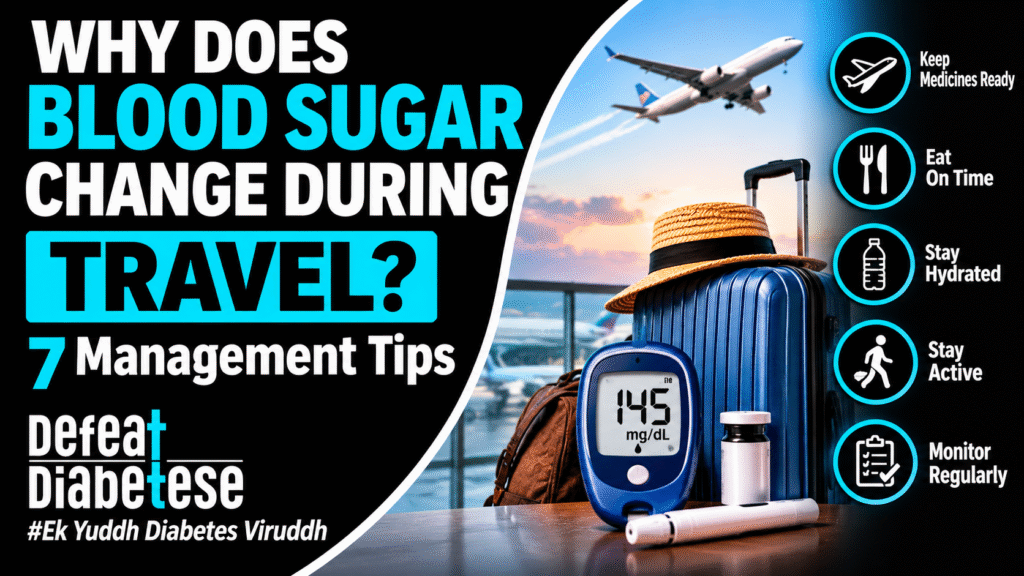
Why Does Blood Sugar Change During Travel? 7 Essential Management Tips
Why does blood sugar change during travel? This is an important question for people living with Type 1 or Type 2 diabetes. Traveling can be exciting, whether you are planning a family vacation, business trip, pilgrimage, or international holiday. However, changes in routine can sometimes make blood glucose management more challenging.
During travel, eating schedules, physical activity, sleep patterns, medication timing, and environmental conditions may change unexpectedly.
Some people experience high blood sugar because of stress, prolonged sitting, unfamiliar meals, or missed medications. Others may develop low blood sugar after walking more than usual, delaying meals, or taking insulin without adequate food.
Long-distance travel and different time zones can create additional challenges for people using insulin or certain diabetes medications.
Fortunately, diabetes does not have to prevent anyone from enjoying travel. With appropriate preparation, regular monitoring, and a personalized treatment plan, many travel-related glucose problems can be managed safely.
At Defeat Diabetese, we believe that practical diabetes education helps individuals maintain healthy routines wherever they go.
In this article, we explain why blood sugar changes during travel, seven essential management tips, insulin storage precautions, healthy Indian travel-food options, and important emergency warning signs.
How Does Travel Affect Blood Sugar Levels?
Blood glucose is influenced by several factors, including food, medication, physical activity, stress, hormones, illness, and sleep.
Travel often changes many of these factors simultaneously.
For example, a person may wake up earlier than usual, skip breakfast to catch a flight, sit for several hours, and eat a large restaurant meal later in the day.
Such changes can affect the balance between glucose entering the bloodstream and the action of insulin.
Even enjoyable experiences, such as sightseeing or attending celebrations, can alter the body’s usual glucose patterns.
People using insulin or medications that can cause hypoglycemia may need additional precautions.
The important point is that glucose changes during travel are not always predictable.
A well-prepared travel plan can help reduce unnecessary risks.
7 Common Reasons Blood Sugar Changes During Travel
1. Irregular Meal Timing
Travel can disrupt normal eating schedules.
Flight delays, traffic, long journeys, and changing routines may cause people to eat earlier or later than usual.
Delayed meals may increase the risk of hypoglycemia among individuals using insulin or certain glucose-lowering tablets.
On the other hand, eating large meals after long gaps may lead to significant post-meal glucose increases.
Maintaining reasonable meal consistency can make diabetes management easier.
2. Unfamiliar Foods and Large Portions
Trying new foods is an enjoyable part of traveling.
However, restaurant meals and local dishes may contain unexpected amounts of carbohydrates, sugar, or fat.
Large portions of rice, bread, sweets, or sugary beverages can influence blood glucose.
Some meals containing substantial fat and protein may also cause delayed glucose increases.
Carbohydrate awareness remains important when eating outside the home.
3. Increased or Reduced Physical Activity
Physical activity can change considerably during travel.
Sightseeing, hiking, shopping, or walking through airports may involve more movement than usual.
Additional activity can lower blood glucose, particularly when combined with insulin or medicines that increase insulin production.
Alternatively, long periods of sitting during car, train, or airplane journeys may contribute to higher glucose readings.
4. Travel Stress and Excitement
Travel involves planning, schedules, unfamiliar environments, and unexpected situations.
Stress may increase hormones such as cortisol and adrenaline.
These hormones can stimulate glucose production and temporarily reduce insulin sensitivity.
As a result, some people notice higher-than-usual glucose readings during stressful journeys.
5. Changes in Sleep Patterns
Early departures, overnight journeys, jet lag, and unfamiliar sleeping environments may disrupt normal sleep.
Insufficient sleep can affect insulin sensitivity, appetite, and daily decision-making.
Sleep disruption may make glucose management less predictable.
Maintaining healthy sleep habits is therefore useful even during holidays.
6. Changes in Medication Timing
People who travel across time zones may need adjustments to medication schedules.
This is particularly important for individuals using insulin.
Traveling east shortens the clock day, while traveling west lengthens it.
However, safe adjustments depend on the insulin formulation, dosing schedule, travel duration, and individual medical needs.
Never independently change insulin doses based only on the direction of travel.
7. Weather Changes and Dehydration
Traveling to hot or humid locations may increase sweating and fluid loss.
Dehydration can complicate glucose management, particularly when blood sugar is already elevated.
Extremely hot or cold temperatures can also damage insulin and some diabetes-monitoring supplies.
Appropriate hydration and safe medication storage are essential.
7 Essential Blood Sugar Management Tips During Travel
1. Plan Your Diabetes Care Before Traveling
Good travel preparation begins before leaving home.
Arrange a healthcare appointment if you are planning international travel, a long journey, or activities that significantly change your routine.
Discuss your glucose targets, medication schedule, and any necessary treatment adjustments.
Ask your healthcare professional about insulin timing if your journey crosses several time zones.
Check whether you need prescriptions, medical documents, vaccinations, or travel insurance.
People using insulin pumps should discuss what to do if their equipment stops working.
Practical Tip: Prepare a written travel diabetes management plan that includes medication instructions and emergency contacts.
2. Carry Extra Diabetes Medicines and Supplies
Travel delays, lost luggage, and unexpected changes can create problems if supplies are limited.
Pack enough diabetes medication, testing materials, and treatment supplies for the entire journey.
The CDC recommends carrying approximately twice the medication and supplies you expect to need when possible.
Important items may include insulin, tablets, glucose-testing strips, lancets, CGM sensors, pump supplies, and suitable backup equipment.
Keep essential supplies in hand luggage rather than checked baggage during flights.
Carrying prescriptions or a doctor’s letter may make security procedures easier.
Practical Tip: Keep medicines, monitoring equipment, and emergency carbohydrates together in an easily accessible travel kit.
3. Monitor Blood Glucose More Frequently
Regular glucose monitoring is particularly important when your routine changes.
Check glucose according to your personalized treatment plan, especially around unfamiliar meals, additional physical activity, and symptoms of high or low blood sugar.
People using continuous glucose monitors can review trends and alerts.
However, a finger-stick measurement may still be required when sensor readings do not match symptoms.
Changes in activity and medication timing can increase the importance of monitoring.
Practical Tip: Record unusual readings and related factors such as delayed meals, long walks, or disrupted sleep.
4. Choose Balanced Meals and Carry Healthy Snacks
Travel does not require avoiding all local foods.
Instead, focus on portion awareness and meal balance.
Include appropriate amounts of vegetables, protein-rich foods, fiber-containing carbohydrates, and healthy fats.
Carry suitable snacks in case meals are delayed.
Unsalted nuts, roasted chana, whole-grain crackers, and other convenient foods may be useful for ordinary snacking.
However, these foods are not substitutes for fast-acting carbohydrates when treating hypoglycemia.
Always keep a suitable glucose treatment available if you are at risk of low blood sugar.
Practical Tip: Avoid skipping meals without considering your medication schedule and individual glucose-management needs.
5. Stay Hydrated and Protect Medicines From Heat
Adequate hydration supports general health during travel.
Drink water regularly, especially during hot weather or increased activity.
Avoid relying on sugary soft drinks or packaged juices for routine hydration.
Insulin and certain diabetes supplies can be damaged by excessive heat or freezing.
Do not leave insulin in direct sunlight, a parked vehicle, or an unprotected bag in extreme temperatures.
Use an appropriate insulated carrying case when necessary, ensuring insulin does not directly touch frozen cooling packs.
Storage requirements vary by insulin product.
Practical Tip: Read the manufacturer’s storage instructions before departure.
6. Stay Active While Traveling Safely
Long periods of sitting can affect comfort, circulation, and physical activity levels.
During road journeys, take suitable breaks to walk and stretch.
On long flights or train journeys, move your legs regularly and walk when it is safe.
If your trip includes substantial walking or hiking, remember that additional activity may lower glucose.
People using insulin or certain diabetes tablets may need a personalized exercise and medication strategy.
Check glucose when indicated and carry fast-acting carbohydrates.
Practical Tip: Wear comfortable footwear and inspect your feet regularly, particularly if you have diabetic neuropathy.
7. Prepare for Blood Sugar Emergencies
Unexpected glucose changes can occur even with careful planning.
Be prepared to recognize and manage both hypoglycemia and hyperglycemia.
Common low blood sugar symptoms include sweating, trembling, hunger, dizziness, and confusion.
For many people with diabetes, glucose below 70 mg/dL is considered low.
If you are alert and able to swallow safely, a common approach is to consume 15 grams of fast-acting carbohydrates and recheck glucose after 15 minutes.
Repeat as required according to your individualized treatment plan.
Severe hypoglycemia may require prescribed glucagon and emergency assistance.
Never give food or drinks by mouth to an unconscious person.
People at risk of diabetic ketoacidosis should also carry ketone-testing supplies when recommended.
Practical Tip: Make sure a trusted travel companion knows how to respond to a diabetes emergency.
How to Manage Insulin During International Travel
Traveling across time zones requires special planning for people using insulin.
Insulin timing adjustments depend on whether you use basal insulin, mealtime insulin, premixed insulin, or an insulin pump.
Some insulin regimens require little adjustment for short trips, while others need an individualized schedule.
For example, a journey crossing several time zones may change the interval between scheduled doses.
Taking insulin too close together may cause hypoglycemia, while leaving an excessive gap may cause hyperglycemia.
Insulin pump users may also need to check device time settings.
Do not create your own dose-adjustment formula.
Ask your diabetes care team to provide clear instructions before departure.
Insulin Storage Precautions While Traveling
Insulin must be protected from extreme temperatures.
Unopened insulin generally requires refrigerated storage according to product instructions.
Many insulin products may be kept at controlled room temperature for a limited period after opening, but the permitted duration varies by product.
Some remain usable for approximately 28 days, while others have different limits.
Never freeze insulin.
Do not use insulin that has been frozen or exposed to temperatures outside the manufacturer’s permitted range.
If you suspect your insulin has been damaged, seek advice about obtaining a safe replacement.
Best Indian Travel Snacks for People With Diabetes
Choosing suitable snacks can make travel more comfortable.
| Snack | Main Consideration |
|---|---|
| Roasted chana | Fiber and plant protein; contains carbohydrates |
| Unsalted almonds | Healthy fats and some protein |
| Whole fruit | Convenient, but portions matter |
| Whole-grain sandwich | Balanced option with suitable protein |
| Plain curd | Protein; requires safe temperature control |
| Roasted makhana | Portable carbohydrate-containing snack |
| Whole-wheat vegetable roll | Portion and filling choices matter |
These foods can support ordinary meal planning.
For hypoglycemia, use fast-acting carbohydrates such as glucose tablets or an appropriate measured glucose-containing drink.
Avoid relying on nuts or high-fat snacks for rapid treatment of low blood sugar.
Tips for Traveling With Diabetes During Summer
Hot weather can increase fluid loss through sweating.
High temperatures may also affect insulin storage and the accuracy or operation of certain supplies.
Carry drinking water and avoid prolonged exposure to extreme heat.
Plan outdoor activities for cooler parts of the day when possible.
Protect insulin, glucose meters, testing strips, and monitoring devices according to manufacturer instructions.
If you develop dizziness, severe weakness, unusual thirst, or high glucose readings, assess your condition promptly.
Travel Precautions for People With Diabetic Neuropathy
Diabetic neuropathy can reduce sensation in the feet.
A person may not immediately notice blisters, cuts, or pressure-related injuries.
This can become particularly important during sightseeing and long walks.
Wear well-fitting footwear and clean socks.
Avoid walking barefoot, including on beaches or unfamiliar surfaces.
Check your feet each evening.
Seek medical attention for wounds, redness, swelling, or signs of infection.
What Should You Do if Blood Sugar Becomes High During Travel?
If blood glucose rises above your recommended target, check for possible contributing factors.
These may include missed medication, illness, unfamiliar meals, reduced activity, or dehydration.
Follow your prescribed correction or sick-day plan rather than guessing medication doses.
Drink appropriate fluids if you are not under fluid restriction.
If you use insulin and have a risk of diabetic ketoacidosis, follow your clinician’s instructions for ketone testing.
Seek urgent medical attention for persistent vomiting, abdominal pain, deep or rapid breathing, fruity-smelling breath, or confusion.
These symptoms may indicate a serious diabetes emergency.
Frequently Asked Questions
1. Why does blood sugar change during travel?
Blood sugar may change because of irregular meals, altered physical activity, travel stress, sleep disruption, medication timing, and weather conditions.
2. Can flying affect blood sugar?
Yes. Changes in routine, stress, delayed meals, and prolonged sitting may affect glucose levels during air travel.Why Does Blood Sugar Change During TravelWhy Does Blood Sugar Change During Travel
3. Can traveling cause low blood sugar?
Yes. Delayed meals, increased walking, and medication-related factors may increase hypoglycemia risk.Why Does Blood Sugar Change During TravelWhy Does Blood Sugar Change During Travel
4. Should I carry insulin in checked luggage?
No. Insulin and essential diabetes supplies should generally remain in your carry-on luggage because checked baggage may be lost or exposed to extreme temperatures.Why Does Blood Sugar Change During TravelWhy Does Blood Sugar Change During Travel
5. How should I manage insulin across time zones?
Follow an individualized schedule prepared by your diabetes care team. Adjustments depend on the insulin regimen and travel itinerary.Why Does Blood Sugar Change During TravelWhy Does Blood Sugar Change During Travel
6. Can hot weather increase blood sugar?
Heat, dehydration, and other factors can affect blood glucose. Individual responses vary.Why Does Blood Sugar Change During TravelWhy Does Blood Sugar Change During Travel
7. What should I eat during long journeys?
Choose balanced meals and suitable snacks that fit your carbohydrate and medication plan.Why Does Blood Sugar Change During TravelWhy Does Blood Sugar Change During Travel
8. Should I check glucose more often while traveling?
Additional monitoring may be useful when meals, activity, medications, or sleep patterns change.
9. Is travel safe for people with diabetes?
Many people with diabetes travel safely with appropriate preparation, medication supplies, monitoring, and emergency planning.
10. When should I seek medical help during travel?
Seek urgent care for severe hypoglycemia, persistent vomiting, significant dehydration, confusion, breathing difficulties, or suspected diabetic ketoacidosis.
Conclusion
Understanding why blood sugar changes during travel helps people with diabetes prepare for journeys with greater confidence.Why Does Blood Sugar Change During TravelWhy Does Blood Sugar Change During Travel
Changes in eating habits, physical activity, sleep patterns, stress, medication schedules, and weather conditions may all influence glucose levels.Why Does Blood Sugar Change During TravelWhy Does Blood Sugar Change During Travel
However, diabetes does not have to prevent enjoyable and meaningful travel experiences.Why Does Blood Sugar Change During TravelWhy Does Blood Sugar Change During Travel
Planning ahead, carrying extra supplies, monitoring blood glucose, choosing balanced meals, protecting insulin, and preparing for emergencies can help make travel safer.Why Does Blood Sugar Change During TravelWhy Does Blood Sugar Change During Travel
At Defeat Diabetese, we believe that diabetes management should support people in living active, fulfilling lives.Why Does Blood Sugar Change During TravelWhy Does Blood Sugar Change During TravelWhy Does Blood Sugar Change During Travel
Travel smart. Monitor your blood sugar. Enjoy your journey with confidence.
Medical Disclaimer
This article is intended for educational and informational purposes only. It does not replace professional medical advice, diagnosis, or treatment. Medication timing, insulin adjustments, glucose monitoring, and travel precautions should be individualized by a qualified diabetes healthcare professional. Seek emergency medical attention for severe hypoglycemia, suspected diabetic ketoacidosis, or other serious symptoms.Why Does Blood Sugar Change During TravelWhy Does Blood Sugar Change During Travel
Medical References
- Centers for Disease Control and Prevention — Tips for Traveling With Diabetes
- Diabetes UK — Travelling With Diabetes
- American Diabetes Association — Insulin Storage and Syringe Safety
- University of California, San Francisco — Travel Tips for Diabetes
- Johns Hopkins Medicine — Traveling With Diabetes