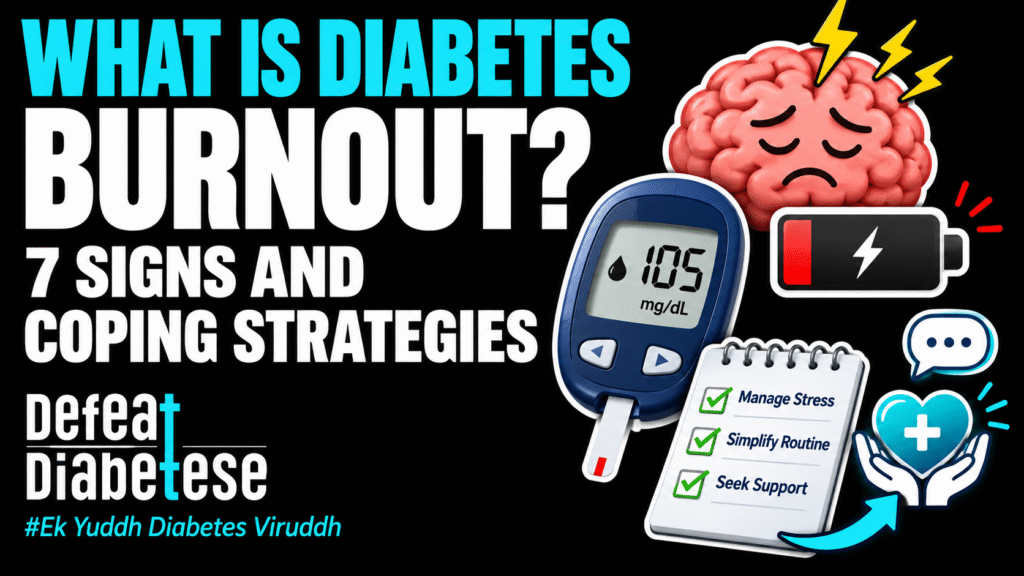
What Is Diabetes Burnout? 7 Warning Signs and Effective Coping Strategies
What is diabetes burnout? Diabetes burnout is a state of emotional and mental exhaustion that can develop when the daily responsibilities of managing diabetes become overwhelming.
Living with Type 1 or Type 2 diabetes involves many decisions. People may need to monitor blood glucose, take medication, plan meals, exercise, attend medical appointments, and respond to unexpected changes in their health.
Over time, these responsibilities can become emotionally tiring. Some individuals begin feeling frustrated, discouraged, or disconnected from their diabetes care routines.
This experience is often described as diabetes burnout.
Although diabetes burnout is closely related to diabetes distress, it is not a formal medical diagnosis on its own. It can also overlap with depression or anxiety, which may require separate assessment and treatment.
At Defeat Diabetese, we believe that emotional well-being deserves as much attention as physical health in diabetes management.
In this article, we explain seven warning signs of diabetes burnout, its common causes, the difference between burnout and depression, and practical coping strategies.
What Is Diabetes Burnout?
Diabetes burnout describes physical, mental, or emotional exhaustion associated with the continuing demands of diabetes self-management.
Someone experiencing burnout may understand the importance of managing diabetes but feel increasingly unable to maintain their usual routine.
For example, a person may become tired of checking glucose levels, tracking food choices, or thinking about future health complications.
They may also feel disappointed when glucose readings remain unpredictable despite considerable effort.
Unlike temporary frustration, diabetes burnout may lead to withdrawal from essential self-care activities.
Diabetes UK describes burnout as exhaustion that can develop from persistent diabetes-related distress and the effort involved in managing the condition.
Recognizing these experiences is important because they can affect both emotional well-being and physical health.
What Causes Diabetes Burnout?
Diabetes burnout rarely develops because of a single event.
It often results from several ongoing pressures.
Continuous Self-Management Responsibilities
Diabetes requires attention throughout everyday life.
Blood glucose monitoring, medication schedules, meal planning, and exercise decisions may become mentally demanding.
Unpredictable Blood Sugar Readings
Glucose levels can change because of food, activity, stress, illness, medications, and hormonal factors.
Unexpected readings may create frustration, particularly when a person has followed their treatment plan carefully.
Fear of Diabetes Complications
Concerns about kidney disease, nerve damage, eye problems, or heart disease can increase emotional pressure.
Financial and Practical Challenges
The cost of medication, glucose monitoring supplies, transport, and medical appointments may contribute to ongoing stress.
Limited Emotional Support
People who feel misunderstood by family members, friends, or healthcare professionals may experience greater difficulty managing diabetes-related challenges.
Unrealistic Expectations
Trying to achieve perfect glucose readings at all times can create unnecessary pressure.
Diabetes management involves patterns and long-term progress, not perfect numbers every day.
7 Warning Signs of Diabetes Burnout
Recognizing these signs early may help people seek appropriate support.
1. Feeling Constantly Overwhelmed by Diabetes
One common sign of diabetes burnout is feeling emotionally exhausted by daily management responsibilities.
A person may feel that diabetes requires attention during every meal, activity, and social occasion.
Even simple decisions may begin to feel difficult.
This emotional overload can reduce motivation and make routine tasks seem more demanding.
Coping Strategy: Identify which responsibilities feel most stressful and discuss ways to simplify them with your diabetes care team.
2. Avoiding Blood Sugar Monitoring
Some individuals begin delaying or avoiding glucose checks because they feel anxious or frustrated about the results.
They may worry that an unexpected high reading will create additional disappointment.
However, avoiding monitoring can make it harder to identify hypoglycemia, hyperglycemia, or other changes requiring attention.
Coping Strategy: Ask your healthcare professional whether your monitoring schedule, glucose targets, or available technology can be adjusted to make the process more manageable.
Continue essential safety monitoring according to your medical plan.
3. Losing Motivation to Follow Diabetes Routines
Burnout may reduce motivation to take medication, prepare balanced meals, or maintain physical activity.
A person may feel discouraged because their efforts do not always produce the results they expect.
Skipping necessary insulin or other prescribed treatment can be dangerous.
Coping Strategy: Focus on one manageable improvement rather than trying to change every habit simultaneously. Ask your healthcare team for help if you are struggling to follow essential treatment.
4. Feeling Frustrated or Angry About Diabetes
People experiencing diabetes burnout may feel irritated, discouraged, or angry about the demands of their condition.
They may resent needing to plan activities around meals, medicines, glucose checks, or appointments.
These feelings may become stronger after unexpected setbacks.
Coping Strategy: Express frustrations openly with a trusted person, diabetes educator, counselor, or healthcare professional.
Discussing specific difficulties can help identify practical solutions.
5. Feeling Guilty About Blood Sugar Results
Some people interpret glucose readings as personal success or failure.
This can lead to self-criticism when readings fall outside the recommended range.
However, blood glucose is influenced by many factors, including hormones, sleep, illness, and medication effectiveness.
A glucose reading provides health information; it is not a judgment about someone’s character or effort.
Coping Strategy: Focus on trends instead of individual numbers. Use glucose readings to guide treatment decisions with your healthcare team.
6. Withdrawing From Family and Social Activities
Diabetes-related concerns may affect social confidence.
Some individuals avoid celebrations, restaurants, travel, or family gatherings because they feel tired of managing food choices and glucose levels.
Others may become less willing to discuss diabetes with people around them.
Social withdrawal can increase isolation and emotional distress.
Coping Strategy: Maintain supportive relationships and explain what kind of assistance would be helpful.
Participation in social activities may become easier with practical planning and appropriate diabetes education.
7. Feeling Hopeless About Diabetes Management
Persistent discouragement may cause someone to believe that their efforts cannot improve their health.
They may feel emotionally disconnected from treatment or doubt their ability to manage diabetes.
This is particularly important because hopelessness can also occur with depression.
Coping Strategy: Seek professional assessment if hopelessness continues, affects everyday functioning, or leads to avoidance of essential treatment.
If thoughts of self-harm occur, seek immediate emergency or crisis support.
Diabetes Burnout vs. Diabetes Distress vs. Depression
These experiences can overlap, but they are not identical.
| Condition | Main Characteristics |
|---|---|
| Diabetes burnout | Exhaustion and disengagement associated with ongoing diabetes management |
| Diabetes distress | Worry, frustration, fear, or emotional burden specifically related to diabetes |
| Depression | A mental health condition that may involve persistent low mood, loss of interest, and changes in sleep, energy, or thinking |
Diabetes distress may contribute to burnout.
Depression can occur independently or alongside diabetes-related emotional difficulties.
A qualified healthcare professional can assess symptoms and recommend suitable treatment.
It is important not to assume that all emotional symptoms in someone with diabetes are simply burnout.
How Does Diabetes Burnout Affect Blood Sugar?
Diabetes burnout does not automatically increase glucose through one specific biological mechanism.
However, it can indirectly influence glucose management.
When someone feels overwhelmed, they may struggle with medication routines, meal planning, physical activity, or glucose monitoring.
This can lead to more unpredictable readings and difficulty meeting individualized treatment goals.
Stress may also influence blood glucose through hormonal responses.
The relationship can become cyclical: challenging glucose readings increase distress, and distress makes diabetes care more difficult.
Addressing emotional difficulties is therefore an important component of diabetes management.
10 Effective Coping Strategies for Diabetes Burnout
1. Recognize Emotional Exhaustion
Notice when diabetes care begins to feel overwhelming.
Acknowledging emotional strain can be the first step toward identifying the support you need.
2. Set Small, Realistic Goals
Instead of trying to improve every aspect of diabetes management immediately, choose one or two achievable goals.
For example, begin with a consistent medication reminder or a short daily walk.
Small improvements can help rebuild confidence.
3. Talk to Your Diabetes Care Team
Tell your doctor, diabetes educator, or nurse which parts of care feel difficult.
Your treatment plan may need simplification, additional education, or practical adjustments.
Do not independently stop insulin or prescribed medication.
4. Seek Mental Health Support
Counselors and psychologists familiar with diabetes can help people manage stress, frustration, and emotional exhaustion.
Professional support is especially important when symptoms are persistent or interfere with daily life.
5. Build a Support System
Supportive family members, friends, and diabetes communities may help reduce isolation.
Some people benefit from speaking with others who understand the challenges of diabetes management.
Choose trustworthy communities that encourage medically appropriate care.
6. Practice Stress Management
Breathing exercises, mindfulness, gentle physical activity, and relaxation practices may help reduce everyday stress.
These approaches complement diabetes treatment but do not replace medical care.
7. Use Helpful Diabetes Technology
Some individuals may benefit from continuous glucose monitoring, medication reminders, or other tools.
Technology can make certain tasks easier, although frequent alerts may also increase distress for some people.
Discuss individualized alert settings and device choices with your care team.
8. Maintain Healthy Sleep Habits
Poor sleep can affect mood, energy, concentration, and glucose regulation.
Try to maintain a consistent sleep schedule.
Seek medical evaluation for persistent sleep difficulties or suspected sleep apnea.
9. Replace Perfectionism With Sustainable Habits
Diabetes management is not about achieving perfect glucose readings every day.
Focus on sustainable routines and meaningful health improvements.
Discuss realistic treatment targets with your doctor.
10. Review Your Treatment Plan Regularly
Diabetes care needs may change over time.
Regular appointments can help identify medication concerns, lifestyle challenges, financial barriers, and emotional difficulties.
A treatment plan should support both clinical outcomes and everyday quality of life.
Can Diabetes Burnout Be Prevented?
Not every episode of diabetes-related distress can be prevented.
However, ongoing support and early recognition may reduce its impact.
The American Diabetes Association’s 2026 Standards of Care recommend screening for diabetes distress at least annually, with additional assessment during important life or treatment changes.
Screening may also be appropriate when treatment goals are difficult to achieve or diabetes complications develop.
Regular communication between patients and healthcare professionals is valuable.
Treatment plans should consider emotional well-being, daily routines, financial circumstances, and personal preferences.
The goal is sustainable diabetes management rather than constantly increasing demands.
How Can Family Members Help Someone With Diabetes Burnout?
Family support can make a meaningful difference.
Rather than criticizing glucose readings or food choices, relatives can ask what kind of help would be useful.
Practical support may include helping organize appointments, preparing balanced meals together, or providing encouragement during difficult periods.
Avoid blaming language or treating every unexpected glucose result as a personal failure.
Listening carefully and respecting independence are often more helpful than offering unsolicited advice.
Family members may also benefit from diabetes education to better understand the condition.
When Should You Seek Professional Help?
Speak with a healthcare professional if diabetes-related stress persists, affects sleep, disrupts daily activities, or makes essential self-care difficult.
Seek assessment if you experience continuing sadness, loss of interest, significant anxiety, hopelessness, or withdrawal from everyday life.
Professional support may involve diabetes education, psychological therapy, medication review, or treatment for an identified mental health condition.
If someone is skipping essential insulin or experiencing repeated dangerous glucose levels, prompt clinical advice is important.
Thoughts of self-harm, immediate danger, or severe emotional crisis require urgent assistance through local emergency or crisis services.
Frequently Asked Questions
1. What is diabetes burnout?
Diabetes burnout is emotional or mental exhaustion associated with the continuing demands of managing diabetes.
2. What are the symptoms of diabetes burnout?
Possible signs include frustration, emotional exhaustion, avoidance of glucose checks, reduced motivation, guilt, social withdrawal, and hopelessness.
3. Is diabetes burnout the same as depression?
No. They may overlap, but depression is a separate mental health condition that requires appropriate clinical assessment.
4. Can Type 1 diabetes cause burnout?
People with Type 1 diabetes can experience burnout because insulin management, glucose monitoring, and other daily responsibilities may become exhausting.
5. Can people with Type 2 diabetes experience burnout?
Yes. People with Type 2 diabetes may also experience significant distress related to medication, eating habits, physical activity, glucose levels, and complications.
6. Can diabetes burnout affect HbA1c?
Diabetes-related distress and reduced self-management may contribute to difficulty meeting glucose targets, potentially affecting HbA1c.
7. How long does diabetes burnout last?
Duration varies. Some people experience temporary episodes, while others have ongoing difficulties requiring additional support.
8. Can counseling help diabetes burnout?
Yes. Appropriate counseling and diabetes-focused behavioral support may help people manage emotional distress and develop practical coping strategies.
9. Should someone stop diabetes medication when experiencing burnout?
No. Stopping prescribed treatment without medical guidance can cause serious complications. Discuss difficulties with your diabetes care team.
10. What is the first step toward managing diabetes burnout?
Identify the most stressful aspects of diabetes care and discuss them with a qualified healthcare professional who can help simplify your management plan.What Is Diabetes BurnoutWhat Is Diabetes Burnout
Conclusion
Understanding what diabetes burnout is can help people recognize the emotional challenges of living with a demanding chronic condition.What Is Diabetes BurnoutWhat Is Diabetes BurnoutWhat Is Diabetes Burnout
Diabetes burnout may involve exhaustion, frustration, reduced motivation, social withdrawal, and difficulty maintaining everyday care routines.What Is Diabetes BurnoutWhat Is Diabetes Burnout
These experiences deserve attention because emotional health and diabetes management are closely connected.What Is Diabetes BurnoutWhat Is Diabetes Burnout
Helpful coping strategies include setting realistic goals, communicating with healthcare professionals, seeking emotional support, reducing unnecessary pressure, and developing sustainable daily habits.
At Defeat Diabetese, we believe that diabetes education should support the whole person, including both physical and emotional well-being.What Is Diabetes BurnoutWhat Is Diabetes Burnout
Your mental health matters. Your diabetes care matters. Sustainable progress matters.What Is Diabetes BurnoutWhat Is Diabetes Burnout
Medical Disclaimer
This article is intended for educational and informational purposes only and does not replace professional medical or psychological advice, diagnosis, or treatment. Diabetes burnout is not a formal diagnosis, and symptoms may overlap with depression or anxiety. Consult qualified healthcare professionals for individual assessment and care. Do not stop prescribed diabetes medication without medical guidance. Seek urgent help for self-harm thoughts or immediate safety concerns.What Is Diabetes BurnoutWhat Is Diabetes Burnout
Medical References
- American Diabetes Association — Standards of Care in Diabetes 2026: Facilitating Positive Health Behaviors and Well-beingWhat Is Diabetes BurnoutWhat Is Diabetes Burnout
- Centers for Disease Control and Prevention — Diabetes and Mental Health
- Centers for Disease Control and Prevention — 10 Tips for Coping With Diabetes DistressWhat Is Diabetes BurnoutWhat Is Diabetes Burnout
- Diabetes UK — Diabetes Distress and BurnoutWhat Is Diabetes Burnout
- National Institute of Diabetes and Digestive and Kidney Diseases — Diabetes Distress and DepressionWhat Is Diabetes Burnout