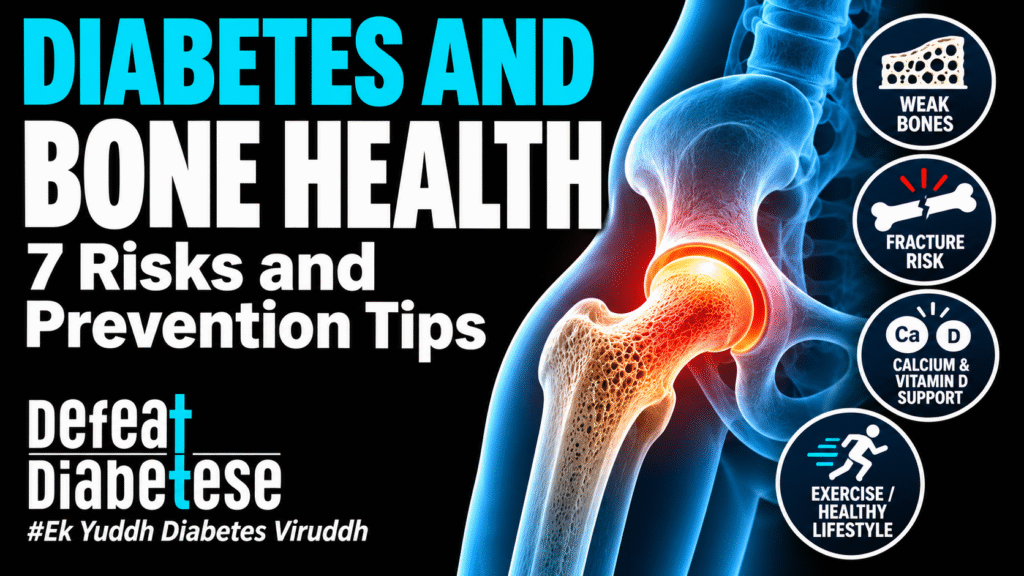
Diabetes and Bone Health: 7 Serious Risks and Prevention Tips
Diabetes and bone health have an important connection that many people overlook. Diabetes is commonly associated with complications affecting the heart, kidneys, eyes, and nerves. However, both Type 1 and Type 2 diabetes can also affect bone strength and increase the risk of fractures.
Healthy bones are essential for movement, balance, and everyday activities. They provide structural support, protect vital organs, and store important minerals such as calcium and phosphorus.
People with diabetes may experience changes in bone quality, increased fall risk, and other complications that make fractures more likely.
Surprisingly, some people with Type 2 diabetes have normal or even higher bone mineral density but still experience an increased risk of fractures.
This means that a normal bone density reading does not always tell the complete story about bone health.
At Defeat Diabetese, we believe that understanding lesser-known diabetes complications can help people take appropriate preventive steps.
In this article, we explore seven important risks associated with diabetes and bone health, common warning signs, recommended tests, and practical strategies for maintaining stronger bones.
What Is the Connection Between Diabetes and Bone Health?
Bones are living tissues that constantly undergo a process called bone remodeling.
During this process, old bone tissue is removed and replaced with new bone.
Several factors influence bone remodeling, including hormones, nutrition, physical activity, age, and metabolic health.
Diabetes may interfere with this process through multiple mechanisms.
Long-term elevated blood glucose can contribute to changes in collagen, an important structural component of bone.
Advanced glycation end products may accumulate in bone collagen and affect its mechanical properties.
Diabetes-related complications, including neuropathy and visual impairment, may also increase the likelihood of falling.
Additionally, certain medications and associated medical conditions can influence fracture risk.
Therefore, protecting bone health requires attention to both bone strength and fall prevention.
How Do Type 1 and Type 2 Diabetes Affect Bones Differently?
Type 1 Diabetes and Bone Health
People with Type 1 diabetes may have lower bone mineral density and an increased risk of fractures.
Several factors may contribute, including reduced bone formation, changes in insulin-related signaling, and the effects of diabetes complications.
The risk can be influenced by diabetes duration, glucose management, and other health conditions.
Type 2 Diabetes and Bone Health
People with Type 2 diabetes may have normal or higher bone mineral density compared with people without diabetes.
However, their bones can still be more vulnerable to fractures.
This apparent contradiction may be explained by changes in bone quality, microarchitecture, and other factors not fully captured by standard bone density measurements.
Both conditions therefore deserve individualized bone-health assessment.
Diabetes and Bone Health: 7 Serious Risks
1. Increased Risk of Osteoporosis
Osteoporosis is a condition in which bones become weaker and more likely to fracture.
It may develop when bone breakdown exceeds new bone formation over time.
People with diabetes can develop osteoporosis, particularly when additional risk factors are present.
These include older age, menopause, low body weight, reduced physical activity, smoking, and certain medications.
In Type 1 diabetes, lower bone mineral density may contribute to fracture risk.
In Type 2 diabetes, fractures can occur even when bone density is not particularly low.
Prevention Tip: Discuss bone-health assessment with your doctor, especially if you are older, have a previous fracture, or have other osteoporosis risk factors.
2. Higher Risk of Bone Fractures
Research shows that both Type 1 and Type 2 diabetes are associated with increased fracture risk.
Common fracture locations include the hip, spine, wrist, and ankle.
A fracture may occur after a fall or relatively minor injury.
The risk varies depending on age, diabetes type, duration, complications, and general health.
Hip fractures are particularly concerning because they may lead to hospitalization, reduced mobility, and prolonged rehabilitation.
Prevention Tip: Maintain appropriate physical activity, reduce fall hazards, and seek medical assessment after a low-trauma fracture.
3. Changes in Bone Quality and Strength
Bone density measures the amount of mineral contained in bone, but it does not fully describe bone strength.
Bone quality also depends on microarchitecture, collagen characteristics, and structural integrity.
Long-standing diabetes may contribute to changes in these properties.
This is particularly relevant to Type 2 diabetes, where bone density can appear reassuring despite increased fracture risk.
Prevention Tip: Ask your doctor to assess your overall fracture risk rather than relying only on one bone density measurement.
4. Increased Risk of Falls
Falls are an important contributor to fractures among people with diabetes.
Several diabetes-related complications can increase fall risk.
Peripheral neuropathy may reduce sensation in the feet, making it harder to detect changes in the walking surface.
Vision problems can affect depth perception and awareness of obstacles.
Hypoglycemia may cause dizziness, weakness, confusion, or loss of consciousness.
Muscle weakness and certain medications may also contribute.
Prevention Tip: Manage glucose safely, use supportive footwear, maintain good lighting at home, and discuss balance problems with a healthcare professional.
5. Slower Recovery After Fractures
Diabetes may complicate recovery after certain fractures, particularly when glucose levels are poorly managed or other medical complications are present.
High blood glucose can affect inflammation, circulation, immune function, and tissue repair.
However, not everyone with diabetes experiences delayed bone healing.
Recovery depends on fracture type, severity, treatment, nutrition, age, and overall health.
Prevention Tip: Follow orthopedic advice, maintain appropriate glucose management, and obtain sufficient nutrition during recovery.
6. Bone Problems Associated With Kidney Disease
Diabetes is a major risk factor for chronic kidney disease.
The kidneys help regulate calcium, phosphorus, and vitamin D metabolism.
When kidney function becomes significantly impaired, mineral and hormonal imbalances may affect bone strength.
These problems are part of a condition called chronic kidney disease–mineral and bone disorder.
Treatment differs from ordinary osteoporosis management and requires medical assessment.
Prevention Tip: Attend recommended kidney function tests and avoid taking high-dose calcium or vitamin D supplements without medical advice, especially if you have kidney disease.
7. Medication-Related Fracture Risks
Certain medications used by people with diabetes may influence bone or fall risk.
For example, thiazolidinediones, including pioglitazone, have been associated with increased fracture risk in some populations.
Insulin and certain other glucose-lowering medicines may contribute indirectly to fractures when hypoglycemia causes falls.
This does not mean that these medicines should automatically be avoided.
Treatment decisions require balancing glucose management, cardiovascular health, kidney function, and other medical considerations.
Prevention Tip: Review medications with your healthcare professional if you have osteoporosis, a previous fracture, or frequent falls. Never discontinue prescribed treatment independently.
Are There Early Warning Signs of Weak Bones?
One of the challenges with osteoporosis is that it often develops without obvious symptoms.
A person may not realize their bones are weak until a fracture occurs.
Possible warning signs include:
- A fracture after a minor fall
- Gradual loss of height
- New or persistent back pain
- A stooped posture
- Repeated falls
- Difficulty maintaining balance
These signs do not confirm osteoporosis, but they may indicate a need for assessment.
Sudden severe back pain after a minor movement or fall can sometimes indicate a vertebral fracture.
Seek medical evaluation for unexplained height loss, persistent back pain, or fractures after minimal trauma.
How Is Bone Health Tested in People With Diabetes?
Bone Mineral Density Test
A dual-energy X-ray absorptiometry scan, commonly called DXA or DEXA, measures bone mineral density.
It usually examines the hip and spine.
Results may include a T-score, which compares bone density with that of a healthy young adult reference population.
In appropriate adult populations, a T-score of −2.5 or lower is consistent with osteoporosis.
However, DXA results must be interpreted alongside age, clinical history, and other fracture risk factors.
FRAX Fracture Risk Assessment
FRAX is a tool that estimates the probability of certain fractures over the following ten years.
It considers factors such as age, previous fractures, smoking, and some medical conditions.
However, standard FRAX calculations do not directly include Type 2 diabetes as a separate risk factor.
As a result, FRAX may underestimate fracture risk in people with Type 2 diabetes.
Healthcare professionals may use additional clinical information to interpret the results.
Additional Tests
Depending on the situation, doctors may recommend blood tests to assess calcium, vitamin D, kidney function, or other relevant factors.
Some individuals may need vertebral imaging or additional bone assessments.
Testing should reflect individual medical needs.
Who Should Consider Bone Density Screening?
Bone density screening is particularly important for older adults and people with established fracture risk factors.
The American Diabetes Association’s 2026 guidance recommends DXA monitoring in people with Type 2 diabetes aged 65 or older.
It also recommends consideration in adults aged 50 or older with additional bone-related or diabetes-related risk factors, such as long diabetes duration or insulin use.
Other circumstances may justify earlier evaluation.
People with Type 1 diabetes, previous low-trauma fractures, kidney disease, or additional osteoporosis risk factors should discuss appropriate screening with their healthcare professionals.
The interval for repeat testing depends on the initial findings and individual clinical circumstances.
10 Effective Prevention Tips for Stronger Bones
1. Manage Blood Glucose Consistently
Follow your prescribed diabetes care plan.
Appropriate glucose management supports overall health and may help reduce complications that contribute to fracture risk.
Avoid both prolonged hyperglycemia and severe hypoglycemia.
2. Consume Adequate Calcium
Calcium is essential for maintaining normal bone structure.
Many adults need approximately 1,000–1,200 mg of calcium daily, depending on age and sex.
Food sources include milk, curd, certain leafy vegetables, calcium-set tofu, and fortified products.
Supplementation should be individualized.
3. Maintain Adequate Vitamin D
Vitamin D helps the body absorb calcium and supports bone mineralization.
Vitamin D can be obtained through suitable foods, fortified products, and skin production following sun exposure.
However, sun exposure alone may not provide sufficient vitamin D for everyone.
Testing and supplementation should be guided by individual risk and medical advice.
4. Include Enough Protein
Protein supports muscles, bones, and normal tissue maintenance.
Useful sources include dal, beans, paneer, eggs, tofu, fish, and lean poultry.
People with kidney disease may require individualized protein recommendations.
5. Perform Weight-Bearing Exercise
Activities such as walking, climbing stairs, and suitable resistance exercise can help maintain muscle and bone health.
Exercise should match your fitness level and medical condition.
6. Improve Balance and Muscle Strength
Balance training and strength exercises may help reduce fall risk.
People with neuropathy or frequent falls may benefit from physiotherapy.
7. Avoid Smoking
Smoking can negatively affect bone health and increases several other health risks.
Stopping tobacco use supports overall well-being.
8. Limit Alcohol Consumption
Excessive alcohol consumption can contribute to falls and poor bone health.
Avoid harmful drinking patterns and follow medical advice.
9. Make Your Home Safer
Remove loose rugs, improve lighting, use handrails when needed, and keep walking areas clear.
Simple environmental changes can reduce fall risk.
10. Attend Regular Medical Checkups
Discuss bone health during diabetes reviews, especially if you are older or have other risk factors.
Early assessment can help identify osteoporosis and guide treatment before a serious fracture occurs.
Best Indian Foods for Diabetes and Bone Health
A balanced Indian diet can provide several nutrients needed for maintaining bone health.
| Food | Nutritional Benefit |
|---|---|
| Milk and plain curd | Calcium and protein |
| Calcium-set tofu | Calcium and protein |
| Paneer | Calcium and protein |
| Ragi | Contains calcium and carbohydrates |
| Sesame seeds | Provide calcium and other nutrients |
| Dal and chickpeas | Protein and minerals |
| Leafy green vegetables | Various vitamins and minerals |
| Eggs and fish | Protein and other nutrients |
Some leafy greens contain compounds that reduce calcium absorption, so food variety matters.
Foods such as ragi and dal also contain carbohydrates and should be included in appropriate diabetes meal portions.
No single food can completely prevent osteoporosis or fractures.
A balanced dietary pattern, suitable exercise, and medical risk assessment are more important.
Can Bone Loss Be Reversed in People With Diabetes?
Some causes of reduced bone strength can be treated.
Appropriate nutrition, physical activity, and treatment of underlying medical conditions can support bone health.
For individuals diagnosed with osteoporosis, prescription medications may reduce fracture risk and improve bone density.
However, the extent of improvement varies, and advanced bone damage cannot always be fully reversed.
People who have experienced fragility fractures may require treatment even when bone density results are not severely reduced.
A healthcare professional should determine the appropriate management strategy.
When Should You See a Doctor?
Consult your doctor if you experience a fracture after a minor injury, repeated falls, unexplained height loss, or persistent back pain.
You should also discuss bone screening if you have long-standing diabetes with neuropathy, visual impairment, or additional osteoporosis risk factors.
Seek urgent care for severe pain after a fall, inability to bear weight, or suspected hip or spinal fracture.
Do not assume every joint or bone pain is caused by diabetes.
Frequently Asked Questions
1. Can diabetes cause weak bones?
Diabetes can affect bone quality and increase fracture risk, although the mechanisms differ between Type 1 and Type 2 diabetes.
2. Does Type 2 diabetes increase osteoporosis risk?
Type 2 diabetes is associated with higher fracture risk, even when standard bone density measurements appear normal or elevated.
3. Can high blood sugar damage bones?
Long-term elevated glucose may contribute to metabolic and structural changes that affect bone quality.
4. Is Vitamin D important for people with diabetes?
Yes. Vitamin D is essential for normal bone health, but supplementation should reflect individual needs.
5. Can walking strengthen bones?
Weight-bearing activities such as walking can support musculoskeletal health, although additional strength and balance exercises may also be beneficial.
6. Should people with diabetes get a DEXA scan?
Screening depends on age, diabetes history, fracture history, and other risk factors. Discuss the appropriate schedule with your clinician.
7. Can diabetes medications weaken bones?
Some medicines, particularly thiazolidinediones, have been linked to increased fracture risk in certain groups.
8. Does neuropathy increase fracture risk?
Diabetic neuropathy may affect sensation and balance, increasing the likelihood of falls.Diabetes and Bone HealthDiabetes and Bone Health
9. Can people with diabetes take calcium supplements?
Supplements may be appropriate for some people, but unnecessary or excessive doses can cause problems. Medical advice is especially important for kidney disease.Diabetes and Bone HealthDiabetes and Bone Health
10. How can people with diabetes protect their bones?
Maintain suitable glucose management, obtain adequate nutrition, exercise safely, prevent falls, and attend recommended bone-health assessments.Diabetes and Bone HealthDiabetes and Bone Health
Conclusion
Understanding the relationship between diabetes and bone health is an important part of comprehensive diabetes management.Diabetes and Bone HealthDiabetes and Bone Health
Both Type 1 and Type 2 diabetes can increase fracture risk through changes in bone strength, metabolic health, and complications that contribute to falls.Diabetes and Bone HealthDiabetes and Bone Health
Osteoporosis, reduced bone quality, neuropathy, kidney disease, and certain medications may all influence skeletal health.Diabetes and Bone HealthDiabetes and Bone Health
Fortunately, practical steps such as balanced nutrition, regular activity, adequate calcium and vitamin D, fall prevention, and appropriate screening can help protect bone health.Diabetes and Bone HealthDiabetes and Bone HealthDiabetes and Bone Health
At Defeat Diabetese, we believe diabetes awareness should extend beyond blood glucose to include long-term mobility, physical independence, and quality of life.Diabetes and Bone HealthDiabetes and Bone HealthDiabetes and Bone Health
Protect your bones. Manage diabetes responsibly. Stay active and healthy.
Medical Disclaimer
This article is intended for educational and informational purposes only. It does not replace professional medical advice, diagnosis, or treatment. Bone-health recommendations, screening requirements, and medication decisions should be individualized by qualified healthcare professionals. Do not start high-dose calcium or vitamin D supplements or change prescribed medications without medical guidance.Diabetes and Bone HealthDiabetes and Bone HealthDiabetes and Bone HealthDiabetes and Bone HealthDiabetes and Bone Health