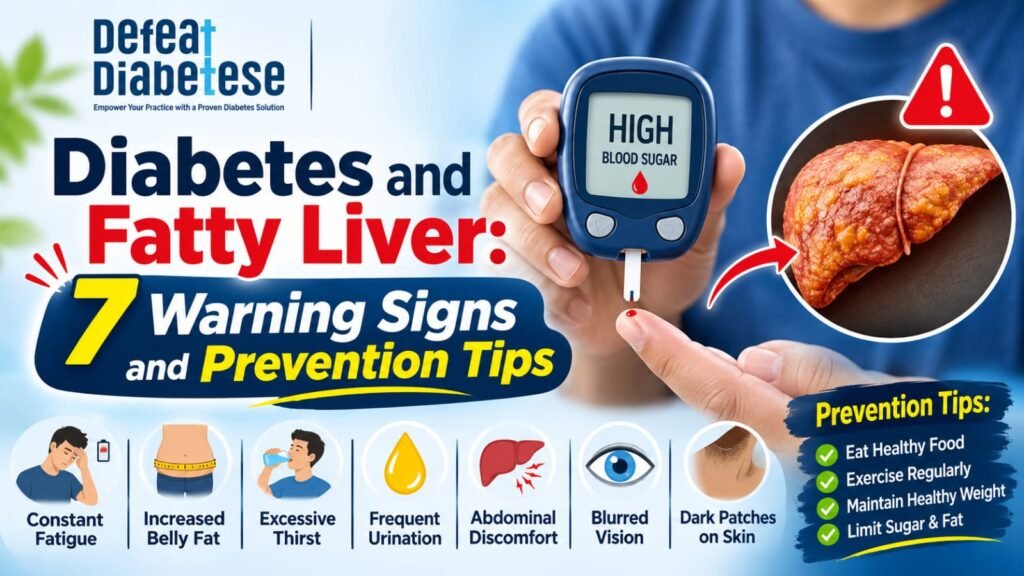
Diabetes and Fatty Liver: 7 Warning Signs and Prevention Tips
Introduction
Diabetes affects more than blood sugar levels. It can also influence the health of several vital organs, including the liver. One condition that deserves special attention is fatty liver disease, particularly in people living with type 2 diabetes.
The liver performs essential functions such as processing nutrients, storing energy, filtering harmful substances and supporting digestion. However, when excess fat accumulates inside liver cells, it can lead to fatty liver disease. The condition is now commonly known as metabolic dysfunction-associated steatotic liver disease (MASLD) when it is linked to metabolic risk factors such as insulin resistance, obesity and type 2 diabetes. It was previously called non-alcoholic fatty liver disease (NAFLD).
The connection between diabetes and fatty liver is important because insulin resistance can encourage fat accumulation in the liver. At the same time, fatty liver can make blood sugar regulation more difficult. This creates a cycle that may increase the risk of long-term health complications.
The challenge is that fatty liver often develops silently. Many people do not experience noticeable symptoms until the condition becomes more advanced. Understanding the possible warning signs and taking preventive steps can help protect both liver health and overall metabolic health.
In this article, we will explore 7 warning signs of fatty liver in people with diabetes, why the two conditions are connected and practical ways to reduce the risk.
How Are Diabetes and Fatty Liver Connected?
Insulin is a hormone that helps the body use glucose for energy. In people with insulin resistance, the body’s cells do not respond effectively to insulin. As a result, the body may produce more insulin, and blood glucose levels can become difficult to control.
Insulin resistance also affects how the liver handles fat. The liver may produce and store more fat than it can properly process, leading to fat accumulation.
People with type 2 diabetes are at an increased risk of developing MASLD. Other shared risk factors include abdominal obesity, high triglycerides, high blood pressure and unhealthy cholesterol levels.
Fatty liver can progress through different stages. In some people, fat accumulates without significant inflammation. In others, the condition may develop into metabolic dysfunction-associated steatohepatitis (MASH), where inflammation and liver cell injury occur. Continued damage can lead to fibrosis, cirrhosis and, in some cases, liver cancer.
Not everyone with fatty liver develops serious liver damage. However, people with diabetes should take the condition seriously and discuss their liver health with a healthcare professional.
7 Warning Signs of Fatty Liver in People with Diabetes
Fatty liver often has no obvious symptoms in its early stages. The following signs may occur in some people, but they are not specific to fatty liver and can have other causes. A medical evaluation is necessary to identify the reason.
1. Persistent Tiredness and Low Energy
Feeling tired occasionally is normal. However, persistent fatigue or unusual weakness may deserve attention, especially when it continues despite adequate sleep and rest.
Some people with fatty liver report feeling unusually tired or generally unwell. The exact reason for fatigue is not always clear, and it can also be related to high or low blood sugar, poor sleep, anaemia, thyroid problems or other health conditions.
For someone living with diabetes, ongoing tiredness should not automatically be blamed on blood sugar fluctuations. Discuss persistent symptoms with a healthcare professional so that the underlying cause can be assessed.
2. Discomfort in the Upper Right Side of the Abdomen
The liver is located in the upper-right part of the abdomen, beneath the rib cage. Some people with fatty liver may experience a dull ache, pressure or discomfort in this area.
This discomfort may be mild and may not occur every day. In some cases, an enlarged liver can contribute to a feeling of fullness or pressure.
However, abdominal discomfort is not proof of fatty liver. Gallbladder problems, digestive conditions and other liver disorders can cause similar symptoms. Severe or sudden abdominal pain requires prompt medical assessment.
3. Unexplained Loss of Appetite
A reduced desire to eat can sometimes occur in people with liver disease, particularly when the condition becomes more advanced.
A person may notice that they feel full quickly, have less interest in food or experience a general feeling of being unwell. In someone with diabetes, changes in appetite can also affect meal timing, medication routines and blood glucose management.
Do not ignore a persistent loss of appetite, particularly if it occurs with nausea, abdominal discomfort or unexplained weight loss. A doctor can help determine whether the problem is related to the liver or another condition.
4. Unexplained Weight Loss
Weight management is often part of diabetes care, and gradual, planned weight loss may improve metabolic health in people who have excess body weight.
However, losing weight without trying is different. Unexplained weight loss may sometimes occur in advanced liver disease, but it can also be linked to uncontrolled diabetes, thyroid disorders, digestive problems and other medical conditions.
If your weight is dropping without a clear reason, consult your healthcare professional. They may review your blood glucose levels, eating habits, medications and liver health.
5. Yellowing of the Skin or Eyes
Yellowing of the skin or the whites of the eyes is known as jaundice. It occurs when bilirubin, a yellow substance produced during the normal breakdown of red blood cells, builds up in the body.
Jaundice is not a typical early sign of simple fatty liver. It may indicate significant liver dysfunction or another condition affecting the liver, gallbladder or bile ducts.
If you notice yellow eyes or skin, seek urgent medical assessment rather than waiting for the symptom to disappear. Dark urine, pale stools or widespread itching may also occur with certain liver or bile-related conditions.
6. Swelling in the Abdomen or Legs
Swelling in the abdomen may occur when fluid accumulates inside the abdominal cavity, a condition called ascites. Swelling in the feet and legs can also develop in advanced liver disease.
These symptoms may indicate serious liver damage, particularly when accompanied by weakness, jaundice or other changes in health.
However, swelling can also result from heart disease, kidney disease, circulation problems or certain medicines. People with diabetes may already have an increased risk of kidney and heart complications, so new or unexplained swelling should be assessed promptly.
7. Easy Bruising or Unusual Bleeding
The liver produces several proteins that help blood clot. When advanced liver damage affects the liver’s ability to make these proteins, a person may bruise more easily or experience unusual bleeding.
Possible signs include frequent unexplained bruises, bleeding gums or prolonged bleeding from minor cuts.
These symptoms do not usually appear in the early stages of fatty liver. They may indicate advanced liver disease or another medical problem and should not be ignored.
Vomiting blood, passing black tarry stools or experiencing significant bleeding requires emergency medical attention.
7 Practical Prevention Tips for People with Diabetes
The good news is that healthy lifestyle changes can reduce liver fat and improve metabolic health. The right approach can also support blood glucose, cholesterol and blood pressure management.
1. Maintain a Healthy Body Weight
Excess body weight, particularly fat around the abdomen, is an important risk factor for insulin resistance and fatty liver.
If you have overweight or obesity, gradual and sustained weight loss may help reduce liver fat and improve blood glucose control. Even a modest reduction in body weight can be beneficial.
Avoid crash diets, extreme fasting or rapid weight-loss plans. These approaches may be difficult to maintain and can create problems for people using insulin or certain diabetes medicines.
Set realistic goals with your doctor or registered dietitian. A personalised plan is safer and more effective than following an extreme diet.
2. Choose a Balanced, Liver-Friendly Diet
Your daily food choices can influence both blood glucose and liver health.
Include a variety of vegetables, whole grains, pulses, beans, nuts and appropriate sources of protein. Choose high-fibre foods and pay attention to portion sizes.
Limit foods and drinks that contain large amounts of added sugar, particularly sugary beverages, packaged juices, sweets and desserts. Reduce frequent consumption of deep-fried foods, processed snacks and foods high in saturated fat.
You do not need to eliminate every carbohydrate. Instead, choose better-quality carbohydrate sources and balance them with fibre and protein according to your diabetes meal plan.
3. Exercise Regularly
Physical activity helps the body use insulin more effectively and can reduce fat accumulation in the liver.
Aim for at least 150 minutes of moderate-intensity aerobic activity each week, if your health permits. Brisk walking, cycling, swimming and dancing are possible options.
Strength-training activities on two or more days per week can also support muscle health and glucose regulation.
If you have been inactive, start slowly. People with diabetes who use insulin or medicines that can cause low blood glucose should discuss exercise-related precautions with their healthcare team.
4. Control Blood Sugar Levels
Managing diabetes is an important part of protecting liver health.
Follow your prescribed treatment plan, monitor blood glucose as recommended and attend regular medical appointments. Your healthcare professional may review your HbA1c, fasting glucose and other metabolic risk factors.
Never stop or change diabetes medication on your own because you are concerned about fatty liver. Some diabetes medicines may also have benefits for people with certain metabolic conditions, but treatment decisions depend on individual health needs.
Ask your doctor whether your current diabetes management plan also addresses your liver-related risks.
5. Manage Cholesterol and Blood Pressure
High triglycerides, unhealthy cholesterol levels and high blood pressure often occur alongside insulin resistance and fatty liver.
Have your lipid profile and blood pressure checked as recommended. Follow your prescribed treatment and make lifestyle changes that support cardiovascular health.
Do not stop cholesterol-lowering medicines, including statins, without medical advice. Your healthcare professional can decide which medicines are appropriate based on your overall health and liver test results.
6. Avoid Alcohol and Unnecessary Supplements
Alcohol can contribute to liver injury. If you have fatty liver, diabetes or another liver condition, discuss alcohol avoidance with your healthcare professional. Avoiding alcohol is the safest option for many people with liver disease.
Be careful with herbal remedies, bodybuilding products, weight-loss supplements and unverified liver detox products. Some supplements can damage the liver or interact with prescribed medicines.
There is no reliable shortcut or detox drink that can replace medical care and sustainable lifestyle changes.
7. Get Regular Liver Health Check-Ups
Because fatty liver often has no symptoms, regular medical assessment is especially important for people with type 2 diabetes.
Your doctor may review your medical history, weight, waist measurement, blood glucose, cholesterol and liver-related blood tests. Depending on your risk, they may recommend additional assessment.
Possible tests include:
- Liver blood tests: ALT and AST may help identify possible liver injury, although normal results do not completely rule out significant liver disease.
- Ultrasound: May identify fat accumulation in the liver, but it cannot reliably determine the amount of liver scarring.
- FIB-4 score: A calculation using age, AST, ALT and platelet count that helps estimate the risk of liver fibrosis.
- FibroScan or other specialised tests: May be recommended to assess liver stiffness and the possibility of scarring.Diabetes and Fatty LiverDiabetes and Fatty Liver
Ask your healthcare professional whether you need liver fibrosis risk assessment as part of your diabetes care.Diabetes and Fatty LiverDiabetes and Fatty Liver
When Should You See a Doctor?
If you have type 2 diabetes, discuss your liver health during routine check-ups, even if you feel completely well.Diabetes and Fatty LiverDiabetes and Fatty Liver
Arrange a medical appointment if you experience persistent fatigue, unexplained appetite changes, ongoing upper-right abdominal discomfort or unintentional weight loss.Diabetes and Fatty LiverDiabetes and Fatty Liver
Seek urgent medical attention if you notice yellowing of the eyes or skin, new abdominal swelling, significant leg swelling, unusual bleeding or other signs of serious illness. Vomiting blood, black tarry stools, severe confusion or severe abdominal pain require emergency care.Diabetes and Fatty LiverDiabetes and Fatty Liver
Do not rely on symptoms alone to identify fatty liver. Only an appropriate medical assessment can help determine whether liver fat or liver damage is present.Diabetes and Fatty LiverDiabetes and Fatty Liver
Frequently Asked Questions (FAQs)
1. Can diabetes cause fatty liver?
Type 2 diabetes does not directly cause fatty liver in every person, but insulin resistance and other metabolic changes increase the risk of developing MASLD. Both conditions share risk factors such as abdominal obesity and high triglycerides.Diabetes and Fatty LiverDiabetes and Fatty Liver
2. Can fatty liver increase blood sugar levels?
Fatty liver is associated with insulin resistance, which can make blood glucose regulation more difficult. The relationship works in both directions: diabetes increases the risk of fatty liver, and metabolic liver disease is associated with a higher risk of type 2 diabetes.Diabetes and Fatty LiverDiabetes and Fatty Liver
3. Is fatty liver reversible?
In many people, liver fat can be reduced through sustained lifestyle changes, including gradual weight loss when appropriate, regular physical activity and improved food choices. The possibility of reversing liver damage depends on the stage of disease. Advanced scarring may not be fully reversible.Diabetes and Fatty LiverDiabetes and Fatty Liver
4. Can a person have fatty liver without symptoms?
Yes. Most people with early-stage fatty liver do not experience noticeable symptoms. The condition may be discovered during routine blood tests or imaging performed for another reason.Diabetes and Fatty LiverDiabetes and Fatty LiverDiabetes and Fatty LiverDiabetes and Fatty Liver
5. Which foods should people with diabetes and fatty liver limit?
It is generally helpful to limit sugary drinks, foods with added sugar, refined and highly processed foods, deep-fried items and foods high in saturated fat. A balanced eating plan should be personalised to blood glucose levels, nutritional needs and other medical conditions.Diabetes and Fatty LiverDiabetes and Fatty LiverDiabetes and Fatty LiverDiabetes and Fatty Liver
6. Does walking help reduce fatty liver?
Regular walking and other forms of physical activity can improve insulin sensitivity and help reduce liver fat. Aim for a sustainable exercise routine that suits your health and fitness level.
Conclusion
Diabetes and fatty liver are closely connected through insulin resistance and other metabolic risk factors. Although fatty liver may develop without obvious symptoms, it can progress in some people to inflammation, fibrosis and serious liver complications.Diabetes and Fatty LiverDiabetes and Fatty LiverDiabetes and Fatty LiverDiabetes and Fatty Liver
Recognising possible warning signs such as persistent fatigue, abdominal discomfort, unexplained appetite changes and jaundice is important. However, symptoms alone cannot confirm fatty liver, and waiting for symptoms may delay diagnosis.
For people living with diabetes, prevention begins with consistent blood sugar management, balanced nutrition, regular exercise, healthy weight management and appropriate medical check-ups.Diabetes and Fatty LiverDiabetes and Fatty LiverDiabetes and Fatty LiverDiabetes and Fatty Liver
Your liver health is an important part of your diabetes care. Take preventive steps today, discuss your individual risk with your healthcare professional and make long-term health a priority.
Medical Disclaimer: This article is for educational and informational purposes only. It is not a substitute for professional medical advice, diagnosis or treatment. Consult a qualified healthcare professional for personalised guidance about diabetes, fatty liver disease, testing and treatment.