
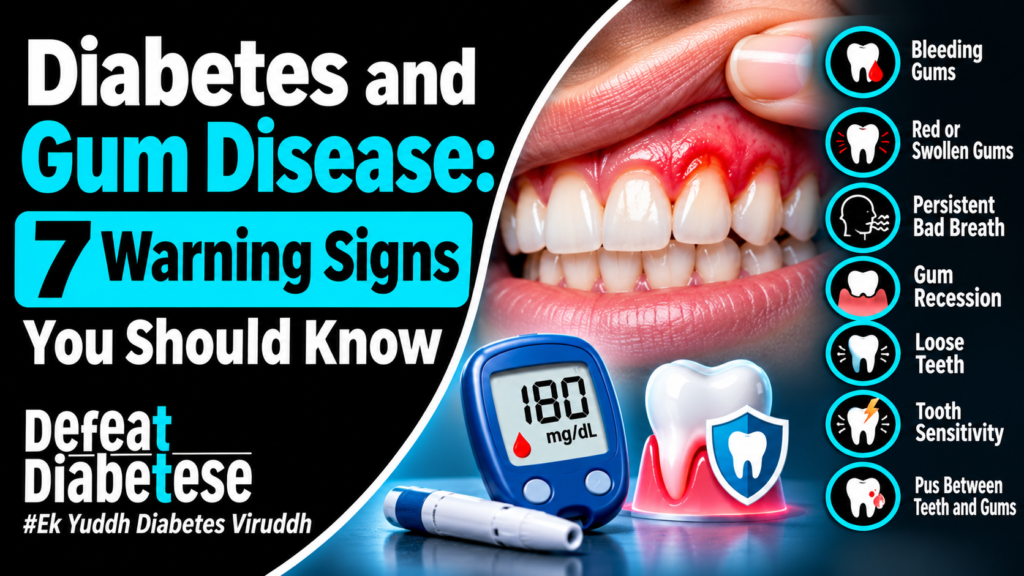
Diabetes and Gum Disease: 7 Warning Signs You Should Know
Introduction
When people think about diabetes complications, they usually focus on the eyes, kidneys, heart and nerves. However, there is another important part of the body that often gets overlooked: the mouth.
Diabetes can affect oral health in several ways, especially by increasing the risk of gum disease. People living with diabetes may be more likely to develop gum infections, experience dry mouth and face problems with healing. If these issues are ignored, they can gradually affect the gums, supporting bone and even the teeth.
The relationship between diabetes and gum disease works in both directions. High blood sugar can make gum infections more likely and harder to control. At the same time, serious gum inflammation may make blood glucose levels more difficult to manage.
According to the National Institute of Dental and Craniofacial Research (NIDCR), people with diabetes have a higher chance of developing periodontal disease, an infection affecting the gums and the tissues that support the teeth.
The good news is that gum disease can often be prevented, detected early and treated with appropriate dental care.
In this article, we will discuss 7 warning signs of gum disease in people with diabetes, explain why the two conditions are connected and share practical steps to protect your teeth and gums.
How Are Diabetes and Gum Disease Connected?
To understand the connection, it is important to know how high blood sugar affects the mouth.
When blood glucose levels remain high, the body’s ability to fight infections can become less effective. This can make it easier for harmful bacteria to cause infections in the gums.
Diabetes can also affect saliva production. Saliva helps wash away food particles, protect the teeth and control the growth of bacteria. When the mouth produces less saliva, the risk of dry mouth, tooth decay and gum problems may increase.
Another important factor is inflammation. Gum disease develops when plaque, a sticky layer of bacteria, builds up around the teeth and irritates the gums. Without proper cleaning and treatment, the infection can progress and damage the tissues and bone that support the teeth.
There are two major stages to understand:
- Gingivitis: The early stage of gum disease, usually involving red, swollen or bleeding gums. It can often be reversed with good oral hygiene and professional cleaning.
- Periodontitis: A more advanced infection that damages the tissues and bone supporting the teeth. The damage cannot generally be reversed, but professional treatment can help control the condition.
This is why people with diabetes should make oral health an important part of their regular diabetes care.
7 Warning Signs of Gum Disease You Should Know
Gum disease does not always cause pain in its early stages. Some people may not notice a problem until the infection becomes more advanced. Recognising the following warning signs can help you seek dental care sooner.
1. Bleeding Gums While Brushing or Flossing
One of the earliest and most common warning signs of gum disease is bleeding during brushing or flossing.
Healthy gums generally should not bleed regularly during normal oral hygiene. When plaque accumulates around the gumline, it can irritate the gum tissue and cause inflammation. As a result, the gums may become sensitive and bleed easily.
People with diabetes should pay particular attention to repeated gum bleeding because high blood glucose can increase the risk of gum infections and make them more difficult to manage.
Do not simply stop brushing the affected area because it bleeds. Gentle cleaning is important, but persistent bleeding should be evaluated by a dentist.
2. Red, Swollen or Tender Gums
Healthy gums are generally firm and pink, although their natural colour can vary between individuals.
If your gums appear unusually red, swollen or tender, it may indicate inflammation caused by plaque buildup.
People with diabetes may be more vulnerable to gum infections, particularly when blood glucose levels are not well controlled.
You may notice:
- Swelling around one or more teeth.
- Tenderness when touching the gums.
- Discomfort while brushing.
- A change in the normal appearance of your gums.
These symptoms should not be ignored. Early gingivitis can often be treated successfully with improved oral hygiene and professional dental cleaning.
3. Persistent Bad Breath
Bad breath occasionally happens to everyone, especially after eating certain foods or waking up in the morning.
However, bad breath that continues despite regular brushing and cleaning may be a warning sign of an oral health problem.
When bacteria accumulate around the teeth and gums, they can produce unpleasant-smelling substances. Gum infections, trapped food particles and poor oral hygiene can contribute to persistent bad breath.
Diabetes-related dry mouth can also make the problem worse because saliva normally helps clean the mouth and control bacterial growth.
If bad breath continues even after improving your oral hygiene, arrange a dental check-up to identify its cause.
4. Dry Mouth and Increased Thirst
Dry mouth is another oral health problem that people with diabetes may experience.
Saliva plays an important role in protecting the teeth and gums. It helps remove food particles, neutralise acids and reduce harmful bacterial activity.
Diabetes and some medicines can reduce saliva production. High blood glucose may also contribute to dehydration and a dry feeling in the mouth.
You may experience:
- A sticky or dry feeling inside the mouth.
- Difficulty swallowing dry foods.
- Frequent thirst.
- A burning sensation in the mouth.
- Increased risk of cavities and oral infections.
Dry mouth is not the same as gum disease, but it can increase the risk of several dental problems.
If dryness continues, speak with your doctor or dentist. They can help identify the cause and recommend appropriate treatment.
5. Gums Pulling Away From the Teeth
Have you noticed that your teeth appear longer than they used to?
This may happen when the gums begin to recede or pull away from the teeth.
Gum recession can expose more of the tooth surface and sometimes the roots. It may also create spaces where bacteria and food particles can collect.
In people with diabetes, untreated gum inflammation may increase the risk of developing more advanced periodontal disease.
Possible signs include:
- Teeth appearing longer.
- More visible tooth roots.
- Increased sensitivity to hot or cold foods.
- Spaces developing near the gumline.
Gum recession can have several causes, including periodontal disease and aggressive brushing. A dentist can identify the cause and recommend suitable care.
6. Loose or Sensitive Teeth
Teeth are supported by the gums, connective tissues and surrounding jawbone. Advanced gum disease can damage these supporting structures.
As the infection progresses, the bone and tissues holding the teeth in place may gradually weaken. This can cause teeth to become loose or shift from their normal positions.
People with diabetes should take this symptom seriously because periodontal disease may progress more severely when blood glucose is poorly controlled.
You may notice:
- Teeth feeling loose while eating.
- Increased sensitivity.
- Changes in the way your teeth fit together.
- New spaces between teeth.
- Difficulty biting or chewing food.
Loose adult teeth are not normal. Contact a dentist promptly rather than waiting for the problem to improve on its own.
7. Pain or Difficulty While Chewing
Pain or discomfort while chewing may indicate that gum disease has progressed or that another dental problem is present.
When infection affects the tissues supporting the teeth, chewing can become uncomfortable. Swelling, tenderness, loose teeth and damaged supporting structures may all contribute to difficulty eating.
Some people may also notice bleeding, swelling or persistent bad breath along with chewing discomfort.
This problem can be particularly concerning for people with diabetes because dental pain may affect their ability to eat balanced meals and follow their usual diabetes meal plan.
If chewing becomes painful or difficult, arrange a dental examination. Early treatment can help prevent further damage and protect your ability to eat comfortably.
7 Effective Tips to Prevent Gum Disease If You Have Diabetes
Protecting your gums requires consistent daily care. The following steps can help reduce the risk of gum disease while supporting better diabetes management.
1. Keep Your Blood Sugar Under Control
Managing blood glucose is one of the most important steps in protecting your oral health.
High blood sugar can weaken the body’s ability to fight infections and may increase the risk of gum disease.
Follow your prescribed diabetes treatment plan, monitor glucose levels as recommended and attend regular medical appointments.
Do not change or stop diabetes medication without consulting your healthcare professional.
2. Brush Twice a Day With Fluoride Toothpaste
Brushing helps remove plaque and food particles that accumulate on the teeth.
Brush at least twice daily using a soft-bristled toothbrush and fluoride toothpaste. Clean all tooth surfaces gently, paying attention to the areas near the gumline.
Avoid brushing too aggressively, as excessive pressure can irritate the gums and contribute to gum recession.
Replace your toothbrush when its bristles become worn, and ask your dentist to demonstrate the correct brushing technique if needed.
3. Floss Every Day
Brushing alone cannot effectively clean every space between the teeth.
Dental floss helps remove plaque and food particles from areas that a toothbrush may not reach.
Make flossing part of your daily oral hygiene routine. If traditional floss is difficult to use, ask your dentist whether interdental brushes or a water flosser would be suitable.
If your gums bleed regularly, do not ignore the problem. Arrange a dental check-up to determine whether inflammation or another issue is present.
4. Visit Your Dentist Regularly
Regular dental examinations are important for detecting gum disease before it becomes severe.
Your dentist can check your gums, look for plaque buildup, assess the spaces around your teeth and recommend professional cleaning when needed.
Tell your dentist that you have diabetes. Share information about your blood glucose management, medicines and any diabetes-related complications.
The frequency of dental visits depends on your oral health. Many people benefit from check-ups every six months, while others may need more frequent appointments.
5. Avoid Smoking and Tobacco Products
Smoking and tobacco use can significantly increase the risk of gum disease.
Tobacco can affect the body’s ability to fight infections and heal damaged gum tissue. It can also make periodontal treatment less successful.
For people with diabetes, smoking adds further risks to an already increased likelihood of oral health complications.
Avoid cigarettes, chewing tobacco and other tobacco products. If quitting is difficult, speak with a healthcare professional about available support and treatment options.
6. Choose a Balanced Diet and Drink Enough Water
Your daily food and drink choices can influence both blood glucose and oral health.
Include vegetables, whole grains, pulses, nuts and appropriate sources of protein in your diet. Follow a personalised diabetes meal plan.
Limit frequent consumption of sugary drinks, sweets and highly processed snacks. These foods can contribute to tooth decay and make blood glucose management more challenging.
Drink enough water throughout the day, according to your individual medical needs. Water can help relieve dry mouth and wash away food particles.
7. Do Not Ignore Early Oral Health Problems
Small changes in your mouth can become bigger problems if left untreated.
If you notice bleeding gums, persistent bad breath, swelling, dry mouth or tooth sensitivity, arrange a dental examination.
Avoid relying on home remedies or over-the-counter mouthwashes to treat a possible gum infection. These products cannot replace professional diagnosis and treatment.
Depending on the condition, your dentist may recommend professional cleaning, deep cleaning, medication or specialist periodontal treatment.
Early attention can help protect your gums and prevent avoidable complications.
When Should You See a Dentist?
If you have diabetes, do not wait for severe pain before visiting a dentist.
Arrange an appointment if you experience:
- Repeated bleeding while brushing or flossing.
- Red, swollen or tender gums.
- Persistent bad breath.
- Gum recession.
- Tooth sensitivity or loose teeth.
- Pain while chewing.
- White patches, mouth soreness or persistent dryness.
Seek urgent dental care if you develop significant facial or gum swelling, pus, fever or severe dental pain. If swelling affects breathing or swallowing, seek emergency medical care.Diabetes and Gum DiseaseDiabetes and Gum Disease
Remember that gum disease can sometimes progress without noticeable pain. Regular dental examinations are therefore important even when your mouth feels normal.Diabetes and Gum DiseaseDiabetes and Gum Disease
Frequently Asked Questions (FAQs)
1. Can diabetes cause gum disease?
Diabetes does not automatically cause gum disease, but it increases the risk. High blood glucose can affect the body’s ability to fight infections and may make gum disease more severe.Diabetes and Gum DiseaseDiabetes and Gum Disease
2. Can gum disease increase blood sugar levels?
Gum disease involves inflammation and infection. Research indicates that periodontal disease is associated with poorer blood glucose control. Treating gum disease may help improve blood glucose levels in some people, although it does not replace diabetes medication or other treatment.Diabetes and Gum DiseaseDiabetes and Gum DiseaseDiabetes and Gum Disease
3. What is the first sign of gum disease?
Bleeding gums during brushing or flossing are among the common early warning signs. Redness, swelling and tenderness may also indicate gingivitis.Diabetes and Gum DiseaseDiabetes and Gum Disease
4. Can gum disease be reversed?
Early gum disease, known as gingivitis, can often be reversed with proper brushing, daily cleaning between the teeth and professional dental care. Advanced periodontitis causes damage to the supporting tissues and bone that cannot generally be reversed, but treatment can help control it.
5. How often should people with diabetes visit a dentist?
Many people benefit from a dental check-up every six months. However, the ideal frequency depends on individual gum health and risk factors. Your dentist may recommend more frequent visits if you have existing periodontal disease.
6. Does high blood sugar cause dry mouth?
High blood glucose can contribute to dehydration and dry mouth. Certain diabetes medicines and other health conditions may also reduce saliva production. Persistent dry mouth should be discussed with a healthcare professional.Diabetes and Gum DiseaseDiabetes and Gum Disease
Conclusion
Diabetes affects much more than blood sugar levels. It can also influence oral health and increase the risk of gum infections, dry mouth and periodontal disease.Diabetes and Gum DiseaseDiabetes and Gum Disease
Warning signs such as bleeding gums, swelling, persistent bad breath, gum recession, loose teeth and chewing discomfort should never be ignored.Diabetes and Gum DiseaseDiabetes and Gum DiseaseDiabetes and Gum Disease
The best way to protect your oral health is to combine good diabetes management with consistent dental care. Brush twice daily, floss regularly, avoid tobacco, choose balanced meals and visit your dentist for routine examinations.Diabetes and Gum DiseaseDiabetes and Gum DiseaseDiabetes and Gum Disease
Remember, healthy gums are an important part of overall health. Taking care of your mouth is not separate from managing diabetes—it is an essential part of it.Diabetes and Gum DiseaseDiabetes and Gum DiseaseDiabetes and Gum Disease
Take care of your blood sugar, protect your gums and make oral health a priority every day.
Medical Disclaimer: This article is intended for educational purposes only and should not replace professional medical or dental advice, diagnosis or treatment. If you experience symptoms of gum disease, consult a qualified dentist. Follow your healthcare professional’s advice for managing diabetes and related complications.