
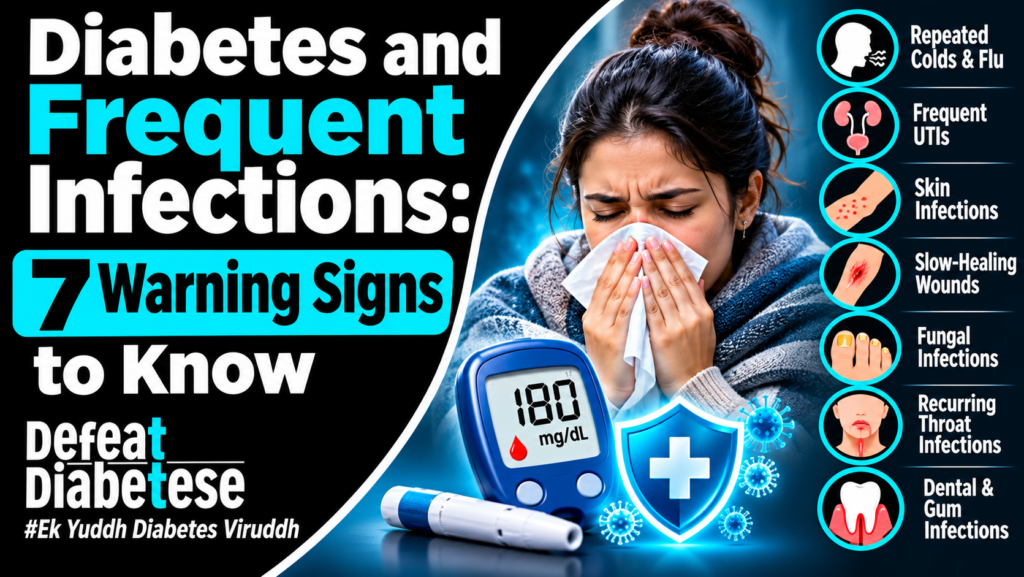
Diabetes and Frequent Infections: 7 Warning Signs to Know
Introduction
Living with diabetes involves more than monitoring blood sugar levels. It also means understanding how diabetes can affect different parts of the body, including the immune system. One important concern that people with diabetes should be aware of is the increased risk of certain infections.
Have you noticed that you frequently develop urinary tract infections, skin infections, fungal infections or wounds that take longer than expected to heal? These problems can sometimes be associated with poorly controlled blood glucose levels.
Diabetes and frequent infections are closely connected because high blood sugar can interfere with the body’s natural ability to fight harmful microorganisms. It can also affect blood circulation, nerve function and the healing process.
However, frequent infections are not always caused by diabetes. Other medical conditions, medications and environmental factors can also increase infection risk.
Recognising early warning signs is important because untreated infections can become more serious, particularly when blood glucose levels remain elevated.
In this article, we will explore 7 warning signs of frequent infections in people with diabetes, understand why infections may occur more often and discuss practical prevention strategies to protect your health.
What Is the Connection Between Diabetes and Frequent Infections?
The immune system protects the body against harmful bacteria, viruses, fungi and other microorganisms. When an infection develops, immune cells work together to identify and fight the invading organisms.
Diabetes can affect this defence system in several ways.
When blood glucose levels remain high, certain white blood cells may become less effective at responding to infections. High blood sugar can also contribute to inflammation and create conditions that make some infections more likely.
Diabetes may damage small blood vessels over time, reducing circulation in certain areas of the body. Poor circulation can limit the delivery of oxygen, nutrients and immune cells needed for healing.
Nerve damage is another concern. People with diabetic neuropathy may not notice minor cuts, blisters or injuries, especially on their feet. An unnoticed injury can become infected if it is not treated.
High glucose levels can also encourage the growth of certain microorganisms, particularly yeast, in susceptible areas.
These factors help explain why some people with diabetes experience repeated or more severe infections.
The risk is not the same for everyone. Maintaining blood glucose within an individualised target range, practising good hygiene and receiving appropriate medical care can help reduce infection-related complications.
7 Warning Signs of Frequent Infections in People with Diabetes
1. Repeated Urinary Tract Infections
Urinary tract infections, commonly called UTIs, are among the infections that may occur more frequently in people with diabetes.
A UTI develops when bacteria infect part of the urinary system, such as the bladder or kidneys.
People with diabetes may be more vulnerable because high blood glucose, changes in immune function and incomplete bladder emptying can contribute to infection risk.
Common symptoms include:
- Burning or pain while urinating.
- Frequent or urgent urination.
- Lower abdominal discomfort.
- Cloudy or bloody urine.
- Fever or chills in more serious infections.
Frequent urination alone can also occur when blood glucose is high, so it does not necessarily indicate a UTI.
If you experience repeated urinary symptoms, consult a healthcare professional. A urine test may be needed to identify an infection and guide treatment.
Fever, flank pain, vomiting or feeling severely unwell may indicate a kidney infection and requires urgent medical assessment.
2. Frequent Skin Infections
The skin acts as a protective barrier against bacteria and other harmful organisms.
However, diabetes can increase susceptibility to certain skin infections, particularly when blood glucose levels are poorly controlled.
Bacterial infections may cause boils, infected hair follicles, abscesses or cellulitis.
Possible warning signs include redness, swelling, warmth, tenderness and pus formation.
Skin infections may develop anywhere on the body, but areas exposed to friction, moisture or minor injuries can be particularly vulnerable.
People with diabetes should examine their skin regularly and pay attention to cuts, rashes or areas of unusual redness.
If redness spreads rapidly, pain becomes severe or fever develops, seek prompt medical attention.
Avoid squeezing boils or attempting to drain an abscess at home. A healthcare professional can determine whether antibiotics, drainage or another treatment is necessary.
3. Recurrent Fungal Infections
Fungal infections are another concern for people living with diabetes.
Yeast, including Candida species, naturally exists in some areas of the body. Under certain conditions, it can multiply excessively and cause an infection.
High blood glucose and moisture in skin folds may contribute to yeast growth.
Fungal infections can affect the mouth, genital area, groin, skin folds and feet.
Common symptoms include:
- Itching or irritation.
- Red or inflamed skin.
- Burning discomfort.
- White patches inside the mouth.
- Unusual genital discharge in some infections.
- Peeling or cracking skin between the toes.
Some diabetes medicines, particularly SGLT2 inhibitors, can increase the risk of genital yeast infections.
If fungal infections keep returning, speak with your healthcare professional. They may review your blood glucose management, medicines and other possible causes.
Do not stop prescribed diabetes medication without medical advice.
4. Wounds That Heal Slowly or Become Infected
Slow wound healing is an important concern in diabetes.
A small cut or blister may take longer to heal when circulation is poor, blood glucose is elevated or nerve damage is present.
When a wound remains open, bacteria may enter and cause an infection.
Warning signs include:
- Increasing redness around the wound.
- Swelling or warmth.
- Pus or unusual drainage.
- Unpleasant odour.
- Increasing pain or tenderness.
- Fever or worsening general health.
Some people with diabetic neuropathy may experience little or no pain even when a wound is serious.
This is particularly important for foot injuries. A small blister or unnoticed cut can sometimes progress into a diabetic foot ulcer.
Check your feet daily, keep minor wounds clean and seek medical advice if a wound is not healing normally.
An infected foot wound, spreading redness, blackened tissue or a new foot ulcer requires urgent professional assessment.
5. Frequent Gum and Dental Infections
Diabetes can also affect the health of the mouth.
High blood glucose can increase the risk and severity of gum disease, while inflammation from periodontal disease may make blood sugar management more difficult.
Plaque buildup around the teeth can lead to gingivitis, an early form of gum disease.
Without appropriate treatment, the condition may progress to periodontitis, which can damage the tissues and bone supporting the teeth.
Possible warning signs include bleeding gums, swelling, persistent bad breath, gum recession, pain while chewing and loose teeth.
Dry mouth, which can occur in people with diabetes, may further increase the risk of dental problems.
Brush twice daily using fluoride toothpaste, clean between your teeth and attend regular dental examinations.
Tell your dentist that you have diabetes so they can consider your medical history when recommending treatment.
6. Repeated Respiratory Infections
People with diabetes may experience more severe outcomes from certain respiratory infections, including influenza and pneumonia.
Respiratory infections affect the nose, throat, airways or lungs. They may be caused by viruses, bacteria or other microorganisms.
Symptoms can include coughing, fever, sore throat, nasal congestion, fatigue and breathing discomfort.
A respiratory infection can also make diabetes management more challenging.
During illness, the body releases stress hormones that may increase blood glucose levels, even when a person is eating less than usual.
This means blood sugar monitoring becomes particularly important when someone with diabetes is unwell.
Stay up to date with recommended vaccinations, including influenza and pneumococcal vaccines according to your age, medical history and local guidance.
Seek urgent care for significant breathing difficulty, chest pain, confusion or other signs of severe illness.
7. Infections That Keep Returning or Take Longer to Resolve
One important warning sign is experiencing infections repeatedly or noticing that they do not improve as expected with appropriate treatment.
For example, someone may develop repeated skin infections, recurrent yeast infections or urinary infections over a relatively short period.
Persistent infections may indicate that an underlying risk factor needs attention.
Poorly controlled blood glucose can contribute, but other possible causes include immune disorders, structural problems, medication effects or an infection that has not been adequately treated.
Do not repeatedly use leftover antibiotics or antifungal medicines without medical guidance.
A healthcare professional may recommend blood glucose testing, HbA1c assessment, cultures or other investigations depending on the type of infection.
Identifying the underlying cause is more effective than repeatedly treating symptoms without understanding why they return.
Why Can Infections Raise Blood Sugar Levels?
The relationship between diabetes and infections works in both directions.
High blood glucose may increase susceptibility to certain infections. At the same time, an infection can cause blood glucose levels to rise.
When the body fights an infection, it releases stress hormones such as cortisol and adrenaline. These hormones help the body respond to illness, but they can also increase glucose production and reduce insulin sensitivity.
As a result, blood sugar may rise even if a person is eating normally or consuming less food.
Some people may also experience low blood glucose during illness, particularly if they are eating poorly while taking insulin or certain diabetes medications.
For this reason, people with diabetes should follow an individualised sick-day management plan.
A healthcare professional can explain when to check blood glucose more frequently, whether ketone testing is needed and when to seek medical attention.
7 Practical Tips to Prevent Infections with Diabetes
1. Maintain Healthy Blood Sugar Levels
Effective blood glucose management is one of the most important ways to reduce infection-related risks.
Follow your prescribed diabetes treatment plan and monitor blood glucose as recommended.
Regular HbA1c testing can help your healthcare team evaluate longer-term glucose management.
Avoid changing medication doses without professional guidance.
2. Practise Good Personal Hygiene
Daily hygiene can help reduce the spread and growth of harmful microorganisms.
Wash your hands regularly with soap and water, especially before eating, after using the toilet and after touching potentially contaminated surfaces.
Keep skin folds clean and dry, and change damp clothing promptly.
Avoid sharing personal items such as towels or razors.
3. Take Special Care of Your Feet
Diabetes-related nerve damage can make foot injuries difficult to notice.
Inspect your feet every day for cuts, blisters, redness, swelling or skin changes.
Wash and dry your feet carefully, especially between the toes.
Wear properly fitting footwear and avoid walking barefoot in areas where injuries may occur.
Seek medical advice promptly for foot wounds or signs of infection.
4. Follow a Balanced Diet
Good nutrition supports immune function and overall metabolic health.
Include vegetables, whole grains, pulses, nuts and appropriate protein sources in your meals.
Limit sugary beverages and highly processed foods while following a meal plan suitable for your diabetes management.
Adequate protein, vitamins and minerals are important for maintaining healthy tissues and supporting wound healing.
5. Stay Physically Active
Regular physical activity can improve insulin sensitivity, circulation and overall health.
Activities such as walking, cycling and swimming can be beneficial.
Many adults can aim for at least 150 minutes of moderate-intensity activity per week, depending on their health and medical advice.
Avoid strenuous exercise when you have a significant infection, fever or other symptoms that make physical activity unsafe.
6. Keep Vaccinations Up to Date
Vaccination is an important preventive measure for people with diabetes.
Ask your healthcare professional about recommended vaccines, including influenza, COVID-19, pneumococcal and hepatitis B vaccines when appropriate.
Vaccination recommendations vary by age, health status and country.
Following local medical guidance can help reduce the risk of certain serious infections and complications.
7. Seek Early Treatment for Infections
Do not ignore symptoms such as fever, painful urination, spreading skin redness or wounds that are not healing.
Early diagnosis and appropriate treatment can help prevent complications.
Depending on the infection, treatment may involve antibiotics, antifungal medicines, wound care or other medical interventions.
Always take prescribed medicines as directed and attend follow-up appointments when recommended.
When Should a Person with Diabetes Seek Medical Attention?
Some infections require prompt assessment because they can progress quickly.
Contact a healthcare professional if you experience recurrent infections, persistent fever, worsening skin redness, painful urination, unusual discharge or a wound that is not healing.
Seek urgent medical care if you develop a new infected foot wound, high fever with significant weakness, repeated vomiting, dehydration or persistently high blood glucose during illness.
Emergency symptoms include severe breathing difficulty, confusion, loss of consciousness or signs of diabetic ketoacidosis, such as vomiting, abdominal pain, deep rapid breathing and fruity-smelling breath.
Do not delay medical attention when symptoms are severe.
Frequently Asked Questions (FAQs)
1. Why do people with diabetes get frequent infections?
High blood glucose can interfere with immune function, circulation and wound healing. These changes may increase susceptibility to certain bacterial and fungal infections.
2. Can frequent infections be a sign of undiagnosed diabetes?
Yes. Recurrent yeast infections, skin infections or slow-healing wounds can sometimes occur in people with undiagnosed diabetes. However, these symptoms have many possible causes, so medical testing is necessary.Diabetes and Frequent InfectionsDiabetes and Frequent Infections
3. Which infections are common in people with diabetes?
Urinary tract infections, skin infections, fungal infections, gum disease and diabetic foot infections are important concerns. Diabetes can also increase the risk of complications from some respiratory infections.Diabetes and Frequent InfectionsDiabetes and Frequent Infections
4. Does controlling blood sugar reduce infection risk?
Maintaining blood glucose within an appropriate target range may help support immune function and reduce the risk of certain diabetes-related complications, including infections.Diabetes and Frequent InfectionsDiabetes and Frequent Infections
5. Can an infection increase blood sugar even without eating?
Yes. Stress hormones released during illness can raise blood glucose even when food intake is reduced.Diabetes and Frequent InfectionsDiabetes and Frequent Infections
6. Should people with diabetes take antibiotics for every infection?
No. Antibiotics treat certain bacterial infections but do not work against viruses. Fungal infections require different treatment. A healthcare professional should determine whether medication is necessary.Diabetes and Frequent InfectionsDiabetes and Frequent Infections
Conclusion
Diabetes and frequent infections are connected through changes in immune function, circulation, nerve health and blood glucose regulation.Diabetes and Frequent InfectionsDiabetes and Frequent Infections
Repeated urinary infections, skin infections, fungal infections, dental problems and slow-healing wounds should not be ignored.Diabetes and Frequent InfectionsDiabetes and Frequent InfectionsDiabetes and Frequent Infections
The best approach involves consistent diabetes management, good hygiene, regular foot and dental care, appropriate vaccination and early treatment when infections develop.Diabetes and Frequent InfectionsDiabetes and Frequent Infections
Remember that not every infection is caused by diabetes, and recurrent infections deserve proper medical evaluation.Diabetes and Frequent InfectionsDiabetes and Frequent InfectionsDiabetes and Frequent Infections
Managing blood sugar is important, but protecting yourself from infections is also an essential part of living well with diabetes.
At Defeat Diabetese, we believe that awareness, prevention and timely medical guidance can help people make informed decisions about their health.Diabetes and Frequent InfectionsDiabetes and Frequent InfectionsDiabetes and Frequent Infections
Medical Disclaimer: This article is for educational purposes only and does not replace professional medical advice, diagnosis or treatment. Consult a qualified healthcare professional for personalised diabetes management and the assessment of suspected or recurrent infections.Diabetes and Frequent InfectionsDiabetes and Frequent InfectionsDiabetes and Frequent InfectionsDiabetes and Frequent InfectionsDiabetes and Frequent Infections