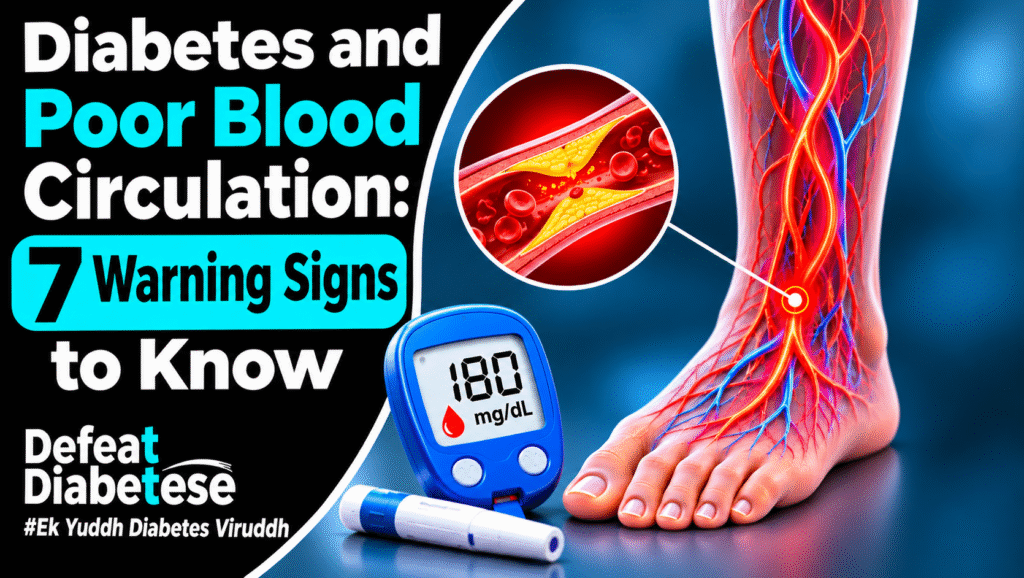
Diabetes and Poor Blood Circulation: 7 Warning Signs to Know
Introduction
Diabetes and poor blood circulation are closely connected because persistently elevated blood glucose levels can damage blood vessels and affect the delivery of oxygen and essential nutrients throughout the body.
Although diabetes is commonly associated with high blood sugar, its effects extend far beyond glucose regulation. Over time, poorly managed diabetes can contribute to cardiovascular complications, nerve damage, kidney problems, and reduced blood flow, particularly in the legs and feet.
Poor blood circulation may develop gradually, and some people do not experience noticeable symptoms during the early stages. Others may experience cold feet, leg pain, slow-healing wounds, changes in skin colour, or unusual sensations.
Ignoring these warning signs may increase the risk of serious complications, including foot ulcers, infections, and tissue damage.
The good news is that early detection, appropriate medical treatment, healthy lifestyle habits, and consistent diabetes management can help protect vascular health.
In this article, we explore the connection between diabetes and poor blood circulation, seven important warning signs, possible complications, and practical strategies to support healthier blood flow.
What Is Poor Blood Circulation?
Blood circulation is the process through which the cardiovascular system delivers oxygen, nutrients, and other essential substances to tissues and organs throughout the body.
Healthy circulation supports normal organ function, muscle activity, temperature regulation, and wound healing.
Poor blood circulation occurs when blood flow to certain parts of the body becomes restricted or inadequate.
One important cause of reduced blood flow in people with diabetes is peripheral artery disease (PAD). This condition develops when fatty deposits accumulate within arteries, narrowing them and reducing blood flow, most commonly to the legs and feet.
However, circulation problems can also involve veins, smaller blood vessels, or other cardiovascular conditions.
Recognising the underlying cause is important because different circulation problems require different treatments.
Understanding the Connection Between Diabetes and Poor Blood Circulation
Persistently high blood glucose levels can contribute to damage within blood vessels through several biological processes, including oxidative stress, inflammation, and impaired blood vessel function.
Diabetes is also associated with an increased risk of atherosclerosis, a condition in which fatty deposits accumulate inside arteries.
As arteries become narrower, the amount of blood reaching certain tissues may decrease.
People with diabetes may have additional cardiovascular risk factors, including:
- High blood pressure.
- Elevated LDL cholesterol.
- Smoking or tobacco use.
- Physical inactivity.
- Obesity.
- Chronic kidney disease.
- A family history of cardiovascular disease.
Diabetic peripheral neuropathy can make circulation problems particularly concerning. When nerves are damaged, a person may not notice pain, pressure, injuries, or temperature changes in their feet.
Reduced sensation combined with poor blood flow can increase the risk of unnoticed injuries and delayed wound healing.
This is why regular foot examinations and cardiovascular risk assessments are important components of diabetes care.
7 Warning Signs of Diabetes and Poor Blood Circulation
1. Frequently Cold Feet or Toes
Frequently experiencing cold feet or toes may be a possible sign of reduced blood flow to the lower extremities.
Blood circulation helps distribute warmth throughout the body. When arterial blood flow becomes restricted, the affected foot may feel cooler than usual.
A noticeable temperature difference between one foot and the other can be particularly concerning.
However, cold feet can also occur because of environmental temperatures, nerve damage, thyroid disorders, or other medical conditions.
Warning signs to observe:
- One foot feels noticeably colder than the other.
- Persistent coldness despite wearing comfortable socks.
- Cold toes accompanied by skin colour changes.
- Cold feet associated with pain or non-healing wounds.
What should you do?
Keep your feet comfortably warm using suitable socks and footwear.
Avoid placing heating pads, hot water bottles, or direct heat sources against your feet, particularly if you have reduced sensation.
Consult your healthcare professional if coldness persists or occurs alongside other symptoms.
A suddenly cold, painful, pale, or numb foot requires emergency medical assessment.
2. Leg Pain or Cramping While Walking
Leg pain during physical activity is one of the characteristic symptoms of peripheral artery disease.
When you walk, your leg muscles require additional oxygen. Narrowed arteries may be unable to deliver sufficient blood to meet this increased demand.
This can cause aching, cramping, tightness, or discomfort, commonly in the calf muscles but sometimes in the thighs or buttocks.
The discomfort may improve after resting and return when walking resumes. This pattern is known as intermittent claudication.
- Calf pain after walking a certain distance.
- Leg cramps during physical activity.
- Discomfort that improves with rest.
- Reduced walking endurance.
- Repeated leg fatigue during activity.
Not all leg cramps indicate poor circulation. Muscle strain, dehydration, nerve problems, and certain medications may also contribute.
What should you do?
Discuss recurring activity-related leg pain with your doctor.
A vascular assessment can help determine whether reduced arterial blood flow is responsible.
Structured walking programmes are often beneficial for people with stable peripheral artery disease, but exercise recommendations should be individualised.
Do not ignore new or worsening pain, particularly if it occurs while resting.
3. Slow-Healing Wounds and Foot Ulcers
Slow-healing wounds are among the most important warning signs associated with diabetes and poor blood circulation.
The wound-healing process requires oxygen, nutrients, immune cells, and adequate blood flow.
When circulation is reduced, these essential resources may not reach damaged tissues effectively.
Elevated blood glucose can also impair immune function and contribute to delayed healing.
Diabetic neuropathy may further increase the risk because small injuries can remain unnoticed.
Warning signs include:
- Cuts or scratches that do not heal normally.
- Persistent blisters or sores.
- Open wounds on the feet or toes.
- Redness, swelling, or discharge around a wound.
- Repeated foot infections.
Even a small injury can become serious in someone with diabetes, particularly when circulation or sensation is impaired.
What should you do?
Inspect your feet every day, including the soles and areas between your toes.
Wear well-fitting footwear and avoid walking barefoot.
Do not attempt to remove calluses, cut damaged tissue, or treat foot ulcers using unverified home remedies.
Contact a healthcare professional promptly if you develop a foot wound. Spreading redness, fever, pus, or blackened tissue requires urgent medical attention.
4. Changes in Skin Colour
Changes in the colour of the feet or toes may indicate problems with blood flow.
When tissues receive insufficient oxygen-rich blood, the skin may appear unusually pale, bluish, or discoloured.
Some people with arterial circulation problems may notice that their foot becomes pale when elevated and reddish when lowered.
However, skin colour changes can also result from venous disease, bruising, infections, temperature changes, and other conditions.
Possible warning signs include:
- Unusual paleness in the feet or toes.
- Bluish or purple discolouration.
- Persistent redness.
- Noticeable colour differences between the feet.
- Darkening or blackening of tissue.
Changes may appear differently depending on a person’s natural skin tone.
What should you do?
Pay attention to persistent or unexplained changes in skin colour.
Do not assume that discolouration is a harmless part of ageing or diabetes.
Sudden discolouration accompanied by severe pain, coldness, numbness, or weakness requires emergency medical care.
Blackened tissue may indicate serious tissue damage and requires urgent assessment.
5. Numbness, Tingling, or Unusual Sensations
Numbness and tingling are frequently experienced by people with diabetes.
These symptoms are commonly associated with diabetic peripheral neuropathy, which develops when nerves become damaged.
Although neuropathy is not the same as poor blood circulation, both conditions can occur together.
Severely reduced blood flow may also affect nerve function and contribute to altered sensation.
Symptoms to watch for include:
- Tingling in the feet or toes.
- Pins-and-needles sensations.
- Reduced sensitivity to temperature.
- Difficulty feeling minor injuries.
- Burning sensations or numbness.
Reduced sensation can make it difficult to recognise wounds, tight footwear, or excessive heat.
This increases the risk of unnoticed injuries and subsequent complications.
What should you do?
Arrange regular diabetic foot examinations.
Your healthcare professional may assess sensation, reflexes, foot pulses, and other indicators of nerve and vascular health.
Never rely solely on pain to determine whether your feet are healthy.
Sudden numbness or weakness in a cold or painful limb may indicate an acute circulation emergency.
6. Shiny Skin, Reduced Hair Growth, or Toenail Changes
Long-term reductions in arterial blood flow may contribute to gradual changes in the appearance of the lower legs and feet.
Skin, hair follicles, and nails require adequate oxygen and nutrients to maintain normal growth and function.
Some people with peripheral artery disease develop smooth or shiny skin, reduced hair growth on the lower legs, or slower toenail growth.
Possible physical changes include:
- Shiny or unusually smooth skin.
- Reduced hair growth on the legs or feet.
- Slow-growing toenails.
- Changes in nail thickness or texture.
- Fragile skin that is easily injured.
These changes are not specific to poor circulation. Ageing, fungal infections, nutritional problems, and other medical conditions may produce similar symptoms.
What should you do?
Maintain a regular foot care routine and report persistent changes to your healthcare professional.
Avoid cutting toenails too short or using sharp instruments to remove thickened nails or calluses.
People with reduced sensation, poor circulation, or previous foot ulcers may benefit from professional foot care.
7. Persistent Foot Pain While Resting or Sleeping
Foot pain that occurs during rest can be a warning sign of advanced arterial circulation problems.
In severe peripheral artery disease, blood flow may become insufficient even when the muscles are not physically active.
Some individuals experience persistent pain in the toes or forefoot, particularly at night or when lying down.
The discomfort may temporarily improve when the foot is lowered.
This type of pain can be associated with chronic limb-threatening ischaemia, a serious condition requiring prompt vascular assessment.
Important warning signs include:
- Persistent foot or toe pain at night.
- Pain that interrupts sleep.
- Pain that worsens when lying flat.
- Foot pain accompanied by non-healing wounds.
- Increasing discomfort despite resting.
Neuropathy and other medical conditions can also cause nighttime foot pain, so professional evaluation is essential.
What should you do?
Seek prompt medical attention for persistent rest pain.
Do not rely on massage, heating devices, or painkillers to manage unexplained symptoms without investigating their cause.
Sudden severe pain, loss of sensation, weakness, or a cold and pale foot requires emergency medical treatment.
Possible Complications of Poor Blood Circulation in Diabetes
Without appropriate management, reduced blood flow may contribute to serious complications.
These can include:
- Peripheral artery disease.
- Diabetic foot ulcers.
- Recurrent infections.
- Delayed wound healing.
- Tissue damage and gangrene.
- Increased risk of lower-limb amputation.
Peripheral artery disease is also associated with a higher risk of heart attack and stroke because atherosclerosis can affect arteries throughout the body.
Early diagnosis and appropriate treatment can help reduce these risks.
How Is Poor Blood Circulation Diagnosed?
Healthcare professionals may use several assessments to evaluate circulation and identify the underlying cause.
A physical examination may include checking foot pulses, skin temperature, colour, wounds, and sensation.
The ankle-brachial index (ABI) compares blood pressure at the ankle with blood pressure in the arm.
However, arterial calcification in people with diabetes can sometimes produce misleading ABI results.
Additional investigations, such as a toe-brachial index, toe pressure measurements, or Doppler ultrasound, may be recommended.
Depending on the findings, a vascular specialist may recommend further imaging or treatment.
7 Practical Tips to Improve Circulation and Protect Your Feet
1. Manage Your Blood Sugar Levels
Consistent glucose management can help reduce the risk of diabetes-related blood vessel and nerve damage.
Follow your prescribed treatment plan, monitor glucose as recommended, and attend regular HbA1c reviews.
2. Stay Physically Active
Regular physical activity supports cardiovascular health and may improve walking ability in people with stable peripheral artery disease.
Walking and other suitable activities can be beneficial when medically appropriate.
People with active foot ulcers, severe circulation problems, or rest pain should obtain professional guidance before starting an exercise programme.
3. Follow a Heart-Healthy Diet
Choose balanced meals containing vegetables, legumes, whole grains in suitable portions, lean protein, and healthy unsaturated fats.
Limit excessive sodium, added sugars, and foods high in saturated fat.
Individualised nutrition guidance can support diabetes, cholesterol, and blood pressure management.
4. Avoid Smoking and Tobacco
Smoking is a major risk factor for peripheral artery disease.
Tobacco use damages blood vessels and increases cardiovascular risks.
Seek professional smoking cessation support if needed.
5. Maintain a Daily Foot Care Routine
Inspect your feet every day, wash them gently, dry carefully between the toes, and wear properly fitting shoes.
Use moisturiser on dry skin, but avoid applying it between the toes.
Report new wounds, blisters, or skin changes promptly.
6. Manage Blood Pressure and Cholesterol
High blood pressure and elevated LDL cholesterol can contribute to blood vessel damage and atherosclerosis.
Regular monitoring and appropriate treatment can help protect cardiovascular health.
Your doctor may recommend cholesterol-lowering or other vascular medications depending on your individual risk.
7. Attend Regular Medical Check-Ups
Regular diabetes reviews can help identify vascular and nerve problems before serious complications develop.
People with diabetes should receive comprehensive foot evaluations at least annually, with more frequent assessments when risk factors are present.
When Should You Consult a Doctor?
Seek medical advice if you experience recurring leg pain while walking, persistent cold feet, skin colour changes, numbness, or wounds that are not healing normally.
Prompt assessment is especially important if you have a history of diabetic foot ulcers or peripheral artery disease.
Seek emergency medical care if you experience sudden severe limb pain, a cold or pale foot, sudden numbness, or loss of movement.
These symptoms may indicate an acute interruption of blood flow.
Frequently Asked Questions (FAQs)
1. Can diabetes cause poor blood circulation?
Yes. Diabetes can contribute to blood vessel damage and atherosclerosis, increasing the risk of reduced blood flow, particularly in the legs and feet.
2. What are the early signs of poor circulation in diabetes?
Possible signs include cold feet, activity-related leg pain, skin colour changes, and slow-healing wounds. Some people may have no noticeable early symptoms.
3. Can walking improve blood circulation in diabetes?
Structured walking programmes can improve walking ability and cardiovascular health in people with stable peripheral artery disease. Exercise should be medically appropriate.
4. Is numbness always a sign of poor circulation?
No. Numbness is frequently associated with diabetic neuropathy. Medical assessment can help distinguish nerve damage from vascular problems.
5. Can poor blood circulation be reversed?
The outcome depends on the underlying cause and severity. Appropriate treatment can improve symptoms, reduce cardiovascular risks, and sometimes restore blood flow through vascular procedures.
6. Does controlling HbA1c improve circulation?
Appropriate glucose management helps reduce the risk of further diabetes-related vascular damage. However, lowering HbA1c alone may not reverse established arterial blockages.
7. Can poor circulation lead to diabetic foot ulcers?
Yes. Reduced blood flow can impair wound healing and increase the risk of foot ulcer complications, especially when diabetic neuropathy is also present.
Conclusion
Understanding the connection between diabetes and poor blood circulation is essential for protecting long-term health and preventing serious complications.
Cold feet, leg pain while walking, slow-healing wounds, skin colour changes, altered sensation, changes in skin or nail appearance, and persistent rest pain are important symptoms that deserve attention.
Although these warning signs do not always indicate vascular disease, early medical assessment can help identify their underlying causes.
Consistent diabetes management, appropriate physical activity, balanced nutrition, tobacco avoidance, daily foot care, and regular medical check-ups can help protect vascular health.
At Defeat Diabetese, we believe that early awareness, informed decisions, and consistent medical care are essential steps towards healthier diabetes management.
Protect your feet, understand your warning signs, and take proactive steps towards better circulation and long-term health.
Medical Disclaimer: This article is intended for educational purposes only and does not replace professional medical advice, diagnosis, or treatment. Symptoms of poor circulation may have several underlying causes. Consult a qualified healthcare professional for personalised assessment and treatment.