
July 2026

Diabetes expert doctor in Ahmedabad Dr Prakash Kurmi Shivam Hospital legacy explained

Diabetes Expert Doctor in Ahmedabad: 5 Reasons Dr. Prakash Kurmi Leads Care

Diabetes Expert Doctor in Ahmedabad: The Legacy Finding a trusted, highly experienced diabetes expert doctor in Ahmedabad is the single most defining decision for anyone looking to navigate metabolic health, avoid long-term vascular complications, and achieve true cellular remission. Over the last three decades, Gujarat has witnessed an alarming rise in Type 2 Diabetes, with young corporate professionals, business leaders, and families falling victim to insulin resistance. Amidst this growing health crisis, one clinical authority stands as a beacon of scientific logic, medical integrity, and patient-first innovation: Dr. Prakash Kurmi. At DEFEAT DIABETESE, our national crusade to liberate 10 million lives by 2040 (Vision 2040) is built on the ground-level clinical wisdom of Dr. Prakash Kurmi. This comprehensive profile explores his 30-year medical journey at Shivam Hospital, his revolutionary data-driven remission framework, and why his logic-first approach makes him Ahmedabad’s most sought-after diabetologist. 1. A 30-Year Medical Legacy Built on Clinical Integrity In an era where healthcare is often reduced to rapid prescriptions and generic internet trends, Dr Prakash Kurmi Diabetologist represents the gold standard of clinical experience. Three Decades on the Frontline: With over 30 years of active clinical practice in Ahmedabad, Dr. Kurmi has treated tens of thousands of complex metabolic cases—ranging from early-stage prediabetes to advanced multi-organ vascular complications. Leadership at Shivam Hospital: As the Director of Shivam Hospital, Dr. Kurmi has established a state-of-the-art center for diabetes excellence, offering specialized diagnostic units, advanced podiatric (foot care) wards, and multi-disciplinary metabolic screening. The Clinical Intuition: Multi-decade experience brings a level of clinical intuition that cannot be replicated by software apps or generic diet charts. Dr. Kurmi understands the unique South Asian phenotype—specifically how internal visceral fat affects Indian patients even at normal body weights. 2. Shifting Paradigms: From Lifelong Pills to Root-Cause Remission What truly sets Dr. Prakash Kurmi apart as a leading Diabetes Reversal Expert Gujarat is his fundamental departure from outdated medical management. The Broken Approach: Conventional management focuses solely on forcing down blood sugar numbers using ever-increasing drug dosages. This treats blood sugar as the disease, completely ignoring the internal visceral fat that is jamming cellular locks. The Logic-First Paradigm: Dr. Kurmi views high blood sugar as merely a downstream symptom of a deeper biological breakdown: Insulin Resistance. His protocols focus on stripping toxic ectopic fat away from the liver and pancreas, triggering Pancreatic Beta-Cell Recovery and allowing cells to naturally absorb glucose again without chemical dependency. 3. The Defeat Diabetese Ecosystem: Legacy Meets 2026 Tech Dr. Prakash Kurmi has bridged multi-decade hospital wisdom with high-precision digital health analytics, creating the DEFEAT DIABETESE platform. The Unified Health Dashboard: Under Dr. Kurmi’s direction, patient care extends far beyond physical hospital visits. Patients log their daily lifestyle metrics, muscle activity, and nutrition profiles onto a centralized digital dashboard. Objective Diagnostic Tracking: Rather than relying on sporadic finger-prick tests, Dr. Kurmi’s team maps dynamic laboratory indicators—including Fasting Insulin profiles, C-Peptide reserves, and systemic inflammatory markers (hs-CRP)—to track the exact pace of cellular recovery in real-time.Diabetes expert doctor in Ahmedabad 4. Complication Defense: Shielding Vital Organs Beyond achieving blood sugar stability, Dr. Kurmi’s clinical framework prioritizes comprehensive microvascular and macrovascular protection.Diabetes expert doctor in Ahmedabad Targeted Organ Defense: Unmanaged diabetes silently corrodes blood vessels over time. Dr. Kurmi’s screening protocols at Shivam Hospital actively shield the eyes (Retinopathy defense), kidneys (Nephropathy defense), nerves (Neuropathy defense), and feet from irreversible damage.Diabetes expert doctor in Ahmedabad Skeletal Muscle Optimization: Dr. Kurmi advocates for building dense skeletal muscle mass. By guiding patients to perform progressive resistance training, he helps expand their body’s natural “sugar sponges,” allowing skeletal muscles to clear up to 80% of circulating glucose effortlessly.Diabetes expert doctor in Ahmedabad 5. 5 Principles That Define Dr. Prakash Kurmi’s Care If you choose to partner with Dr. Prakash Kurmi and Shivam Hospital for your metabolic journey, expect a care protocol built on these 5 non-negotiable pillars: Absolute Medical Logic Over Trends: No fad diets, extreme starvation, or unverified home remedies. Every protocol is backed by strict endocrinological science. Hyper-Personalized Care: No two human metabolisms are identical. Dr. Kurmi tailors treatment plans based on your unique blood chemistry, stress levels, and pancreatic reserve. Safe, Data-Backed Drug Tapering: Medication reduction is never rushed. Step-down protocols are calculated mathematically based on laboratory data to protect pancreatic beta-cells from rebound shocks. Empathy and Patient Literacy: Dr. Kurmi believes that an educated patient is a healthy patient. He spends time teaching individuals the “why” behind their chemistry, empowering them to command their own plates.Diabetes expert doctor in Ahmedabad The Vision 2040 Crusade: Driven by a national mission (Ek Yuddh Diabetes Viruddh), Dr. Kurmi is dedicated to liberating 10 million Indian lives from chronic chemical dependencies and guiding them back into health independence.Diabetes expert doctor in Ahmedabad 6. Frequently Asked Questions (FAQs) Q1: Where is Dr. Prakash Kurmi’s clinical practice located in Ahmedabad? Dr. Prakash Kurmi conducts his primary clinical practice and inpatient care at Shivam Hospital, located conveniently in Ahmedabad, Gujarat. Consultations can be scheduled for both in-person visits and structured digital remission programs.Diabetes expert doctor in AhmedabadDiabetes expert doctor in AhmedabadShivamHospitalDiabetesCare Q2: Does Dr. Prakash Kurmi treat young professionals with prediabetes or early-onset diabetes? Yes. Dr. Kurmi specializes in treating early-onset Type 2 Diabetes and the South Asian “Thin-Fat Phenotype,” helping young corporate professionals reverse insulin resistance before permanent vascular damage occurs. Q3: How can I join Dr. Prakash Kurmi’s Defeat Diabetese program? You can initiate your health assessment by visiting the official digital platform at www.defeatdiabetese.com or visiting Shivam Hospital directly to enroll in a medically supervised, data-tracked remission protocol. Conclusion: Partner with Legacy and Logic Choosing a diabetes expert doctor in Ahmedabad is about finding a clinical partner who believes in your body’s innate capacity to heal. Through 30 years of dedicated service, Dr. Prakash Kurmi has proven that Type 2 Diabetes is not a lifelong sentence, but a reversible state of cellular suffocation. By combining clinical wisdom with modern data tracking, you can unjam your cells and claim your health back.

Diabetes Expert Doctor in Ahmedabad: 5 Reasons Dr. Prakash Kurmi Leads Care Read More »

Best and worst fruits for diabetes and jamun benefits for blood sugar explained by Dr. Prakash Kurmi

Fruits for Diabetes: 15 Safe Options (And 10 to Limit)

Fruits for Diabetes: The Complete List Navigating the complex relationship between dietary choices and fruits for diabetes management is one of the most vital baseline skills required for metabolic recovery. In my 30 years of clinical legacy in Ahmedabad, I have watched thousands of patients walk into Shivam Hospital presenting with completely mismatched nutritional habits. Some restrict themselves to a point of cellular starvation, while others consume excessive fruit plates, thinking “natural sugar” cannot cause damage. The truth lies entirely in the cellular balance of your liver and blood pathways. At DEFEAT DIABETESE, we analyze nutritional chemistry through pure physiological logic. To win this ek yuddh diabetese viruddh, you must realize that fruits are not uniform bundles of sweetness. They vary dramatically in their fiber matrix, micronutrient composition, and glycemic impact. This guide outlines the 15 powerful fruits you can comfortably include and the 10 you must strictly limit to keep your body moving toward our Vision 2040 milestones. 1. The Biochemical Logic: Glycemic Index vs. Glycemic Load Before picking up a fruit slice, you must understand how your body processes plant-based sugars. Fruits contain a mix of glucose and fructose enclosed within a cellular structure of dietary fiber. Glycemic Index (GI): This ranks how rapidly a specific food item releases glucose into your bloodstream compared to pure sugar. Low Glycemic Index Fruits (GI under 55) are ideal because they prevent post-meal rollercoasters. The Fructose Factor: Unlike glucose, which is absorbed directly by your skeletal muscles for energy, fructose can only be processed by your liver. If you flood your system with high-fructose fruits in large volumes, your liver converts the excess into triglycerides, accelerating visceral fat deposition and triggering the Fructose Impact on Insulin Resistance. 2. 15 Powerful Fruits People With Diabetes Can Eat These selections are packed with rich soluble fiber, high water content, and structural antioxidants that slow down sugar absorption, making them excellent choices for cellular health: Jamun (Black Plum): The ultimate therapeutic champion in India. It contains an active glycoside called jamboline, which halts the conversion of starch into glucose, supporting Jamun Benefits for Blood Sugar. Apple: Packed with pectin, a highly effective soluble fiber that forms a gelatinous mass in the gut, slowing sugar absorption perfectly. Guava (Amrood): A fiber powerhouse. Eating whole guavas (without peeling the skin) offers an exceptionally low glycemic load and a massive dose of Vitamin C. Pear (Babugosha): Exceptionally high in dietary fiber, which slows down gastric transit and protects your pancreas from unexpected surges. Papaya: While moderately sweet, its rich concentration of the proteolytic enzyme papain and powerful antioxidants makes it highly beneficial when eaten in controlled portions. Orange: Eating whole oranges (never drink the juice) provides rich bioflavonoids that strengthen your delicate microvascular walls. Mosambi (Sweet Lime): Excellent source of hydration and cellular protection, provided the structural pulp is consumed whole. Amla (Indian Gooseberry): Extremely low in sugar, high in chromium, and packed with antioxidants that directly shield pancreatic beta-cells from oxidative stress. Strawberry: Low in calories and exceptionally high in anthocyanins, which structurally improve cellular insulin sensitivity. Blueberry: Rich in powerful anti-inflammatory compounds that lower vascular inflammation across your system. Kiwi: Contains high amounts of dietary fiber and inositols, which help optimize long-term cellular response pathways. Peach: Offers a very safe, low glycemic load profile that seamlessly integrates into a healthy metabolic layout.Fruits for diabetes Plum: Low in sugar and loaded with phytonutrients that support overall metabolic balance.Fruits for diabetesFruits for diabetes Avocado: A highly unique option containing virtually zero sugar and dense amounts of healthy monounsaturated fats that actively lower insulin resistance. Star Fruit (Kamrakh): Low in calories and sugar, providing excellent antioxidant coverage for the vascular lining.Fruits for diabetes 3. 10 High-Glycemic Fruits You Must strictly Limit These options contain a high concentration of simple sugars or dense glycemic loads that can rapidly flood your liver and bloodstream. Consume them only under strict portion boundaries or avoid them during early reversal phases: Mango: The king of fruits carries a highly dense sugar load. Eating massive portions of ripe mangoes floods the portal vein with fructose, immediately straining your liver health. Banana: A highly dense starch bomb. Ripe bananas have a high glycemic load that can trigger rapid blood sugar surges, especially when eaten on an empty stomach. Watermelon: While high in water, it possesses an exceptionally high Glycemic Index (around 72 to 76), meaning its simple sugars enter the bloodstream rapidly. Grapes: Packed with rapid-acting simple sugars. It is incredibly easy to overeat large quantities of grapes, leading to quick glucose surges. Chiku (Sapodilla): Highly sweet and rapidly digestible, offering very little fiber structure to delay the resulting sugar influx. Custard Apple (Sitaphal): Extremely dense in caloric value and simple fruit sugars, creating a heavy glycemic demand on your cells. Lychee: Contains a high ratio of simple sugars that can bypass metabolic control mechanisms when eaten in uncontrolled quantities. Pineapple: Possesses a moderate-to-high glycemic profile; must be limited to minor, occasional portions to avoid metabolic strain. Dates (Khajoor): Highly concentrated in sugar. While excellent for quick energy, their rapid glycemic release makes them hazardous for unmanaged insulin resistance. Raisins & Dried Fruits: Dehydration concentrates all the natural sugars into a tiny volume, making it incredibly easy to consume a high glycemic load without realizing it. 4. Tracking Metabolic Response via Digital Dashboards At Defeat Diabetese, we replace dietary guesswork with absolute metric transparency.Fruits for diabetes Objective Nutritional Tuning: We don’t guess how a fruit affects your body. We evaluate your baseline parameters by running comprehensive profiles—including Fasting Insulin levels, C-Peptide scores, and long-term HbA1c indicators.Fruits for diabetes The Dashboard Mapping: By consolidating these metabolic vectors onto your Unified Health Dashboard, our clinical team monitors exactly how your cells respond to different fruit sequences, helping us optimize your roadmap under Dr. Prakash Kurmi’s legacy.Fruits for diabetes 5. 5 Golden Rules for Eating Fruits Safely with Diabetes To enjoy the natural benefits of fruits without stalling your metabolic remission progress, implement this clinical protocol strictly:

Fruits for Diabetes: 15 Safe Options (And 10 to Limit) Read More »

Importance of portion control for diabetes plate sizing and insulin resistance benefits explained by Dr. Prakash Kurmi

Portion Control for Diabetes: 5 Powerful Reasons to Size Your Plate

Portion Control for Diabetes: The Science Mastering the precise discipline of portion control for diabetes management is the absolute defining law of metabolic biochemistry. In my 30 years of clinical legacy in Ahmedabad, I have cross-verified thousands of traditional Indian dietary charts. The data reveals a standard behavioral error: patients frequently eliminate refined white sugar but dramatically overeat healthy complex carbohydrates like whole wheat rotis, brown rice, millets, and excessive nuts. The biological reality is that an energy surplus, even from the cleanest organic sources, will inevitably overwhelm your cellular capacity and worsen insulin resistance. At DEFEAT DIABETESE, we approach disease reversal through raw physiological logic. To win this ek yuddh diabetese viruddh, we must understand the cellular limits of our organs and learn how managing volume protects our pancreas, steering our population safely toward our grand Vision 2040 milestones. 1. The Cellular Overflow: Understanding Adipose Tissue Saturation The primary molecular reason behind prioritizing portion sizes lies in preventing what medicine terms “ectopic fat deposition.” The Safe Storage Limit: Your subcutaneous fat tissue (the fat layer right underneath your skin) acts as a safe, designated biological warehouse to store energy. The Spillover Effect: When you consume food portions that exceed your body’s immediate metabolic requirements, your subcutaneous fat cells hit their absolute storage limit and expand to their maximum size. The Visceral Suffocation: Any extra calories consumed after this saturation point spill straight into your vital internal organs—packing tightly inside your liver and around your pancreatic beta-cells. This visceral fat accumulation is the absolute Insulin Resistance Root Cause, jamming your cellular locks completely. 2. Flattening the Glycemic Load: Sizing the Carbohydrate Influx Many individuals look only at the Glycemic Index (GI) of a food item, completely ignoring its Glycemic Load (GL), which depends entirely on portion size. GI vs. GL Reality: Brown rice or multi-grain rotis have a slightly lower Glycemic Index than refined white flour, meaning they break down into glucose a bit more gradually. However, if you eat a massive portion of brown rice, the total volume of glucose hitting your bloodstream is still exceptionally high. Pancreatic Relief: Maintaining a strict, optimized portion size lowers the overall Glycemic Load of the meal. This ensures that glucose enters the blood as a slow, steady trickle rather than a massive wave, preventing post-meal toxic surges and shielding your pancreas from heavy strain. 3. The Satiety Lag: Hormonal Delay and Leptin Reset One of the greatest biological benefits of portion management is its long-term effect on resetting your body’s natural hunger signaling hormones.Portion control for diabetes The 20-Minute Delay: When you eat, your stomach walls stretch, signaling the release of satiety hormones like Leptin and Peptide YY (PYY) to tell your brain you are full. However, this complex hormonal transmission loop takes approximately 15 to 20 minutes to process fully.Portion control for diabetes The Overeating Trap: If your plate portions are too large, you will rapidly consume a massive caloric load before your brain even registers the fullness signal. Choosing smaller, controlled portions allows your digestive tract to communicate effectively with your nervous system, preventing the development of leptin resistance. 4. Tracking Metabolic Efficiency via Clinical Analytics At Defeat Diabetese, we completely eliminate guesswork by aligning your portion architecture with continuous laboratory tracking.Portion control for diabetes Data Over Trends: We don’t just guess your macro requirements. We evaluate your baseline numbers by running detailed diagnostic profiles—including Fasting Insulin levels, C-Peptide lines to measure functional pancreatic health, and lipid particle arrays.Portion control for diabetes The Dashboard Mapping: By consolidating these metabolic metrics onto your Unified Health Dashboard, our clinical team monitors exactly how your cellular sensitivity recovers as you balance your energy inputs, enabling us to safely taper off medications under Dr. Prakash Kurmi’s legacy.Portion control for diabetes 5. 5 Rules to Master Portion Control in Your Remission Journey To systematically strip away visceral fat and restore your native metabolic flexibility, implement this plate management protocol strictly: Enforce the Plate Sequencing Blueprint: Never look at your food as a mixed pile. Always consume your rich dietary fiber (steamed or raw greens) and clean protein (fresh paneer, sprouted lentils) first. Only after you have finished these sections should you touch small, controlled portions of complex carbohydrates. This sequencing establishes a physical mesh in your gut that slows down carbohydrate absorption. Utilize Visual Plate Sizing: Do not guess your food weights. Use the globally standardized visual metric: half of your standard plate must be filled with non-starchy fiber, one-quarter must consist of clean protein, and only the remaining one-quarter can contain complex carbs.Portion control for diabetes Ditch the Direct-from-Packet Habit: Never consume nuts, roasted seeds, or low-glycemic snacks directly from large containers or commercial packets. Your brain cannot track volume without visual boundaries. Always serve a measured quantity into a small bowl before eating.Portion control for diabetes Slow Down Your Mastication Rate: Chew every single bite of food at least 25 to 30 times before swallowing. Slowing down your physical eating speed allows your gut’s natural incretin hormones to catch up with your brain’s satiety centers, naturally satisfying your appetite with smaller portions.Portion control for diabetes Audit Trends via the Digital Dashboard: Keep an accurate log of your macro choices and baseline fasting profiles on your digital health dashboard. This allows our medical team at Shivam Hospital to fine-tune your caloric distribution safely based on your hard metabolic data.Portion control for diabetes 6. Frequently Asked Questions (FAQs) Q1: Can eating too small a portion stall my diabetes reversal? Yes. If you drastically starve your body through extreme, unscientific portion restrictions, your body enters a protective “starvation mode.” This slows down your metabolic rate and catabolizes precious skeletal muscle tissue—your primary “sugar sponges”—which ultimately worsens insulin resistance. Balance is key. Q2: How do I manage portion control when dining out or at social events? The simplest rule is the “One-Plate Rule.” Fill your plate once following the correct sequencing (fiber and protein first) and refuse all secondary helpings. Avoid liquid calories like fruit juices,

Portion Control for Diabetes: 5 Powerful Reasons to Size Your Plate Read More »

Frequent urination in diabetes causes and renal threshold for glucose explained by Dr. Prakash Kurmi

Frequent Urination in Diabetes: 5 Scientific Reasons Your Body Spills Sugar

Frequent Urination in Diabetes: The Truth Understanding the exact biological cause of frequent urination in diabetes (medically termed polyuria) is the first step toward recognizing how your body responds to high blood sugar levels. In my 30 years of clinical practice in Ahmedabad, I frequently see patients who consider waking up multiple times at night to pass urine as a mere inconvenience. In reality, it is your kidneys executing an active, life-saving mechanism to flush out toxic concentrations of glucose from your bloodstream.Frequent urination in diabetes At DEFEAT DIABETESE, we analyze bodily symptoms through absolute physiological logic. To win this ek yuddh diabetese viruddh, we must understand the exact filtration process happening inside your kidneys, guiding our community toward our Vision 2040 target of complete metabolic health.Frequent urination in diabetes 1. The Renal Threshold: When the Kidneys Get Overwhelmed To understand why you pass urine so frequently, you must look at how your kidneys filter blood through millions of tiny units called nephrons. The Reabsorption Limit: Under normal conditions, as your kidneys filter blood, they reabsorb $100\%$ of the circulating glucose back into the bloodstream because glucose is valuable cellular fuel.Frequent urination in diabetes The Renal Threshold for Glucose: Your kidneys have a strict capacity limit known as the Renal Threshold for Glucose, which is typically around $180\text{ mg/dL}$. The Overflow Gate: When your blood sugar level crosses $180\text{ mg/dL}$, your kidney nephrons reach maximum capacity. They can no longer reabsorb the excess sugar, forcing the extra glucose to spill directly into your urine (glucosuria). 2. Osmotic Diuresis: How Sugar Pulls Water From Your Cells The primary physical mechanism that creates large volumes of urine is a process called Osmotic Diuresis. The Water Magnet Effect: Glucose is an osmotically active molecule, meaning it acts like a sponge for water. As excess sugar spills into the kidney tubules on its way to the bladder, it creates a strong osmotic gradient. Cellular Dehydration: This heavy sugar concentration literally pulls pure water out of your surrounding bloodstream, tissues, and cells into the urine stream.Frequent urination in diabetes The Volume Surge: This forced extraction of cellular fluids rapidly fills your bladder, resulting in frequent, high-volume urination throughout the day and night.Frequent urination in diabetes 3. The Vicious Cycle: Polydipsia (Excessive Thirst) Polyuria triggers a dangerous chain reaction in your body’s hydration system. Dehydration Signal: Because your kidneys are constantly pulling water out of your cells to flush out excess sugar, your entire body becomes severely dehydrated. Brain Activation: Your brain detects this drop in blood volume and triggers intense thirst signals, a condition known as polydipsia.Frequent urination in diabetes The Cycle Continues: You drink large amounts of water to quench your thirst, which your kidneys then use to flush out even more glucose, creating a relentless loop of Excessive Thirst and Urination. 4. The Hidden Risk: Electrolyte Imbalance and Kidney Strain Passing excessive urine does not just drain water from your body—it also strips away vital minerals. Flushing Essential Minerals: As heavy volumes of water pass through your renal system, essential electrolytes such as sodium, potassium, and magnesium are washed out with the urine. This leads to muscle cramps, chronic fatigue, and brain fog. Chronic Renal Pressure: Forcing your kidneys to continuously filter high-glycemic blood keeps them under heavy pressure. Over time, this constant strain can damage delicate renal blood vessels, paving the way for diabetic nephropathy. 5. 5 Rules to Stop Frequent Urination at the Root To break this cycle and normalize your urination frequency, you must address the root cause—high blood sugar: Lower Blood Glucose Below $180\text{ mg/dL}$: The moment your blood sugar drops back below your kidney’s renal threshold, your nephrons can reabsorb glucose properly, immediately stopping the osmotic pull of water into your bladder. Enforce Fiber and Protein Pre-Loading: Never eat refined carbohydrates on an empty stomach. Always eat your greens (fiber) and clean protein (paneer, sprouted legumes) first. This delays gastric emptying, preventing sharp post-meal spikes that breach the renal threshold.Frequent urination in diabetes Build Skeletal Muscle Sinks: Engage in regular strength or resistance training 3 to 4 times a week. Dense muscle tissue acts as a “sugar sponge,” clearing excess glucose directly out of your blood without needing extra insulin. Replenish Electrolytes Safely: Drink clean water mixed with natural electrolytes (like a pinch of rock salt or unsweetened lemon water) to replace lost sodium and potassium, protecting yourself from dehydration-induced fatigue. Track Health Metrics via Digital Dashboards: Continuously monitor your fasting profiles, HbA1c, and renal health markers (eGFR, serum creatinine, and microalbuminuria) on your Unified Health Dashboard. This allows our medical team at Shivam Hospital to monitor your progress safely under Dr. Prakash Kurmi’s expert legacy. 6. Frequently Asked Questions (FAQs) Q1: Is frequent urination always a sign of diabetes? While polyuria is a classic hallmark sign of high blood sugar, frequent urination can also be caused by urinary tract infections (UTIs), prostate enlargement, kidney conditions, or excessive intake of caffeine and diuretics. A simple fasting blood sugar test or HbA1c profile will confirm if diabetes is the primary cause. Q2: Why do I have to pass urine more often at night (nocturia)? At night, when you are lying down, blood circulation to your kidneys increases slightly. If your blood sugar remains above $180\text{ mg/dL}$ overnight, your kidneys continue to pull fluid from your tissues to flush out glucose, disrupting your sleep multiple times. Q3: How does the Defeat Diabetese platform address this issue? Backed by 30 years of medical wisdom, we do not just give you symptom-masking pills. We help you restructure your diet, lifestyle, and muscle mass to bring your blood sugar naturally below the renal threshold, resolving polyuria from its cellular root cause. Conclusion: Listen to Your Body’s Alarm System Understanding frequent urination in diabetes makes it clear that polyuria is not just an annoying symptom—it is a clear signal that your blood sugar has crossed your kidneys’ safety limits. By focusing on lowering cellular insulin resistance and managing your nutritional architecture, you can

Frequent Urination in Diabetes: 5 Scientific Reasons Your Body Spills Sugar Read More »

Diabetic foot ulcer precautions monsoon foot care and peripheral neuropathy protection explained by Dr. Prakash Kurmi

Diabetic Foot Ulcer Precautions: 5 Critical Monsoon Care Rules

Diabetic Foot Ulcer: Precautions in Monsoon Implementing strict diabetic foot ulcer precautions during the monsoon season is a matter of absolute clinical survival for anyone living with long-standing Type 2 Diabetes. In my 30 years of clinical legacy in Ahmedabad, monsoon is the period where we witness the highest spike in emergency foot infections at Shivam Hospital. Rainwater mixed with street sewage carries billions of aggressive pathogens. When these pathogens come into contact with a diabetic foot—which often suffers from blunted nerve sensation and reduced blood flow—the results can lead directly to irreversible tissue breakdown. At DEFEAT DIABETESE, we approach healthcare through rigid biological logic. To win this ek yuddh diabetese viruddh, we must establish an unbreachable defensive perimeter around our feet during the rainy season, keeping our community safe as we march toward our national Vision 2040 milestones. 1. The Biological Vulnerability: Why Monsoon Multiplies the Risk To understand why the rainy season demands hyper-vigilance, we must dissect the cellular triad of the diabetic foot: Neuropathy, Ischemia, and Infection. The Silent Nerve Damage (Neuropathy): Chronically high glucose levels corrode the delicate myelin sheath protecting your peripheral nerves. This triggers Peripheral Neuropathy Foot Protection failure, meaning a patient can step on a sharp stone, develop a blister from wet shoes, or get a small cut without feeling any physical pain. The Poor Blood Supply (Ischemia): Diabetes causes structural narrowing of the small blood vessels in the lower limbs. Because the blood supply is restricted, oxygen, nutrients, and immune cells cannot reach the foot efficiently to heal a minor scratch. The High-Moisture Breeding Ground: Fungi and bacteria thrive in warm, humid, and wet environments. If a diabetic foot remains damp inside wet socks or open sandals for just a few hours, pathogens easily breach the softened skin barrier. 2. 5 Critical Monsoon Precautions to Prevent Foot Ulcers To completely safeguard your feet from infection and assist in Preventing Diabetic Gangrene, enforce this clinical sanitation protocol strictly throughout the rainy season: 1. Execute the 3-Step Wash and Dry Ritual The Protocol: Every single time you step indoors from the rain or muddy streets, immediately wash your feet with a mild, pH-neutral antiseptic soap and lukewarm water. The Critical Step: Do not just air-dry your feet. Use a clean, dry, white towel to meticulously pat dry the skin—paying extreme attention to the gaps between your toes. Trapped moisture between the toes is the number one cause of fungal intertrigo, which splits the skin open for bacterial invasion. 2. The Mirror Inspection Rule (Look for Hidden Flaws) The Protocol: Since you cannot rely on your nerves to feel pain, you must use your eyes. Every single night before bed, inspect the soles of your feet, your heels, and the tips of your toes under bright light. The Hack: Use a small hand-mirror to view the hard-to-reach curves of your soles, or ask a family member to check. Look for early warning indicators: minor redness, new blisters, skin peeling, changes in nail color, or warm swelling. 3. Banish Open Rain Sandals and Barefoot Walking The Protocol: Never walk barefoot, even inside your own home or on clean-looking carpets. During monsoon, avoid open rubber sandals, flip-flops, or plastic footwear that allows muddy water to splash directly onto your feet. The Correct Choice: Wear closed, breathable, water-resistant footwear with deep cushioning. Always pair your shoes with seamless, moisture-wicking cotton or bamboo socks that absorb sweat and reduce friction against the skin. 4. Hydrate the Skin (But Avoid the Toe Gaps) The Protocol: The metabolic shifts in diabetes dry out the sweat glands of the feet, leading to cracked heels and dry fissures that act as open doorways for bacteria. The Application: Apply a thin layer of intense moisturizing cream or pure coconut oil across the top of your foot and around the heels every night. Crucial Warning: Never apply moisturizer or oil between the toes, as keeping that specific area greasy will immediately invite fungal infections. 5. Never Perform Self-Pedicures or Callus Cutting The Protocol: If you notice a tough corn, a thick callus, or an ingrown toenail during the monsoon, do not attempt to cut it yourself using nail clippers, scissors, or chemical corn caps. The Danger: A minor slip of the hand can create a deep vascular wound that refuses to close. Always seek professional podiatric trimming under sterile conditions at Shivam Hospital. 3. Tracking Vascular and Nerve Health via Digital Dashboards At Defeat Diabetese, we move beyond temporary remedies by tracking your neurological baseline metrics systematically. Objective Clinical Tracking: We record your peripheral pulse checks, biothesiometry scores (vibration perception testing), and skin structural data. The Dashboard Mapping: By consolidating these neurological vectors alongside your metabolic logs on our Unified Health Dashboard, our medical team accurately assesses your baseline foot risk category, adjusting your Type 2 Diabetes Reversal Diet to lower systemic vascular inflammation under Dr. Prakash Kurmi’s expert legacy. 4. Frequently Asked Questions (FAQs) Q1: What should I do immediately if I notice a small red blister on my foot? Do not prick the blister under any circumstances. Clean the area gently with an antiseptic solution, apply a sterile micro-pore bandage to prevent friction, keep all weight off that foot, and consult your diabetologist within 24 hours to prevent it from turning into a deep ulcer.Diabetic foot ulcer precautions Q2: Why are standard painkiller ointments dangerous for diabetic foot injuries? Ointments only mask surface irritation. If the blood supply is poor or an infection has reached deeper tissue layers, relying on topical pain creams delays essential antibiotic or surgical intervention, increasing the risk of deep bone infections ($osteomyelitis$).Diabetic foot ulcer precautions Q3: How does the Defeat Diabetese framework optimize foot safety? Backed by 30 years of medical wisdom, we prioritize multi-organ complication defense. We combine high-precision metabolic lifestyle optimization with rigorous patient education, ensuring your nerve health improves naturally as your systemic insulin resistance drops.Diabetic foot ulcer precautions Conclusion: Protect the Foundation of Your Mobility Enforcing comprehensive diabetic foot ulcer precautions during the

Diabetic Foot Ulcer Precautions: 5 Critical Monsoon Care Rules Read More »

Moringa powder for diabetes blood sugar control and chlorogenic acid benefits explained by Dr. Prakash Kurmi

Moringa Powder for Diabetes: 5 Powerful Scientific Reasons It Works

Moringa Powder for Diabetes: The Science Understanding how moringa powder for diabetes works at a molecular level reveals why this traditional Indian botanical (Moringa oleifera) has gained massive global recognition in modern metabolic medicine. In my 30 years of clinical legacy in Ahmedabad, I have consistently advocated for combining evidence-based lifestyle changes with potent natural bio-actives. While Moringa is not a standalone magic bullet to erase diabetes overnight, its dense array of bioactive compounds provides a powerful supportive mechanism to unjam cellular locks and lower post-meal glucose spikes. At DEFEAT DIABETESE, we analyze natural superfoods through strict biological logic rather than blind hype. To win this ek yuddh diabetese viruddh, we must explore the exact biochemical pathways through which Moringa restores metabolic flexibility, keeping us firmly on track toward our national Vision 2040 targets. 1. The Chlorogenic Acid Shield: Slowing Carbohydrate Breakdown The primary active component in Moringa that directly influences Moringa Blood Sugar Control is a potent polyphenol known as Chlorogenic Acid. Inhibiting Intestinal Enzymes: Chlorogenic acid actively inhibits the alpha-glucosidase and pancreatic amylase enzymes in your digestive tract. These enzymes are responsible for breaking down complex carbohydrates into simple glucose. Flattening the Glucose Spike: By slowing down carbohydrate breakdown, Moringa ensures that glucose enters your bloodstream as a slow, manageable trickle rather than a sudden, violent wave after meals. This prevents sharp post-meal peaks that exhaust your pancreatic beta-cells. 2. Isothiocyanates and Insulin Sensitivity The true cellular magic of Moringa lies in its unique sulfur-rich compounds called Isothiocyanates (similar to those found in broccoli and Brussels sprouts). Receptor Activation: Isothiocyanates help reduce systemic low-grade inflammation at a cellular level. Chronic inflammation is a primary driver that covers insulin receptors in “gunk,” preventing insulin keys from turning the cellular locks. Enhancing Cellular Absorption: By neutralizing inflammatory cytokines, these compounds restore Isothiocyanates and Insulin Sensitivity, allowing skeletal muscle cells and liver tissue to absorb circulating glucose effortlessly. 3. Rich Antioxidant Profile: Quenching Pancreatic Stress Chronic high blood sugar creates high levels of oxidative stress, producing free radicals that damage fragile blood vessels and accelerate beta-cell burnout. Quercetin and Kaempferol: Moringa leaves are packed with high concentrations of powerful flavonoids—specifically Quercetin and Kaempferol. Protecting the Pancreas: Quercetin acts as a natural antioxidant shield, neutralizing free radicals in the bloodstream and protecting pancreatic beta-cells from oxidative damage, supporting their long-term ability to produce natural insulin. 4. High Soluble Fiber: Supporting Gut Microbiome Beyond its micronutrients, Moringa leaf powder contains a significant amount of soluble and insoluble dietary fiber. The Gelatinous Barrier: When mixed with water or food, soluble fiber forms a gelatinous layer along the stomach and intestinal lining, further delaying gastric emptying. Gut Microbiome Health: This fiber acts as a prebiotic, feeding beneficial gut bacteria. A healthy gut microbiome stimulates the natural release of GLP-1 hormones, enhancing satiety and signaling the brain to turn off unnecessary food cravings. 5. 5 Golden Rules to Use Moringa Powder Safely To extract maximum therapeutic benefits from Moringa without causing digestive distress, follow this clinical protocol strictly: Start with a Low Dosage: Do not consume large quantities right away. Begin with $\frac{1}{2}$ teaspoon ($2\text{ to }3\text{ grams}$) per day mixed in warm water or buttermilk, and gradually increase to 1 teaspoon ($5\text{ grams}$) daily.Moringa powder for diabetes Best Time to Consume: Take Moringa powder early in the morning on an empty stomach or 20 minutes before your heaviest carbohydrate meal to maximize its enzyme-blocking benefits. Choose Organic Green Leaf Powder: Ensure you buy 100% organic, shade-dried Moringa leaf powder. Avoid heated or chemically processed extracts that destroy heat-sensitive vitamin C and delicate polyphenols.Moringa powder for diabetes Do Not Boil Directly: Never add raw Moringa powder to boiling water on direct flame, as high heat degrades chlorogenic acid and active antioxidants. Stir it into warm water or sprinkle it over cooked meals. Log Your Metrics via the Dashboard: Track your baseline fasting trends and digestive responses on your Unified Health Dashboard. This allows our medical team at Shivam Hospital to monitor your progress safely under Dr. Prakash Kurmi’s expert legacy.Moringa powder for diabetes 6. Frequently Asked Questions (FAQs) Q1: Can Moringa powder completely replace my diabetes medications? No. Moringa is a supportive superfood that enhances insulin sensitivity and slows glucose absorption, but it is not a direct replacement for prescribed medical treatment. Any reduction in medication must be calculated and supervised by your diabetologist based on diagnostic data.Moringa powder for diabetes Q2: Are there any side effects of taking Moringa powder daily? When taken in recommended amounts ($3\text{ to }5\text{ grams}$ daily), Moringa is very safe. However, consuming excessive amounts can cause a mild laxative effect or digestive upset due to its high fiber and raw botanical density.Moringa powder for diabetes Q3: How does Defeat Diabetese integrate natural botanical science? Backed by 30 years of medical wisdom, we bridge traditional Indian botanical knowledge with modern clinical data. We help you incorporate clean, evidence-based superfoods like Moringa into a structured, personalized nutrition layout.Moringa powder for diabetes Conclusion: Combine Superfoods with Cellular Logic Exploring moringa powder for diabetes demonstrates that nature offers exceptional tools to support metabolic health when backed by hard science. By combining natural bio-actives with clean nutrition, strength training, and structured data tracking, you can unjam your cells and restore permanent health flexibility. Let us stand united in this ek yuddh diabetese viruddh to secure our landmark Vision 2040 national victory. ek yuddh diabetese viruddh. Visit us: www.defeatdiabetese.com

Moringa Powder for Diabetes: 5 Powerful Scientific Reasons It Works Read More »

Importance of weight management in diabetes visceral fat and pancreatic beta cell recovery explained by Dr. Prakash Kurmi

Importance of Weight Management in Diabetes: 5 Cellular Proofs

Importance of Weight Management in Diabetes: The Science Understanding the absolute importance of weight management in diabetes is the single most decisive factor that determines whether a patient remains trapped in lifelong drug dependency or achieves complete metabolic remission. In my 30 years of clinical practice at Shivam Hospital in Ahmedabad, I have observed that when patients focus solely on lowering blood sugar with pills while ignoring progressive weight gain, they are fighting a losing battle. Excess body weight—specifically internal visceral fat—is not just an aesthetic concern; it is an active endocrine organ that continuously pumps out inflammatory signals and jams cellular locks. At DEFEAT DIABETESE, we approach weight optimization through hard physiological logic rather than crash diets. To win this ek yuddh diabetese viruddh, we must understand how shedding targeted internal fat clears the biological pathway for true, long-term remission, driving us toward our national Vision 2040 goals. 1. The Twin-Cycle Theory: Unlocking the Pancreas and Liver The historic DiRECT trial led by international metabolic researchers proved that targeted weight loss directly drives Type 2 Diabetes into remission by dismantling the “Twin-Cycle” of fat accumulation. Cycle 1: Clearing Liver Fat: When you enter a structured, data-backed weight management protocol, your body immediately prioritizes burning ectopic fat. Clearing just 1% to 2% of fat from the liver restores its native insulin sensitivity, preventing it from overproducing and dumping hidden glucose overnight. Cycle 2: De-fatting the Pancreas: As liver fat drops, the fat pressure surrounding the pancreas decreases. Removing less than 1 gram of visceral fat from the pancreas initiates a profound process of Pancreatic Beta-Cell Recovery, waking up dormant cells to resume manufacturing natural, high-quality insulin. 2. Visceral Fat vs. Subcutaneous Fat: The Hidden Danger Not all body fat is created equal, and understanding this distinction explains why scale weight can sometimes be misleading. Subcutaneous Fat (Safe Storage): The soft fat located directly under your skin (on your arms or thighs) acts primarily as energy storage and is relatively metabolically inert. Visceral Fat (Toxic Intruder): The deep, firm fat stored inside your abdominal cavity wrapping around your liver, kidneys, and intestines is highly toxic. It releases free fatty acids and inflammatory cytokines (like TNF-alpha and IL-6) directly into the portal vein, blinding insulin receptors and driving systemic insulin resistance. 3. The Muscle-to-Fat Ratio: Expanding Your Sugar Sinks Effective weight management in diabetes is not about mindless starvation or losing lean tissue; it is about altering your body composition to increase muscle mass while reducing visceral fat. The Muscle Sponge: Skeletal muscle tissue is responsible for absorbing up to 80% of post-meal blood glucose. Preventing Sarcopenic Obesity: Crash diets cause muscle wasting (sarcopenia), which destroys your metabolic rate and leaves you with fewer “sugar sponges.” True weight management focuses on resistance training to preserve lean muscle while shedding fat, expanding your body’s natural capacity to manage carbohydrates. 4. Dynamic Composition Tracking via Digital Analytics At Defeat Diabetese, we move beyond basic BMI calculations by tracking detailed biological parameters on our digital platform. Beyond the Weight Scale: We evaluate visceral fat ratings, skeletal muscle percentages, and metabolic baselines alongside Fasting Insulin and C-Peptide scores. The Dashboard Vector: By mapping these composition changes continuously on your Unified Health Dashboard, our medical team monitors the exact rate at which your cellular sensitivity is returning, allowing us to safely taper off medications under Dr. Prakash Kurmi’s legacy. 5. 5 Rules for Reversing Diabetes Through Weight Optimization To systematically strip away toxic visceral fat and restore your natural metabolic flexibility, implement this clinical protocol strictly: Achieve a Threshold Weight Loss Goal: Clinical research shows that losing 10% to 15% of your total body weight within the early years of diagnosis offers an exceptionally high probability of achieving complete, drug-free diabetes remission.Importance of weight management in diabetes Prioritize Protein and Fiber Sequencing: Base your meal structure around clean protein (paneer, sprouted lentils) and rich dietary fiber first. This builds gut satiety through natural GLP-1 hormone release, preventing overeating while stabilizing glucose curves.Importance of weight management in diabetes Engage in Progressive Resistance Training: Perform targeted strength or weight training 3-4 times a week. Building dense muscle fibers increases resting metabolic rate and creates active sinks that vacuum up glucose without requiring high insulin output. Eliminate Visceral Fat Triggers: Completely banish ultra-processed foods, high-fructose corn syrups, refined flours, and industrial seed oils. These compounds directly trigger liver inflammation and accelerate ectopic fat deposition.Importance of weight management in diabetes Regulate Stress and Sleep Architecture: Elevated cortisol from chronic stress and poor sleep directly signals the body to store deep visceral fat in the abdomen. Maintain a strict digital sundown and sleep schedule to optimize growth hormone and fat oxidation.Importance of weight management in diabetes 6. Frequently Asked Questions (FAQs) Q1: Can thin people have diabetes and need weight management? Yes! This is known as “TOFI” (Thin Outside, Fat Inside) or the South Asian “Thin-Fat Phenotype.” A person may look lean on the outside but still carry dangerous levels of visceral fat packed around their internal organs. For them, weight management means losing internal visceral fat while building muscle mass.Importance of weight management in diabetes Q2: How fast should I lose weight for diabetes remission? A gradual, steady weight reduction of 0.5 kg to 1 kg per week through structured nutrition and strength training is ideal. Rapid crash dieting leads to muscle loss and rebound weight gain, which worsens insulin resistance in the long run.Importance of weight management in diabetesImportance of weight management in diabetesImportance of weight management in diabetes Q3: How does Defeat Diabetese support weight management? Backed by 30 years of medical wisdom, we combine clinical nutrition, muscle-building protocols, and digital dashboard analytics to guide you through a safe, structured, and permanent body re-composition journey. Conclusion: Unburden Your Cellular System Understanding the importance of weight management in diabetes reveals that losing visceral fat is not about fitting into smaller clothes—it is about freeing your liver and pancreas from biological suffocation. When you remove the internal fat blocking your

Importance of Weight Management in Diabetes: 5 Cellular Proofs Read More »

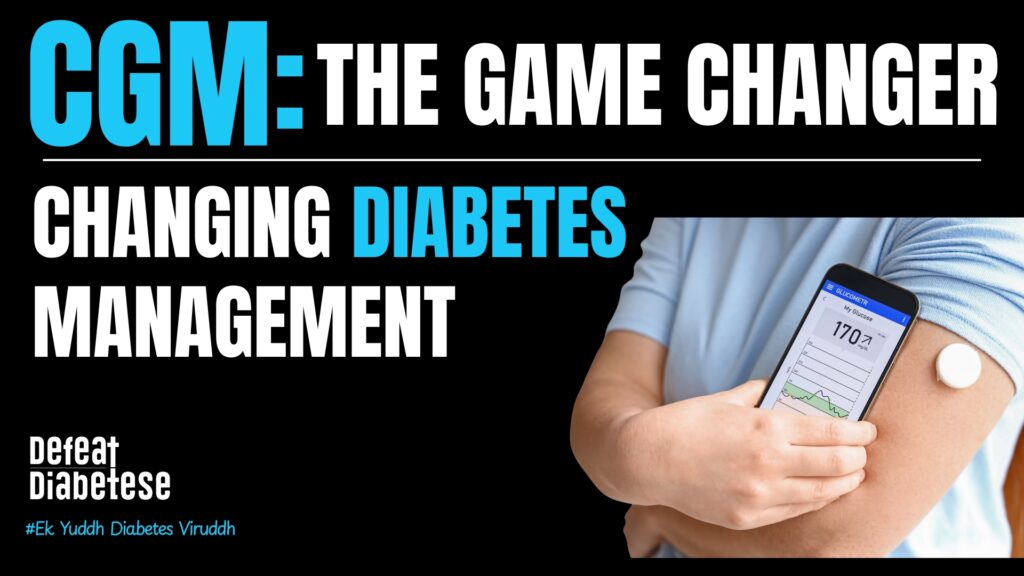
How CGM is changing diabetes management continuous glucose monitor time in range explained by Dr. Prakash Kurmi

How CGM is Changing Diabetes Management: 5 Ways It Helps Doctors

How CGM is Changing Diabetes Management: The Revolution Understanding how CGM is changing diabetes management is essential for appreciating the modern shift from reactive disease control to high-precision metabolic medicine. In my 30 years of clinical legacy at Shivam Hospital in Ahmedabad, the biggest handicap doctors faced was the lack of continuous, real-time data. Traditional HbA1c tests only provided a 90-day average, completely hiding extreme dangerous sugar spikes and midnight drops. A patient could have a “normal” HbA1c of 6.5% while experiencing wild daily sugar rollercoasters that silently damaged their micro-vascular organs. At DEFEAT DIABETESE, we embrace technological innovation through strict physiological logic. To win this ek yuddh diabetese viruddh, we leverage Continuous Glucose Monitoring (CGM) data to replace clinical guesswork with absolute data-driven clarity, keeping us firmly aligned with our Vision 2040 milestones. 1. From Static Snapshots to Full Dynamic Movies The primary reason why CGM sensors are transforming clinical practice is the transition from isolated data points to continuous, live streams. The Finger-Prick Blindspot: A standard finger-prick test gives a single number at a single second. It fails to show whether your blood sugar is rapidly rising, stabilizing, or crashing downward. The Continuous Stream: A CGM sensor worn under the skin measures interstitial fluid glucose continuously, generating up to 288 readings a day. It overlays these data points into a clear trend line with direction arrows, allowing both the doctor and patient to see the immediate biological impact of every meal, exercise session, and stress event. 2. Establishing the New Gold Standard: Time in Range (TIR) CGM technology has introduced a far more accurate clinical metric than basic HbA1c: Time in Range (TIR). Understanding TIR: Time in Range measures the exact percentage of hours in a day that a patient’s glucose stays within a safe, healthy target window. Why Doctors Love TIR: Two different patients can have the exact same HbA1c of 7.0%. However, Patient A might stay in target range 85% of the day smoothly, while Patient B suffers severe high spikes followed by dangerous midnight crashes. TIR allows doctors to identify Patient B’s hidden vulnerability instantly and correct it.How CGM is changing diabetes management 3. Eliminating Hypoglycemia and Uncovering the Dawn Phenomenon For a clinician, managing a patient’s high sugar is important, but preventing sudden, dangerous low sugar crashes (hypoglycemia) is a matter of life and death.How CGM is changing diabetes management Nocturnal Detection: Many diabetic patients experience severe sugar crashes around 3:00 AM while sleeping (nocturnal hypoglycemia), waking up with unexplained headaches or fatigue. CGM sensors track nighttime trends seamlessly, alerting doctors to adjust evening basal insulin doses accurately.How CGM is changing diabetes management Decoding the Dawn Phenomenon: CGM data clearly distinguishes between a late-night rebound spike (Somogyi effect) and a stress-induced morning liver glucose dump (Dawn Phenomenon), enabling targeted medical intervention rather than blind drug increases.How CGM is changing diabetes management 4. Hyper-Personalized Nutritional Auditing for Patients Every human metabolism reacts differently to carbohydrates. A food item that causes a mild rise in one person might trigger a severe spike in another. Bio-Feedback Learning: When a patient wears a CGM sensor, they see the direct real-time consequence of eating a bowl of rice versus a protein-first meal. This instant feedback loop retrains their habits faster than any written diet chart.How CGM is changing diabetes management Precision Macro Tuning: By viewing these real-time trend lines uploaded directly to our clinical dashboard, our medical team can precisely adjust macro ratios, meal timing, and fiber pre-loads to flatten glucose curves effortlessly.How CGM is changing diabetes management 5. 5 Ways CGM Data Empowers Your Doctor’s Treatment To understand how Continuous Glucose Monitoring makes diabetes management significantly easier and more effective for your clinical team, look at these 5 parameters:How CGM is changing diabetes management Eliminates Patient Memory Bias: Doctors no longer have to rely on manual paper logbooks or patient memory, which are often incomplete or inaccurate.How CGM is changing diabetes management Enables Safe Drug Tapering: By viewing 24-hour glucose stability, clinicians can safely taper down complex insulin or oral drug dosages without fear of sudden rebound spikes. Tracks Stress and Sleep Impact: CGM graphs clearly show how a bad night’s sleep or corporate work stress triggers sustained cortisol spikes, allowing the doctor to address lifestyle factors alongside nutrition. Optimizes Exercise Timing: Real-time trend lines show doctors exactly how post-meal walks or resistance training sessions clear glucose, helping tailor exercise timing for maximum efficiency. Accelerates True Remission: Having access to continuous data allows our team at Shivam Hospital to unjam cellular locks systematically, driving patients safely toward long-term, drug-free remission. 6. Frequently Asked Questions (FAQs) Q1: Does a CGM sensor measure blood sugar directly from the blood? No. A CGM sensor sits on the skin and uses a tiny filament to measure glucose in the interstitial fluid—the fluid surrounding your cellular tissue. Because glucose moves from the blood into the interstitial fluid, there is a minor 5 to 10-minute lag time compared to direct blood testing, but the overall trend lines are remarkably accurate. Q2: Does wearing a CGM hurt or interfere with daily activities? Not at all. Modern CGM sensors are small, water-resistant, and applied virtually painlessly on the back of the upper arm. You can shower, exercise, and sleep comfortably while wearing one. Q3: How does the Defeat Diabetese ecosystem utilize CGM technology? Backed by 30 years of medical wisdom, we merge real-time CGM data with targeted hormone laboratory profiles on our Unified Health Dashboard. This allows Dr. Prakash Kurmi and our medical team to build a data-driven, highly personalized perimeter for your remission journey.How CGM is changing diabetes management Conclusion: Precision Over Guesswork Observing how CGM is changing diabetes management proves that data is the ultimate key to metabolic freedom. By replacing sporadic finger-pricks with continuous biological clarity, doctors can treat the root cause of insulin resistance with absolute medical accuracy. Let us leverage modern science to win this ek yuddh diabetese viruddh and achieve our landmark Vision 2040 targets.How CGM is changing diabetes

How CGM is Changing Diabetes Management: 5 Ways It Helps Doctors Read More »

Metabolic health in diabetes and insulin sensitivity root cause explained by Dr. Prakash Kurmi

Metabolic Health in Diabetes: 5 Reasons It Matters More Than Sugar

Metabolic Health in Diabetes: The Engine Understanding the fundamental role of metabolic health in diabetes is the defining line between lifelong drug dependency and complete cellular remission. In my 30 years of clinical legacy in Ahmedabad, I have seen thousands of patients who obsessively track their daily finger-prick numbers while remaining completely oblivious to the systemic metabolic breakdown happening inside their organs. Treating Type 2 Diabetes by only lowering blood sugar numbers is like painting over a cracked wall—it masks the damage without fixing the foundation. At DEFEAT DIABETESE, we approach health through pure, logic-backed cellular science. To win this ek yuddh diabetese viruddh, we must shift our focus from temporary symptom suppression to complete metabolic restoration, keeping us firmly aligned with our ambitious Vision 2040 targets. 1. Blood Sugar vs. Metabolic Health: The Iceberg Effect To understand why metabolic health in diabetes is paramount, you must visualize your health as an iceberg floating in the ocean. The Visible Tip (Blood Sugar): The glucose floating in your blood is merely the visible tip of the iceberg. It is a late-stage symptom that appears only after years of internal distress. The Hidden Base (Metabolic Health): Beneath the surface lies your complete metabolic infrastructure—encompassing cellular insulin sensitivity, liver fat accumulation, mitochondrial efficiency, chronic inflammation, and lipid balance. The Failure of Pills: Traditional medications force the body to push glucose out of the blood, ignoring the massive, submerged metabolic crisis. True health requires healing the entire submerged base. 2. The Multi-Organ Cascade: Metabolic Syndrome Root Cause Metabolic health is not confined to a single organ; it represents the harmonious working of your entire endocrine and cardiovascular ecosystem, addressing the Metabolic Syndrome Root Cause. The Fatty Liver Blockade: Poor metabolic health begins when excess caloric energy packs tightly inside the liver as ectopic fat. A fatty liver loses its ability to manage glucose distribution, constantly dumping hidden sugar into the blood overnight. Pancreatic Beta-Cell Suffocation: As visceral fat accumulates, it wraps around the pancreas, suffocating the beta-cells responsible for producing natural insulin. Microvascular Erosion: Poor metabolic health accelerates systemic oxidative stress, causing microscopic damage to the inner lining of your blood vessels ($endothelium$). This is why unmanaged metabolic dysfunction leads directly to kidney, eye, and heart complications. 3. The Energy Factory: Mitochondrial Flexibility At the heart of metabolic health lies your cells’ powerhouses: the mitochondria. Flexible Energy Burn: A metabolically healthy individual possesses “metabolic flexibility”—the ability to seamlessly switch between burning carbohydrates and burning body fat for energy depending on availability. The Metabolic Jam: In a state of chronic insulin resistance, your mitochondria lose this flexibility. They become clogged with unprocessed fat and glucose, leading to constant post-meal fatigue, brain fog, and relentless energy crashes even if you are eating constantly. 4. Tracking Metabolic Baselines via Digital Analytics At Defeat Diabetese, we completely eliminate guesswork by analyzing comprehensive metabolic parameters rather than isolated numbers. Beyond Glucose Profiles: We run targeted laboratory evaluations to map your true metabolic health—analyzing Fasting Insulin, C-Peptide reserves, systemic inflammatory markers (hs-CRP), lipid particle sizes, and liver enzymes. The Dashboard Sync: By tracking these hormonal vectors on your Unified Health Dashboard, our clinical team evaluates the actual pace of your cellular recovery, allowing us to safely taper off chemical dependencies under Dr. Prakash Kurmi’s expert legacy.Metabolic health in diabetes 5. 5 Pillars to Rebuild Your Metabolic Health Naturally To restore your internal power grid and drive Type 2 Diabetes into long-term remission, implement this clinical protocol strictly: Expand Your Skeletal Muscle Sinks: Do not rely solely on light cardio. Perform targeted strength and resistance training 3-4 times a week to build lean skeletal muscle. Muscles act as your body’s primary “sugar sponges,” clearing glucose directly out of the blood and restoring Insulin Sensitivity and Metabolism. Enforce Fiber-and-Protein Plate Sequencing: Never eat bare, refined carbohydrates. Always consume your greens (fiber) and clean protein (paneer, sprouted legumes) first. This sequencing creates a protective mesh in the digestive tract, ensuring glucose enters the blood as a slow, manageable stream.Metabolic health in diabetes Banish Visceral Fat Accelerators: Completely eliminate ultra-processed packaged items, high-fructose corn syrups, and industrial seed oils. These compounds trigger severe intestinal inflammation and accelerate liver fat deposition.Metabolic health in diabetes Protect Nocturnal Circadian Biology: Chronic stress and sleep deprivation flood your bloodstream with cortisol. Cortisol directly jams insulin receptors and orders the liver to dump glucose overnight. Maintain a strict digital sundown to ensure deep restoration. Partner with Legacy Guided Milestones: Rebuilding metabolic health is a scientific, step-by-step re-calibration of your internal chemistry. A structured, data-backed protocol ensures your transition is safe, continuous, and effective.Metabolic health in diabetes 6. Frequently Asked Questions (FAQs) Q1: Can someone have normal blood sugar but terrible metabolic health? Yes! This is known as “compensated insulin resistance.” Your body may be producing 5x to 10x more insulin than normal to force blood sugar into the cells, keeping your glucose numbers looking normal on paper while your metabolic health is silently deteriorating.Metabolic health in diabetes Q2: How long does it take to improve metabolic health? While blood sugar numbers can stabilize within weeks of starting a structured lifestyle protocol, deep metabolic changes—such as clearing liver fat and restoring mitochondrial flexibility—typically take 3 to 6 months of continuous, data-backed habits.Metabolic health in diabetes Q3: How does the Defeat Diabetese framework prioritize metabolic health? Backed by 30 years of medical wisdom, we do not offer quick-fix symptom masking. We track your complete blood chemistry and lifestyle data on our digital dashboard, building a tailored perimeter to restore your overall metabolic health permanently. Conclusion: Heal the Engine, Not Just the Speedometer Focusing on metabolic health in diabetes shifts our perspective from managing a chronic illness to restoring biological harmony. Your blood sugar will naturally settle into a healthy range once the underlying cellular engine is clean and functional. By choosing hard scientific logic over temporary fixes, you can reclaim your health permanently. Let us stand undefeated in this ek yuddh diabetese viruddh to secure our ultimate Vision 2040 national

Metabolic Health in Diabetes: 5 Reasons It Matters More Than Sugar Read More »

Future epidemic of diabetes crisis and South Asian thin fat phenotype explained by Dr. Prakash Kurmi

Future Epidemic of Diabetes: 5 Terrifying Reasons Why It Is Spreading

Future Epidemic of Diabetes: The Tsunami Understanding why we are heading directly toward a future epidemic of diabetes is no longer just a medical discussion; it is a national economic and public health emergency. In my 30 years of clinical legacy in Ahmedabad, I have watched the age demographic of metabolic disease collapse before my eyes. What was once considered an old-age condition now affects 25-year-old corporate executives, college students, and urban workers. If current lifestyle trends and dietary shifts continue, the sheer volume of chronic complications will overwhelm our hospitals and families within the next decade. At DEFEAT DIABETESE, we analyze healthcare crises through raw, logic-backed science. To win this ek yuddh diabetese viruddh, we must expose the hidden structural drivers accelerating this metabolic tsunami, uniting our population around our Vision 2040 mission to reverse this crisis before it is too late. 1. The Urbanization Trap: The Sedentary Collapse The primary catalyst driving the future epidemic of diabetes is the ultra-rapid, unplanned urbanization of developing nations, particularly across South Asia. [Image showing the contrast between traditional active rural farming and modern sedentary office desk culture] The Loss of Natural Movement: Over the last three decades, human daily physical activity has plummeted. Manual labor, walking, and physical movement have been replaced by motorized transport, automated desk jobs, and hours of continuous sitting. The Muscle Atrophy: As established in our clinical guides, skeletal muscle tissue acts as the body’s primary “sugar sponge,” clearing up to 80% of circulating blood glucose. Continuous physical inactivity causes rapid muscle loss (sarcopenia), destroying the body’s natural capacity to store glucose and worsening insulin resistance. 2. The Industrial Food Attack: Ultra-Processed Toxicity Our modern food ecosystem has been systematically engineered to bypass natural brain satiety signals, creating a hyper-palatable, toxic food supply. Refined Carbohydrates and Seed Oils: Cheap industrial food manufacturing relies heavily on refined starches, high-fructose corn syrups, and oxidized seed oils.Future epidemic of diabetes The Constant Insulin Spike: Consuming processed snacks, sugary beverages, and packaged meals keeps circulating insulin levels artificially elevated all day long. This continuous hormonal overload forces energy to spill into internal organs, packing dangerous visceral fat around the liver and pancreas.Future epidemic of diabetes 3. Circadian Disruption: The Corporate Cortisol Surge The modern shift-work culture, late-night screen exposure, and high-pressure work environments across tech and business hubs are silently destroying biological rhythms.Future epidemic of diabetes Melatonin Suppression: Blue light exposure from smartphones and laptops late into the night suppresses melatonin, preventing the brain from entering deep, restorative sleep. Chronic Cortisol Dumping: As analyzed in our endocrine guides, sleep deprivation and chronic anxiety keep the adrenal system stuck in a “fight-or-flight” loop. The resulting cortisol surge forces the liver to dump glucose continuously while blinding cell receptors to insulin, turning office desks into breeding grounds for Type 2 Diabetes.Future epidemic of diabetes 4. The South Asian Genetic Paradox: Thin-Fat Phenotype The reason India and neighboring regions are hit harder by this global crisis lies in our unique body composition blueprint.Future epidemic of diabetes High Internal Visceral Fat: South Asians naturally carry a lower proportion of skeletal muscle mass and store higher amounts of visceral fat—even at a low body mass index (BMI).Future epidemic of diabetes Early Cellular Resistance: An Indian individual can look thin from the outside while suffering from severe internal ectopic fat accumulation that suffocates the liver and pancreas, leading to Early Onset Type 2 Diabetes at much younger ages compared to Western populations.Future epidemic of diabetes 5. 5 Pillars to Stop the Future Epidemic in Its Tracks To protect our nation and turn the tide against this impending public health catastrophe, we must enforce this defensive health protocol immediately:Future epidemic of diabetes Rebuild National Muscle Architecture: Shift the focus from mindless weight loss to active skeletal muscle building. Engaging in regular resistance and strength training expands your body’s glucose storage capacity, creating active protection against sugar spikes.Future epidemic of diabetes Enforce Absolute Food Literacy: Completely eliminate ultra-processed foods, hidden sugars, and industrial seed oils. Prioritize whole foods, fiber-first meal sequencing, and clean protein sources to protect your gut L-cells and naturally stimulate native GLP-1 release.Future epidemic of diabetes Establish Circadian Discipline: Enforce a strict digital sundown by 10:00 PM to protect sleep quality. Lowering nocturnal cortisol levels stops the liver from dumping hidden sugar overnight and restores natural insulin sensitivity.Future epidemic of diabetes Implement Proactive Diagnostic Tracking: Do not wait for symptoms or standard fasting tests to fail. Run comprehensive baseline evaluations—including Fasting Insulin and C-Peptide assays—to detect cellular resistance years before blood sugar numbers spike into the diabetic range.Future epidemic of diabetes Join the National Reversal Movement: Defeating an epidemic requires a collective crusade. Align your family and workplace within a structured, data-driven health perimeter guided by expert medical legacy. 6. Frequently Asked Questions (FAQs) Q1: Why is diabetes called a “silent epidemic”? It is called silent because insulin resistance develops internal damage for 10 to 15 years without causing obvious pain or symptoms. By the time a person is officially diagnosed via elevated blood sugar, microvascular damage to the eyes, kidneys, and nerves may already be underway. Q2: Can we stop this epidemic if it is partly driven by genetics? Yes. While South Asian genetics create a vulnerability (the thin-fat phenotype), genetics only load the gun—lifestyle, nutrition, and environment pull the trigger. Data-backed lifestyle corrections can completely prevent and reverse early-stage insulin resistance regardless of genetic predisposition. Q3: How does Defeat Diabetese address this national crisis? Backed by 30 years of medical wisdom, we combine clinical legacy with advanced digital analytics on our Unified Health Dashboard. Our mission under Vision 2040 is to guide 10 million lives out of chemical dependency and into permanent, drug-free metabolic remission. Conclusion: Reclaim Our Health Destiny Recognizing why we face a future epidemic of diabetes is the first step toward taking decisive action. We cannot afford to let passive disease management ruin the health and economic future of our young nation. By trusting scientific logic, building muscle mass, and

Future Epidemic of Diabetes: 5 Terrifying Reasons Why It Is Spreading Read More »

loader

Doctor Partnership

Reach us

1
Scan the code