July 2026

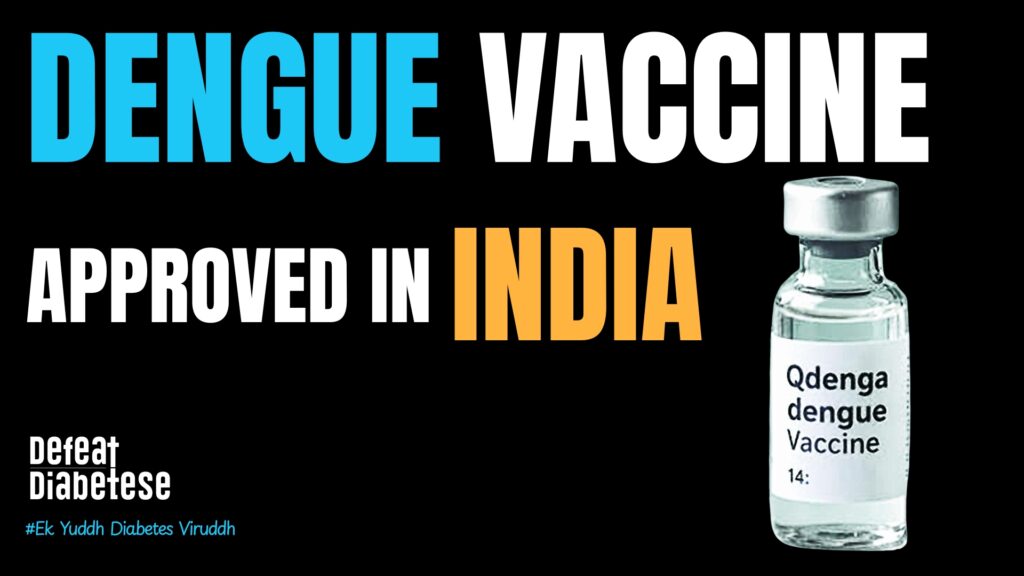
Dengue vaccine India approval CDSCO Qdenga two dose schedule explained by Dr. Prakash Kurmi

Dengue Vaccine India Approval: 5 Critical Facts About Qdenga Launch

Dengue Vaccine India Approval: Historic Milestone The clearance of QDENGA (TAK-003) by the Central Drugs Standard Control Organisation (CDSCO) marks the most significant milestone in India’s fight against vector-borne viral diseases. For decades, India has carried nearly one-third of the global dengue burden, facing massive seasonal surges that strain healthcare infrastructure across major urban hubs like Ahmedabad and regional centers alike. The official market authorization granted to Takeda’s live-attenuated tetravalent vaccine represents a monumental shift from reactive symptom management to proactive immunological protection. At DEFEAT DIABETESE, we analyze public health breakthroughs through rigorous, evidence-based science. While our core mission centers on metabolic health under Dr. Prakash Kurmi’s 30 years of clinical legacy, understanding how viral infections interact with baseline metabolic conditions is essential to protecting our community as part of our Vision 2040 strategy. 1. The Science of Qdenga: How the Vaccine Works Understanding the mechanism of Qdenga explains why its approval by Indian drug regulators is a landmark moment for disease prevention. Tetravalent Live-Attenuated Design: Dengue is caused by four distinct viral strains—serotypes DENV-1, DENV-2, DENV-3, and DENV-4. Infection with one strain leaves a person vulnerable to severe secondary infections from other strains. Qdenga is engineered using a Dengue serotype-2 molecular backbone combined with surface proteins from all four strains, offering broad, balanced protection against all active serotypes. No Pre-Vaccination Testing Required: Unlike earlier global dengue vaccines that required blood tests to confirm prior exposure before administration, Qdenga is approved for individuals regardless of past dengue history. It safely stimulates protective neutralizing antibodies in both seropositive (previously infected) and seronegative (never infected) individuals. Dose Schedule and Efficacy: The vaccine is administered as a two-dose regimen given 3 months apart via subcutaneous injection. Global Phase 3 clinical data demonstrates over 80% efficacy in preventing confirmed dengue fever and an exceptional 84% to 90% reduction in dengue-related hospitalizations. 2. Age Eligibility and India Manufacturing Rollout The approval details issued by CDSCO outline clear parameters for public administration across the country. Target Age Group: The vaccine is approved for individuals aged 4 to 60 years, protecting both school-going children and the active working population who face the highest exposure during peak mosquito seasons. Domestic Partnership for Scale: To meet India’s vast demand, Takeda partnered with Hyderabad-based Biological E. Limited to manufacture up to 50 million doses annually. This local production pipeline ensures scalable availability for India’s public and private health sectors. Global Safety Track Record: Prior to its Indian clearance, Qdenga received World Health Organization (WHO) prequalification and secured approvals in over 40 countries, including the European Union, the UK, Brazil, and Indonesia, backed by 7-year safety follow-up data. 3. The Metabolic Link: Why Dengue is Dangerous for Diabetic Patients While this breakthrough is a victory for general public health, it holds special clinical importance for individuals living with Type 2 Diabetes or insulin resistance. Vascular Permeability and Platelet Risk: Severe dengue fever triggers endothelial inflammation, causing blood vessels to leak fluid while blood platelet counts drop rapidly. In individuals with long-standing diabetes, pre-existing microvascular damage makes blood vessels significantly more fragile, drastically increasing the risk of Plasma Leakage Syndrome and Dengue Hemorrhagic Fever (DHF). Glycemic Instability During Acute Infection: When a diabetic patient contracts dengue, the immune system releases massive storms of inflammatory cytokines (such as IL-6 and TNF-alpha). This systemic inflammatory response triggers acute cortisol spikes that cause severe blood sugar surges, complicating clinical recovery and delaying tissue repair.Dengue vaccine India approval Protecting the High-Risk Population: Vaccination serves as a critical biological shield for diabetic individuals. By preventing severe dengue illness and hospitalization, the vaccine protects vulnerable microvascular systems from acute inflammatory damage.Dengue vaccine India approval 4. Integrated Diagnostic Tracking at Shivam Hospital At Defeat Diabetese, maintaining comprehensive health records allows medical teams to navigate seasonal infection risks safely.Dengue vaccine India approval Seasonal Immunity Planning: During high-risk monsoon months in Gujarat, tracking inflammatory baseline markers alongside metabolic health provides a clearer picture of a patient’s overall resilience against viral infections.Dengue vaccine India approval The Dashboard Mapping: By consolidating metabolic baselines, complete blood counts (CBC), and vaccination records onto your Unified Health Dashboard, our medical team ensures that patients with metabolic conditions receive personalized, medically supervised care throughout peak dengue seasons. 5. 5 Action Steps for Seasonal Dengue and Metabolic Protection To combine the power of modern immunization with proactive daily defense, follow these essential guidelines: Consult for Timely Immunization: If you or your family members fall within the 4 to 60 age bracket—especially if managing metabolic conditions like diabetes—consult your physician at Shivam Hospital regarding the two-dose Qdenga schedule. Maintain Tight Glycemic Control: Keep your blood glucose levels within target range. Stable HbA1c levels keep your immune system’s white blood cells agile and better equipped to fight off opportunistic viral pathogens. Eliminate Local Breeding Sites: Mosquitoes transmitting dengue (Aedes aegypti) breed in clean, stagnant water. Inspect pots, coolers, water storage drums, and overhead tanks weekly to disrupt mosquito life cycles around your home or workplace.Dengue vaccine India approval Prioritize Hydration and Platelet Monitoring: If you develop sudden high fever, joint pain, or severe headaches during mosquito season, do not self-medicate with NSAIDs like ibuprofen (which increase bleeding risks). Seek immediate medical evaluation for platelet tracking and electrolyte fluid therapy. Strengthen Vascular Integrity: Focus on nutrient-dense meals rich in vitamin C, bioflavonoids, and antioxidant-rich greens to support capillary strength and reduce baseline vascular permeability. 6. Frequently Asked Questions (FAQs) Q1: Can diabetic patients safely receive the new Qdenga dengue vaccine? Yes. Clinical trials and real-world safety data show that live-attenuated tetravalent vaccines like Qdenga are safe for adults with controlled metabolic conditions like Type 2 Diabetes, offering vital protection against severe viral complications.Dengue vaccine India approval Q2: Do I need a blood test for dengue antibodies before getting vaccinated? No. One of the primary advantages of Qdenga is that it does not require pre-vaccination serological screening. It can be safely administered regardless of whether you have had a past dengue infection.Dengue vaccine India approval Q3: How many doses are required

Dengue Vaccine India Approval: 5 Critical Facts About Qdenga Launch Read More »
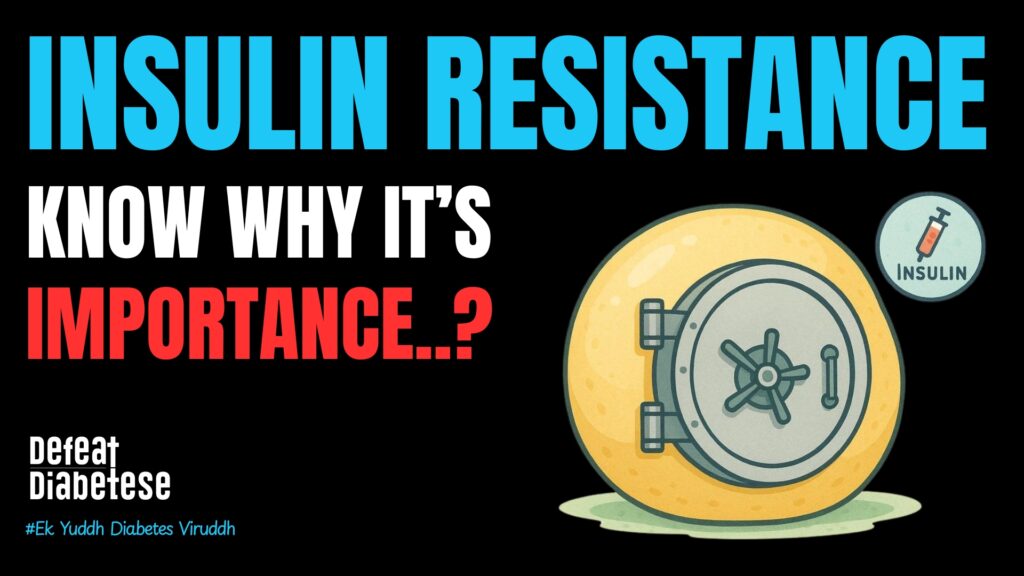
What is insulin resistance and cell receptor lock key mechanism explained by Dr. Prakash Kurmi

What is Insulin Resistance: 5 Cellular Truths Behind Blood Sugar Spikes

What is Insulin Resistance: The Truth Demystifying exactly what is insulin resistance is the most critical diagnostic step required to permanently reverse Type 2 Diabetes and metabolic syndrome. In my 30 years of clinical legacy in Ahmedabad, I have met countless corporate professionals and business owners who are caught in a vicious cycle of tracking daily finger-prick numbers while remaining completely blind to the hormonal chaos happening inside their cells. High blood sugar does not appear out of thin air; it is the final downstream consequence of a cellular communication breakdown that has been developing silently for a decade. At DEFEAT DIABETESE, we reject the outdated philosophy of managing symptoms with ever-increasing drug dosages. To win this ek yuddh diabetese viruddh, we must pull back the curtain on cellular biology and understand the exact mechanics of how our body’s locks get jammed, steering our community safely toward our structural Vision 2040 milestones. 1. The Biological Definition: The Lock and Key Breakdown To explain it through pure physiological logic, insulin is a vital hormone produced by your pancreas that acts as a master key. Its primary job is to unlock your body’s cells so they can absorb glucose from the bloodstream and convert it into active energy. The Normal Mechanism: In a healthy metabolic state, you eat food, glucose enters the blood, the pancreas releases insulin, insulin binds to the cell receptor (the lock), the cell door opens, and Cellular Glucose Absorption takes place effortlessly. The Resistance State: In a state of resistance, the pancreas still produces the insulin keys—often in massive, hyperinsulinemic quantities. However, the cellular locks are completely jammed. Because the key cannot turn the lock, the cell doors remain shut, leaving glucose trapped outside floating in the bloodstream, leading to high blood sugar readings. 2. The Toxic Driver: Visceral Fat Accumulation Why do the cellular locks get jammed in the first place? The ultimate Insulin Resistance Root Cause lies in ectopic, internal fat storage. The Storage Overflow: When you continuously consume highly refined carbohydrates, industrial seed oils, and live a sedentary lifestyle, your body reaches its safe subcutaneous fat limit. The Ectopic Spillover: The excess energy has nowhere to go, so it spills over into your vital organs, packing tightly inside the liver and around the pancreas as visceral fat. The Receptor Gunk: This internal fat releases toxic free fatty acids and inflammatory cytokines that act like grease inside the cellular lock. This biological gunk physically blocks the insulin receptor from picking up the hormonal signal. 3. The Pancreatic Exhaustion Phase Understanding the progression of this disorder explains why standard fasting sugar tests can hide the condition for years. The Hidden Compensation: In the early stages of resistance, the pancreas realizes that the cells are ignoring the signal. To compensate, it works overtime, pumping out 5x to 10x more insulin than normal just to force the glucose inside the cells. The Normal Illusion: During this hidden phase, your fasting blood sugar readings look completely normal because the high insulin volume is forcing the sugar down. The Beta-Cell Burnout: Over years, this relentless overproduction exhausts the pancreatic beta-cells. The moment the pancreas can no longer keep up with the extreme demand, insulin production drops, and blood sugar numbers rapidly spike into the diabetic range. 4. Tracking Receptor Sensitivity via Clinical Analytics At Defeat Diabetese, we completely eliminate medical guesswork by relying on precise laboratory metrics rather than standard tracking parameters. Objective Metabolic Evaluation: We don’t just look at HbA1c. We evaluate your exact state of cellular resistance by running comprehensive laboratory assays—including Fasting Insulin profiles and C-Peptide lines to measure your functional pancreatic reserves. The Dashboard Vector: By integrating these hormonal parameters cleanly onto your Unified Health Dashboard, our clinical team tracks the exact speed at which your cells are unjamming, allowing us to safely taper off medications under Dr. Prakash Kurmi’s legacy. 5. 5 Rules for Reversing Insulin Resistance Naturally To systematically clear the internal gunk from your cellular locks and restore your native metabolic flexibility, implement this clinical protocol strictly: Transform Your Skeletal Muscle Sinks: Stop relying solely on traditional cardio. You must perform targeted weight or resistance training 3-4 times a week to build lean muscle mass. Muscle tissue acts as an independent “sugar sponge,” clearing glucose straight out of the blood without requiring high insulin output. Enforce Precise Plate Sequencing: Never introduce bare carbohydrates to an empty stomach. Always consume your fiber (raw or steamed greens) and clean protein (paneer, sprouted lentils) first. This sequencing creates a structural mesh in the gut, ensuring glucose enters the blood as a slow crawl, giving your receptors plenty of time to respond. Banish Visceral Fat Accelerators: Completely eliminate ultra-processed items, high-fructose corn syrups, and refined flours from your diet. These foods directly trigger liver inflammation and accelerate ectopic fat deposition. Calibrate Your Circadian Biology: Chronic sleep deprivation and toxic workplace anxiety flood your bloodstream with cortisol. Cortisol is a highly destructive stress hormone that directly jams insulin receptors and triggers the liver to dump hidden glucose overnight. Maintain a strict digital sundown. Seek Legacy Supervised Milestones: Unjamming a complex metabolic pathway requires systematic biochemical re-calibration. A structured, data-driven protocol under expert medical supervision ensures your transition is safe, continuous, and highly targeted. 6. Frequently Asked Questions (FAQs) Q1: How do I know if I have insulin resistance before my blood sugar rises? Early physical and clinical warning signs include chronic fatigue after meals, stubborn belly fat accumulation, frequent sugar cravings, skin tags, and dark velvety patches of skin around the neck (acanthosis nigricans). Q2: Is insulin resistance permanently reversible? Yes. Since the cells are not structurally broken but are simply jammed by internal fat accumulation, systematically stripping away visceral fat through data-driven nutrition and muscle optimization can restore absolute receptor sensitivity. Q3: How does the Defeat Diabetese platform track cellular changes? Backed by 30 years of medical wisdom, we map your lifestyle data against targeted hormone labs on our digital dashboard. This allows us to track your

What is Insulin Resistance: 5 Cellular Truths Behind Blood Sugar Spikes Read More »

Is diabetes reversal possible science and type 2 diabetes remission reality explained by Dr. Prakash Kurmi

Is Diabetes Reversal Possible: 5 Powerful Scientific Proofs of Remission

Is Diabetes Reversal Possible: The Reality Debunking the massive confusion around whether is diabetes reversal possible is the absolute corner stone of modern metabolic medicine. In my 30 years of clinical legacy in Ahmedabad, I have watched the conventional healthcare system tell millions of patients that Type 2 Diabetes is a one-way street—a progressive, lifelong sentence that can only be managed with ever-increasing drug dosages. This archaic view is not just outdated; it is scientifically incorrect. At DEFEAT DIABETESE, we analyze the human metabolism through a clear lens of cellular biology. To win this ek yuddh diabetese viruddh, we must replace corporate marketing myths with hard clinical data. Our Vision 2040 mission is built entirely on the verified reality that when you fix the cellular environment, the human body is fully capable of entering long-term, drug-free Type 2 Diabetes Remission. 1. Myth vs. Reality: Defining True Reversal To understand the science, we must first fix the terminology. The medical community uses the term “Remission” rather than a permanent “Cure.” [Image contrasting a fat-clogged cell receptor with a clean, fully functional insulin receptor] The Myth of the Magic Pill: Many alternative wellness programs claim to permanently cure diabetes overnight, suggesting you can go back to eating unlimited refined sugar without consequences. This is a complete myth. The Clinical Reality: Type 2 Diabetes is a state of severe chronic metabolic toxicity. Reversal means unjamming your cellular locks so your body can perfectly manage normal, healthy whole-food carbohydrates again without the aid of external glucose-lowering drugs. Your baseline HbA1c drops back below 5.7% and stays there naturally. 2. Striking the Core: Insulin Resistance Root Cause Conventional management treats high blood sugar as the primary problem. In reality, elevated glucose is merely a late-stage symptom of a deeper cellular blockage: the Insulin Resistance Root Cause. The Overflown Storage: When you continuously consume refined carbohydrates and seed oils combined with a sedentary lifestyle, your body runs out of safe subcutaneous fat storage space. The Ectopic Spill: The excess energy spills over into dangerous areas where it doesn’t belong—specifically packing inside your liver and around your pancreas as visceral fat. The Lockout: This internal fat accumulation acts like absolute gunk inside your cellular locks, blinding your insulin receptors. The glucose gets trapped outside in the blood because the insulin key cannot turn the jammed lock. 3. The Twin Cycle: Pancreatic Beta Cell Recovery The historic breakthrough that proved diabetes reversal is a reality came from the famous Direct Trials led by international researchers, establishing the “Twin Cycle Hypothesis.” Breaking the First Cycle: When you introduce a highly targeted, data-backed lifestyle protocol, your body immediately begins burning its internal fat stores. The moment you clear just a few grams of fat out of the liver, its insulin sensitivity returns, stopping the liver from dumping excess sugar overnight. Breaking the Second Cycle: As the liver clears, the toxic fat pressure surrounding the pancreas drops. This initiates a profound process of Pancreatic Beta Cell Recovery. Pancreatic cells that were previously suffocated by fat and pushed into a dormant, sleep-like state suddenly wake back up and resume manufacturing high-quality, natural insulin. 4. Tracking Remission via Continuous Diagnostics At Defeat Diabetese, we do not ask you to rely on blind faith. We track your cellular transformation through precise laboratory benchmarks. Objective Validation: We closely monitor your internal recovery parameters by running regular diagnostic profiles—tracking Fasting Insulin, C-Peptide scores to evaluate your exact pancreatic reserve, and systemic inflammatory indicators (hs-CRP). The Dashboard Mapping: By logging these markers systematically on your Unified Health Dashboard, our medical team plots your exact pace of cellular recovery. This clinical data replaces old-school guesswork, ensuring you reduce and taper off medications safely under Dr. Prakash Kurmi’s legacy. 5. 5 Scientific Pillars to Turn Reversal Into Your Reality To safely unjam your metabolism and achieve long-term drug-free remission, you must execute this protocol strictly: Prioritize Skeletal Muscle Building: Stop relying solely on standard cardio. You must perform resistance training 3-4 times a week to expand your skeletal muscle mass. Your muscles act as your body’s primary “sugar sponges,” vacuuming up glucose straight out of the blood without needing high insulin loads. Enforce the Plate Sequencing Strategy: Never eat bare carbohydrates. Always consume your fiber (steamed vegetables) and clean protein (paneer, sprouted lentils) first. This builds an organic barrier in your digestive tract, turning a potentially dangerous sugar spike into a slow, harmless energy crawl. Ruthlessly Eliminate Visceral Fat Drivers: Completely banish ultra-processed foods, high-fructose corn syrups, and industrial seed oils from your kitchen. These compounds directly trigger cellular inflammation and rapidly pack fat around your liver. Manage Cortisol Architecture: Chronic stress and lack of deep sleep flood your system with cortisol, which directly orders the liver to dump glucose and jams insulin receptors. Enforce a strict digital sundown to protect your nocturnal restoration. Partner with Expert Legacy Logic: Reversal is a highly delicate biochemical re-calibration. Attempting it via random internet tips can cause severe spikes or sudden hypoglycemic crashes. Always align your journey within a structured, medically supervised perimeter. 6. Frequently Asked Questions (FAQs) Q1: Is diabetes reversal possible for someone on insulin injections for years? Yes. While the speed of remission depends heavily on your remaining functional pancreatic beta-cell reserve (verified via a simple C-peptide blood test), significantly reducing insulin dependence and optimizing cellular sensitivity is highly achievable under expert guidance. Q2: Will my diabetes return if I start eating junk food again after reversal? Yes. Remission means your cellular environment has been successfully cleaned. If you re-introduce the exact toxic habits, high stress, and processed foods that jammed your metabolism in the first place, the visceral fat will re-accumulate, and insulin resistance will return. Q3: How does the Defeat Diabetese movement secure long-term remission? Backed by 30 years of medical wisdom, we do not believe in quick, short-term fixes. We combine advanced diagnostic tracking with hyper-personalized nutrition and lifestyle analytics, building a defensive perimeter around your biology to help you sustain drug-free health permanently. Conclusion:

Is Diabetes Reversal Possible: 5 Powerful Scientific Proofs of Remission Read More »

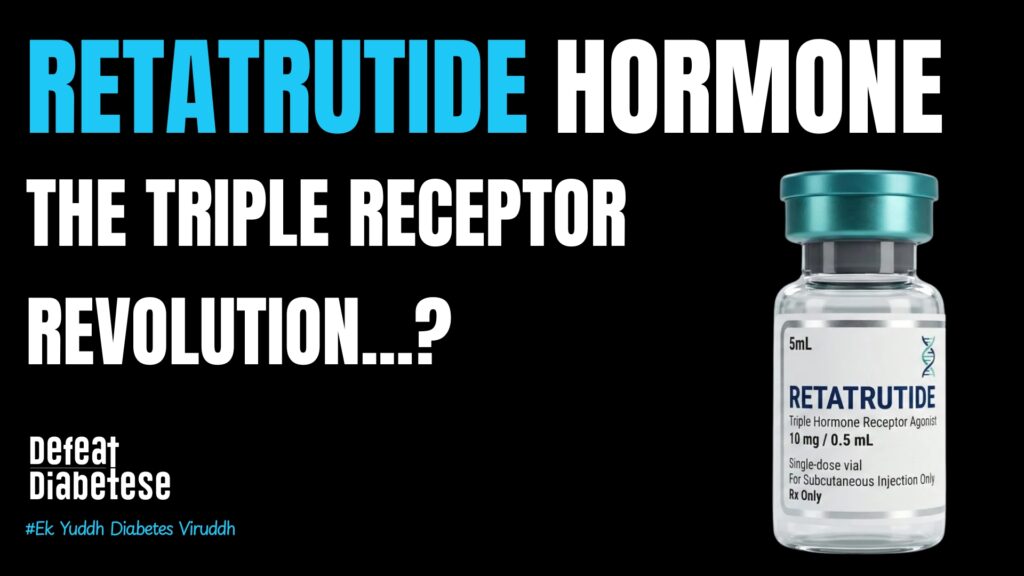
Retatrutide clinical trials and triple hormone receptor agonist mechanism explained by Dr. Prakash Kurmi

Retatrutide Clinical Trials: 5 Crazy Facts About the Triple-Hormone Miracle

Retatrutide Clinical Trials: The Triple Revolution  The year 2026 has brought a staggering paradigm shift in metabolic pharmacology with the release of phase-3 data from the retatrutide clinical trials. In my 30 years of clinical legacy at Shivam Hospital in Ahmedabad, I have watched diabetes treatments progress from basic blood sugar management to complex hormonal targeting. But what is currently happening in global clinical trials with Retatrutide is nothing short of a scientific revolution. We are moving past the era of single-hormone therapies like Semaglutide and entering the age of high-precision molecular synergy. At DEFEAT DIABETESE, we dissect these cutting-edge medical advancements through pure, logic-backed physiological analysis. To win this ek yuddh diabetese viruddh, we must understand the precise biochemical mechanisms of this new triple-acting pathway, guiding our patients logically toward our ambitious Vision 2040 targets. 1. The Triple-Agonist Mechanism: How Retatrutide Works To understand why the medical world is calling Retatrutide the “Godzilla of weight loss and diabetes reversal,” we have to look at its complex biochemical engineering. It is not a single or dual-hormone targeted drug; it is a triple-hormone receptor agonist. The First Key (GLP-1): Just like older therapies, it binds to the GLP-1 receptor to slow digestion, suppress brain hunger signalling, and ensure glucose-dependent insulin secretion from the pancreas. The Second Key (GIP): It simultaneously activates the Gastric Inhibitory Polypeptide (GIP) receptor. GIP synergistically enhances insulin secretion while stabilising lipid metabolism and significantly reducing nausea—a common side effect of pure GLP-1 agents. The Third Key (Glucagon): This is the game-changer. By targeting the glucagon receptor directly, it triggers a calculated increase in energy expenditure, telling the body to actively burn fat even while at complete rest. 2. The Glucagon Paradox: Turning Up the Metabolic Thermostat In traditional diabetes management, glucagon was always viewed as the “bad guy” because it orders the liver to dump glucose into the blood. This GLP-1 GIP Glucagon Pathway manages this process with unprecedented elegance. Receptors in the Liver: Retatrutide uses the glucagon pathway not to raise blood sugar, but to target ectopic fat accumulated inside the liver. The Thermic Shift: By stimulating hepatic glucagon receptors, it dramatically increases the body’s baseline energy expenditure (thermogenesis). It forces the liver to clear out its own fat storage, directly addressing the underlying driver of insulin resistance. Melt Down of Visceral Fat: As the liver fat clears, insulin sensitivity returns at a cellular level, making it the most potent tool discovered for reversing Non-Alcoholic Fatty Liver Disease (NAFLD). 3. Mind-Blowing Numbers: The Clinical Trial Data The Phase 2 and ongoing Phase 3 data from the retatrutide clinical trials have left researchers stunned by the absolute scale of metabolic correction. Unprecedented Weight Loss: Over a 48-week trial window, participants on the highest dose of Retatrutide lost an average of 24.2% of their total body weight. This completely eclipses the 15% seen with Semaglutide. Complete HbA1c Normalization: An astonishing near-completion percentage of Type 2 Diabetes participants achieved near-total glycemic control, pushing their HbA1c levels back below 5.7%—moving them into complete clinical remission. 4. Tracking Modern Pharmacology via Digital Diagnostics At Defeat Diabetese, we do not let advanced pharmaceutical innovations replace strict diagnostic tracking. The Clinical Map: If a patient is evaluated for advanced therapeutic pathways, we closely monitor their physical indicators—tracking Fasting Insulin, C-Peptide reserves, lipid ratios, and continuous liver function markers. The Dashboard Sync: By charting these dynamic parameters on our Unified Health Dashboard, our medical team evaluates how your internal receptors are adapting, adjusting your lifestyle and macro structure to match the cellular pace under Dr. Prakash Kurmi’s expert legacy. 5. 5 Critical Realities of the Triple-Hormone Era While this Obesity and Diabetes Breakthrough 2026 is highly promising, you must navigate this clinical frontier with absolute scientific caution: You Cannot Out-Medicate a Sedentary Life: No matter how advanced a triple-agonist is, if you do not build skeletal muscle mass through strength training, you will lose precious muscle tissue along with fat. Rebuilding your “sugar sponges” remains mandatory. Gut Integration is Non-Negotiable: Activating three hormone pathways at once places a high demand on your gastrointestinal tract. You must protect your gut microbiome with clean, unrefined, fiber-first nutrition to avoid severe digestive fatigue. Strict Clinical Supervision Required: Calculating dose escalations for a triple-agonist requires highly precise endocrinological tracking at Shivam Hospital to safeguard pancreatic and thyroid pathways. A Bridge, Not a Destination: Advanced molecules should be used as temporary, high-speed accelerators. The ultimate goal is to leverage the glycemic stability they create to establish permanent, natural lifestyle habits. Data-Driven Alignment: Always combine medical progress with objective analytics. Log your daily nutrition, sleep cycles, and physical movements continuously to ensure your body’s natural signaling systems eventually take back permanent control. 6. Frequently Asked Questions (FAQs) Q1: Is Retatrutide currently available for prescription in India? In 2026, Retatrutide is in the final stages of global Phase 3 clinical trials. It represents the immediate future of metabolic medicine and is expected to receive regulatory approvals for public release soon. Q2: How does Retatrutide differ from Tirzepatide (Mounjaro)? Tirzepatide is a dual-agonist targeting GLP-1 and GIP receptors. Retatrutide is a triple-agonist, adding the third glucagon pathway to actively accelerate fat burning and hepatic fat clearance. Q3: How does the Defeat Diabetese framework integrate these therapies? Backed by 30 years of medical wisdom, we do not rely on medications as permanent crutches. We leverage cutting-edge global science strategically to stabilize the metabolism while building the lifestyle foundation required for drug-free, long-term remission. Conclusion: Aligning with the Future The spectacular data from the retatrutide clinical trials proves that we are entering an era of unprecedented control over metabolic biology. By choosing advanced scientific logic over old-school disease management, we can restore harmony to our cells. Let us march forward confidently in this ek yuddh diabetese viruddh to secure our landmark Vision 2040 victory. ek yuddh diabetese viruddh. Visit us: www.defeatdiabetese.com

Retatrutide Clinical Trials: 5 Crazy Facts About the Triple-Hormone Miracle Read More »

Diabetes in youth and thin fat phenotype india risks explained by Dr. Prakash Kurmi

Diabetes in Youth: 5 Dangerous Reasons India’s Young Generation is At Risk

Diabetes in Youth: The Silent Crisis Addressing the exponential rise of diabetes in youth across India is the most critical public health challenge of our generation. In my 30 years of clinical legacy in Ahmedabad, I used to rarely treat anyone under the age of 40 for metabolic disorders. Today, my OPD at Shivam Hospital is filled with 25-year-old software engineers, corporate executives, and college students presenting with HbA1c levels well into the diabetic range. The young generation is walking directly into a metabolic trap, heavily driven by modern operational shifts and structural biological vulnerabilities unique to the Indian population. At DEFEAT DIABETESE, we reject the idea of treating this as a simple lifestyle choice. To win this ek yuddh diabetese viruddh, we must expose the biochemical reasons behind Early Onset Type 2 Diabetes, aligning our defensive strategies with our Vision 2040 mission to save the future of our nation. 1. The Genetic Blueprint: The Thin-Fat Phenotype Exploded The biggest myth among Indian youth is: “I am thin, so I cannot get diabetes.” Modern medical science completely dismantles this assumption through the discovery of the Thin Fat Phenotype India profile. The South Asian Paradox: Genetically, South Asians possess a highly unique body composition. Even if a young Indian looks perfectly normal or lean from the outside, they carry a disproportionately low amount of skeletal muscle mass and a highly dangerous accumulation of internal fat. The Visceral Trap: This internal fat wraps tightly around vital organs like the liver and the pancreas. As established in our cellular guides, this ectopic fat leaks toxic free fatty acids that block your cellular receptors, triggering severe insulin resistance despite a normal body weight. 2. The Shift-Work Trap: Cortisol Chaos in Young Professionals A major driver of ruined Metabolic Health in Professionals across tech hubs like GIFT City and Infocity is the complete disruption of natural circadian biology. Nocturnal Adrenaline Surges: Working late-night shifts, consuming high amounts of caffeine to beat deadlines, and facing chronic work anxiety keeps the nervous system stuck in a continuous “fight-or-flight” mode. The Glucose Dump: As we analyzed in our endocrine breakdowns, chronic stress triggers the adrenal glands to flood the system with cortisol. Cortisol forces the liver to continuously manufacture and dump new glucose into the blood while simultaneously blinding muscle receptors to insulin. This hormonal mismatch turns corporate desks into breeding grounds for diabetes. 3. Sleep Deprivation and the Satiety Collapse The average young Indian is chronically sleep-deprived, averaging less than 6 hours of deep sleep per night due to late-night digital screen exposure. The Blue Light Attack: Blue light from smartphones suppresses melatonin production, preventing the brain from entering deep, restorative sleep phases. The Leptin-Ghrelin Inversion: Just one night of poor sleep causes a sharp drop in leptin (the fullness hormone) and a massive spike in ghrelin (the hunger hormone). The next day, the young brain experiences intense, uncontrollable “food noise,” driving automated cravings for refined carbohydrates, energy drinks, and fast food. 4. Tracking Youth Remission via Clinical Dashboards At Defeat Diabetese, we protect the youth by replacing generic advice with strict, data-driven diagnostic monitoring. Early Screening is Non-Negotiable: Because youth diabetes is highly aggressive, we do not wait for standard fasting sugar to fail. We test deep baseline markers like Fasting Insulin, C-Peptide scores to evaluate actual pancreatic reserve, and high-sensitivity inflammation markers (hs-CRP). The Dashboard Mapping: By plotting these parameters cleanly on your Unified Health Dashboard, our medical team tracks the exact pace of your metabolic recovery, customizing your nutrition scientifically under Dr. Prakash Kurmi’s legacy. 5. 5 Golden Rules to Save the Indian Youth From Diabetes To protect your future and completely reverse early-stage insulin resistance, implement this clinical protocol strictly: Ditch the Sedentary Block: For every 60 minutes of sitting at your office desk or college chair, stand up and perform a 2-minute walking or stretching window. This activates skeletal muscle pathways to clear glucose naturally without requiring extra insulin. Enforce the Protein-and-Fiber Pre-load: Stop skipping breakfast or surviving on instant noodles. Structure your meals by eating green vegetables and clean protein (paneer, sprouts, premium tofu) before you touch carbohydrates to flatten post-meal blood sugar surges completely. Mandatory Heavy Resistance Training: Do not just focus on mindless cardio. Build skeletal muscle mass by lifting weights or performing bodyweight exercises 3-4 times a week. Muscles act as your primary “sugar sponges,” permanently lowering insulin resistance. Enforce a Digital Sundown: Turn off all laptops, work chats, and social media screens by 10:00 PM. Allow your brain’s cortisol levels to naturally drop, ensuring deep sleep that keeps your morning fasting levels perfectly stable. Partner with Legacy Medical Logic: Never rely on generic fitness apps or unverified online influencers to manage your metabolism. A structured, data-backed reversal protocol provides the precise perimeter required to secure long-term health safely. 6. Frequently Asked Questions (FAQs) Q1: Is Type 2 Diabetes more aggressive when it develops at a young age? Yes. Early-onset Type 2 Diabetes progresses at a faster rate than when it develops in older adults. If left unmanaged, it can lead to microvascular complications affecting the kidneys, eyes, and heart much earlier in life. Q2: Can a young person completely reverse diabetes permanently? Absolutely. Because the young generation possesses a highly resilient cellular recovery rate and active pancreatic beta-cell reserve, aggressive lifestyle corrections can unjam the cells and drive the condition into complete, long-term remission. Q3: How does the Defeat Diabetese framework assist young professionals? Backed by 30 years of medical wisdom, we specialize in adapting clinical science to modern lifestyles. We build a personalized, data-tracked roadmap around your busy hours, helping you reverse resistance without disrupting your career growth. Conclusion: Reclaim the Future of India The rising crisis of diabetes in youth is a loud call for scientific discipline over careless trends. Your age is your ultimate asset for cellular healing—if you choose hard data and logic today, you can easily rewrite your biological future. Let us stand united in this ek yuddh diabetese viruddh to

Diabetes in Youth: 5 Dangerous Reasons India’s Young Generation is At Risk Read More »

Importance of protein for diabetes and insulin sensitivity benefits explained by Dr. Prakash Kurmi

Protein for Diabetes: 5 Powerful Reasons to Rebuild Your Plate

Protein for Diabetes: The Metabolic Weapon Restructuring your nutritional framework around high-quality protein for diabetes management is the single most effective dietary shift you can make to achieve permanent blood sugar control. In my 30 years of clinical legacy in Ahmedabad, I have analyzed thousands of traditional Indian food logs. The data reveals a massive metabolic imbalance: our meals are heavily dominated by carbohydrates, while protein is treated as a minor side dish. This exact nutritional deficit is a primary driver of chronic hyperinsulinemia across the nation. At DEFEAT DIABETESE, we approach disease reversal through absolute cellular logic. To win this ek yuddh diabetese viruddh, we must understand the biochemical precision of how protein alters gut hormones, preserves lean mass, and unjam cellular locks, pushing us closer to our Vision 2040 milestones. 1. The Incretin Trigger: Boosting Natural GLP-1 Release The primary medical reason behind prioritizing protein for diabetes lies in its powerful ability to stimulate your gut’s natural hormonal signaling system. The Incretin Effect: As explored in our recent molecular analyses, your lower intestine contains specialized cells called L-cells. These cells are highly sensitive to the structural components of food. The Protein Action: When you consume clean protein, the resulting amino acids strongly stimulate these L-cells to release native GLP-1 (Glucagon-Like Peptide-1) into your bloodstream. The Smart Shield: This natural hormone surge tells your pancreas to secrete insulin only if glucose is present, while simultaneously signaling your brain to turn off exhausting hunger signals and chronic cravings. 2. Flattening the Rollercoaster: Gastric Slowdown and Glycemic Index One of the most immediate benefits of high-protein nutrition is its structural impact on your digestion speed, making it a cornerstone of a Low Glycemic Index Diet. Slowing the Transit: Protein requires complex enzymatic breakdowns in the stomach compared to simple carbohydrates. Consuming protein alongside or before your carbs significantly delays gastric emptying. Blunting the Spike: Because the food leaves your stomach gradually, glucose enters the bloodstream as a slow, steady trickle rather than a sudden, massive wave. This prevents the sharp post-meal toxicity that strains your blood vessels and exhausts your pancreatic beta cells. 3. Building Skeletal Muscle Glucose Sponges You cannot discuss Insulin Sensitivity and Protein without looking at your body’s largest repository for glucose disposal: skeletal muscle mass. The Sugar Sink: When you consume carbohydrates, nearly 80% of the resulting glucose is cleared out of the blood and stored straight inside your skeletal muscles. The Sarcopenia Threat: Chronic crash dieting or low-protein intake causes your body to catabolize its own muscle tissue. Less muscle means your body loses its capacity to store glucose, worsening insulin resistance. The Recovery: Dietary protein provides the essential amino acids ($leucine$, $isoleucine$) needed to build and repair muscle tissue. When paired with resistance training, you expand your body’s “sugar sponges,” allowing you to clear glucose effortlessly without requiring extra insulin. 4. High Thermic Effect: Thermogenesis and Metabolic Rate Protein possesses a unique thermodynamic property that gives it a massive advantage over fats and carbohydrates. The Energy Cost: Every food requires energy to be digested, a process known as the Thermic Effect of Food (TEF). While carbohydrates use only 5% to 10% of their caloric energy for digestion, protein utilizes a staggering 20% to 30% of its calories just to be broken down by the body. The Metabolic Boost: This means that out of 100 calories of protein you consume, your body immediately burns around 25 calories purely to process it. This natural thermodynamic boost accelerates visceral fat loss, directly helping unjam your metabolism. 5. 5 Rules to Optimize Protein in Your Reversal Journey To unlock the full scientific power of protein without causing metabolic stress, implement this clinical protocol strictly: The Fiber-and-Protein First Sequence: Never start your meal with bare carbohydrates. Always consume your vegetables (fiber) and your paneer, sprouts, or lean protein first. This sets up a gelatinous defense lining in your gut, slowing carbohydrate absorption perfectly. Aim for 1 Gram Per Kilogram Minimum: Ensure your daily intake meets your baseline physiological needs. A target of $1.0\text{ to }1.2\text{ grams}$ of protein per kilogram of ideal body weight is ideal for maintaining muscle architecture during diabetes remission. Choose Whole Food Sources First: Focus on organic, whole-food options like fresh paneer, organic tofu, sprouted moong, unflavored sattu, and legumes. Avoid commercial protein bars that are secretly loaded with high-fructose corn syrup or hidden maltodextrin. Distribute Protein Evenly: Do not consume your entire day’s protein requirement in a single heavy dinner. The human body can optimally synthesize around 25-30 grams of protein per meal. Divide your intake evenly across breakfast, lunch, and dinner. Track Bio-Markers via the Dashboard: Monitor your internal organ metrics carefully. By logging your fasting profiles, kidney markers (serum creatinine and eGFR), and metabolic baseline shifts on our Unified Health Dashboard, our medical team ensures your macro adjustments are perfectly safe under Dr. Prakash Kurmi’s legacy. 6. Frequently Asked Questions (FAQs) Q1: Will a high-protein diet damage my kidneys if I have diabetes? In individuals with normal kidney function, a high-quality protein diet is perfectly safe and highly beneficial. However, if a patient has already developed advanced diabetic nephropathy (kidney disease), protein intake must be strictly managed and customized by your diabetologist at Shivam Hospital. Q2: What are the best vegetarian protein sources for diabetes reversal? Excellent low-glycemic vegetarian options include dense paneer, premium tofu, edamame beans, sprouted lentils, green mung, hemp seeds, and almond flour blocks. Q3: How does the Defeat Diabetese framework track nutrition? Backed by 30 years of medical wisdom, we reject generic cal-counting apps. We analyze how macronutrients shift your specific cellular parameters, tailoring your daily nutrition to match your unique laboratory parameters safely and logically. Conclusion: Rebuild Your Foundation Prioritizing protein for diabetes is not a short-term fitness trend; it is a foundational law of metabolic biochemistry. By switching your plate sequence and investing in your skeletal muscle mass, you can dismantle insulin resistance from its root. Let us march forward aggressively in this ek yuddh diabetese

Protein for Diabetes: 5 Powerful Reasons to Rebuild Your Plate Read More »

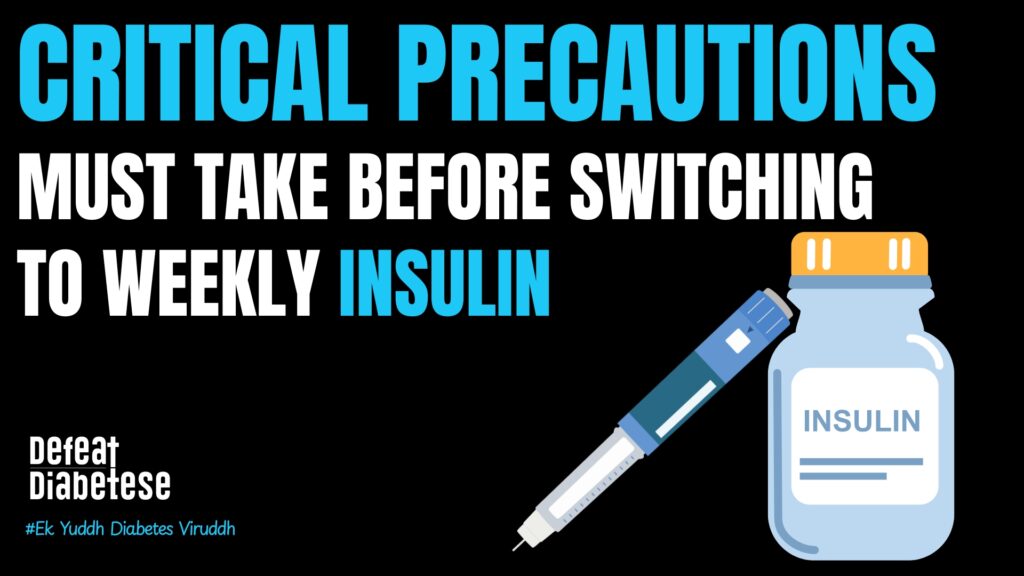
Weekly insulin icodec precautions and switching insulin protocols explained by Dr. Prakash Kurmi

Weekly Insulin: 5 Critical Precautions You Must Take Before Switching

Weekly Insulin: The Safety Protocol The commercial introduction of the world’s first weekly insulin has triggered a massive paradigm shift in how millions of Indians approach their daily medical routines. In my 30 years of clinical legacy in Ahmedabad, compliance has always been the ultimate battleground. Shifting from the agonizing burden of 365 daily needle pricks to just 52 shots a year sounds like an absolute dream for a diabetic patient. However, this pharmaceutical transition is highly complex and requires supreme medical vigilance. At DEFEAT DIABETESE, we evaluate advanced molecular therapeutics through a strict lens of clinical safety. To win this ek yuddh diabetese viruddh, you must understand that this 7-day steady-state molecule requires entirely different biological rules than your old daily doses. This guide outlines the 5 non-negotiable medical precautions you must maintain, keeping you firmly on course toward our Vision 2040 milestones. 1. Never Self-Convert: The Danger of Mathematical Dose Mismatch The single most dangerous mistake a patient can make during the Insulin Icodec India transition is attempting to calculate their new weekly dosage based on simple guesswork. The Unit Accumulation: Daily basal insulin clears out of your system within 24 hours. A weekly injection, however, is engineered with a special fatty acid chain that binds to plasma albumin, creating a massive, slow-release internal reservoir that leaks out gradually over 168 hours. The Clinical Calculation: You cannot simply multiply your daily dose by seven. Your diabetologist must run complex clinical equations, factoring in your current insulin sensitivity, baseline unit requirements, and current HbA1c trajectory to safely chart the initial loading dose. 2. Fix an Unalterable Day and Time Window With daily injections, moving your shot by a couple of hours might cause minor fluctuations. With a 7-day long-acting pathway, timing errors carry severe consequences. The Overlap Risk: If you take your weekly dose on a Sunday morning, your cellular receptors are calibrated for a precise 168-hour release window. The Warning: If you carelessly inject the next dose on a Friday evening because you are traveling, you create a massive, toxic overlap where two high-volume reservoirs leak insulin simultaneously. This triggers severe Hypoglycemia Prevention Rules protocols. Choose one fixed day (like every Sunday morning) and never alter it. 3. Differentiate Basal Stability from Mealtime Spikes A critical point of education when Switching Insulin Protocols is recognizing that this new weekly molecule is purely a background (basal) tool. The Background Worker: The weekly shot is designed to keep your baseline, fasting blood glucose levels perfectly flat during sleep and between meals. The Carbohydrate Trap: It possesses absolutely zero fast-acting capability. If you consume a heavy carbohydrate meal or indulge in street food, this long-acting molecule cannot rush to clear that immediate surge. If your profile requires mealtime (bolus) short-acting insulin, that daily protocol must continue exactly as directed by Shivam Hospital. 4. The First 3 Weeks: Hyper-Vigilant Symptom Tracking Because of the massive 7-day half-life of this advanced molecule, it takes approximately 3 to 4 weeks for the steady-state concentration to fully stabilize in your bloodstream. The Latent Window: The real metabolic impact of your new dose won’t fully reveal itself on day one. The Safety Mandate: During the first month of switching, you must continuously monitor for acute low sugar warnings. If you experience sudden cold sweating, hand tremors, or rapid heart palpitations, execute the standard Rule of 15 immediately and report to your clinical team. 5. Utilize the Window of Stability to Clear Visceral Fat At Defeat Diabetese, we believe that no advanced pharmaceutical molecule should ever become a lifelong crutch. The Strategic Launchpad: The exceptional baseline stability provided by a weekly injection should be treated as a golden biological window. The Reversal Execution: Use the freedom from daily needle anxiety to aggressively focus on building skeletal muscle through resistance training and restructuring your Type 2 Diabetes Reversal Diet. By turning your muscles into active “sugar sponges,” you lower your systemic dependence on external hormones entirely. 6. Tracking the Transition via Digital Analytics We replace old-school paper logging with high-precision continuous diagnostic mapping. Objective Metabolic Mapping: During your switch, your laboratory indicators, liver function assays, and fasting trends are meticulously logged onto your Unified Health Dashboard. Proactive Clinical Tuning: This centralized data allows our expert medical team to dynamically monitor how your body adapts to the weekly release curve, ensuring your transition toward long-term remission remains perfectly safe and scientifically backed under Dr. Prakash Kurmi’s legacy. 7. Frequently Asked Questions (FAQs) Q1: What should I do if I completely forget my weekly insulin dose by one full day? If you miss your scheduled day, clinical guidelines state you can inject it up to 3 days late. However, if more than 3 days have passed, skip the missed dose entirely and resume on your next regularly scheduled day. Never take a double dose to compensate. Q2: Can I switch back to daily insulin if the weekly protocol doesn’t suit me? Yes. Shifting back is entirely possible, but just like the initial switch, it requires strict clinical calculations by your diabetologist to step down the 7-day active plasma reservoir safely without causing rebound shocks. Q3: How does the Defeat Diabetese ecosystem optimize this switch? Backed by 30 years of medical wisdom, we do not let you navigate advanced therapeutics blindly. We build a personalized, data-tracked clinical perimeter around your transition, managing your lifestyle metrics continuously to drive you safely toward metabolic independence. Conclusion: Precision Guides Progress Embracing the convenience of weekly insulin is a monumental win for modern healthcare, but its success depends entirely on your respect for cellular science. By honoring these 5 crucial precautions and relying on objective medical data, you can safeguard your metabolism effortlessly. Let us march forward resolutely in this ek yuddh diabetese viruddh to secure our landmark Vision 2040 victories. ek yuddh diabetese viruddh. Visit us: www.defeatdiabetese.com

Weekly Insulin: 5 Critical Precautions You Must Take Before Switching Read More »

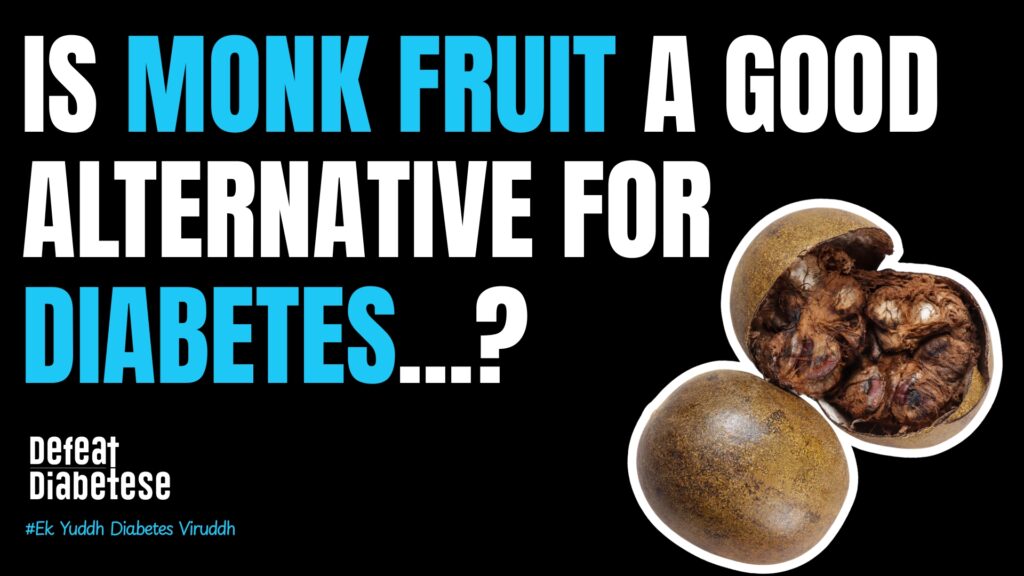
Monk fruit for diabetes safety tips and mogrosides insulin response explained by Dr. Prakash Kurmi

Monk Fruit for Diabetes: 5 Critical Facts You Must Know

Monk Fruit for Diabetes: The Truth Evaluating the metabolic impact of monk fruit for diabetes is essential for anyone looking to satisfy their sweet tooth without derailing their blood sugar baselines. In my 30 years of clinical legacy in Ahmedabad, I have seen thousands of patients struggle with severe sweet cravings. While completely eliminating sweetness is the ideal choice during early lifestyle changes, natural alternatives can act as helpful bridges. At DEFEAT DIABETESE, we analyze every modern dietary trend through a strict, logic-based scientific lens. To win this ek yuddh diabetese viruddh, we must dissect the biochemical compounds inside Monk Fruit to understand how it interacts with your pancreas and gut health, keeping you firmly on the path toward our Vision 2040 milestones. 1. The Mogroside Secret: Sweetness Without Glucose The primary scientific reason why monk fruit for diabetes is highly regarded lies in its unique molecular structure. The Sugar-Free Sweetness: Unlike regular cane sugar, which owes its sweetness to sucrose, Monk Fruit gets its intense sweetness (nearly 150 to 200 times sweeter than sugar) from unique antioxidants called Mogrosides, primarily Mogroside V. Zero Glycemic Impact: Because your upper digestive tract cannot break down mogrosides for energy, they pass through your system without being absorbed as glucose. This gives Monk Fruit an absolute Glycemic Index (GI) score of zero, ensuring it causes no direct post-meal sugar spikes. 2. Pancreatic Stimulation: Mogrosides and Insulin Response In conventional medicine, most Zero Calorie Sweeteners for Diabetics like aspartame or sucralose are heavily criticized because they can alter gut bacteria and indirectly worsen insulin resistance over time. Monk Fruit, however, exhibits a highly unique pathway regarding Mogrosides and Insulin Response. Beta-Cell Support: Preliminary laboratory research indicates that specific mogrosides isolated from Monk Fruit can actively stimulate pancreatic beta-cells to secrete insulin efficiently when glucose is present. Antioxidant Shielding: The heavy anti-inflammatory properties of these mogrosides help neutralize oxidative stress within the pancreas, protecting your natural insulin-producing cells from premature damage. 3. The Gut Microbiome Preservation One of the biggest concerns with everyday artificial sweeteners is their toxic effect on the human gut lining. The Artificial Sweetener Threat: Chemical sweeteners often wipe out beneficial gut flora, which blunts your body’s natural incretin hormone signaling and increases systemic inflammation. The Natural Advantage: As a plant-derived organic compound, pure Monk Fruit extract does not disrupt your delicate intestinal microbiome. Preserving gut health is vital for maintaining your body’s native metabolic flexibility and natural hormone pathways. 4. Tracking Metabolic Consistency with Clinical Data At Defeat Diabetese, we replace dietary assumptions with objective data tracking. The Elimination of Guesswork: When patients incorporate alternative foods into their routine, we monitor their long-term health trajectory via regular HbA1c testing, fasting insulin profiling, and inflammatory markers. The Dashboard Evidence: By analyzing these clinical trends logged seamlessly on your Unified Health Dashboard, our medical team can verify whether a specific sweetener is causing hidden metabolic stress, allowing us to perfectly adjust your customized roadmap under Dr. Prakash Kurmi’s legacy. 5. 5 Critical Rules to Follow Before Buying Monk Fruit To ensure you utilize this natural alternative safely without stalling your Type 2 Diabetes reversal progress, implement this protocol strictly: Beware of Dangerous Blends: Pure Monk Fruit extract is highly expensive. To maximize profits, commercial brands often blend it with hidden chemicals like maltodextrin, dextrose, or artificial additives. Maltodextrin has a higher Glycemic Index than regular sugar and will cause severe sugar spikes. Always read the ingredient list for 100% pure extract or safe blends like pure erythritol. Mute the Cephalic Phase Response: Even with zero calories, an intensely sweet taste on the tongue can occasionally trick the brain into expecting calories, leading to a minor psychological craving for actual carbohydrates later. Use it sparingly to retrain your palate. Perfect for Cooking and Baking: Unlike Stevia, which can leave a distinct bitter, metallic aftertaste, or Aspartame, which breaks down toxically under high heat, pure Monk Fruit maintains its structural chemical stability at high baking temperatures. Pair with Fiber-First Nutrition: Never use sweeteners to mask highly processed, low-fiber foods. Ensure your overall nutritional layout remains deeply rooted in clean protein, healthy fats, and steamed vegetables. Use It as a Temporary Accelerator: Our final target for 10 million lives under Vision 2040 is absolute metabolic freedom. Use Monk Fruit as a temporary tool to break your sugar addiction, with the ultimate goal of enjoying foods in their natural, unsweetened state. 6. Frequently Asked Questions (FAQs) Q1: Can Monk Fruit cause weight gain in diabetic patients? Pure Monk Fruit contains zero calories and zero carbohydrates, meaning it cannot drive fat accumulation or affect weight, provided it is not consumed alongside high-calorie processed ingredients. Q2: Is Monk Fruit safer than Stevia? Both are high-quality Natural Sugar Substitutes. However, many individuals prefer Monk Fruit because it lacks the sharp, bitter aftertaste commonly associated with Stevia extracts. Q3: How does the Defeat Diabetese protocol evaluate sweeteners? Backed by 30 years of medical wisdom, we analyze foods based on cellular logic. We guide you to select clean, unadulterated alternatives while systematically tracking your unique metabolic data to ensure absolute safety. Conclusion: Logic Over Sweet Traps Investigating monk fruit for diabetes proves that you can navigate taste cravings safely if you trust hard scientific logic over commercial packaging. By selecting unblended extracts and honoring data-driven lifestyle choices, you can protect your metabolism effortlessly. Let us stand united in this ek yuddh diabetese viruddh to secure our landmark Vision 2040 victory. ek yuddh diabetese viruddh. Visit us: www.defeatdiabetese.com

Monk Fruit for Diabetes: 5 Critical Facts You Must Know Read More »

What is hypoglycemia and low blood sugar symptoms chart explained by Dr. Prakash Kurmi

What is Hypoglycemia: 5 Dangerous Symptoms You Must Never Ignore

What is Hypoglycemia: The Emergency Guide Understanding exactly what is hypoglycemia and recognizing its early warning signs is a lifesaving skill that every diabetic patient and caregiver must master. In my 30 years of clinical legacy in Ahmedabad, I have seen that while chronic high sugar slowly damages blood vessels over years, an acute drop in blood glucose can incapacitate a person within a few minutes. At DEFEAT DIABETESE, we believe that true metabolic control is built on absolute safety. To win this ek yuddh diabetese viruddh, we must understand the chemical warning signs our nervous system sends when fuel levels run dangerously low, ensuring we stay fully protected on our collective Vision 2040 journey. 1. The Biological Definition: Cellular Fuel Starvation To define it scientifically, hypoglycemia occurs when the concentration of glucose in your bloodstream drops below the normal physiological baseline—typically defined clinically as anything below 70 mg/dL. The Brain’s Fuel Crisis: Your brain is an incredibly greedy organ. Unlike skeletal muscles, the brain cannot store glucose for later use nor can it efficiently burn fat for instant energy. It relies entirely on a continuous, uninterrupted supply of glucose floating in your blood. The Counter-Regulatory Surge: The moment blood sugar drops below the safety threshold, your brain perceives a mortal threat. It instantly triggers a massive fight-or-flight response, ordering your adrenal glands to flood your system with adrenaline and cortisol in a desperate attempt to force the liver to dump emergency glucose. It is this sudden hormonal storm that causes the immediate symptoms of a crash. 2. 5 Dangerous Symptoms You Must Never Ignore When adrenaline floods your body during a low blood sugar crash, your autonomic nervous system flashes bright warning lights. If you experience these Low Blood Sugar Symptoms, take immediate action: 1. Sudden, Profuse Sweating (Damp Skin) The Science: Even if you are sitting in a perfectly air-conditioned room in the middle of summer, a sudden drop in sugar will cause you to break out into a cold, clammy sweat—specifically around the back of your neck and forehead. This is a direct result of adrenaline overdrive stimulating your sweat glands. 2. Uncontrolled Tremors and Shaking Hands The Science: As your central nervous system starves for glucose, the electrical signaling between your brain and peripheral muscles becomes unstable. Your hands will begin to shake uncontrollably. This is your body’s loud physical distress signal that your baseline energy has collapsed. 3. Rapid Heart Rate (Palpitations) and Sudden Anxiety The Science: You will suddenly feel your heart racing or pounding heavily against your chest ($tachycardia$). This physical palpitation is accompanied by an intense, unexplained wave of panic, nervousness, or doom—driven entirely by the sudden spike of adrenaline in your bloodstream. 4. Extreme Dizziness, Blurred Vision, and Lightheadedness The Science: As the brain’s main power supply dims, visual processing centers slow down. You may see spots, experience double vision, or feel the room spinning around you. Ignoring this symptom poses an immediate risk of fainting or physical injury from falls. 5. Sudden Irritability, Confusion, or Slurred Speech The Science: Neuroglycopenia occurs when the brain lacks enough sugar to function logically. A patient might suddenly become uncharacteristically angry, confused, lose coordination, or struggle to speak clearly. To outsiders, it may look like intoxication, but it is actually an advanced neuro-metabolic emergency. 3. The Rule of 15: Diabetic Emergency Care If your blood glucose drops below 70 mg/dL, do not panic. Follow the globally standardized clinical protocol immediately to safely execute Diabetic Emergency Care: Step 1: Consume 15 Grams of Fast Carbs: Immediately take 15 grams of fast-acting, simple carbohydrates. This means half a cup of fruit juice, 1 tablespoon of raw sugar or honey, or 3-4 glucose tablets. Do not eat chocolate or pizza, as the fat content slows down sugar absorption in the gut. Step 2: Rest for 15 Minutes: Sit down quietly and wait for exactly 15 minutes to allow the simple sugars to enter your bloodstream and reach your brain cells. Step 3: Recheck Your Levels: Check your blood glucose levels. If your reading is still below 70 mg/dL, repeat the process—consume another 15 grams of fast carbs and wait 15 minutes. Step 4: Stabilize with a Complex Snack: Once your sugar crosses back above 70 mg/dL, eat a small meal containing complex carbohydrates and protein (like a slice of whole-grain toast or a handful of nuts) to prevent a secondary crash. 4. Tracking Metabolic Stability via Clinical Dashboards At Defeat Diabetese, we shift your care protocol from reactive panic to structured prevention. Analyzing the Root Cause: Frequent crashes usually indicate a mismatch between your medication dosage and your nutritional architecture—often caused by an outdated daily insulin or sulfonylurea prescription. The Dashboard Mapping: By tracking your laboratory assays, fasting levels, and dietary logs on our Unified Health Dashboard, our medical team maps your exact glycemic trends. This clinical data allows us to safely adjust and taper down your medications under Dr. Prakash Kurmi’s legacy, eliminating the risk of recurrent attacks. 5. Frequently Asked Questions (FAQs) Q1: Can hypoglycemia happen during sleep? Yes. This is known as nocturnal hypoglycemia. If you wake up with damp bedsheets, a sudden morning headache, or feel exceptionally tired despite sleeping for hours, your sugar likely crashed during the night. Q2: What happens if severe hypoglycemia is left untreated? If blood glucose levels drop low enough to completely starve the brain, it can lead to seizures, loss of consciousness, metabolic coma, and can be fatal if emergency intervention is delayed. Q3: How does Dr. Prakash Kurmi’s protocol prevent these crashes? With 30 years of medical wisdom, we reject the approach of aggressively forcing sugar down with heavy chemical doses. We build a personalized lifestyle architecture that gently lowers insulin resistance, creating a smooth, stable metabolic curve that prevents drops entirely. Conclusion: Safety Precedes Remission Answering what is hypoglycemia highlights that true diabetes control is never about chasing the lowest possible number through extreme measures; it is about achieving biological harmony. By recognizing the

What is Hypoglycemia: 5 Dangerous Symptoms You Must Never Ignore Read More »

Diabetic retinopathy stages and retina blood vessel damage explained by Dr. Prakash Kurmi

Diabetic Retinopathy: 5 Critical Facts to Save Your Vision

Diabetic Retinopathy: The Silent Threat Understanding exactly what diabetic retinopathy is and how it develops is a non-negotiable step for anyone living with chronic high blood sugar. In my 30 years of clinical legacy in Ahmedabad, I have seen patients diligently manage their diet only after noticing structural changes in their vision. The terrifying reality of this condition is its silent nature—it damages your eyes internally for years without causing a single drop of physical pain or immediate blurriness. At DEFEAT DIABETESE, our core focus centers heavily on multi-organ preservation. To win this ek yuddh diabetese viruddh, we must explore the biological mechanics of how high glucose levels corrode the delicate vascular networks of your eyes, ensuring you stay protected as we march toward our Vision 2040 milestones. 1. The Biological Definition: What is Diabetic Retinopathy? To break it down scientifically, diabetic retinopathy is a highly specific microvascular complication of diabetes that directly affects the retina—the light-sensitive layer of tissue located at the very back of the eye. The Camera Analogy: Think of your eye as a high-end digital camera. The lens at the front focuses light, but it is the retina at the back that acts as the digital sensor or film. The retina captures images and sends them to your brain via the optic nerve. The High-Sugar Corrosion: When your blood flows through the body with a chronically high concentration of glucose, it acts like sandpaper against the walls of your tiniest blood vessels. The Blind Spot: Because the blood vessels supplying the retina are incredibly small and delicate, they are the very first to break down under long-term metabolic stress, leading to structural Diabetic Eye Disease. 2. The Stages of Damage: From Leaking to Overgrowth Clinical medicine divides the progression of this disease into two main distinct phases, tracking the severity of Retina Blood Vessel Damage. Stage 1: Non-Proliferative Diabetic Retinopathy (NPDR) This is the early, silent stage that thousands of diabetics live with without realizing it. Microaneurysms: The tiny blood vessels in the retina develop microscopic, balloon-like bulges. Vascular Leakage: As the vessel walls weaken further, they begin to leak blood, fluid, and fatty deposits into the retinal tissue. Macular Edema: If this fluid leaks near the macula (the central part of the retina responsible for sharp, straight-ahead vision), it swells up, causing objects to appear distorted or blurry. Stage 2: Proliferative Diabetic Retinopathy (PDR) This is the advanced, severe stage where the eye enters an emergency survival mode. Neovascularization: The original blood vessels become so blocked and damaged that parts of the retina are completely starved of oxygen and nutrients. In a desperate panic, the retina sends signals to grow new blood vessels. Fragile Overgrowth: These new blood vessels are abnormal, extremely fragile, and poorly constructed. They tear open easily, leaking massive amounts of blood directly into the center of the eye (vitreous humor), blocking out light completely and threatening sudden blindness. 3. The Vicious Cycle: High Blood Pressure and Glucose Toxicity You cannot isolate the eyes from the rest of your vascular health. Diabetic eye complications are accelerated by a secondary silent factor: hypertension. The Double Pressure: When high blood sugar damages the flexibility of your arteries, it naturally drives up systemic blood pressure. The Rapid Rupture: High blood pressure forces blood through already weakened, leaking retinal vessels at a dangerous velocity. This combination accelerates the transition from early-stage leakage to advanced bleeding, making strict control of both metrics mandatory. 4. Tracking Microvascular Health via Clinical Data At Defeat Diabetese, we completely eliminate guesswork by relying on structured diagnostic mapping. Beyond Glucose Checks: While maintaining a stable, low-glycemic trajectory is vital, tracking microvascular safety requires specialized evaluations. We emphasize regular annual fundus examinations or digital retinal photography. The Dashboard Integration: By logging your historical HbA1c trajectory, lipid profiles, and blood pressure markers on our Unified Health Dashboard, our medical team tracks your full metabolic stability profile. This ensures your Type 2 Diabetes Reversal Diet is working to lower vascular inflammation under Dr. Prakash Kurmi’s expert legacy. 5. 5 Golden Rules for Preventing Diabetic Blindness To ensure your vision remains crystal clear and completely protected throughout your reversal journey, implement this protocol strictly: Mandatory Annual Eye Screenings: Visit an ophthalmologist for a dilated eye exam at least once every 12 months. Early stages of retinopathy can only be detected by looking directly at the back of the eye, long before your vision changes. Maintain Glycemic Stability: Avoid aggressive, rollercoaster spikes in your blood sugar. Gradual, steady reduction of glucose levels protects fragile retinal vessels from sudden osmotic pressure changes. Strict Blood Pressure Management: Keep your blood pressure readings firmly under $130/80\text{ mmHg}$. Lowering vascular pressure prevents weak retinal micro-vessels from rupturing. Optimize Vascular Antioxidants: Enrich your nutrition with lutein, zeaxanthin, and omega-3 fatty acids found in clean sources like walnuts, seeds, and leafy greens (thoroughly cooked during monsoon) to strengthen vascular tissue. Build a Legacy Guided Roadmap: Never attempt sudden lifestyle or medication changes blindly. A structured reversal protocol under expert medical supervision ensures your metabolism recovers safely without causing vascular shocks to your eyes. 6. Frequently Asked Questions (FAQs) Q1: Can the vision loss from diabetic retinopathy be reversed? Damage caused in the early stages (NPDR) can often be stabilized, and further progression can be halted completely by achieving metabolic remission. However, severe structural scarring or detachment in advanced stages (PDR) may require laser therapy or surgery to preserve remaining sight. Q2: I can see perfectly fine. Does that mean my eyes are safe? No. Retinopathy does not cause symptoms until it hits advanced stages or affects the center of your vision (macula). Waiting for vision changes to occur before getting tested is a dangerous clinical mistake. Q3: How does the Defeat Diabetese framework handle eye protection? Backed by 30 years of medical wisdom, we prioritize comprehensive organ defense. We combine advanced metabolic lifestyle optimization with automated diagnostic tracking, ensuring your journey toward health protects your vision from the very start. Conclusion: Protect

Diabetic Retinopathy: 5 Critical Facts to Save Your Vision Read More »

loader

Doctor Partnership

Reach us

1
Scan the code