July 2026

Future of diabetes management data driven reversal platform by Defeat Diabetese

Future of Diabetes Management: 5 Powerful Reasons Why Defeat Diabetese Leads India

Future of Diabetes Management: The Revolution India is currently facing a catastrophic metabolic emergency, often labeled as the global diabetes capital. However, the traditional blueprint of managing this crisis through lifelong symptom suppression is fundamentally broken. Understanding the future of diabetes management requires shifting our gaze away from pharmaceutical dependency and toward cellular restoration. At DEFEAT DIABETESE, we have built a revolutionary ecosystem that bridges multi-decade medical expertise with high-precision digital analytics. To win this ek yuddh diabetese viruddh, we do not merely manage numbers; we unjam the metabolic pathways of the human body, steering millions safely toward our landmark Vision 2040 milestones. 1. Moving Beyond Symptom Suppression to Root Cause Reversal The current conventional healthcare model in India treats Type 2 Diabetes as a progressive, irreversible illness. Patients are put on a single pill, which gradually multiplies into three pills, eventually leading to external insulin injections. The Broken Approach: Standard management focuses only on clearing glucose from the bloodstream by forcing the pancreas to work harder. It completely ignores why the sugar is high in the first place. The Defeat Diabetese Paradigm: We target the absolute root cause—Visceral Fat and Insulin Resistance. Our protocol focuses on clearing the ectopic fat clogging your liver and pancreas, allowing your cells to naturally accept glucose again. This logic-driven approach transitions patients from lifelong management to true, sustainable metabolic remission. 2. The Power of Data-Driven Diabetes Reversal The future of diabetes management cannot rely on primitive guesswork or monthly finger-prick tests. It demands a highly continuous, objective digital architecture. Personalized Metabolic Medicine: Every individual processes carbohydrates, manages stress, and secretes incretin hormones differently. What works for one person could cause a metabolic crash in another. The Unified Health Dashboard: At Defeat Diabetese, we integrate a patient’s daily lifestyle metrics, muscle activity logs, and nutrition metrics with their advanced clinical markers. This centralized data allows our medical team to track real-time trends, making proactive adjustments to macro ratios and lifestyle protocols before blood sugar spikes can even occur. 3. Bridging 30 Years of Legacy with 2026 Innovation A digital app without clinical wisdom is just software; a doctor without continuous data is limited by time. Defeat Diabetese represents the perfect marriage of both worlds during this India Healthcare Revolution 2026. Clinical Intuition: Backed by the 30 years of clinical legacy of Dr. Prakash Kurmi in Ahmedabad, our protocols are grounded in deep human experience. We understand the physiological nuances of the Indian phenotype, which tends to accumulate high visceral fat even at a lower body mass index (BMI). Advanced Diagnostics: We leverage cutting-edge lab diagnostics—analyzing fasting insulin, C-peptide scores, systemic inflammatory markers (hs-CRP), and liver function dynamics—to accurately map a patient’s exact pancreatic reserve before designing their recovery roadmap. 4. Multi-Organ Complication Prevention We recognize that high blood sugar is a systemic threat that silently corrodes blood vessels over time. Defeat Diabetese acts as an active shield for your vital systems. Targeted Screening: Our ecosystem is explicitly engineered for Complication Prevention in Diabetes. By tracking microvascular health markers closely, we ensure that a patient’s journey toward health simultaneously protects their kidneys (nephropathy defense), eyes (retinopathy defense), and peripheral nerves (neuropathy defense). Skeletal Muscle Optimization: We treat your muscles as active “sugar sponges.” Our protocols incorporate specialized resistance training guidelines that allow skeletal muscles to clear glucose from the bloodstream effortlessly, restoring metabolic flexibility naturally. 5. 5 Pillars That Make Defeat Diabetese the Future To understand why our movement is set to dominate the landscape of Indian healthcare, look at our core operational pillars: Absolute Caloric and Glycemic Literacy: We replace restrictive starvation trends with nutrient-dense, fiber-first scientific eating patterns tailored to traditional Indian diets. Pancreatic Protection First: We never force or rush drug tapering. Every step of reducing chemical dependency is backed by hard laboratory data to protect your beta cells from rebound shocks. Hormonal Synchronicity: Our protocols treat the body as an interconnected web, actively addressing sleep hygiene and stress-induced cortisol tracking alongside standard nutrition. Community-Driven Accountability: Reversal is a psychological journey. We connect patients within a supportive ecosystem, driving massive engagement through our shared national mission. The Vision 2040 Crusade: We are not chasing short-term business metrics. We are driven by a massive, non-negotiable target: guiding 10 million Indian lives into true metabolic freedom by 2040. 6. Frequently Asked Questions (FAQs) Q1: How does Defeat Diabetese differ from regular online reversal programs? Most online programs offer generic PDF diet charts. Defeat Diabetese integrates a multi-decade physical hospital legacy (Shivam Hospital) with a personalized Unified Health Dashboard, analyzing your unique blood chemistry and organ health under expert medical supervision. Q2: Is diabetes reversal safe for patients who have had the condition for over 10 years? Yes. While the pace of remission depends heavily on your remaining pancreatic beta-cell reserve (tested via C-peptide), improving insulin sensitivity and reducing medication dependency is always achievable under precise clinical guidance. Q3: Why is the focus on the Indian phenotype so critical? South Asians possess a unique metabolic profile, often storing dangerous visceral fat around internal organs even without appearing overweight. Our protocols are specifically engineered to counter this specific genetic and anatomical trait. Conclusion: Reclaim India’s Health Blueprint The future of diabetes management belongs to those who trust logic over assumptions and data over temporary fixes. Defeat Diabetese is not just an organization; it is a national movement designed to dismantle a chronic healthcare crisis from its roots. By unjamming our cells and optimizing our internal biology, we will win this ek yuddh diabetese viruddh. ek yuddh diabetese viruddh. Visit us: www.defeatdiabetese.com

Future of Diabetes Management: 5 Powerful Reasons Why Defeat Diabetese Leads India Read More »
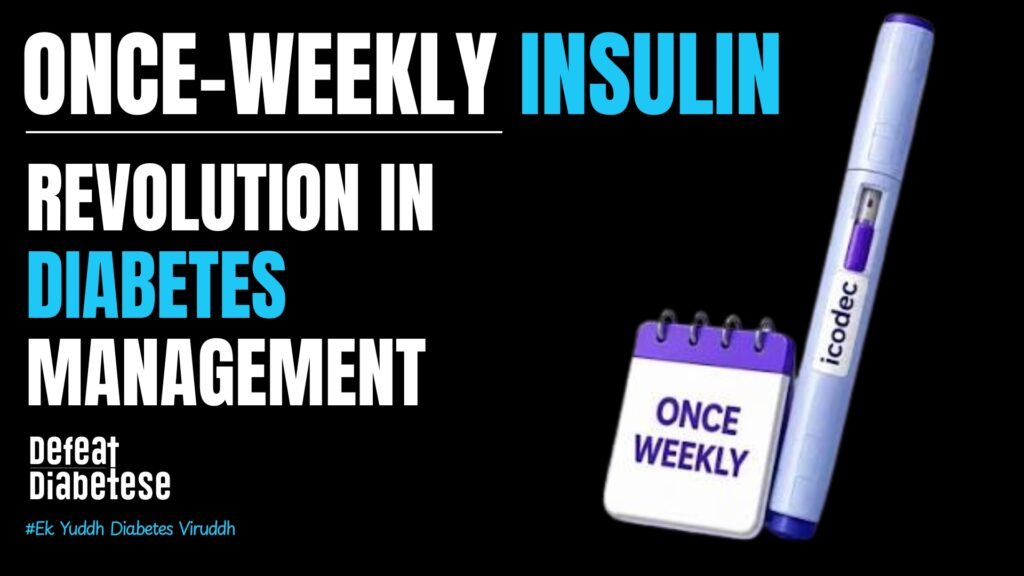
Once weekly insulin icodec india launch details explained by Dr. Prakash Kurmi

Once Weekly Insulin: 5 Scientific Facts About the 52-Shot Revolution

Once Weekly Insulin: The 52 Shot Revolution The recent landscape of metabolic medicine in India has just witnessed a historic milestone with the launch of the world’s first once weekly insulin. In my 30 years of clinical legacy at Shivam Hospital in Ahmedabad, the biggest barrier to effective blood sugar control has never been the cost or availability of medicine—it has always been compliance. The psychological dread of piercing oneself 365 times a year causes thousands of patients to skip doses, accelerating dangerous microvascular damage. At DEFEAT DIABETESE, we analyze global therapeutic advancements with rigorous scientific logic. To win this ek yuddh diabetese viruddh, we must dissect the cellular engineering behind this new baseline therapy, exploring how it serves as a powerful compliance tool while working toward our Vision 2040 mission. 1. What is Insulin Icodec? The Science of Slow Release To understand how once weekly insulin works, we must look at the structural molecular modifications that differentiate it from traditional daily basal insulin. The Albumin Binding Pocket: Mechanistically known as Insulin Icodec, this molecule has been engineered with a specific fatty acid side chain. When injected into the subcutaneous tissue, it immediately binds strongly but reversibly to albumin—the primary protein carrier in your blood plasma. The Repository Effect: This binding creates an internal “inactive reservoir” of insulin in the bloodstream. The Steady Leak: Over the span of 7 days, the insulin slowly and continuously detaches from the albumin in a highly regulated, gradual manner, maintaining a perfectly flat and stable baseline supply to clear circulating glucose. 2. Moving from 365 to 52 Injections: The Compliance Shift The primary clinical benefit of this Insulin Icodec India Launch is the dramatic structural reduction in user burden within a standard Type 2 Diabetes Injection Routine. Alleviating Injection Fatigue: Shifting from 365 needle pricks to just 52 a year removes a massive mental hurdle. Patients are far less likely to miss a weekly dose compared to a daily nighttime routine. Stable Overnight Baselines: Daily basal insulins often face variations in absorption, leading to unexpected fasting drops (hypoglycemia) or high morning surges. Because of its massive 7-day half-life, this molecule offers a highly predictable release curve, eliminating sudden daily rollercoasters. 3. The Crucial Distinction: Basal vs. Bolus Insulin As an analytical healthcare consumer, you must understand where this advancement fits into your overall clinical profile. The Background Worker: This weekly injection is purely a basal insulin, meaning its job is only to manage your baseline, fasting glucose levels throughout the day and night. The Mealtime Deficit: It is not a fast-acting bolus insulin. It cannot rapidly cover the heavy carbohydrate spikes caused by an unmanaged meal. Therefore, optimizing your nutritional architecture remains absolutely mandatory, even with advanced therapeutics. 4. Tracking the Hormonal Transition with Clinical Data At Defeat Diabetese, we do not let pharmaceutical upgrades replace strict diagnostic monitoring. Objective Lab Diagnostics: When a patient transitions to a weekly protocol under clinical supervision, we closely map their internal shifts via standardized fasting insulin assays, C-peptide levels, and high-sensitivity kidney filtration tracking. The Dashboard Mapping: By tracking these markers systematically on your Unified Health Dashboard, our medical team can dynamically verify how your liver’s glucose output responds to the steady-state molecule, ensuring a safe, stable path toward eventual metabolic remission. 5. 5 Rules for Navigating the Weekly Insulin Revolution Safely If you and your diabetologist decide to incorporate this advanced molecular tool, you must follow this clinical safety protocol strictly: Never Self-Medicate or Switch Abruptly: Transitioning from daily insulin to a weekly dose requires complex mathematical dose-conversion mapping based on your current unit requirements. This must be calculated exclusively by your expert medical team at Shivam Hospital. Fix a Strict Weekly Alarm: Choose a specific day of the week (e.g., every Sunday morning) and keep it completely fixed. Missing a weekly dose can cause severe metabolic instability. Prioritize Muscle Building: Insulin is an anabolic hormone. To prevent body fat gain while using therapeutic insulin, you must engage in regular resistance and strength training to make your muscles highly sensitive “sugar sponges.” Pair with Caloric Literacy: Do not treat a weekly injection as a license to indulge in processed street food. Advanced medicine works best when combined with a low-glycemic, fiber-first nutrition structure. Utilize It as a Temporary Bridge: Our ultimate objective for 10 million lives under Vision 2040 is lifestyle freedom. Use the clinical safety and glycemic stability provided by this weekly protocol as a launchpad to clear visceral fat and reverse insulin resistance naturally. 6. Frequently Asked Questions (FAQs) Q1: Is this weekly insulin suitable for Type 1 Diabetes patients? While it is primarily approved and highly effective for optimizing the lifestyle routines of Type 2 Diabetes patients, its usage for Type 1 Diabetes requires specialized multi-dose mapping combined with mealtime rapid insulins. Q2: Does once-weekly insulin increase the risk of low blood sugar (hypoglycemia)? Clinical trials indicate that due to its extremely smooth, gradual release mechanism, the risk of severe nocturnal hypoglycemia with Insulin Icodec is comparable to, or in some profiles lower than, traditional once-daily basal insulins. Q3: How does Dr. Prakash Kurmi’s legacy protocol integrate this advancement? With 30 years of medical expertise in Ahmedabad, we leverage the latest scientific breakthroughs as temporary metabolic anchors. We combine advanced pharmacology with rigorous lifestyle medicine to ensure your transition toward health is data-driven, safe, and permanent. Conclusion: Precision Over Legacy Patterns The arrival of once weekly insulin in India marks a monumental shift from archaic disease management to advanced cellular convenience. By replacing needle fatigue with data-backed lifestyle protocols, you can reclaim control over your future. Let us stand united in this ek yuddh diabetese viruddh to achieve our landmark Vision 2040 targets. ek yuddh diabetese viruddh. Visit us: www.defeatdiabetese.com    

Once Weekly Insulin: 5 Scientific Facts About the 52-Shot Revolution Read More »

Role of a diabetologist for diabetes and personalized diabetes care explained by Dr. Prakash Kurmi

Diabetologist for Diabetes: 5 Reasons You Need an Expert Guide

Diabetologist for Diabetes: The Guide Embarking on a metabolic remission or management journey without a specialized diabetologist for diabetes is like sailing a complex, stormy sea without an experienced captain. In my 30 years of clinical legacy in Ahmedabad, I have encountered thousands of patients who spent years relying on generic medical advice, internet lifestyle trends, or over-the-counter alternative supplements. By the time they step into Shivam Hospital, their baseline internal systems are heavily strained. At DEFEAT DIABETESE, we approach metabolic health through absolute clinical logic. To win this ek yuddh diabetese viruddh, you must realize that Type 2 Diabetes is not a simple, one-size-fits-all disease. It is a dynamic, multi-organ disorder that demands highly targeted, expert medical supervision to ensure safety and long-term success as we march toward our Vision 2040 milestone. 1. Decoding the True Role of a Diabetologist Many individuals believe that managing high sugar is simply about getting a prescription for a standard glucose-lowering pill. However, the comprehensive Role of a Diabetologist extends far beyond basic symptom management. Metabolic Specialization: While a general physician looks at your overall physical health, a Diabetologist is a dedicated specialist focusing purely on the endocrine system, cellular insulin pathways, and pancreatic health. Granular Data Analysis: A specialist doesn’t just read your absolute blood sugar numbers; they analyze the why behind those numbers. They evaluate your dynamic metabolic baseline, tracing how your liver, muscles, and gut interact to clear glucose. Dynamic Medicine Tapering: The ultimate goal of diabetes reversal is to safely minimize chemical dependency. Safely reducing or tapering off complex drugs like insulin secretagogues or advanced GLP-1 receptor agonists requires specialized clinical judgment to protect your pancreas from sudden rebound shocks. 2. The Power of Personalized Diabetes Care Your genetics, stress levels, work hours, and gut microbiome are completely unique to you. Therefore, generic internet protocols will always fail where Personalized Diabetes Care succeeds. Evaluating Pancreatic Reserve: Before changing a single habit, a diabetologist checks your actual internal health via advanced lab tests like C-Peptide and Fasting Insulin. This tells us exactly how much natural insulin your pancreatic beta cells are still capable of producing. Tailoring the Protocol: If your body is low on natural insulin production, a heavy low-carb diet or fasting window can backfire terribly. A specialist tailors your Type 2 Diabetes Reversal Diet and therapeutic support based on hard medical data, rather than guesswork. 3. Critical Complication Prevention in Diabetes The true danger of diabetes does not lie in the high blood glucose numbers themselves; it lies in what that excess sugar does to your delicate internal blood vessels over time. A core focus of expert care is Complication Prevention in Diabetes. The Silent Damagers: High floating glucose creates severe oxidative stress, silently damaging your kidneys (nephropathy), your eyes (retinopathy), and your nerves (neuropathy). Early Preventive Screening: A specialized diabetologist tracks structural cardiac biomarkers, kidney filtration rates (eGFR), and conducts regular foot sensitivity checks. Catching these microscopic blood vessel shifts early is the only way to prevent major long-term health crises before they even start. 4. Tracking Lifetime Progress via Clinical Dashboards At Defeat Diabetese, we blend historical medical wisdom with modern data-driven execution. Objective Tracking: We don’t rely on sporadic finger-prick tests once a month. We emphasize continuous, regular laboratory tracking of your structural lipid panels, inflammatory markers (like hs-CRP), and your overall HbA1c trajectory. The Dashboard Mapping: By feeding these parameters directly into your Unified Health Dashboard, our clinical team logs your metabolic shifts in real-time. This allows us to track the exact pace at which your cellular locks are unjamming under Dr. Prakash Kurmi’s legacy. 5. 5 Rules to Choose Your Medical Guide Wisely To ensure your diabetes journey moves away from permanent medication and toward true metabolic freedom, look for these parameters: Prioritize Deep Clinical Legacy: Look for a specialist with decades of active on-ground experience. Legacy brings the intuition required to decode complex metabolic mismatches instantly. Seek Reversal Mindset over Management: Choose a specialist who focuses on treating the root cause (visceral fat and insulin resistance) rather than just prescribing a stronger pill to mask the symptoms. Insist on Data-Driven Accountability: Your clinical partner should provide an ecosystem where your health metrics, food data, and laboratory results are tightly tracked and analyzed logically. Comprehensive Multi-Organ Focus: Ensure your expert team regularly evaluates your liver health, lipid profiles, and cardiovascular risk vectors alongside your standard glucose tracking. Unwavering Support Ecosystem: Diabetes remission takes time and structural discipline. Align with a care team that offers constant coaching and medical review, ensuring you are never left to figure out sudden biological shifts on your own. 6. Frequently Asked Questions (FAQs) Q1: Can my family physician handle my Type 2 Diabetes reversal journey? While a family physician is excellent for overall health, a specialized diabetologist possesses deeper diagnostic tools and training needed to decode complex cellular pathways and manage drug-tapering processes safely. Q2: How often should I consult my diabetologist during reversal? During the initial intensive phases of a lifestyle reversal protocol, a clinical review every 2 to 4 weeks is recommended to cross-verify your metabolic shifts and adjust medications as your health improves. Q3: How does the Defeat Diabetese legacy protocol stand out? Backed by 30 years of medical wisdom, we do not offer generic symptom suppression. We build a personalized, data-tracked clinical ecosystem around your unique biology, guiding you safely toward long-term metabolic independence. Conclusion: Partner with Precision Choosing a specialized diabetologist for diabetes is the single most important decision you will make for your health. Reversal is not an overnight miracle; it is a precise, scientific restructuring of your internal chemistry. By partnering with legacy experience and trusting data over trends, you can comfortably unjam your cells. Let us fight this ek yuddh diabetese viruddh with absolute confidence and achieve our grand Vision 2040 milestones together. ek yuddh diabetese viruddh. Visit us: www.defeatdiabetese.com

Diabetologist for Diabetes: 5 Reasons You Need an Expert Guide Read More »

How GLP-1 receptor works inside pancreatic beta cells explained by Dr. Prakash Kurmi

How GLP-1 Receptor Works: The Cellular Science of Reversing Spikes

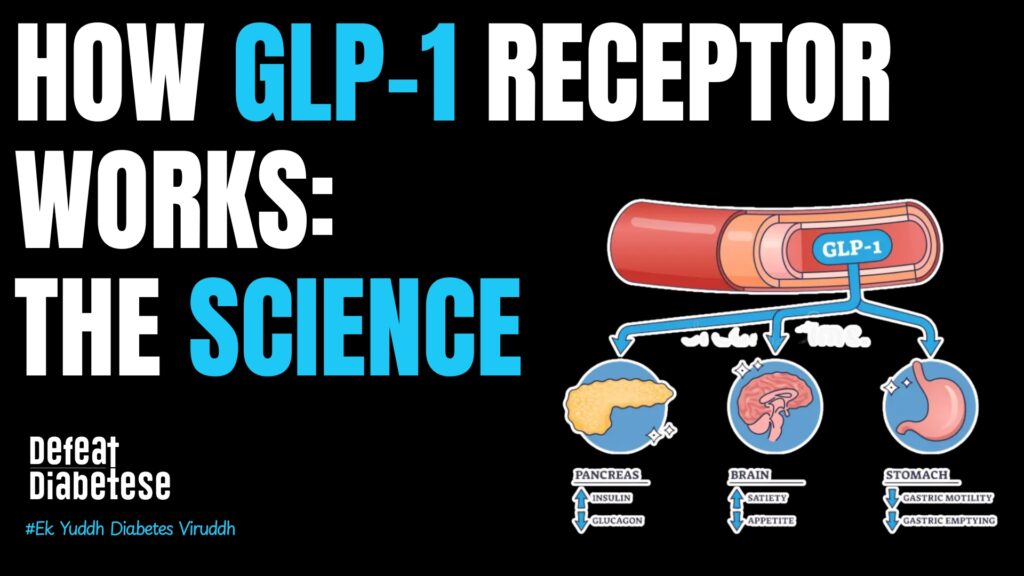
How GLP-1 Receptor Works: The Science To truly master Type 2 Diabetes reversal, one must move past basic carbohydrate counting and look closely at cellular communication. Understanding how GLP-1 receptor works is like getting the structural blueprint of your body’s natural blood sugar control room. In my 30 years of clinical legacy in Ahmedabad, I have watched diabetes care transform from a blunt tool approach into a era of high-precision molecular medicine. At DEFEAT DIABETESE, we believe that when a patient understands the deep scientific logic of their body, they transition from passive drug users to active leaders of their health. To win this ek yuddh diabetese viruddh, we must dissect the precise cellular steps of GLP-1 Receptor Activation, advancing our shared Vision 2040 mission of absolute health literacy. 1. The Lock and Key Mechanism: Cellular Activation At its core, understanding how GLP-1 receptor works is a classic biological story of a ligand binding to its target—essentially, a key finding its matching lock. The Receptor Structure: The GLP-1 receptor is a class B G-protein-coupled receptor (GPCR) that sits like a microscopic antenna protruding through the lipid membrane of your cells. These receptors are densely packed on pancreatic beta cells, inside the gastrointestinal tract, and within the hypothalamus of the brain. The Binding Event: The moment you ingest macronutrients, your lower intestinal L-cells secrete native GLP-1 peptides into the bloodstream. The Activation Cascade: When the GLP-1 molecule binds perfectly to its receptor, it forces a structural shift in the receptor’s shape. This shift triggers an internal enzyme called adenylate cyclase, which rapidly boosts the production of cyclic adenosine monophosphate ($cAMP$) inside the cell. Think of $cAMP$ as the ultimate secondary chemical messenger that turns on the cell’s main power grid. 2. The Pancreatic Protocol: Beta Cell Glucose Signaling The absolute magic of how this receptor operates takes place inside the pancreas, specifically governing the Beta Cell Glucose Signaling pathways. The High-Insulin Myth: Many older traditional diabetes treatments forcefully squeeze the pancreas to pump out insulin continuously, regardless of how much sugar is in your blood. This can lead to dangerous low blood sugar crashes (hypoglycemia). The Glucose-Dependent Trigger: When GLP-1 Receptor Activation elevates internal $cAMP$ levels, it alters the cell’s electrical potential. However, it strategically leaves the insulin gates closed until extracellular glucose levels cross a specific threshold (above 90 mg/dL). The Incretin Effect on Pancreas: Once glucose is actively detected, the receptor signals the immediate opening of calcium channels. Calcium floods into the cell, forcing the clean release of high-quality stored insulin. If there is no glucose in your blood, the receptor stays completely quiet, keeping you safe from sudden energy crashes. 3. Restoring the Liver’s Shut-Off Valve Beyond insulin production, the active signaling of this pathway solves one of the biggest issues in diabetic patients: an overactive liver. The Glucagon Problem: In Type 2 Diabetes, alpha cells in the pancreas constantly misfire, pumping out glucagon—a hormone that orders the liver to continuously make and dump new glucose into your blood, causing high fasting readings. The Immediate Block: When the GLP-1 receptor is successfully activated, it sends a powerful cross-signal to shut down alpha cell overactivity. By suppressing glucagon secretion, it effectively turns off the liver’s broken valve, stabilizing your morning sugar baselines. 4. Neurological Satiety and Gastric Slowdown The signaling mechanism doesn’t stop at the pancreas; it acts as a central communication line between your gut and your central nervous system. Delaying Gastric Transit: In the gut, receptor activation relaxes the muscles of the stomach lining. This slows down gastric emptying, ensuring that the food you digest enters the small intestine at a slow, manageable pace. This gradual absorption completely eliminates sharp post-meal blood sugar surges. Muting Brain Cravings: In the brain’s hypothalamus, receptor activation triggers specific neurons that signal absolute fullness. It switches off the constant, exhausting neurological “food noise” and compulsive carbohydrate cravings, allowing for effortless, therapeutic weight loss. 5. 5 Scientific Steps to Optimize Your Receptor Pathway While modern advanced pharmaceuticals copy this pathway, you can enhance your natural receptor efficiency through targeted lifestyle protocols: Protect Cellular Membranes: Receptors are built into your cell walls. Eliminate highly processed seed oils and trans fats from your diet, as they alter cell fluidity, literally blinding your receptors to your body’s natural hormones. Fiber-Driven Pre-Loading: Consuming 10-15 grams of soluble fiber (like psyllium husk or green vegetables) 15 minutes before your main meal naturally triggers your lower gut to secrete native incretins early, priming your receptors before carbs hit the bloodstream. Optimize Pancreatic Rest: Constantly grazing on food throughout the day keeps your cellular pathways continuously exhausted. Adopting a structured eating window allows your receptors to clean and recalibrate their sensitivity. Track Your Bio-Markers: Never guess your health progress. By monitoring regular diagnostic indicators like fasting insulin and HbA1c trajectory, logged systematically on your Unified Health Dashboard, our medical team can track the return of your metabolic flexibility. Seek Expert Legacy Guidance: Advanced metabolic mapping at Shivam Hospital ensures that any clinical protocols targeting these cellular pathways are perfectly tailored to your unique pancreatic reserve and genetic baseline. 6. Frequently Asked Questions (FAQs) Q1: Can someone have damaged or unresponsive GLP-1 receptors? Yes. Chronic, low-grade systemic inflammation and high visceral fat accumulation can cause receptor desensitization, where your body produces natural GLP-1, but the cellular antennas fail to pick up the signal. Q2: What is the main difference between natural GLP-1 action and drug action? Your body’s natural GLP-1 is destroyed by an enzyme called DPP-4 within 2 minutes. Synthetic drugs are structurally altered twins that resist this enzyme, keeping the receptor continuously activated for days to accelerate cellular recovery. Q3: How does the Defeat Diabetese protocol approach this science? Backed by 30 years of clinical wisdom, we treat receptor health as the holy grail of lifestyle medicine. Our goal is to fix your cellular environment through precise data and nutrition, so your body’s native communication channels eventually take back permanent control. Conclusion: Rebuild Your Communication Lines Learning

How GLP-1 Receptor Works: The Cellular Science of Reversing Spikes Read More »

Diabetes in monsoon risks and diabetic foot care tips explained by Dr. Prakash Kurmi

Diabetes in Monsoon: 5 Critical Steps to Prevent Foot Infections

Diabetes in Monsoon: The Shield Mastering diabetes in monsoon is a matter of extreme medical urgency for millions of individuals across India. In my 30 years of clinical legacy at Shivam Hospital in Ahmedabad, I have seen severe foot infection cases peak significantly between July and September. The romantic rain brings with it a massive spike in humidity, dampness, and waterborne pathogens that view a diabetic body as an easy target. At DEFEAT DIABETESE, we believe that preventive education is our strongest weapon in this ek yuddh diabetese viruddh. This seasonal guide outlines the exact physiological dangers of rainwater exposure and provides actionable strategies to protect your health, keeping you firmly on the path toward our shared Vision 2040 milestones. 1. The Rainwater Hazard: How It Triggers Diabetic Foot The most critical concern during diabetes in monsoon is the high risk of Preventing Diabetic Foot Infection. Walking through stagnant rainwater or mud is not just unhygienic—it is a direct medical emergency for a diabetic patient. The Neuropathy Blocker: Chronic high blood sugar damages the micro-blood vessels and nerves in your feet (peripheral neuropathy). This means you might step on a sharp stone, a piece of glass, or a thorn in murky rainwater and never even feel it. The Pathogen Breeding Ground: Monsoon water is heavily contaminated with bacteria and fungi. When this toxic water seeps into your skin through small cracks, cuts, or waterlogged toes, it bypasses your immune defense system immediately. The Healing Failure: Because high sugar impairs blood circulation, your body cannot deliver infection-fighting white blood cells to your extremities. A minor scratch from walking in rainwater can rapidly escalate into a deep, non-healing ulcer, leading down the dangerous path of a diabetic foot emergency. 2. The Hidden Surge: Monsoon Infections and Blood Sugar Monsoon comes with a wave of seasonal illnesses like dengue, malaria, typhoid, and gastroenteritis. For a diabetic individual, any infection acts as a direct metabolic trigger. The Hormonal Overdrive: When your body fights a monsoon virus or bacteria, your immune system releases stress hormones like cortisol and adrenaline. The Liver Spike: Cortisol blocks insulin receptors and forces the liver to dump stored glucose into your blood. Even if you are eating perfectly clean food, a simple monsoon fever will cause your blood sugar numbers to skyrocket. 3. The Fungal Trap: Humidity and Your Skin High humidity levels during the rainy season create the absolute perfect environment for dermatological and fungal infections, particularly Tinea (ringworm) and Candida (yeast infections). Interdigital Micro-Cracks: Sweat and moisture get trapped between the toes. This constant dampness softens the skin, causing it to peel and crack open naturally. The Entry Point: These tiny skin breaks act as open doorways for deep-seated bacterial infections that can spread up the leg, a clinical condition known as cellulitis. 4. Tracking Seasonal Shifts with Clinical Data At Defeat Diabetese, we replace old-school guesswork with continuous diagnostic tracking. The Laboratory Defense: During seasonal transitions, we closely monitor our patients’ baseline markers. Tracking blood parameters like Fasting Insulin, HbA1c trajectory, and inflammatory markers tells us exactly how your immune system is holding up against the monsoon stress. The Dashboard Mapping: By looking at your health history logged on the Unified Health Dashboard, our medical team can customize your nutrition and recovery window dynamically, ensuring your metabolic health remains stable despite the physical stress of the season. 5. 5 Golden Rules for Diabetic Foot Care Tips in Monsoon To protect your body from severe seasonal complications and maintain your path toward true remission, implement this protocol strictly: Zero Tolerance for Barefoot Walking: Never walk barefoot indoors or outdoors, especially in wet areas. Invest in specialized, breathable waterproof diabetic footwear that protects your soles completely from sharp objects. The Wash and Dry Protocol: If your feet get wet in rainwater, wash them immediately with a mild antiseptic soap and clean tap water. Use a soft, dry towel to wipe them down, paying extreme attention to the spaces between your toes. Keep those gaps 100% dry. The Mirror Test: Inspect the bottom of your feet every single night under a bright light. Since neuropathy dulls pain perception, use a mirror or ask a family member to check for early signs of redness, blisters, peeling skin, or tiny cuts. Moisturize Safely: Apply a thin layer of moisturizing cream or pure coconut oil on your feet to prevent dry cracks. However, never apply cream between your toes, as trapped moisture will breed fungal infections instantly. Immune-Boosting Nutrition: Your Type 2 Diabetes Reversal Diet during monsoon should feature antioxidant-rich foods like turmeric, garlic, ginger, and green leafy vegetables. Avoid raw salads or street food during rains to eliminate the risk of waterborne stomach infections. 6. Frequently Asked Questions (FAQs) Q1: What should I do if I notice a small cut on my foot after walking in rain? Clean it immediately with an antiseptic solution, apply a sterile dressing, and do not self-treat or wait for it to heal naturally. Visit your clinical team at Shivam Hospital within 24 hours to prevent it from turning into an ulcer. Q2: Why are my blood sugar levels higher when it rains continuously? Lack of outdoor movement and physical inactivity combined with high atmospheric humidity can elevate baseline stress levels, leading to higher glucose readings. Shift to indoor resistance training to maintain your routine. Q3: How does Dr. Prakash Kurmi’s protocol assist during monsoon? Backed by 30 years of medical wisdom, we provide specialized clinical guidance that pairs advanced wound-prevention protocols with digital habit tracking, ensuring you manage seasonal risks with absolute data-driven precision. Conclusion: Shield Your Metabolism Managing diabetes in monsoon requires a balance of absolute caution and scientific discipline. By honoring proper Diabetic Foot Care Tips and tracking your body’s signs logically, you can enjoy the season without compromising your health. Let us stay deeply committed to our Vision 2040 milestones and comfortably win this ek yuddh diabetese viruddh. ek yuddh diabetese viruddh. Visit us: www.defeatdiabetese.com

Diabetes in Monsoon: 5 Critical Steps to Prevent Foot Infections Read More »

What is GLP-1 hormone and natural GLP-1 release mechanism explained by Dr. Prakash Kurmi

What is GLP-1: 5 Hidden Facts About the Weight Loss Hormone

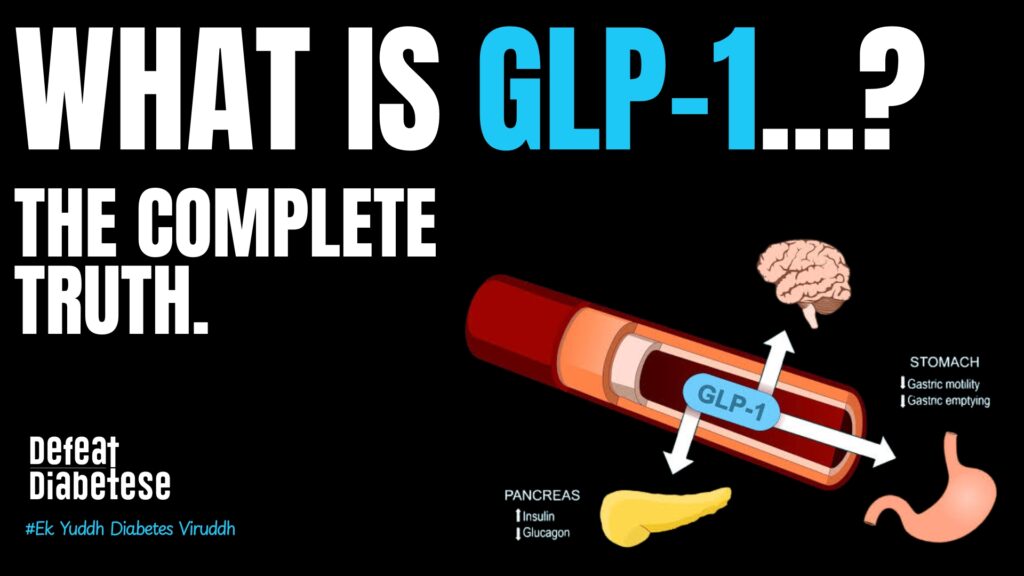
What is GLP-1: The Complete Truth If you have scrolled through social media or read a health journal recently, you have likely asked yourself: What is GLP-1 and why has it become the biggest obsession in modern medicine? In my 30 years of clinical legacy in Ahmedabad, I have seen many medical trends come and go, but the explosion of interest around this specific pathway is unprecedented. However, while the media portrays it as a recent lab-made miracle, the truth is that GLP-1 has been working inside your gut since the day you were born. At DEFEAT DIABETESE, our goal is to cut through the global hype with logic and data. To win this ek yuddh diabetese viruddh, you must understand how this natural biological messenger controls your blood sugar and appetite, advancing closer to our Vision 2040 mission of empowering millions with scientific health literacy. 1. The Biological Definition: Your Natural Gut Messenger To answer the core question—what is GLP-1—we must look at your digestive system. GLP-1 stands for Glucagon-Like Peptide-1. It is not a drug; it is a hormone. The Incretin Family: GLP-1 belongs to a group of metabolic gut signaling molecules called Incretin Hormones and Diabetes regulators. The Trigger: The moment you eat food—especially when healthy fats, proteins, and fibers reach your lower intestine—specialized cells called L-cells immediately secrete native GLP-1 directly into your bloodstream. The Mission: It acts as a primary dispatch rider, rushing to your pancreas, stomach, and brain to prepare your entire metabolism for the incoming nutrients. 2. The Pancreas Connection: The Smart Insulin Release The primary medical reason behind the global focus on GLP-1 is its highly sophisticated method of managing blood glucose levels. No Blind Shifting: Traditional diabetes medications often force your pancreas to pump out insulin continuously, which can lead to sudden, dangerous low blood sugar crashes (hypoglycemia). Glucose-Dependent Mechanism: Native GLP-1 is much smarter. It binds to the pancreas and instructs it to release insulin only if it detects active glucose floating in the bloodstream. If your sugar isn’t high, it doesn’t force insulin production. Shutting Down the Liver: Simultaneously, it stops the alpha cells in your pancreas from secreting glucagon, which effectively prevents your liver from dumping unnecessary, extra sugar into your blood. 3. The Brain Connection: The GLP-1 Weight Loss Secret Why is the fashion and corporate world in Ahmedabad talking about it? Because of the revolutionary GLP-1 Weight Loss Secret hidden inside your nervous system. Slowing Down the Stomach: GLP-1 acts as a brake pad for your stomach. It delays gastric emptying, meaning the food you eat stays in your stomach for a significantly longer duration. This ensures a slow, steady release of energy and completely wipes out sharp post-meal sugar spikes. Muting the “Food Noise”: More importantly, GLP-1 crosses directly into the brain’s hypothalamus—the command center for hunger. It turns off constant cravings, late-night snacking urges, and what neuroscientists call “food noise.” You feel completely full and satisfied with much smaller portions. 4. The Catch: The 120-Second Lifespan If our body already makes this miracle hormone, why do people need expensive weekly injections like Semaglutide? The Destroyer Enzyme: Your natural GLP-1 has a major design flaw—it is incredibly short-lived. An enzyme in your blood called DPP-4 hunts down and destroys natural GLP-1 within 2 minutes of its release. The Hype Explained: The famous weight-loss injections everyone is talking about are simply synthetic versions engineered to block the DPP-4 enzyme, allowing the hormone to stay active in your body for days instead of minutes. 5. 5 Rules to Boost Your Natural GLP-1 Release At Defeat Diabetese, we believe you don’t always need an external chemical crutch. You can optimize your Natural GLP-1 Release organically through data-backed lifestyle protocols: The Fiber-First Strategy: Soluble fiber (like chia seeds, flaxseeds, and green leafy vegetables) is the most potent natural trigger for gut L-cells. Eat your fiber 15 minutes before your main meal to activate your natural GLP-1 early. Incorporate Fermented Foods: Traditional Indian fermented items like fresh curd or home-made pickles support the gut microbiome, which directly increases the density of your GLP-1 producing cells. Prioritize Clean Protein: Amino acids from sources like paneer, sprouts, or lean protein strongly stimulate your gut receptors to release native incretin hormones. Avoid Ultra-Processed Sugars: Highly refined carbs and seed oils bypass the lower gut too quickly and fail to trigger the L-cells, leaving you constantly hungry and insulin-resistant. Track Your Laboratory Progress: Monitor your dynamic health transformation. By checking metabolic markers like HbA1c and fasting insulin, logged seamlessly on your Unified Health Dashboard, we can track the recovery of your natural metabolic signaling pathways under Dr. Prakash Kurmi’s legacy. 6. Frequently Asked Questions (FAQs) Q1: Is GLP-1 safe for everyone? Your body’s natural GLP-1 is perfectly safe and essential. However, if you are looking at synthetic versions (medications), they require strict medical evaluation at Shivam Hospital, as they are contraindicated for individuals with certain clinical histories, such as specific thyroid conditions. Q2: Can I permanently fix my GLP-1 levels without medicine? Yes. For early-stage Type 2 Diabetes and weight management, permanent structural changes to your nutrition and gut health can optimize your native hormone production, paving the way for sustainable reversal. Q3: How does the Defeat Diabetese legacy protocol apply this? With 30 years of medical wisdom, we use advanced therapeutics only as a temporary accelerator. Our core focus is to fix your dietary baseline so your body’s natural gut-brain communication takes over permanently.

What is GLP-1: 5 Hidden Facts About the Weight Loss Hormone Read More »

Stress and diabetes connection and cortisol effects on blood sugar explained by Dr. Prakash Kurmi

Stress and Diabetes: 5 Dangerous Ways Cortisol Spikes Blood Sugar

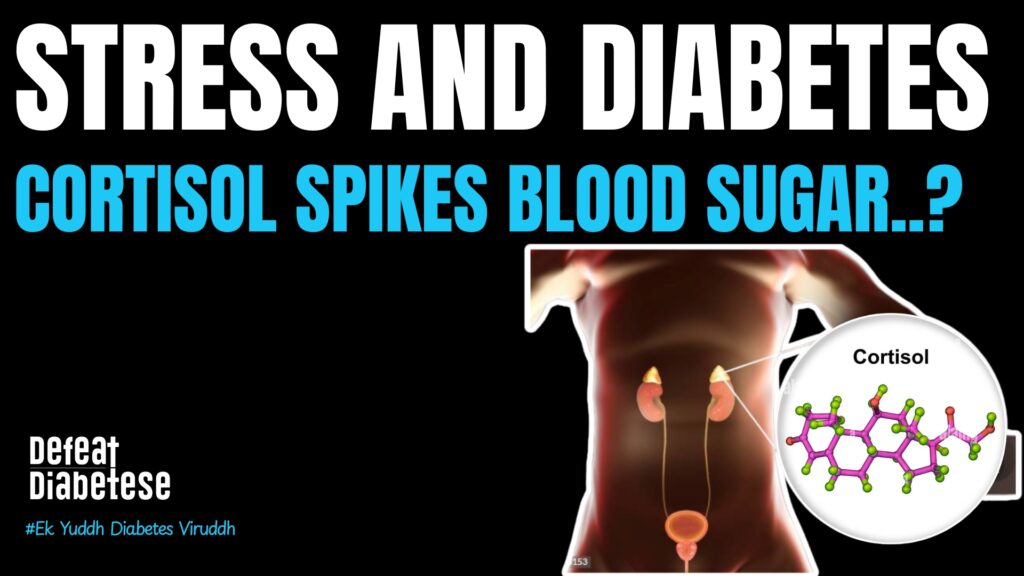
Stress and Diabetes: The Deadly Link Understanding the direct biological connection between stress and diabetes is the missing puzzle piece for thousands of professionals struggling with erratic blood glucose levels. In my 30 years of clinical legacy in Ahmedabad, I have met countless corporate executives who follow a strict low-carb diet, yet their fasting sugar remains stubbornly high. The culprit isn’t their kitchen; it is their mind. At DEFEAT DIABETESE, we analyze metabolic disorders through a complete physiological lens. To win this ek yuddh diabetese viruddh, we must expose how chronic anxiety and deadlines trigger hormonal chaos that directly jams your cellular insulin receptors. Our Vision 2040 mission is to empower you with the scientific knowledge required to reverse this damage naturally. 1. The Biology of Cortisol and Blood Sugar To understand why stress and diabetes are so tightly linked, we have to look at the human survival mechanism. When your brain perceives a threat—whether it’s a physical predator or a toxic workplace deadline—it signals the adrenal glands to flood the body with Cortisol and Blood Sugar regulating hormones. The Fight-or-Flight Response: Cortisol is an evolutionary survival hormone designed to give your muscles instant energy to run or fight. The Liver Dump: To provide this instant energy, cortisol immediately signals the liver to convert its stored glycogen into glucose and dump it rapidly into the bloodstream. The Muscle Blockade: Simultaneously, cortisol temporarily shuts down insulin receptors on your muscles. Why? Because the body wants that glucose to stay in the blood for immediate emergency use, rather than being stored away. In a prehistoric environment, you would burn off this sugar by running. But in a corporate chair, that extra glucose just floats in your blood, creating massive toxicity. 2. The Dawn Phenomenon: Why Fasting Sugar Spikes A major frustration for professionals focusing on Metabolic Health in Professionals is high morning readings, even after a zero-carb dinner. This is heavily driven by chronic stress disrupting your sleep architecture. The Midnight Cortisol Spike: When you undergo chronic work stress, your body fails to enter deep REM sleep. Around 3:00 AM to 4:00 AM, a stressed body releases an abnormally high surge of cortisol. The Morning Shock: By the time you wake up at 7:00 AM, your liver has been dumping glucose into your system for hours. This hormonal mismatch is why daytime stress directly translates into elevated fasting blood sugar the next morning. 3. The Vicious Cycle of Stress Eating and Belly Fat Chronic stress doesn’t just alter internal chemistry; it completely hijacks your behavioral patterns, turning stress and diabetes into a self-fulfilling trap. The Reward Center Trigger: High cortisol levels cross into the brain and actively suppress your satiety hormones while elevating ghrelin (the hunger hormone). It forces intense cravings for fast-acting, high-calorie carbohydrates—commonly known as “comfort food.” Visceral Fat Accumulation: Cortisol combined with high insulin tells the body to store fat primarily in the deep abdominal cavity (visceral fat). As we know, visceral fat acts like an active inflammation factory, further worsening cellular insulin resistance. 4. Tracking the Stress Shift with Clinical Benchmarks At Defeat Diabetese, we remove old-school guesswork by relying heavily on precise diagnostic timelines and systemic data tracking. Beyond Glucose Testing: When evaluating patients jaded by unexplained spikes, we don’t just test blood sugar. We track laboratory metrics like Fasting Insulin, High-Sensitivity C-Reactive Protein (hs-CRP) for inflammation, and Serum Cortisol levels. The Dashboard Mapping: By plotting these hormonal indicators on our Unified Health Dashboard, we can accurately distinguish between a dietary spike and a stress-induced spike. This allows us to customize your Type 2 Diabetes Reversal Diet dynamically based on your physical state. 5. 5 Rules for Work Stress Management and Reversal Achieving true metabolic remission requires protecting your nervous system. Implement this clinical stress-defense protocol strictly: The 4-7-8 Breathing Reset: Before every major meal, practice the 4-7-8 deep breathing technique for 2 minutes. This activates the vagus nerve, switching your body from sympathetic (stress) to parasympathetic (rest and digest) mode, significantly lowering post-meal cortisol spikes. Strategic Circadian Walking: Never sit continuously for hours at your office desk. A brief 10-minute stroll after lunch clears circulating glucose out of the bloodstream without requiring high insulin output. Strict Digital Sundown: Turn off all work emails, laptops, and blue-light screens by 9:00 PM. High blue-light exposure at night suppresses melatonin and triggers an unnatural spike in nocturnal cortisol. Adaptogenic Micronutrients: Under clinical guidance, optimize minerals like Magnesium Glycinate and Ashwagandha extract. These compounds safely soothe the adrenal system and improve sleep depth. Clinical Mind-Body Sync: Follow a structured guidance pathway under Dr. Prakash Kurmi’s legacy. Reversal isn’t just about changing what is on your plate; it is about managing the external stressors that disrupt your biological baseline. 6. Frequently Asked Questions (FAQs) Q1: Can stress alone cause a non-diabetic person to become diabetic? Yes. Prolonged, chronic emotional or physical stress keeps cortisol levels chronically elevated. Over months and years, this continuous baseline insulin resistance can exhaust the pancreas and lead to Type 2 Diabetes. Q2: Will meditation instantly drop my blood sugar numbers? While it won’t replace structural lifestyle changes overnight, acute relaxation techniques have been clinically proven to drop acute, stress-induced glucose spikes within 30 to 45 minutes by calming adrenaline output. Q3: How does the Defeat Diabetese ecosystem handle stress factors? Backed by 30 years of medical wisdom, we recognize that lifestyle medicine must address the mind. Our digital tracking maps your lifestyle habits against your clinical labs, helping you manage mental stress as a core medical metric. Conclusion: Reclaim Your Hormonal Balance The link between stress and diabetes proves that your body acts as a single, interconnected ecosystem. You cannot heal the metabolism while leaving the nervous system under constant attack. By embracing data-driven Work Stress Management and structured science, you can unlock your cells and secure long-term health. Let us march forward in this ek yuddh diabetese viruddh to achieve our landmark Vision 2040 victory. ek yuddh diabetese viruddh. Visit us: www.defeatdiabetese.com

Stress and Diabetes: 5 Dangerous Ways Cortisol Spikes Blood Sugar Read More »

GLP-1 receptor activation and insulin secretion mechanism explained by Dr. Prakash Kurmi

GLP-1 Receptor: 5 Scientific Facts on How It Controls Blood Sugar

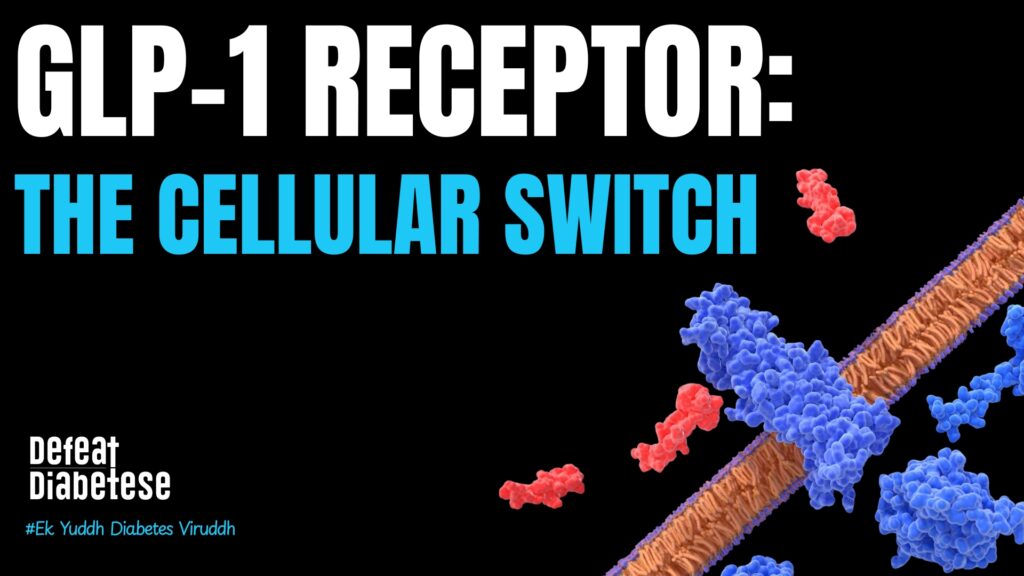
GLP-1 Receptor: The Cellular Switch Understanding the biological role of the GLP-1 Receptor is the key to unlocking the modern science of diabetes remission and metabolic control. In my 30 years of clinical legacy in Ahmedabad, I have seen the treatment of Type 2 Diabetes evolve from simply dumping internal insulin to fixing cellular signaling pathways. At DEFEAT DIABETESE, we believe that when a patient understands the “Why” behind their biology, they win half the battle. To win this ek yuddh diabetese viruddh, we must explore how this microscopic cellular switch dictates your hunger, your pancreas, and your blood sugar, advancing our Vision 2040 mission of scientific health literacy. 1. What is the GLP-1 Receptor? The Metabolic Antenna To simplify what the GLP-1 Receptor is, imagine it as a high-tech “Antenna” sitting on the surface of various cells in your body—specifically in your pancreas, stomach, and brain. The Incretin Pathway: When you consume a meal, your L-cells in the intestine release Incretin Hormones and Diabetes modulators, primarily raw GLP-1 peptide. The Lock and Key: This hormone travels through the bloodstream and binds perfectly to the GLP-1 receptor (the antenna). Once activated, this receptor sends a powerful signal inside the cell to completely alter how your body handles incoming energy. 2. The Pancreatic Impact: The Insulin Secretion Mechanism The most critical function of the GLP-1 Receptor takes place directly inside the beta cells of your pancreas, driving a highly sophisticated Insulin Secretion Mechanism. Glucose-Dependent Response: Unlike traditional diabetes medications that force the pancreas to pump insulin blindly (causing dangerous low blood sugar crashes), activating the GLP-1 receptor acts like a smart switch. It tells the pancreas: “Release insulin only if glucose is present in the blood.” Glucagon Control: Simultaneously, it binds to alpha cells to shut down the secretion of glucagon. This stops the liver from dumping unnecessary stored sugar into the blood during fasting or stressful hours. 3. The Gut and Brain Connection: Switching Off “Food Noise” The beauty of the GLP-1 Receptor is that it doesn’t just sit in the abdomen; it has a direct line of communication with the human central nervous system. Gastric Slowdown: When the receptors in the gastrointestinal tract are activated, they slow down gastric emptying. Food stays in your stomach longer, leading to a steady, gradual absorption of nutrients that eliminates sharp post-meal sugar spikes. Satiety Activation: In the brain (specifically the hypothalamus), activating these receptors turns off the constant neurological “food noise.” It signals absolute fullness, which naturally prevents overeating and directly drives therapeutic weight loss. 4. The Challenge: The 2-Minute Lifespan of Natural GLP-1 If this receptor is so powerful, why do diabetic patients still struggle? The answer lies in an enzyme called DPP-4. The Destroyer: Your body’s natural GLP-1 hormone is incredibly short-lived. Within 2 minutes of being released, the DPP-4 enzyme breaks it down completely, rendering it useless. The Modern Solution: This is where modern pharmaceutical advancements like GLP-1 Receptor Agonists come into play. These are synthetic twins designed to resist the DPP-4 enzyme, staying active in the body for days to keep the receptor continuously activated for cell repair. 5. 5 Clinical Rules to Maximize Your Receptor Health While advanced medications target this pathway, you can optimize your natural GLP-1 Receptor response through strategic lifestyle protocols: High-Fiber Pre-Loading: Eating soluble fiber (like chia seeds or green vegetables) 15 minutes before your main meal naturally stimulates your gut to release more native incretin hormones. Protect Receptor Sensitivity: Chronic systemic inflammation from highly processed seed oils damages cellular membranes. Stick to clean, organic fats to keep your cellular “antennas” sharp. Incorporate Quality Protein: Dietary protein is a potent trigger for natural GLP-1 release. Ensure every meal contains clean protein to maximize natural satiety signals. Regular Diagnostic Benchmarks: Track your metabolic shifts via regular HbA1c and fasting insulin tests. We log these clinical parameters on the Unified Health Dashboard to trace the gradual restoration of your metabolic flexibility. Clinical Supervision is Non-Negotiable: If you are prescribed synthetic versions to activate these receptors, it must be customized according to your unique pancreatic reserve, reviewed regularly at Shivam Hospital. 6. Frequently Asked Questions (FAQs) Q1: Does activating the GLP-1 receptor exhaust the pancreas over time? No. Research shows that GLP-1 receptor signaling actually protects pancreatic beta-cells from oxidative stress and apoptosis (cell death), helping preserve long-term insulin-producing capability. Q2: What is the difference between a DPP-4 Inhibitor and a GLP-1 Agonist? A DPP-4 inhibitor stops the destruction of your body’s own limited GLP-1, while a GLP-1 Agonist introduces a massive, long-acting synthetic supply to powerfully activate the receptors. Q3: How does Dr. Prakash Kurmi’s legacy protocol approach this? With 30 years of medical wisdom, we view receptor health as the ultimate target. We don’t want you to rely on external chemicals forever; our goal is to fix your cellular ecosystem so your body’s natural incretin pathways take over permanently. Conclusion: Reclaim Cellular Control The discovery of the GLP-1 Receptor pathway proved that diabetes management is about cellular communication, not just carb restriction. By aligning your lifestyle with scientific data, you can unjam your metabolism and reclaim your health. Let us stand united in this ek yuddh diabetese viruddh to reach our Vision 2040 milestones. ek yuddh diabetese viruddh. Visit us: www.defeatdiabetese.com

GLP-1 Receptor: 5 Scientific Facts on How It Controls Blood Sugar Read More »

Benefits of jamun for diabetes and antidiabetic properties of jamboline explained by Dr. Prakash Kurmi

Benefits of Jamun for Diabetes: 5 Scientific Facts You Must Know

Benefits of Jamun for Diabetes: The Science Exploring the medical benefits of jamun for diabetes reveals why this seasonal summer fruit is highly revered in both traditional healing and modern pharmacology. In my 30 years of clinical legacy in Ahmedabad, I have seen patients completely avoid fruits out of fear of sugar spikes. However, Jamun is a rare exception that actively works to fix your metabolism. At DEFEAT DIABETESE, we evaluate every dietary element through a strict logic-based scientific lens. To win this ek yuddh diabetese viruddh, we must understand the biochemical compounds inside Jamun that help unlock your cells and advance our Vision 2040 mission of chemical-free health. 1. The Jamboline Magic: Slowing Down Starch Conversion The primary medical reason behind the benefits of jamun for diabetes lies in two unique bioactive compounds found in its seeds and pulp: Jamboline (Jambosine) and Jambolin. The Starch Blocker: Jamboline is a powerful crystalline glycoside that possesses the unique ability to halt the pathological conversion of starch into glucose within your digestive tract. The Medical Benefit: By slowing down this conversion, Jamun ensures that the carbohydrates you consume do not enter your bloodstream as a sudden, massive wave of sugar. This directly reduces post-meal toxicity and gives your pancreas ample time to respond. 2. Boosting Natural Insulin Sensitivity via Ellagic Acid Jamun is packed with heavy antioxidants, specifically Ellagic acid, Gallic acid, and Anthocyanins, which provide profound Natural Insulin Sensitivity benefits. Clearing Oxidative Stress: Chronic high blood sugar creates massive oxidative stress inside your cells, which “jams” your insulin receptors. The high concentration of anthocyanins in Jamun acts as a cellular scavenger, wiping out this oxidative stress. Unjamming the Locks: Once this cellular inflammation is reduced, your insulin receptors become sensitive again. Your body can suddenly utilize its own natural insulin much more effectively, allowing glucose to enter the cells for energy instead of floating dangerously in your blood. 3. The Power of a Low Glycemic Index (GI) When designing a successful protocol, selecting Low Glycemic Index Fruits is critical. Jamun sits perfectly at the bottom of this list. The GI Score: Jamun has a remarkably low Glycemic Index (typically around 25 to 30), meaning it has minimal impact on baseline blood glucose. High Fiber Content: The rich dietary fiber present in the fruit pulp slows down gastric emptying. This ensures a slow, sustained release of nutrients rather than an immediate metabolic shock, making it an ideal snack for anyone aiming for long-term remission. 4. The Hidden Hero: Jamun Seed Powder (Beej Churna) In clinical medicine, the fruit is only half the story. The real therapeutic punch for diabetes management is packed tightly inside the discarded seed. Pancreatic Beta-Cell Protection: Scientific studies indicate that the extracts from Jamun seeds protect the beta-cells of the pancreas from damage. In fact, it actively stimulates these cells to produce optimal, high-quality insulin when required. The Clinical Benchmarks: When patients incorporate standardized Jamun seed powder into their routines, long-term diagnostic monitoring shows a steady decline in fasting blood glucose levels and a gradual stabilization of their overall HbA1c trajectory on the Unified Health Dashboard. 5. 5 Rules to Consume Jamun for Maximum Reversal To unlock the full scientific benefits of jamun for diabetes, you must follow a proper clinical protocol: Consume Whole Fruits, Avoid Juices: Always eat the whole fruit to preserve the structural fiber. Straining it into juice removes the fiber, concentrated fructose, and can cause a rapid sugar spike. The Seed Powder Protocol: Take 1 teaspoon of pure Jamun seed powder with warm water on an empty stomach in the morning to optimize fasting glucose levels. Portion Control is Key: Even with a low GI, excess fructose strains the liver. Limit your intake to a small cup (approx. 100-150 grams) per day during the summer season. Never Add Extra Salt or Sugar: Street vendors often sell Jamun laced with heavy black salt or sugar syrups. Consume them organic and clean to protect your blood pressure and kidneys. Pair with Strength Training: Eat your portion of Jamun 45 minutes before your resistance training session. The natural antioxidants combined with muscle movement turn your skeletal muscles into powerful “sugar sponges.” 6. Frequently Asked Questions (FAQs) Q1: Can Jamun completely replace my diabetes medications? No natural compound can instantly replace prescribed medicine. Jamun acts as a highly effective clinical accelerator. As your insulin sensitivity improves organically, your doctor at Shivam Hospital can safely taper down your dosages. Q2: Is Jamun safe for diabetic patients with kidney disease? Jamun is rich in potassium and specific oxalates. If you suffer from advanced diabetic nephropathy or chronic kidney disease (CKD), you must consult your clinical team before altering your intake. Q3: How does Dr. Prakash Kurmi’s legacy integrate this? With 30 years of medical experience in Gujarat, we bridge traditional botanical science with digital health monitoring. We track your metabolic responses dynamically, using natural superfoods to optimize your clinical metrics safely. Conclusion: Nature Backed by Logic The medicinal benefits of jamun for diabetes are a perfect example of why science should guide your nutrition. By understanding the cellular action of Jamboline and maximizing lifestyle habits, you can take complete control of your future. Let us stay focused on our Vision 2040 target and confidently win this ek yuddh diabetese viruddh. ek yuddh diabetese viruddh. Visit us: www.defeatdiabetese.com

Benefits of Jamun for Diabetes: 5 Scientific Facts You Must Know Read More »

loader

Doctor Partnership

Reach us

1
Scan the code