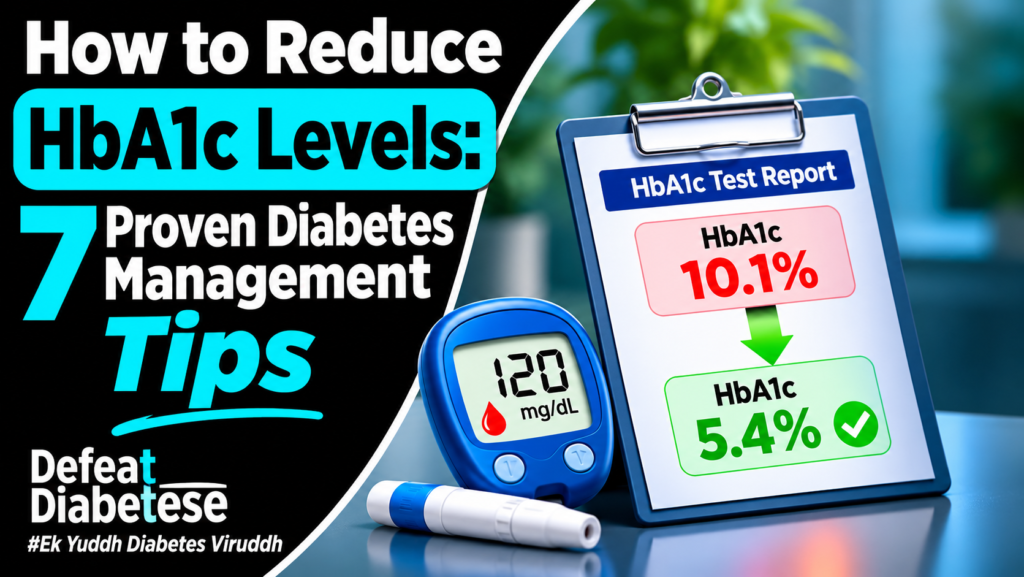
How to Reduce HbA1c Levels: 7 Proven Diabetes Management Tips
Introduction
Managing diabetes is not just about checking your blood sugar once a day. One of the most important indicators of long-term blood glucose management is your HbA1c level.
If you have diabetes, you may have heard your doctor discuss HbA1c results such as 7%, 8%, or 9%. But what do these numbers mean, and how can you improve them?
HbA1c, also called glycated haemoglobin, reflects your average blood glucose levels over approximately the past two to three months. Higher HbA1c levels generally indicate that blood sugar has remained elevated over time.
The good news is that many people can improve their HbA1c through consistent lifestyle changes, appropriate medications, regular monitoring, and professional medical guidance.
However, there is no single method that works for everyone. The right approach depends on your diabetes type, current HbA1c level, age, medications, other health conditions, and individual treatment goals.
If you are wondering how to reduce HbA1c levels, this guide explains seven evidence-based diabetes management strategies that can help you work towards healthier blood glucose levels.
What Is HbA1c and Why Is It Important?
HbA1c is a blood test that measures the percentage of haemoglobin in red blood cells that has glucose attached to it.
Because red blood cells typically circulate for around 120 days, the test provides an estimate of average blood glucose over the previous two to three months, with greater influence from recent weeks.
Unlike a single fasting or random blood glucose reading, HbA1c provides a broader picture of glucose exposure over time.
Understanding HbA1c Levels
| HbA1c Result | General Interpretation |
|---|---|
| Below 5.7% | Normal range |
| 5.7%–6.4% | Prediabetes range |
| 6.5% or higher | Diabetes range |
These are commonly used diagnostic thresholds for nonpregnant adults. Diagnosis generally requires confirmation unless there is unequivocal hyperglycaemia.
For many nonpregnant adults who already have diabetes, an HbA1c target below 7% is commonly recommended.
However, some people may benefit from lower targets, while others need less stringent targets because of hypoglycaemia risk, frailty, or other medical conditions.
Your doctor should help determine the safest target for you.
HbA1c is also not perfectly accurate in every situation. Anaemia, certain haemoglobin disorders, pregnancy, recent blood loss, and some kidney conditions can affect the result.
7 Proven Diabetes Management Tips to Reduce HbA1c Levels
1. Follow a Balanced, Diabetes-Friendly Diet
One of the most effective ways to support healthier blood glucose levels is to make consistent improvements to your eating habits.
Carbohydrates have a direct effect on blood sugar because they are broken down into glucose during digestion.
However, this does not mean that everyone with diabetes must completely avoid carbohydrates.
The goal is to choose nutritious carbohydrate sources, manage portions, and create balanced meals.
Practical dietary tips:
- Choose whole grains, vegetables, legumes, and other fibre-rich foods.
- Limit sugary beverages, sweets, and highly refined carbohydrates.
- Include suitable protein sources such as lentils, eggs, fish, tofu, or low-fat dairy.
- Add healthy fats from nuts, seeds, and appropriate oils.
- Pay attention to portion sizes and meal timing.
A useful approach is the diabetes plate method.
Fill approximately half your plate with non-starchy vegetables, one-quarter with protein, and one-quarter with carbohydrate-containing foods.
For Indian meals, this may mean combining a suitable portion of roti or rice with dal, vegetables, and protein.
The ideal portions depend on your nutritional requirements and glucose response.
Balanced meals and appropriate carbohydrate portions can reduce repeated post-meal glucose elevations.
Over time, improved glucose patterns may contribute to a lower HbA1c.
A registered dietitian can help create an individualised meal plan.
2. Make Regular Physical Activity Part of Your Routine
Physical activity is an important part of diabetes management.
When your muscles contract during exercise, they use glucose for energy. Regular activity can also improve insulin sensitivity.
This means your body may use available insulin more effectively.
Both aerobic exercise and resistance training can be beneficial.
Activities to consider:
- Brisk walking.
- Cycling.
- Swimming.
- Dancing.
- Resistance exercises.
- Yoga and flexibility activities as part of a broader fitness routine.
For many adults with diabetes, guidelines recommend at least 150 minutes of moderate-intensity aerobic activity per week, spread over several days.
Resistance training on two or three nonconsecutive days per week is also commonly recommended when appropriate.
If you are currently inactive, begin gradually.
Even short walks after meals can help reduce post-meal glucose rises.
How does it help HbA1c?
Regular exercise improves glucose utilisation and insulin sensitivity, potentially lowering average blood glucose over time.
Important precaution: People using insulin or certain glucose-lowering medicines may experience exercise-related hypoglycaemia.
Discuss exercise safety, glucose monitoring, and medication adjustments with your healthcare professional.
3. Work Towards a Healthy and Sustainable Body Weight
For people with type 2 diabetes who are overweight or living with obesity, appropriate weight reduction can improve insulin sensitivity and blood glucose management.
Excess body fat, particularly around the abdomen, is associated with insulin resistance.
When insulin resistance increases, the body may require more insulin to manage glucose effectively.
Sustainable weight management can help reduce this metabolic burden.
Practical strategies:
- Set realistic goals with your healthcare team.
- Focus on gradual, sustainable dietary changes.
- Combine suitable physical activity with balanced nutrition.
- Reduce frequent consumption of high-calorie, low-nutrient foods.
- Monitor progress without relying on extreme dieting.
For some people with type 2 diabetes, losing approximately 5%–10% of their initial body weight can provide meaningful metabolic benefits.
However, weight loss is not necessary or appropriate for everyone with diabetes.
People with type 1 diabetes, those who are underweight, and individuals with certain medical conditions may need different approaches.
How does it help HbA1c?
When appropriate, weight reduction may improve insulin sensitivity and reduce average glucose levels.
The focus should remain on long-term health rather than rapid weight loss.
4. Monitor Your Blood Sugar and Understand Glucose Patterns
HbA1c tells you about average glucose exposure, but it does not reveal every high or low reading.
Two people with the same HbA1c can have very different glucose patterns.
One person may experience relatively stable glucose levels, while another may have frequent highs and lows.
This is why regular glucose monitoring can be valuable.
Depending on your treatment plan, your healthcare professional may recommend a blood glucose meter or continuous glucose monitoring (CGM).
Useful monitoring habits:
- Check glucose at the times recommended by your doctor.
- Record fasting and post-meal readings when appropriate.
- Identify foods that consistently cause larger glucose rises.
- Observe the effects of exercise, illness, sleep, and stress.
- Discuss recurring high or low readings with your diabetes team.
For many nonpregnant adults with diabetes, common glucose targets include 80–130 mg/dL before meals and below 180 mg/dL one to two hours after the beginning of a meal.
These are general targets, not universal requirements.
Your individual goals may differ.
How does it help HbA1c?
Monitoring helps identify patterns that can guide changes in nutrition, activity, and treatment.
It is the appropriate response to those patterns—not simply testing more frequently—that improves glucose management.
5. Take Prescribed Diabetes Medications Consistently
Healthy eating and exercise are important, but many people also require medication to reach safe glucose targets.
Diabetes medications work through different mechanisms.
Some improve insulin sensitivity, some reduce glucose production, some increase glucose excretion, and others influence insulin secretion or replace insulin.
The appropriate treatment depends on your diabetes type and medical circumstances.
For people with type 1 diabetes, insulin treatment is essential.
People with type 2 diabetes may be prescribed medications such as metformin, GLP-1 receptor agonists, SGLT2 inhibitors, insulin, or other treatments.
Medication selection also considers heart health, kidney health, weight, hypoglycaemia risk, and cost.
Important medication habits:
- Take medicines exactly as prescribed.
- Avoid skipping doses without medical guidance.
- Discuss side effects with your healthcare professional.
- Review your treatment plan when glucose remains above target.
- Never stop insulin or other prescribed treatment simply because you are trying natural remedies.
How does it help HbA1c?
Appropriate medication use can reduce sustained hyperglycaemia and improve long-term glucose control.
If your HbA1c remains above your individual target despite consistent efforts, your doctor may recommend adjusting your treatment.
This is a normal part of diabetes management.
6. Improve Sleep Quality and Manage Stress
Sleep and emotional well-being can influence blood glucose regulation.
Insufficient sleep and disrupted sleep patterns may reduce insulin sensitivity and make diabetes management more difficult.
Stress can also affect glucose levels through hormones such as cortisol and adrenaline.
These hormones can increase glucose availability during stressful situations.
For some people, chronic stress may also affect eating habits, physical activity, and medication routines.
Practical tips for better sleep:
- Maintain a consistent bedtime and waking schedule.
- Aim for approximately seven to nine hours of sleep if you are an adult and this is appropriate for you.
- Reduce caffeine late in the day.
- Keep your sleeping environment comfortable.
- Discuss loud snoring, breathing interruptions, or persistent daytime sleepiness with your doctor.
Stress management strategies:
- Practise breathing exercises.
- Spend time outdoors.
- Include suitable physical activity.
- Maintain supportive social connections.
- Seek professional support when stress becomes overwhelming.
How does it help HbA1c?
Improved sleep and stress management may support healthier glucose patterns and make daily diabetes care more consistent.
These strategies complement medical treatment rather than replace it.
7. Get Regular HbA1c Tests and Review Your Diabetes Care Plan
One of the most important steps in lowering HbA1c is measuring progress and reviewing your treatment plan.
HbA1c usually changes gradually because it reflects glucose exposure over several weeks.
You may notice improvements in daily glucose readings before a substantial change appears in your HbA1c result.
For many people whose treatment is changing or whose glucose is above target, HbA1c testing approximately every three months is appropriate.
People with stable glucose management who consistently meet their goals may need testing less frequently, often around twice a year.
Your healthcare professional will determine the appropriate schedule.
During follow-up appointments, discuss:
- Your latest HbA1c result.
- Fasting and post-meal glucose patterns.
- Episodes of hypoglycaemia.
- Medication effectiveness and side effects.
- Changes in body weight, diet, or activity.
- Kidney health, blood pressure, cholesterol, and eye examinations.
How does it help HbA1c?
Regular review allows treatment to be adjusted when necessary and helps identify barriers to achieving your target.
Consistent follow-up is more effective than waiting until glucose levels become severely elevated.
How Long Does It Take to Reduce HbA1c?
One of the most common questions is whether HbA1c can improve within three months.
Because HbA1c reflects average glucose over approximately two to three months, meaningful improvements may become visible during that period.
However, the amount of improvement varies.
Factors influencing HbA1c changes include:
- Your starting HbA1c level.
- Type and duration of diabetes.
- Medication effectiveness.
- Consistency of nutrition and activity changes.
- Sleep, illness, stress, and other health conditions.
Some people experience substantial improvement after starting effective treatment, while others require more time or additional medication adjustments.
There is no guaranteed reduction that applies to everyone.
Avoid trying to lower HbA1c rapidly through extreme dieting, fasting, or unsupervised medication changes.
The safest goal is sustainable glucose management with minimal hypoglycaemia.
Common Mistakes That Can Make HbA1c Management Difficult
Even motivated people may struggle with HbA1c management.
Some common mistakes include relying only on fasting glucose readings, overlooking post-meal glucose patterns, skipping medications, following highly restrictive diets, and ignoring sleep or stress.
Another mistake is assuming that a single good glucose reading means diabetes is fully controlled.
HbA1c reflects longer-term glucose exposure, so consistency matters.
Likewise, an HbA1c result below target does not automatically mean treatment is optimal if frequent low glucose episodes are occurring.
The best diabetes management plan considers HbA1c, glucose variability, hypoglycaemia risk, and overall health.How to Reduce HbA1c LevelsHow to Reduce HbA1c Levels
Frequently Asked Questions (FAQs)
1. What is the fastest way to reduce HbA1c levels?
The most effective approach is an individualised combination of appropriate medication, balanced nutrition, physical activity, and glucose monitoring. There is no universally safe shortcut.How to Reduce HbA1c LevelsHow to Reduce HbA1c Levels
2. Can HbA1c decrease in three months?
Yes. HbA1c can improve over approximately three months when average glucose levels decrease. The amount of change varies between individuals.How to Reduce HbA1c LevelsHow to Reduce HbA1c Levels
3. Is an HbA1c of 7% good?
For many nonpregnant adults with diabetes, an HbA1c below 7% is a common treatment target. However, individual goals may be higher or lower depending on medical circumstances.
4. Can walking help lower HbA1c?
Yes. Regular walking can improve glucose utilisation and insulin sensitivity. Consistent physical activity may contribute to better HbA1c results.How to Reduce HbA1c LevelsHow to Reduce HbA1c Levels
5. Which foods help reduce HbA1c?
Fibre-rich vegetables, legumes, whole grains in appropriate portions, suitable protein sources, and minimally processed foods can support glucose management as part of a balanced diet.How to Reduce HbA1c LevelsHow to Reduce HbA1c Levels
6. Can HbA1c improve without medication?
Some people with type 2 diabetes may achieve improved glucose levels through lifestyle changes, but many require medication. People with type 1 diabetes need insulin. Never stop prescribed treatment without medical guidance.How to Reduce HbA1c LevelsHow to Reduce HbA1c Levels
7. How often should HbA1c be checked?
Testing is often recommended every three months when treatment is changing or targets are not being met, and approximately every six months when management is stable. Your doctor may recommend a different schedule.How to Reduce HbA1c LevelsHow to Reduce HbA1c Levels
Conclusion
Learning how to reduce HbA1c levels is an important step towards effective long-term diabetes management.How to Reduce HbA1c LevelsHow to Reduce HbA1c Levels
A balanced diet, regular physical activity, sustainable weight management when appropriate, glucose monitoring, prescribed medications, quality sleep, and regular medical reviews can all contribute to better blood sugar control.How to Reduce HbA1c LevelsHow to Reduce HbA1c Levels
However, successful diabetes management is not about achieving the lowest possible HbA1c number at any cost.How to Reduce HbA1c LevelsHow to Reduce HbA1c Levels
The goal is to maintain glucose levels within an individualised target range while avoiding hypoglycaemia and protecting long-term health.How to Reduce HbA1c LevelsHow to Reduce HbA1c Levels
Small, consistent improvements often make a meaningful difference over time.How to Reduce HbA1c LevelsHow to Reduce HbA1c Levels
At Defeat Diabetese, we believe that understanding your HbA1c and taking informed action can help you build healthier habits and manage diabetes with greater confidence.How to Reduce HbA1c LevelsHow to Reduce HbA1c Levels
Start with one sustainable change today, follow your personalised treatment plan, and work towards better blood sugar control.
Medical Disclaimer: This article is for educational purposes only and does not replace professional medical advice, diagnosis, or treatment. HbA1c targets and diabetes treatment plans vary between individuals. Consult a qualified healthcare professional before changing medications, diet, or exercise routines.How to Reduce HbA1c LevelsHow to Reduce HbA1c Levels