November 2026

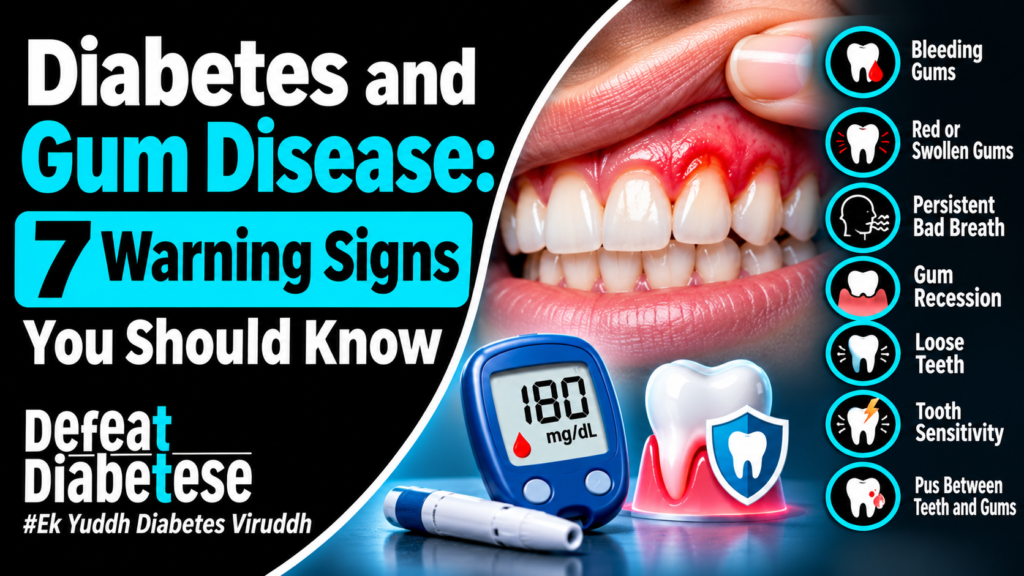
Diabetes and Gum Disease

Diabetes and Gum Disease: 7 Warning Signs You Should Know

Diabetes and Gum Disease: 7 Warning Signs You Should Know Introduction When people think about diabetes complications, they usually focus on the eyes, kidneys, heart and nerves. However, there is another important part of the body that often gets overlooked: the mouth. Diabetes can affect oral health in several ways, especially by increasing the risk of gum disease. People living with diabetes may be more likely to develop gum infections, experience dry mouth and face problems with healing. If these issues are ignored, they can gradually affect the gums, supporting bone and even the teeth. The relationship between diabetes and gum disease works in both directions. High blood sugar can make gum infections more likely and harder to control. At the same time, serious gum inflammation may make blood glucose levels more difficult to manage. According to the National Institute of Dental and Craniofacial Research (NIDCR), people with diabetes have a higher chance of developing periodontal disease, an infection affecting the gums and the tissues that support the teeth. The good news is that gum disease can often be prevented, detected early and treated with appropriate dental care. In this article, we will discuss 7 warning signs of gum disease in people with diabetes, explain why the two conditions are connected and share practical steps to protect your teeth and gums. How Are Diabetes and Gum Disease Connected? To understand the connection, it is important to know how high blood sugar affects the mouth. When blood glucose levels remain high, the body’s ability to fight infections can become less effective. This can make it easier for harmful bacteria to cause infections in the gums. Diabetes can also affect saliva production. Saliva helps wash away food particles, protect the teeth and control the growth of bacteria. When the mouth produces less saliva, the risk of dry mouth, tooth decay and gum problems may increase. Another important factor is inflammation. Gum disease develops when plaque, a sticky layer of bacteria, builds up around the teeth and irritates the gums. Without proper cleaning and treatment, the infection can progress and damage the tissues and bone that support the teeth. There are two major stages to understand: Gingivitis: The early stage of gum disease, usually involving red, swollen or bleeding gums. It can often be reversed with good oral hygiene and professional cleaning. Periodontitis: A more advanced infection that damages the tissues and bone supporting the teeth. The damage cannot generally be reversed, but professional treatment can help control the condition. This is why people with diabetes should make oral health an important part of their regular diabetes care. 7 Warning Signs of Gum Disease You Should Know Gum disease does not always cause pain in its early stages. Some people may not notice a problem until the infection becomes more advanced. Recognising the following warning signs can help you seek dental care sooner. 1. Bleeding Gums While Brushing or Flossing One of the earliest and most common warning signs of gum disease is bleeding during brushing or flossing. Healthy gums generally should not bleed regularly during normal oral hygiene. When plaque accumulates around the gumline, it can irritate the gum tissue and cause inflammation. As a result, the gums may become sensitive and bleed easily. People with diabetes should pay particular attention to repeated gum bleeding because high blood glucose can increase the risk of gum infections and make them more difficult to manage. Do not simply stop brushing the affected area because it bleeds. Gentle cleaning is important, but persistent bleeding should be evaluated by a dentist. 2. Red, Swollen or Tender Gums Healthy gums are generally firm and pink, although their natural colour can vary between individuals. If your gums appear unusually red, swollen or tender, it may indicate inflammation caused by plaque buildup. People with diabetes may be more vulnerable to gum infections, particularly when blood glucose levels are not well controlled. You may notice: Swelling around one or more teeth. Tenderness when touching the gums. Discomfort while brushing. A change in the normal appearance of your gums. These symptoms should not be ignored. Early gingivitis can often be treated successfully with improved oral hygiene and professional dental cleaning. 3. Persistent Bad Breath Bad breath occasionally happens to everyone, especially after eating certain foods or waking up in the morning. However, bad breath that continues despite regular brushing and cleaning may be a warning sign of an oral health problem. When bacteria accumulate around the teeth and gums, they can produce unpleasant-smelling substances. Gum infections, trapped food particles and poor oral hygiene can contribute to persistent bad breath. Diabetes-related dry mouth can also make the problem worse because saliva normally helps clean the mouth and control bacterial growth. If bad breath continues even after improving your oral hygiene, arrange a dental check-up to identify its cause. 4. Dry Mouth and Increased Thirst Dry mouth is another oral health problem that people with diabetes may experience. Saliva plays an important role in protecting the teeth and gums. It helps remove food particles, neutralise acids and reduce harmful bacterial activity. Diabetes and some medicines can reduce saliva production. High blood glucose may also contribute to dehydration and a dry feeling in the mouth. You may experience: A sticky or dry feeling inside the mouth. Difficulty swallowing dry foods. Frequent thirst. A burning sensation in the mouth. Increased risk of cavities and oral infections. Dry mouth is not the same as gum disease, but it can increase the risk of several dental problems. If dryness continues, speak with your doctor or dentist. They can help identify the cause and recommend appropriate treatment. 5. Gums Pulling Away From the Teeth Have you noticed that your teeth appear longer than they used to? This may happen when the gums begin to recede or pull away from the teeth. Gum recession can expose more of the tooth surface and sometimes the roots. It may also create spaces where bacteria and food particles can collect. In

Diabetes and Gum Disease: 7 Warning Signs You Should Know Read More »
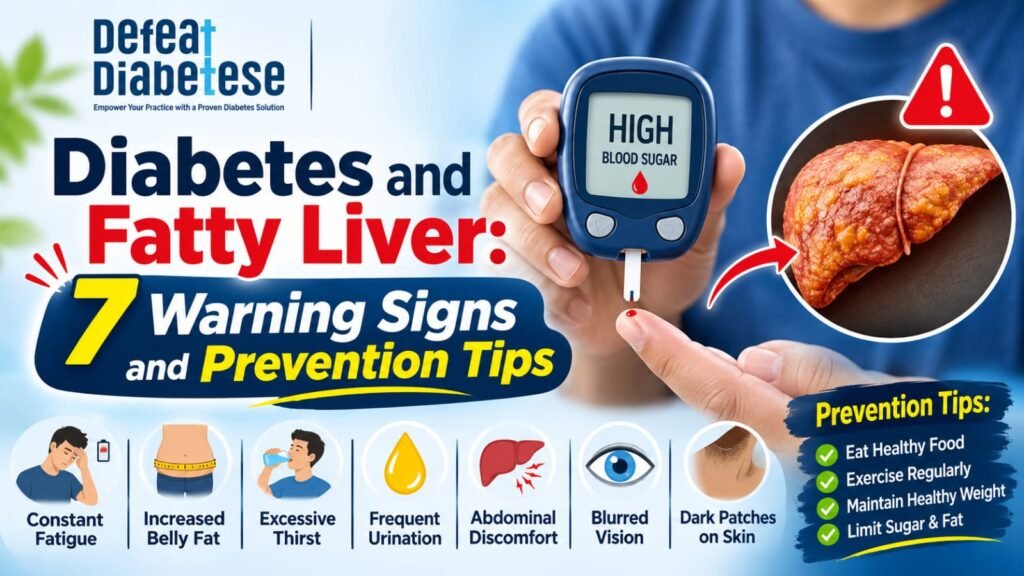
Diabetes and Fatty Liver: Warning Signs

Diabetes and Fatty Liver: 7 Warning Signs and Prevention Tips

Diabetes and Fatty Liver: 7 Warning Signs and Prevention Tips Introduction Diabetes affects more than blood sugar levels. It can also influence the health of several vital organs, including the liver. One condition that deserves special attention is fatty liver disease, particularly in people living with type 2 diabetes. The liver performs essential functions such as processing nutrients, storing energy, filtering harmful substances and supporting digestion. However, when excess fat accumulates inside liver cells, it can lead to fatty liver disease. The condition is now commonly known as metabolic dysfunction-associated steatotic liver disease (MASLD) when it is linked to metabolic risk factors such as insulin resistance, obesity and type 2 diabetes. It was previously called non-alcoholic fatty liver disease (NAFLD). The connection between diabetes and fatty liver is important because insulin resistance can encourage fat accumulation in the liver. At the same time, fatty liver can make blood sugar regulation more difficult. This creates a cycle that may increase the risk of long-term health complications. The challenge is that fatty liver often develops silently. Many people do not experience noticeable symptoms until the condition becomes more advanced. Understanding the possible warning signs and taking preventive steps can help protect both liver health and overall metabolic health. In this article, we will explore 7 warning signs of fatty liver in people with diabetes, why the two conditions are connected and practical ways to reduce the risk. How Are Diabetes and Fatty Liver Connected? Insulin is a hormone that helps the body use glucose for energy. In people with insulin resistance, the body’s cells do not respond effectively to insulin. As a result, the body may produce more insulin, and blood glucose levels can become difficult to control. Insulin resistance also affects how the liver handles fat. The liver may produce and store more fat than it can properly process, leading to fat accumulation. People with type 2 diabetes are at an increased risk of developing MASLD. Other shared risk factors include abdominal obesity, high triglycerides, high blood pressure and unhealthy cholesterol levels. Fatty liver can progress through different stages. In some people, fat accumulates without significant inflammation. In others, the condition may develop into metabolic dysfunction-associated steatohepatitis (MASH), where inflammation and liver cell injury occur. Continued damage can lead to fibrosis, cirrhosis and, in some cases, liver cancer. Not everyone with fatty liver develops serious liver damage. However, people with diabetes should take the condition seriously and discuss their liver health with a healthcare professional. 7 Warning Signs of Fatty Liver in People with Diabetes Fatty liver often has no obvious symptoms in its early stages. The following signs may occur in some people, but they are not specific to fatty liver and can have other causes. A medical evaluation is necessary to identify the reason. 1. Persistent Tiredness and Low Energy Feeling tired occasionally is normal. However, persistent fatigue or unusual weakness may deserve attention, especially when it continues despite adequate sleep and rest. Some people with fatty liver report feeling unusually tired or generally unwell. The exact reason for fatigue is not always clear, and it can also be related to high or low blood sugar, poor sleep, anaemia, thyroid problems or other health conditions. For someone living with diabetes, ongoing tiredness should not automatically be blamed on blood sugar fluctuations. Discuss persistent symptoms with a healthcare professional so that the underlying cause can be assessed. 2. Discomfort in the Upper Right Side of the Abdomen The liver is located in the upper-right part of the abdomen, beneath the rib cage. Some people with fatty liver may experience a dull ache, pressure or discomfort in this area. This discomfort may be mild and may not occur every day. In some cases, an enlarged liver can contribute to a feeling of fullness or pressure. However, abdominal discomfort is not proof of fatty liver. Gallbladder problems, digestive conditions and other liver disorders can cause similar symptoms. Severe or sudden abdominal pain requires prompt medical assessment. 3. Unexplained Loss of Appetite A reduced desire to eat can sometimes occur in people with liver disease, particularly when the condition becomes more advanced. A person may notice that they feel full quickly, have less interest in food or experience a general feeling of being unwell. In someone with diabetes, changes in appetite can also affect meal timing, medication routines and blood glucose management. Do not ignore a persistent loss of appetite, particularly if it occurs with nausea, abdominal discomfort or unexplained weight loss. A doctor can help determine whether the problem is related to the liver or another condition. 4. Unexplained Weight Loss Weight management is often part of diabetes care, and gradual, planned weight loss may improve metabolic health in people who have excess body weight. However, losing weight without trying is different. Unexplained weight loss may sometimes occur in advanced liver disease, but it can also be linked to uncontrolled diabetes, thyroid disorders, digestive problems and other medical conditions. If your weight is dropping without a clear reason, consult your healthcare professional. They may review your blood glucose levels, eating habits, medications and liver health. 5. Yellowing of the Skin or Eyes Yellowing of the skin or the whites of the eyes is known as jaundice. It occurs when bilirubin, a yellow substance produced during the normal breakdown of red blood cells, builds up in the body. Jaundice is not a typical early sign of simple fatty liver. It may indicate significant liver dysfunction or another condition affecting the liver, gallbladder or bile ducts. If you notice yellow eyes or skin, seek urgent medical assessment rather than waiting for the symptom to disappear. Dark urine, pale stools or widespread itching may also occur with certain liver or bile-related conditions. 6. Swelling in the Abdomen or Legs Swelling in the abdomen may occur when fluid accumulates inside the abdominal cavity, a condition called ascites. Swelling in the feet and legs can also develop in advanced liver disease. These symptoms may indicate serious

Diabetes and Fatty Liver: 7 Warning Signs and Prevention Tips Read More »

Why Does Blood Sugar Change During Travel – Traveler Checking Blood Glucose With a Glucometer

Why Does Blood Sugar Change During Travel? 7 Essential Tips

Why Does Blood Sugar Change During Travel? 7 Essential Management Tips Why does blood sugar change during travel? This is an important question for people living with Type 1 or Type 2 diabetes. Traveling can be exciting, whether you are planning a family vacation, business trip, pilgrimage, or international holiday. However, changes in routine can sometimes make blood glucose management more challenging. During travel, eating schedules, physical activity, sleep patterns, medication timing, and environmental conditions may change unexpectedly. Some people experience high blood sugar because of stress, prolonged sitting, unfamiliar meals, or missed medications. Others may develop low blood sugar after walking more than usual, delaying meals, or taking insulin without adequate food. Long-distance travel and different time zones can create additional challenges for people using insulin or certain diabetes medications. Fortunately, diabetes does not have to prevent anyone from enjoying travel. With appropriate preparation, regular monitoring, and a personalized treatment plan, many travel-related glucose problems can be managed safely. At Defeat Diabetese, we believe that practical diabetes education helps individuals maintain healthy routines wherever they go. In this article, we explain why blood sugar changes during travel, seven essential management tips, insulin storage precautions, healthy Indian travel-food options, and important emergency warning signs. How Does Travel Affect Blood Sugar Levels? Blood glucose is influenced by several factors, including food, medication, physical activity, stress, hormones, illness, and sleep. Travel often changes many of these factors simultaneously. For example, a person may wake up earlier than usual, skip breakfast to catch a flight, sit for several hours, and eat a large restaurant meal later in the day. Such changes can affect the balance between glucose entering the bloodstream and the action of insulin. Even enjoyable experiences, such as sightseeing or attending celebrations, can alter the body’s usual glucose patterns. People using insulin or medications that can cause hypoglycemia may need additional precautions. The important point is that glucose changes during travel are not always predictable. A well-prepared travel plan can help reduce unnecessary risks. 7 Common Reasons Blood Sugar Changes During Travel 1. Irregular Meal Timing Travel can disrupt normal eating schedules. Flight delays, traffic, long journeys, and changing routines may cause people to eat earlier or later than usual. Delayed meals may increase the risk of hypoglycemia among individuals using insulin or certain glucose-lowering tablets. On the other hand, eating large meals after long gaps may lead to significant post-meal glucose increases. Maintaining reasonable meal consistency can make diabetes management easier. 2. Unfamiliar Foods and Large Portions Trying new foods is an enjoyable part of traveling. However, restaurant meals and local dishes may contain unexpected amounts of carbohydrates, sugar, or fat. Large portions of rice, bread, sweets, or sugary beverages can influence blood glucose. Some meals containing substantial fat and protein may also cause delayed glucose increases. Carbohydrate awareness remains important when eating outside the home. 3. Increased or Reduced Physical Activity Physical activity can change considerably during travel. Sightseeing, hiking, shopping, or walking through airports may involve more movement than usual. Additional activity can lower blood glucose, particularly when combined with insulin or medicines that increase insulin production. Alternatively, long periods of sitting during car, train, or airplane journeys may contribute to higher glucose readings. 4. Travel Stress and Excitement Travel involves planning, schedules, unfamiliar environments, and unexpected situations. Stress may increase hormones such as cortisol and adrenaline. These hormones can stimulate glucose production and temporarily reduce insulin sensitivity. As a result, some people notice higher-than-usual glucose readings during stressful journeys. 5. Changes in Sleep Patterns Early departures, overnight journeys, jet lag, and unfamiliar sleeping environments may disrupt normal sleep. Insufficient sleep can affect insulin sensitivity, appetite, and daily decision-making. Sleep disruption may make glucose management less predictable. Maintaining healthy sleep habits is therefore useful even during holidays. 6. Changes in Medication Timing People who travel across time zones may need adjustments to medication schedules. This is particularly important for individuals using insulin. Traveling east shortens the clock day, while traveling west lengthens it. However, safe adjustments depend on the insulin formulation, dosing schedule, travel duration, and individual medical needs. Never independently change insulin doses based only on the direction of travel. 7. Weather Changes and Dehydration Traveling to hot or humid locations may increase sweating and fluid loss. Dehydration can complicate glucose management, particularly when blood sugar is already elevated. Extremely hot or cold temperatures can also damage insulin and some diabetes-monitoring supplies. Appropriate hydration and safe medication storage are essential. 7 Essential Blood Sugar Management Tips During Travel 1. Plan Your Diabetes Care Before Traveling Good travel preparation begins before leaving home. Arrange a healthcare appointment if you are planning international travel, a long journey, or activities that significantly change your routine. Discuss your glucose targets, medication schedule, and any necessary treatment adjustments. Ask your healthcare professional about insulin timing if your journey crosses several time zones. Check whether you need prescriptions, medical documents, vaccinations, or travel insurance. People using insulin pumps should discuss what to do if their equipment stops working. Practical Tip: Prepare a written travel diabetes management plan that includes medication instructions and emergency contacts. 2. Carry Extra Diabetes Medicines and Supplies Travel delays, lost luggage, and unexpected changes can create problems if supplies are limited. Pack enough diabetes medication, testing materials, and treatment supplies for the entire journey. The CDC recommends carrying approximately twice the medication and supplies you expect to need when possible. Important items may include insulin, tablets, glucose-testing strips, lancets, CGM sensors, pump supplies, and suitable backup equipment. Keep essential supplies in hand luggage rather than checked baggage during flights. Carrying prescriptions or a doctor’s letter may make security procedures easier. Practical Tip: Keep medicines, monitoring equipment, and emergency carbohydrates together in an easily accessible travel kit. 3. Monitor Blood Glucose More Frequently Regular glucose monitoring is particularly important when your routine changes. Check glucose according to your personalized treatment plan, especially around unfamiliar meals, additional physical activity, and symptoms of high or low blood sugar. People using continuous

Why Does Blood Sugar Change During Travel? 7 Essential Tips Read More »

Diabetes and Bone Health – Illustration of Human Bones and Blood Sugar Monitoring

Diabetes and Bone Health: 7 Serious Risks & Prevention Tips

Diabetes and Bone Health: 7 Serious Risks and Prevention Tips Diabetes and bone health have an important connection that many people overlook. Diabetes is commonly associated with complications affecting the heart, kidneys, eyes, and nerves. However, both Type 1 and Type 2 diabetes can also affect bone strength and increase the risk of fractures. Healthy bones are essential for movement, balance, and everyday activities. They provide structural support, protect vital organs, and store important minerals such as calcium and phosphorus. People with diabetes may experience changes in bone quality, increased fall risk, and other complications that make fractures more likely. Surprisingly, some people with Type 2 diabetes have normal or even higher bone mineral density but still experience an increased risk of fractures. This means that a normal bone density reading does not always tell the complete story about bone health. At Defeat Diabetese, we believe that understanding lesser-known diabetes complications can help people take appropriate preventive steps. In this article, we explore seven important risks associated with diabetes and bone health, common warning signs, recommended tests, and practical strategies for maintaining stronger bones. What Is the Connection Between Diabetes and Bone Health? Bones are living tissues that constantly undergo a process called bone remodeling. During this process, old bone tissue is removed and replaced with new bone. Several factors influence bone remodeling, including hormones, nutrition, physical activity, age, and metabolic health. Diabetes may interfere with this process through multiple mechanisms. Long-term elevated blood glucose can contribute to changes in collagen, an important structural component of bone. Advanced glycation end products may accumulate in bone collagen and affect its mechanical properties. Diabetes-related complications, including neuropathy and visual impairment, may also increase the likelihood of falling. Additionally, certain medications and associated medical conditions can influence fracture risk. Therefore, protecting bone health requires attention to both bone strength and fall prevention. How Do Type 1 and Type 2 Diabetes Affect Bones Differently? Type 1 Diabetes and Bone Health People with Type 1 diabetes may have lower bone mineral density and an increased risk of fractures. Several factors may contribute, including reduced bone formation, changes in insulin-related signaling, and the effects of diabetes complications. The risk can be influenced by diabetes duration, glucose management, and other health conditions. Type 2 Diabetes and Bone Health People with Type 2 diabetes may have normal or higher bone mineral density compared with people without diabetes. However, their bones can still be more vulnerable to fractures. This apparent contradiction may be explained by changes in bone quality, microarchitecture, and other factors not fully captured by standard bone density measurements. Both conditions therefore deserve individualized bone-health assessment. Diabetes and Bone Health: 7 Serious Risks 1. Increased Risk of Osteoporosis Osteoporosis is a condition in which bones become weaker and more likely to fracture. It may develop when bone breakdown exceeds new bone formation over time. People with diabetes can develop osteoporosis, particularly when additional risk factors are present. These include older age, menopause, low body weight, reduced physical activity, smoking, and certain medications. In Type 1 diabetes, lower bone mineral density may contribute to fracture risk. In Type 2 diabetes, fractures can occur even when bone density is not particularly low. Prevention Tip: Discuss bone-health assessment with your doctor, especially if you are older, have a previous fracture, or have other osteoporosis risk factors. 2. Higher Risk of Bone Fractures Research shows that both Type 1 and Type 2 diabetes are associated with increased fracture risk. Common fracture locations include the hip, spine, wrist, and ankle. A fracture may occur after a fall or relatively minor injury. The risk varies depending on age, diabetes type, duration, complications, and general health. Hip fractures are particularly concerning because they may lead to hospitalization, reduced mobility, and prolonged rehabilitation. Prevention Tip: Maintain appropriate physical activity, reduce fall hazards, and seek medical assessment after a low-trauma fracture. 3. Changes in Bone Quality and Strength Bone density measures the amount of mineral contained in bone, but it does not fully describe bone strength. Bone quality also depends on microarchitecture, collagen characteristics, and structural integrity. Long-standing diabetes may contribute to changes in these properties. This is particularly relevant to Type 2 diabetes, where bone density can appear reassuring despite increased fracture risk. Prevention Tip: Ask your doctor to assess your overall fracture risk rather than relying only on one bone density measurement. 4. Increased Risk of Falls Falls are an important contributor to fractures among people with diabetes. Several diabetes-related complications can increase fall risk. Peripheral neuropathy may reduce sensation in the feet, making it harder to detect changes in the walking surface. Vision problems can affect depth perception and awareness of obstacles. Hypoglycemia may cause dizziness, weakness, confusion, or loss of consciousness. Muscle weakness and certain medications may also contribute. Prevention Tip: Manage glucose safely, use supportive footwear, maintain good lighting at home, and discuss balance problems with a healthcare professional. 5. Slower Recovery After Fractures Diabetes may complicate recovery after certain fractures, particularly when glucose levels are poorly managed or other medical complications are present. High blood glucose can affect inflammation, circulation, immune function, and tissue repair. However, not everyone with diabetes experiences delayed bone healing. Recovery depends on fracture type, severity, treatment, nutrition, age, and overall health. Prevention Tip: Follow orthopedic advice, maintain appropriate glucose management, and obtain sufficient nutrition during recovery. 6. Bone Problems Associated With Kidney Disease Diabetes is a major risk factor for chronic kidney disease. The kidneys help regulate calcium, phosphorus, and vitamin D metabolism. When kidney function becomes significantly impaired, mineral and hormonal imbalances may affect bone strength. These problems are part of a condition called chronic kidney disease–mineral and bone disorder. Treatment differs from ordinary osteoporosis management and requires medical assessment. Prevention Tip: Attend recommended kidney function tests and avoid taking high-dose calcium or vitamin D supplements without medical advice, especially if you have kidney disease. 7. Medication-Related Fracture Risks Certain medications used by people with diabetes may influence bone or fall risk. For

Diabetes and Bone Health: 7 Serious Risks & Prevention Tips Read More »

Can Diabetes Cause Dry Eyes – 7 Warning Signs and Eye Care Tips

Can Diabetes Cause Dry Eyes? 7 Warning Signs & Care Tips

Can Diabetes Cause Dry Eyes? 7 Warning Symptoms and Effective Care Tips Can diabetes cause dry eyes? Yes, diabetes can increase the risk of dry eye disease, a condition that causes discomfort, irritation, and sometimes blurred vision. While many people know that diabetes can damage the retina and affect eyesight, fewer are aware that it can also interfere with the natural tear system. Healthy tears are essential for keeping the eyes comfortable, protecting the cornea, and maintaining clear vision. When the eyes produce insufficient tears or tears evaporate too quickly, dryness and irritation may develop. People with diabetes may experience dry eyes because of changes involving tear glands, corneal nerves, inflammation, and eyelid function. However, diabetes is not the only cause. Aging, medications, environmental conditions, and prolonged screen use can also contribute. At Defeat Diabetese, we believe that protecting eye health is an important part of comprehensive diabetes management. In this article, we explore seven warning symptoms of dry eyes, possible causes, treatment options, and practical tips for maintaining healthy vision. What Is Dry Eye Disease? Dry eye disease occurs when the eyes cannot maintain a healthy, stable tear film. Tears are more than just water. They contain oily, watery, and mucous components that help lubricate and protect the eye’s surface. The oily layer reduces evaporation, the watery layer provides moisture, and the mucous layer helps tears spread evenly. When one or more of these components do not function properly, the eyes may become dry, irritated, or uncomfortable. Dry eye disease generally involves two overlapping problems: Aqueous-deficient dry eye: The eyes do not produce enough watery tears. Evaporative dry eye: Tears evaporate too quickly, frequently because of problems with the oil-producing glands in the eyelids. Both types can occur in people with diabetes. Can Diabetes Cause Dry Eyes? Diabetes is an established risk factor for dry eye disease. Long-term metabolic changes may affect the glands and nerves responsible for maintaining a healthy tear film. Elevated blood glucose can contribute to inflammation, nerve dysfunction, and changes in the tissues surrounding the eyes. The lacrimal glands produce the watery component of tears, while the meibomian glands in the eyelids release oils that help prevent evaporation. Diabetes may interfere with the function of these glands. However, not everyone with diabetes develops dry eyes, and eye discomfort should not automatically be attributed to blood glucose. A comprehensive eye examination can help identify the cause. Why Are Dry Eyes More Common in People With Diabetes? Several mechanisms may contribute to dry eye symptoms. Changes in Tear Production Diabetes-related metabolic and nerve changes may interfere with normal lacrimal gland function, potentially reducing tear production. Corneal Nerve Dysfunction The cornea contains sensitive nerves that contribute to normal blinking and tear regulation. Diabetes-associated nerve changes may disturb these protective processes. Eyelid Oil Gland Problems The meibomian glands produce oils that help prevent rapid tear evaporation. When these glands become blocked or function poorly, the tear film may become unstable. Inflammation Inflammation can affect the surface of the eyes and the glands involved in tear production. Additional Risk Factors Age, hormonal changes, certain medicines, contact lens use, and dry environments may increase symptoms independently of diabetes. Recognizing these factors is important because treatment should address the underlying cause whenever possible. 7 Warning Symptoms of Dry Eyes in Diabetes Dry eye symptoms can range from mild irritation to discomfort that interferes with reading, work, and daily activities. 1. Burning or Stinging Sensation One of the most common symptoms is a burning or stinging feeling in the eyes. People may notice discomfort after working on a computer, sitting in an air-conditioned room, or spending time outdoors. An unstable tear film can leave the eye surface more vulnerable to irritation. Care Tip: Take regular screen breaks, avoid direct airflow toward your face, and ask an eye care professional about appropriate lubricating drops. 2. Redness and Irritation Dry eyes may appear red because the eye surface becomes irritated or inflamed. Redness can worsen after exposure to smoke, dust, pollution, or wind. However, red eyes may also indicate allergy, infection, injury, or other conditions. Care Tip: Avoid rubbing your eyes. Seek prompt evaluation if redness is accompanied by significant pain, light sensitivity, discharge, or changes in vision. 3. Blurred or Fluctuating Vision Healthy tears create a smooth optical surface that helps maintain clear vision. When the tear film becomes unstable, vision may temporarily blur, particularly during prolonged reading or screen use. Blinking may briefly improve clarity. However, blurred vision in diabetes can have other important causes, including glucose-related changes, cataracts, or diabetic retinopathy. Care Tip: Do not assume blurred vision is simply dryness. Arrange an eye examination, particularly if the symptom is persistent or new. 4. Feeling Something Is Stuck in Your Eye Some individuals describe a gritty, sandy, or scratchy sensation. It may feel as though a small particle is trapped beneath the eyelid. This can happen when the eye surface is inadequately lubricated. Care Tip: Avoid rubbing the eye or repeatedly touching it. If you suspect an actual foreign object or the sensation persists, seek professional assessment. 5. Excessive Watering Surprisingly, dry eyes can sometimes produce excessive tears. When dryness irritates the eye surface, the body may respond by producing reflex tears. These tears do not necessarily correct the underlying tear-film problem. As a result, someone may experience both dryness and watery eyes. Care Tip: Frequent watering with irritation should be evaluated rather than treated with random eye drops. 6. Sensitivity to Light Dry eye disease may make bright light uncomfortable. Some individuals notice irritation in sunlight, under strong indoor lighting, or while using screens. However, pronounced light sensitivity can also indicate more serious eye conditions. Care Tip: Wear appropriate sunglasses outdoors. Seek urgent medical assessment for severe light sensitivity, especially when associated with eye pain or redness. 7. Difficulty Wearing Contact Lenses Contact lenses interact with the tear film and the surface of the eyes. When tears are insufficient or unstable, lenses may become uncomfortable. People may notice dryness, irritation,

Can Diabetes Cause Dry Eyes? 7 Warning Signs & Care Tips Read More »

What Is Diabetes Burnout – Person Feeling Overwhelmed While Checking Blood Sugar

What Is Diabetes Burnout? 7 Warning Signs & Solutions

What Is Diabetes Burnout? 7 Warning Signs and Effective Coping Strategies What is diabetes burnout? Diabetes burnout is a state of emotional and mental exhaustion that can develop when the daily responsibilities of managing diabetes become overwhelming. Living with Type 1 or Type 2 diabetes involves many decisions. People may need to monitor blood glucose, take medication, plan meals, exercise, attend medical appointments, and respond to unexpected changes in their health. Over time, these responsibilities can become emotionally tiring. Some individuals begin feeling frustrated, discouraged, or disconnected from their diabetes care routines. This experience is often described as diabetes burnout. Although diabetes burnout is closely related to diabetes distress, it is not a formal medical diagnosis on its own. It can also overlap with depression or anxiety, which may require separate assessment and treatment. At Defeat Diabetese, we believe that emotional well-being deserves as much attention as physical health in diabetes management. In this article, we explain seven warning signs of diabetes burnout, its common causes, the difference between burnout and depression, and practical coping strategies. What Is Diabetes Burnout? Diabetes burnout describes physical, mental, or emotional exhaustion associated with the continuing demands of diabetes self-management. Someone experiencing burnout may understand the importance of managing diabetes but feel increasingly unable to maintain their usual routine. For example, a person may become tired of checking glucose levels, tracking food choices, or thinking about future health complications. They may also feel disappointed when glucose readings remain unpredictable despite considerable effort. Unlike temporary frustration, diabetes burnout may lead to withdrawal from essential self-care activities. Diabetes UK describes burnout as exhaustion that can develop from persistent diabetes-related distress and the effort involved in managing the condition. Recognizing these experiences is important because they can affect both emotional well-being and physical health. What Causes Diabetes Burnout? Diabetes burnout rarely develops because of a single event. It often results from several ongoing pressures. Continuous Self-Management Responsibilities Diabetes requires attention throughout everyday life. Blood glucose monitoring, medication schedules, meal planning, and exercise decisions may become mentally demanding. Unpredictable Blood Sugar Readings Glucose levels can change because of food, activity, stress, illness, medications, and hormonal factors. Unexpected readings may create frustration, particularly when a person has followed their treatment plan carefully. Fear of Diabetes Complications Concerns about kidney disease, nerve damage, eye problems, or heart disease can increase emotional pressure. Financial and Practical Challenges The cost of medication, glucose monitoring supplies, transport, and medical appointments may contribute to ongoing stress. Limited Emotional Support People who feel misunderstood by family members, friends, or healthcare professionals may experience greater difficulty managing diabetes-related challenges. Unrealistic Expectations Trying to achieve perfect glucose readings at all times can create unnecessary pressure. Diabetes management involves patterns and long-term progress, not perfect numbers every day. 7 Warning Signs of Diabetes Burnout Recognizing these signs early may help people seek appropriate support. 1. Feeling Constantly Overwhelmed by Diabetes One common sign of diabetes burnout is feeling emotionally exhausted by daily management responsibilities. A person may feel that diabetes requires attention during every meal, activity, and social occasion. Even simple decisions may begin to feel difficult. This emotional overload can reduce motivation and make routine tasks seem more demanding. Coping Strategy: Identify which responsibilities feel most stressful and discuss ways to simplify them with your diabetes care team. 2. Avoiding Blood Sugar Monitoring Some individuals begin delaying or avoiding glucose checks because they feel anxious or frustrated about the results. They may worry that an unexpected high reading will create additional disappointment. However, avoiding monitoring can make it harder to identify hypoglycemia, hyperglycemia, or other changes requiring attention. Coping Strategy: Ask your healthcare professional whether your monitoring schedule, glucose targets, or available technology can be adjusted to make the process more manageable. Continue essential safety monitoring according to your medical plan. 3. Losing Motivation to Follow Diabetes Routines Burnout may reduce motivation to take medication, prepare balanced meals, or maintain physical activity. A person may feel discouraged because their efforts do not always produce the results they expect. Skipping necessary insulin or other prescribed treatment can be dangerous. Coping Strategy: Focus on one manageable improvement rather than trying to change every habit simultaneously. Ask your healthcare team for help if you are struggling to follow essential treatment. 4. Feeling Frustrated or Angry About Diabetes People experiencing diabetes burnout may feel irritated, discouraged, or angry about the demands of their condition. They may resent needing to plan activities around meals, medicines, glucose checks, or appointments. These feelings may become stronger after unexpected setbacks. Coping Strategy: Express frustrations openly with a trusted person, diabetes educator, counselor, or healthcare professional. Discussing specific difficulties can help identify practical solutions. 5. Feeling Guilty About Blood Sugar Results Some people interpret glucose readings as personal success or failure. This can lead to self-criticism when readings fall outside the recommended range. However, blood glucose is influenced by many factors, including hormones, sleep, illness, and medication effectiveness. A glucose reading provides health information; it is not a judgment about someone’s character or effort. Coping Strategy: Focus on trends instead of individual numbers. Use glucose readings to guide treatment decisions with your healthcare team. 6. Withdrawing From Family and Social Activities Diabetes-related concerns may affect social confidence. Some individuals avoid celebrations, restaurants, travel, or family gatherings because they feel tired of managing food choices and glucose levels. Others may become less willing to discuss diabetes with people around them. Social withdrawal can increase isolation and emotional distress. Coping Strategy: Maintain supportive relationships and explain what kind of assistance would be helpful. Participation in social activities may become easier with practical planning and appropriate diabetes education. 7. Feeling Hopeless About Diabetes Management Persistent discouragement may cause someone to believe that their efforts cannot improve their health. They may feel emotionally disconnected from treatment or doubt their ability to manage diabetes. This is particularly important because hopelessness can also occur with depression. Coping Strategy: Seek professional assessment if hopelessness continues, affects everyday functioning, or leads to avoidance

What Is Diabetes Burnout? 7 Warning Signs & Solutions Read More »

How Does Dehydration Affect Diabetes – 7 Warning Signs and Hydration Tips

How Does Dehydration Affect Diabetes? 7 Warning Signs

How Does Dehydration Affect Diabetes? 7 Warning Signs and Prevention Tips How does dehydration affect diabetes? This is an important question for people living with Type 1 or Type 2 diabetes. While most people focus on food choices, medications, and physical activity, drinking enough fluids is another essential part of managing blood glucose and maintaining overall health. Dehydration occurs when the body loses more fluid than it takes in. Even mild dehydration may cause symptoms such as thirst, headache, tiredness, and reduced concentration. For people with diabetes, dehydration deserves particular attention because high blood sugar can increase urination and fluid loss. At the same time, losing too much water can make blood glucose more concentrated, potentially worsening hyperglycemia. Hot weather, illness, vomiting, diarrhea, and certain medications may increase dehydration risk. In severe cases, dehydration can contribute to dangerous diabetes-related emergencies. At Defeat Diabetese, we believe that understanding everyday health habits is essential for preventing complications and supporting better diabetes management. In this article, we explain the connection between dehydration and diabetes, seven important warning signs, possible complications, and practical hydration tips. What Is Dehydration? Dehydration happens when the amount of fluid leaving your body exceeds the amount you consume. Water is necessary for blood circulation, temperature regulation, digestion, and normal cellular function. The body constantly loses water through urine, breathing, sweating, and bowel movements. Normally, drinking fluids and eating water-containing foods helps replace these losses. However, dehydration may develop when fluid intake is inadequate or fluid losses become excessive. Common causes include hot weather, prolonged exercise, fever, vomiting, diarrhea, and increased urination. Dehydration can affect anyone, but people with diabetes may face additional challenges because glucose levels and certain diabetes-related conditions influence fluid balance. How Does Dehydration Affect Diabetes and Blood Sugar? Dehydration and diabetes can create a cycle that makes glucose management more difficult. When blood glucose becomes significantly elevated, the kidneys attempt to remove some of the excess glucose through urine. Glucose in the urine draws additional water with it. This process, called osmotic diuresis, can cause frequent urination and increased thirst. If the lost fluid is not replaced, dehydration may worsen. As fluid levels decrease, glucose may become more concentrated in the bloodstream. Illness and physical stress can further complicate the situation by increasing insulin resistance or changing medication requirements. This explains why a person may notice higher glucose readings during hot weather, illness, or inadequate fluid intake. However, dehydration does not always cause high blood sugar, and drinking water alone cannot treat every episode of hyperglycemia. Appropriate diabetes medication, monitoring, and medical guidance remain essential. Why Are People With Diabetes at Greater Risk of Dehydration? Several factors may increase dehydration risk in individuals with diabetes. Frequent Urination: Uncontrolled hyperglycemia can increase urinary glucose and water loss. Hot Weather: High temperatures increase sweating, and some diabetes-related nerve problems may interfere with normal cooling. Illness: Fever, diarrhea, and vomiting can cause rapid fluid loss. Medications: Some medicines, including diuretics and SGLT2 inhibitors, may increase urination or affect fluid balance. Reduced Thirst Awareness: Some older adults may not recognize or respond adequately to thirst. Physical Activity: Exercise can increase sweating, particularly in hot and humid environments. Recognizing these factors can help individuals make safer hydration decisions. 7 Warning Signs of Dehydration in Diabetes Dehydration symptoms can range from mild discomfort to serious medical complications. 1. Excessive Thirst Increased thirst is one of the most recognizable signs of dehydration. The body uses thirst as a signal that additional fluid may be needed. For people with diabetes, excessive thirst may also occur when high blood glucose increases urination. This means persistent thirst can indicate both inadequate hydration and elevated blood sugar. Prevention Tip: Drink water regularly and check blood glucose if thirst is unusual or accompanied by frequent urination. 2. Dry Mouth and Dry Lips A dry mouth may occur when the body does not have enough fluid. Some individuals notice sticky saliva, dry lips, or difficulty swallowing dry foods. However, dry mouth can also result from medications, mouth breathing, and other medical conditions. Prevention Tip: Take regular sips of water and avoid relying on sugary beverages for hydration. Persistent dry mouth should be assessed by a healthcare professional. 3. Dark Yellow Urine or Reduced Urination Urine color can provide a general indication of hydration status. Dark yellow urine may suggest that the body is conserving water. Reduced urine output can also indicate significant dehydration. However, medications, vitamins, and certain illnesses can affect urine appearance. People with high blood sugar may initially urinate frequently despite becoming dehydrated. Prevention Tip: Pay attention to meaningful changes in urine output, especially during illness or hot weather. Markedly reduced urination requires prompt medical assessment. 4. Dizziness and Lightheadedness Dehydration can reduce circulating blood volume and contribute to low blood pressure. This may cause dizziness, particularly when standing up. People with diabetes may also experience dizziness because of hypoglycemia, certain medications, or autonomic nerve damage. Prevention Tip: Sit down if you feel faint, check blood glucose when appropriate, and seek medical evaluation for persistent or severe dizziness. 5. Unusual Fatigue and Weakness Water is essential for maintaining circulation and normal body functions. When dehydration develops, some people experience tiredness, weakness, or reduced exercise tolerance. However, fatigue can also result from hyperglycemia, hypoglycemia, anemia, infection, or poor sleep. Prevention Tip: Maintain appropriate fluid intake and monitor glucose according to your diabetes treatment plan. 6. Headache and Difficulty Concentrating Inadequate hydration can contribute to headaches and changes in concentration. Some people report difficulty focusing or feeling mentally less alert. Significant glucose fluctuations may produce similar symptoms. Severe confusion is not a typical minor inconvenience and should never be ignored. Prevention Tip: Check hydration and glucose status, and seek urgent care for sudden confusion, unusual drowsiness, or other serious neurological symptoms. 7. Rapid Heartbeat or Severe Weakness More significant dehydration may cause the heart to beat faster as the body attempts to maintain circulation. A person may develop pronounced weakness, fainting, or low blood pressure. These symptoms can

How Does Dehydration Affect Diabetes? 7 Warning Signs Read More »

Diabetes and Vitamin B12 Deficiency – 7 Warning Signs

Diabetes and Vitamin B12 Deficiency: 7 Warning Signs

Diabetes and Vitamin B12 Deficiency: 7 Warning Symptoms You Should Know Diabetes and Vitamin B12 deficiency have an important connection that many people overlook. While diabetes is commonly associated with high blood sugar, heart disease, kidney problems, and nerve damage, nutritional deficiencies can also affect overall health. Vitamin B12 is an essential nutrient that helps maintain healthy nerves, produce red blood cells, and support normal brain function. People with diabetes may develop Vitamin B12 deficiency for several reasons, including dietary restrictions, absorption problems, and the long-term use of certain medications. One particularly important factor is metformin, a commonly prescribed medication for Type 2 diabetes. Research shows that long-term metformin use can reduce Vitamin B12 levels in some individuals. The risk may increase with higher doses and longer treatment duration. However, not everyone taking metformin develops a deficiency, and patients should not stop this important diabetes medication without medical advice. At Defeat Diabetese, we believe that understanding nutritional health is an essential part of comprehensive diabetes care. In this article, we explain seven important symptoms of Vitamin B12 deficiency, its connection with diabetes, recommended tests, treatment options, and practical prevention tips. What Is Vitamin B12 and Why Is It Important? Vitamin B12, also known as cobalamin, is a water-soluble vitamin that plays several essential roles in the body. It helps produce healthy red blood cells, supports normal nerve function, and contributes to DNA synthesis. Vitamin B12 also helps maintain myelin, the protective covering surrounding many nerves. When Vitamin B12 levels become too low, nerve function and red blood cell production may be affected. This can result in symptoms such as fatigue, numbness, tingling, concentration problems, and balance difficulties. Vitamin B12 is naturally present in animal-derived foods such as meat, fish, eggs, and dairy products. People following vegetarian or vegan diets may need particular attention to dietary B12 intake because unfortified plant foods generally do not provide reliable amounts. Importantly, Vitamin B12 deficiency can occur even without obvious anemia. What Is the Connection Between Diabetes and Vitamin B12 Deficiency? Diabetes does not automatically cause Vitamin B12 deficiency. However, some people with diabetes have additional factors that increase their risk. The relationship is especially important for individuals using metformin. Metformin improves glucose regulation primarily by reducing glucose production by the liver and improving the body’s response to insulin. It is widely used for Type 2 diabetes because of its effectiveness and established clinical benefits. However, metformin can interfere with Vitamin B12 absorption from the digestive system. The exact mechanisms are complex, but changes in calcium-dependent absorption of the Vitamin B12–intrinsic factor complex in the small intestine may contribute. Over time, reduced absorption can lead to lower B12 levels. The American Diabetes Association recommends considering periodic Vitamin B12 assessment in people receiving long-term metformin therapy, particularly those with anemia or peripheral neuropathy. This makes B12 awareness relevant to diabetes follow-up care. 7 Warning Symptoms of Vitamin B12 Deficiency in Diabetes Vitamin B12 deficiency may develop gradually, and symptoms can sometimes be mistaken for other diabetes-related problems. 1. Persistent Fatigue and Weakness Unusual tiredness is one of the commonly reported symptoms of Vitamin B12 deficiency. Vitamin B12 is required for normal red blood cell production. When deficiency causes anemia, the body’s ability to deliver oxygen efficiently may be reduced. This can contribute to weakness, tiredness, and reduced physical endurance. However, fatigue can also occur because of poor sleep, thyroid conditions, anemia from other causes, or poorly managed blood glucose. What to Do: If you experience persistent fatigue, discuss appropriate blood testing with your healthcare professional instead of assuming diabetes is the only cause. 2. Tingling or Numbness in Hands and Feet Vitamin B12 deficiency can affect peripheral nerves, causing tingling, numbness, burning sensations, or reduced sensation. These symptoms may resemble diabetic peripheral neuropathy. That similarity is especially important because people with diabetes may already be at risk of nerve damage. If B12 deficiency is overlooked, a potentially treatable contributor to nerve symptoms may remain undiagnosed. What to Do: Seek medical assessment for new or worsening tingling, numbness, or reduced sensation. Your clinician may recommend B12 testing and a neurological examination. 3. Difficulty Walking or Maintaining Balance Vitamin B12 deficiency can affect nerves involved in sensing body position and controlling coordinated movement. Some people experience unsteadiness, difficulty walking, or problems maintaining balance. In more severe cases, neurological problems may increase the risk of falls. These symptoms can also result from diabetic neuropathy, inner-ear disorders, medication effects, and other neurological conditions. What to Do: Do not ignore progressive balance difficulties. Seek prompt medical evaluation, particularly if symptoms are interfering with walking. 4. Memory Problems and Brain Fog Vitamin B12 deficiency can sometimes affect concentration, memory, and cognitive function. A person may experience difficulty focusing, slower thinking, or unusual forgetfulness. These symptoms are sometimes described as brain fog. However, memory problems are not specific to Vitamin B12 deficiency. Sleep disorders, depression, thyroid problems, medication effects, and other medical conditions may produce similar symptoms. What to Do: Discuss persistent cognitive changes with your doctor. Sudden confusion or stroke-like symptoms require emergency medical attention. 5. Pale Skin and Shortness of Breath Vitamin B12 deficiency can contribute to megaloblastic anemia, a condition in which the body produces abnormally large red blood cells that do not function normally. Possible symptoms include pale skin, reduced stamina, dizziness, and shortness of breath during activity. However, anemia has many possible causes, including iron deficiency, chronic kidney disease, and blood loss. What to Do: A complete blood count and other appropriate investigations can help identify anemia and its cause. 6. Sore Tongue and Mouth Problems A sore, smooth, or inflamed tongue is another possible sign of Vitamin B12 deficiency. This condition is called glossitis. Some people may also experience mouth discomfort or ulcers. However, oral symptoms can result from several nutritional deficiencies, infections, medication effects, and dental conditions. What to Do: Seek medical or dental advice for persistent tongue pain, swelling, or unusual oral changes. 7. Mood Changes and Irritability Vitamin B12 plays a role

Diabetes and Vitamin B12 Deficiency: 7 Warning Signs Read More »

Why Is Protein Important in Diabetes – Protein-Rich Foods and 7 Benefits

Why Is Protein Important in Diabetes? 7 Powerful Benefits

Why Is Protein Important in Diabetes? 7 Benefits and Precautions Why is protein important in diabetes? Protein is an essential nutrient that supports muscle health, tissue repair, immune function, and overall well-being. For people living with diabetes, including appropriate amounts of protein in a balanced diet can also help create satisfying meals and support healthy eating habits. Many people focus primarily on reducing sugar and carbohydrates after receiving a diabetes diagnosis. However, effective diabetes nutrition involves more than avoiding sweets. The right balance of protein, carbohydrates, healthy fats, fiber, and essential nutrients is important for long-term health. Protein-rich foods such as lentils, beans, eggs, tofu, paneer, fish, chicken, and unsweetened dairy products can be included in a diabetes-friendly eating plan. However, not all protein sources have the same nutritional value. Some contain significant amounts of carbohydrates, saturated fat, sodium, or added sugar. Excessive protein intake may also be unsuitable for people with certain kidney conditions. At Defeat Diabetese, we believe that understanding nutrition helps individuals make informed decisions about diabetes management. This guide explains seven important benefits of protein, recommended intake considerations, the best Indian protein-rich foods, essential precautions, and practical meal-planning tips. What Is Protein and Why Does Your Body Need It? Protein is one of the three major macronutrients, alongside carbohydrates and fats. It is made up of smaller components called amino acids, which are needed for numerous functions throughout the body. Protein helps maintain muscles, produce enzymes and hormones, repair tissues, and support immune responses. Unlike carbohydrates, protein generally does not cause a rapid increase in blood glucose when consumed on its own. However, the effect of protein on blood sugar is not completely neutral. Large amounts may influence glucose levels later, especially in people using insulin. In addition, many protein-rich foods contain carbohydrates. For example, lentils and chickpeas provide valuable protein but also contribute carbohydrates that must be considered in diabetes meal planning. The objective is not to consume unlimited protein. It is to obtain an appropriate amount from nutritious sources. Why Is Protein Important in Diabetes? Protein can be an important component of a balanced diabetes diet because it supports normal body functions while helping individuals plan nutritious meals. However, protein does not cure diabetes, eliminate the need for medication, or guarantee stable glucose levels. Its benefits depend on food quality, portion sizes, overall dietary pattern, and individual health requirements. The following seven benefits explain why protein deserves attention in diabetes nutrition. 7 Important Benefits of Protein in Diabetes 1. Protein Supports Muscle Health Muscles are important for movement, strength, balance, and metabolic health. They also play a significant role in glucose utilization. During physical activity, muscles use glucose for energy, helping support normal metabolic function. Adequate dietary protein provides amino acids needed for muscle maintenance and repair. This is particularly important for older adults, who may experience gradual age-related muscle loss. People with diabetes who are physically inactive, losing weight unintentionally, or recovering from illness may also require nutritional assessment. Practical Tip: Include a suitable protein source at meals and combine adequate nutrition with regular physical activity, including strength-building exercises when medically appropriate. 2. Protein May Help You Feel Fuller for Longer Protein contributes to satiety, the feeling of fullness after eating. A balanced meal containing adequate protein may help some people feel satisfied and reduce frequent snacking. For example, adding eggs, tofu, paneer, or unsweetened curd to breakfast may make the meal more satisfying than eating refined carbohydrates alone. However, the impact on appetite varies. Protein-rich foods still contribute calories, so adding large portions without considering total energy intake may not support weight-management goals. Practical Tip: Combine appropriate protein portions with vegetables, whole grains, and fiber-rich foods to support satisfying meals. 3. Protein Helps Build Balanced Blood Sugar-Friendly Meals Protein generally produces a smaller immediate glucose response than carbohydrate-rich foods. When included in mixed meals, it can influence digestion, satiety, and post-meal glucose patterns. For example, a meal containing vegetables, a suitable portion of roti, and a protein-rich dish may be more balanced than a large serving of refined carbohydrates alone. However, protein should not be viewed as a way to cancel out carbohydrates. Rice, roti, dal, fruit, and other carbohydrate-containing foods can still raise blood glucose. For individuals using insulin, mixed meals containing substantial protein and fat may sometimes cause delayed glucose changes. Practical Tip: Monitor individual glucose responses and follow your prescribed carbohydrate and insulin management plan. 4. Protein Supports Tissue Repair and Recovery Protein provides amino acids required to build and repair body tissues. Adequate nutrition is particularly important when recovering from illness, injury, or surgery. People with diabetes sometimes face challenges related to wound healing, especially when glucose levels are poorly managed or circulation is impaired. Protein deficiency may interfere with normal tissue repair. However, simply eating extra protein does not guarantee faster wound healing. Wound care also requires appropriate blood glucose management, infection prevention, adequate energy intake, and medical treatment when necessary. Practical Tip: If you have a persistent wound, seek medical care and ask whether nutritional assessment is appropriate. 5. Protein Supports Healthy Weight Management Maintaining an appropriate body weight can support insulin sensitivity and overall metabolic health in many people with Type 2 diabetes. Protein may help preserve lean body mass during weight loss when combined with adequate nutrition and suitable resistance exercise. It may also support satiety, making balanced meal planning easier for some individuals. However, high-protein diets are not automatically superior for everyone. Weight management depends on overall calorie intake, sustainable eating patterns, physical activity, and individual medical needs. Practical Tip: Focus on nutritious protein sources rather than relying on high-calorie protein snacks, supplements, or restrictive diets. 6. Protein Contributes to Immune Function The immune system relies on proteins to produce antibodies and maintain normal immune responses. Adequate protein intake is one component of good nutritional status. People with diabetes should pay attention to overall nutrition, particularly during periods of illness or reduced appetite. However, eating more protein than the body needs does

Why Is Protein Important in Diabetes? 7 Powerful Benefits Read More »

loader

Doctor Partnership

Reach us

1
Scan the code