November 2026

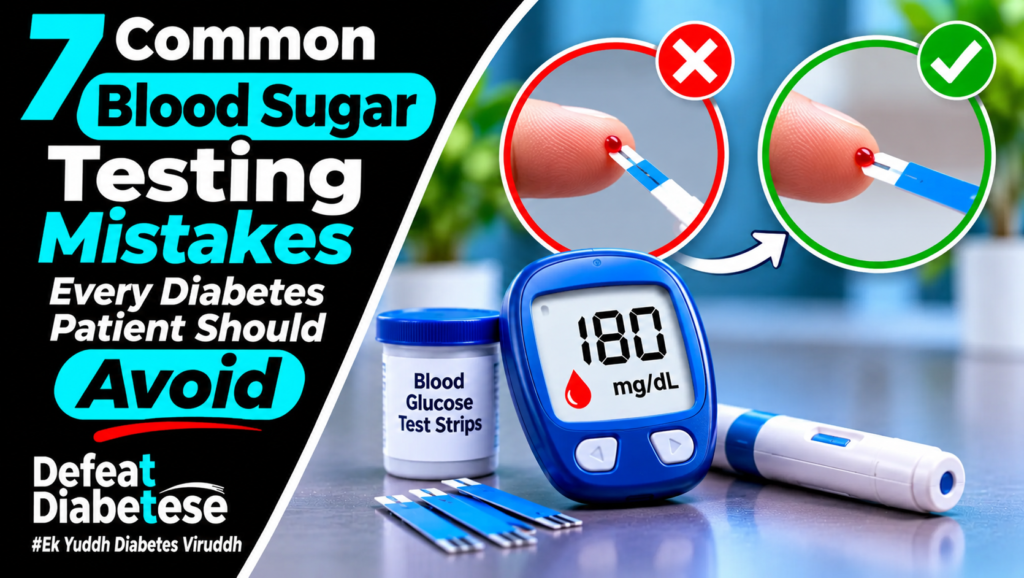
7 Common Blood Sugar Testing Mistakes Every Diabetes Patient Should Avoid

7 Common Blood Sugar Testing Mistakes You Must Avoid

7 Common Blood Sugar Testing Mistakes Every Diabetes Patient Should Avoid Introduction Blood sugar testing mistakes can affect the accuracy of glucose readings and make diabetes management more challenging. Regular blood glucose monitoring is an important part of diabetes care, helping individuals understand how food, medication, physical activity, stress, and lifestyle habits influence their glucose levels. Many people with diabetes use a glucometer at home every day. However, simply checking blood sugar regularly does not guarantee accurate results. Small mistakes during the testing process may produce misleading readings and create unnecessary confusion. For example, testing blood sugar without washing your hands, using expired test strips, or collecting an insufficient blood sample can affect the reliability of your results. Incorrect readings may also lead to inappropriate treatment decisions, unnecessary anxiety, or delayed recognition of high or low blood sugar. Whether you have recently been diagnosed with diabetes or have been managing the condition for several years, understanding the correct blood glucose testing technique is essential. In this article, we explore seven common blood sugar testing mistakes, their possible consequences, and practical ways to improve the accuracy of home glucose monitoring. Why Is Accurate Blood Sugar Testing Important? Blood glucose monitoring provides valuable information about how your body responds to everyday activities and diabetes treatment. Accurate readings can help individuals and healthcare professionals identify glucose patterns, evaluate treatment effectiveness, and make informed decisions. Regular blood sugar monitoring may help you: Identify high and low blood sugar levels. Understand how different foods affect glucose. Evaluate the effectiveness of prescribed medications. Recognise glucose changes during physical activity. Monitor blood sugar during illness. Reduce the risk of inappropriate treatment decisions. Work towards individual diabetes management goals. However, inaccurate readings may provide a misleading picture of your actual glucose levels. This is particularly concerning for individuals who use insulin or medications that can cause hypoglycaemia. Learning to use your glucose monitoring device correctly is therefore an important part of safe and effective diabetes management. 7 Common Blood Sugar Testing Mistakes and How to Avoid Them 1. Not Washing Your Hands Before Testing Blood Sugar One of the most common blood sugar testing mistakes is checking glucose without properly washing and drying your hands. Your fingers may contain traces of food, fruit juice, sugar, sweat, or other substances that can interfere with blood glucose measurements. For example, handling mangoes, bananas, sweets, or sugary beverages before testing may leave glucose-containing residues on your fingertips. Even a small amount of sugar contamination can potentially produce a falsely elevated reading. Similarly, testing with wet fingers may dilute the blood sample and affect the result. Common mistakes include: Testing immediately after eating or handling food. Checking glucose with wet hands. Relying only on a tissue to clean the fingers. Testing before an alcohol swab has completely dried. Ignoring visible dirt or sticky substances. How to avoid this mistake: Wash your hands thoroughly with soap and water before checking your blood sugar. Dry them completely using a clean towel. If an alcohol swab is used according to your device instructions, allow the area to dry completely before testing. When an unexpectedly high reading occurs, wash and dry your hands and repeat the test using a new strip. Do not take additional diabetes medication solely because of a potentially contaminated reading. 2. Using Expired or Improperly Stored Test Strips Blood glucose test strips contain specialised chemicals that react with glucose in a blood sample. These chemicals are sensitive to environmental conditions, including heat, humidity, and moisture. Using expired, damaged, or improperly stored test strips may affect the reliability of glucose measurements. This is especially important in countries such as India, where high temperatures and humidity can create challenges for storing medical supplies. Common test strip mistakes include: Using strips beyond their expiry date. Leaving the test strip container open. Storing strips in humid bathrooms. Exposing strips to direct sunlight. Using strips that are incompatible with the glucometer. Ignoring the manufacturer’s storage instructions. How to avoid this mistake: Always check the expiry date before using a test strip. Store strips in their original container and close the lid immediately after removing a strip. Follow the manufacturer’s recommended storage temperature and humidity conditions. Use only test strips specifically designed for your glucometer. Some products have an additional expiry period after opening, so read the instructions carefully. Never use a damaged strip or attempt to reuse a previously used test strip. Proper test strip storage is a simple but important step towards obtaining reliable blood glucose readings. 3. Using an Insufficient Blood Sample or Squeezing the Finger Too Hard Collecting the correct amount of blood is essential for accurate glucose testing. Different glucometers require different blood sample volumes. An insufficient sample may produce an error message or, depending on the device, an unreliable reading. Some people squeeze their fingers forcefully when they have difficulty obtaining a blood sample. Excessive squeezing may cause tissue fluid to mix with the blood, potentially affecting the measurement. Repeated forceful squeezing can also increase discomfort and bruising. Common sampling mistakes include: Applying too little blood to the test strip. Squeezing the fingertip excessively. Adding more blood after testing has started when the meter does not support it. Applying blood incorrectly to the strip. Using an unsuitable lancet depth. How to avoid this mistake: Wash your hands with comfortably warm water to encourage blood flow. Gently massage your hand towards the fingertip before using the lancet. Use the side of the fingertip rather than repeatedly pricking the centre. Adjust the lancing device according to your skin thickness and comfort. Allow a suitable blood drop to form naturally and apply it according to the meter’s instructions. If the meter displays an insufficient sample error, follow the manufacturer’s instructions. You may need to repeat the test with a new strip. 4. Checking Blood Sugar at the Wrong Time Blood glucose levels naturally fluctuate throughout the day. Meals, physical activity, sleep, stress, illness, and medications can all influence glucose readings. Checking blood sugar at

7 Common Blood Sugar Testing Mistakes You Must Avoid Read More »
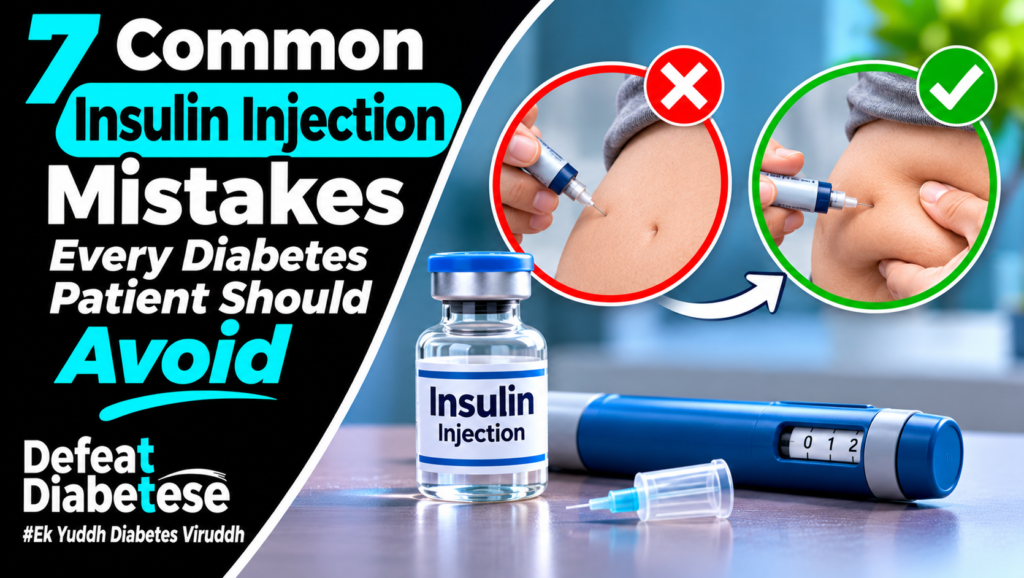
Common insulin injection mistakes illustrated with an insulin pen and abdominal injection site rotation

7 Common Insulin Injection Mistakes You Must Avoid

7 Common Insulin Injection Mistakes Every Diabetes Patient Should Avoid Introduction Insulin injection mistakes can affect blood sugar management, insulin absorption, and the overall effectiveness of diabetes treatment. Although insulin is an essential part of diabetes care for millions of people, using it correctly is just as important as taking the prescribed dose. Many people with diabetes regularly inject insulin but may unknowingly make mistakes that interfere with their treatment. Injecting repeatedly into the same location, reusing needles, storing insulin incorrectly, or taking insulin at the wrong time can contribute to unpredictable blood glucose levels. Some individuals may experience unexplained high blood sugar despite following their prescribed insulin routine. Others may experience sudden episodes of low blood sugar because of inconsistent insulin absorption or administration errors. Understanding the correct injection technique can help reduce these risks and improve confidence in daily diabetes management. Whether you have recently started insulin therapy or have been using insulin for several years, reviewing your injection habits is an important part of maintaining your health. In this article, we explore seven common insulin injection mistakes, their potential consequences, and practical strategies to support safer and more effective insulin therapy. Why Is Correct Insulin Injection Technique Important? Insulin is a hormone that helps regulate blood glucose levels. People with type 1 diabetes require insulin treatment, while some individuals with type 2 diabetes may also need insulin to achieve their glucose management goals. Most insulin injections are administered into the subcutaneous tissue, which is the layer of fatty tissue beneath the skin. When insulin is administered correctly, it can be absorbed into the bloodstream according to its expected action profile. However, incorrect injection techniques may affect the speed and consistency of absorption. Poor injection practices may contribute to: Unpredictable blood glucose fluctuations. Frequent episodes of high blood sugar. Increased risk of hypoglycaemia. Pain, bruising, or irritation at injection sites. Development of fatty lumps beneath the skin. Inconsistent insulin absorption. Difficulty achieving individual HbA1c targets. Correct insulin administration involves more than selecting the prescribed dose. Injection location, needle selection, timing, storage, and regular monitoring are equally important. 7 Common Insulin Injection Mistakes and How to Avoid Them 1. Injecting Insulin Into the Same Spot Repeatedly One of the most common insulin injection mistakes is repeatedly injecting insulin into the same small area of the body. Although using a familiar injection location may feel convenient, repeated injections into the same spot can cause changes in the underlying fatty tissue. A common complication is lipohypertrophy, which refers to thickened or enlarged fatty tissue beneath the skin. These areas may feel firm, rubbery, or lumpy. Some people continue injecting into them because injections may feel less painful there. However, insulin absorption from affected tissue can become unpredictable. Possible consequences include: Unexpected blood sugar fluctuations. Delayed or inconsistent insulin absorption. Increased insulin requirements in some individuals. Development of visible or palpable lumps. Unexpected hypoglycaemia when switching injection locations. How to avoid this mistake: Rotate injection points systematically within the recommended injection region. Keep successive injections approximately one centimetre apart. Regularly inspect and gently feel injection areas for lumps, swelling, or changes in skin texture. Avoid injecting into areas of lipohypertrophy, bruising, inflammation, or damaged skin. If you have been injecting into fatty lumps, consult your diabetes care team before switching to healthy tissue. Insulin may be absorbed more efficiently from unaffected areas, potentially requiring a supervised dose adjustment to prevent hypoglycaemia. 2. Reusing Insulin Needles Some people reuse insulin pen needles or syringes to reduce costs or avoid carrying additional supplies. However, insulin needles are generally designed for single use. After an injection, a needle may become damaged, less sharp, or contaminated. Repeated use may increase discomfort and contribute to local tissue injury. Needle reuse is also associated with an increased risk of lipohypertrophy. Leaving a needle attached to an insulin pen between injections may allow leakage, air entry, or other problems that affect reliable insulin delivery. Potential problems associated with needle reuse include: Increased injection discomfort. Skin irritation and bruising. Greater risk of tissue damage. Possible contamination. Needle blockage or unreliable insulin delivery. How to avoid this mistake: Use a new sterile needle for every insulin injection. Remove the needle from the insulin pen after use, following the manufacturer’s instructions. Dispose of used needles in an appropriate puncture-resistant sharps container. Never share insulin pens, syringes, or needles with another person, even if the needle has been replaced. If the cost or availability of injection supplies is a concern, discuss affordable options with your healthcare professional. Safe injection practices should remain a priority throughout insulin therapy. 3. Using an Incorrect Injection Technique or Needle Length Insulin is generally intended to be injected into subcutaneous fatty tissue rather than directly into muscle. An injection that enters muscle may cause insulin to be absorbed more rapidly or unpredictably, potentially increasing the risk of hypoglycaemia. Incorrect technique may also result in insulin leakage, pain, bruising, or incomplete delivery. Needle length, injection angle, and whether a skin fold is required depend on the injection device, body composition, and individual circumstances. For many adults, a 4 mm insulin pen needle inserted at a 90-degree angle is an appropriate option. However, children, very lean individuals, and people using different needle lengths may require specific guidance. Common technique-related mistakes include: Using an unsuitable needle length. Injecting into muscle unintentionally. Removing the needle too quickly. Failing to prime an insulin pen when required. Injecting into damaged or abnormal tissue. How to avoid this mistake: Ask a diabetes educator, nurse, or healthcare professional to demonstrate the correct technique using your specific insulin device. For insulin pens, perform the recommended flow check or priming step according to the manufacturer’s instructions. After pressing the injection button, keep the needle in the skin for the duration specified for your device to support complete dose delivery. If insulin leaks after an injection, do not automatically repeat the dose because doing so could result in excessive insulin administration. Consult your healthcare team if leakage or

7 Common Insulin Injection Mistakes You Must Avoid Read More »
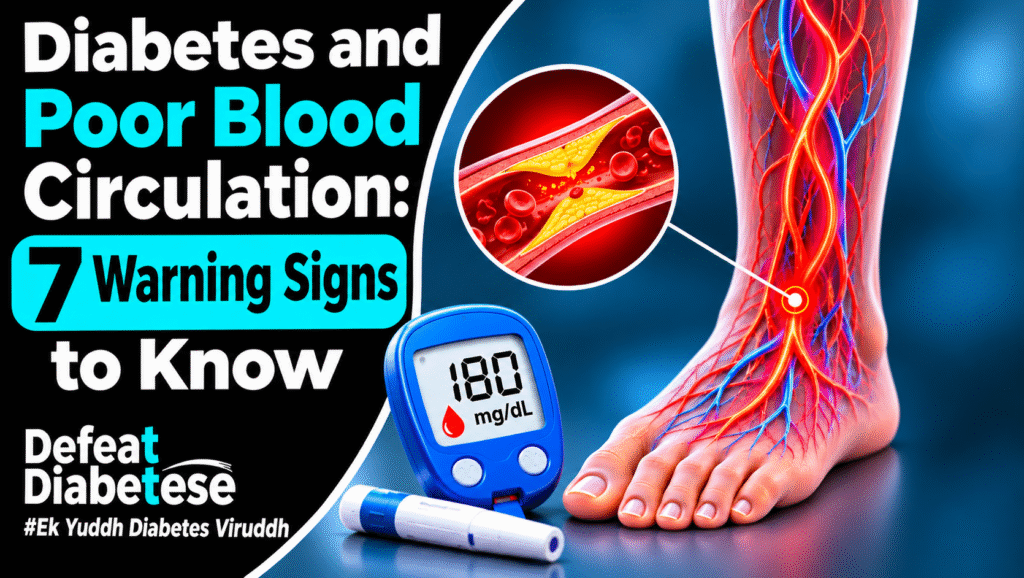
Diabetes and poor blood circulation illustrated through reduced blood flow in the legs and feet

Diabetes and Poor Blood Circulation: 7 Warning Signs

Diabetes and Poor Blood Circulation: 7 Warning Signs to Know Introduction Diabetes and poor blood circulation are closely connected because persistently elevated blood glucose levels can damage blood vessels and affect the delivery of oxygen and essential nutrients throughout the body. Although diabetes is commonly associated with high blood sugar, its effects extend far beyond glucose regulation. Over time, poorly managed diabetes can contribute to cardiovascular complications, nerve damage, kidney problems, and reduced blood flow, particularly in the legs and feet. Poor blood circulation may develop gradually, and some people do not experience noticeable symptoms during the early stages. Others may experience cold feet, leg pain, slow-healing wounds, changes in skin colour, or unusual sensations. Ignoring these warning signs may increase the risk of serious complications, including foot ulcers, infections, and tissue damage. The good news is that early detection, appropriate medical treatment, healthy lifestyle habits, and consistent diabetes management can help protect vascular health. In this article, we explore the connection between diabetes and poor blood circulation, seven important warning signs, possible complications, and practical strategies to support healthier blood flow. What Is Poor Blood Circulation? Blood circulation is the process through which the cardiovascular system delivers oxygen, nutrients, and other essential substances to tissues and organs throughout the body. Healthy circulation supports normal organ function, muscle activity, temperature regulation, and wound healing. Poor blood circulation occurs when blood flow to certain parts of the body becomes restricted or inadequate. One important cause of reduced blood flow in people with diabetes is peripheral artery disease (PAD). This condition develops when fatty deposits accumulate within arteries, narrowing them and reducing blood flow, most commonly to the legs and feet. However, circulation problems can also involve veins, smaller blood vessels, or other cardiovascular conditions. Recognising the underlying cause is important because different circulation problems require different treatments. Understanding the Connection Between Diabetes and Poor Blood Circulation Persistently high blood glucose levels can contribute to damage within blood vessels through several biological processes, including oxidative stress, inflammation, and impaired blood vessel function. Diabetes is also associated with an increased risk of atherosclerosis, a condition in which fatty deposits accumulate inside arteries. As arteries become narrower, the amount of blood reaching certain tissues may decrease. People with diabetes may have additional cardiovascular risk factors, including: High blood pressure. Elevated LDL cholesterol. Smoking or tobacco use. Physical inactivity. Obesity. Chronic kidney disease. A family history of cardiovascular disease. Diabetic peripheral neuropathy can make circulation problems particularly concerning. When nerves are damaged, a person may not notice pain, pressure, injuries, or temperature changes in their feet. Reduced sensation combined with poor blood flow can increase the risk of unnoticed injuries and delayed wound healing. This is why regular foot examinations and cardiovascular risk assessments are important components of diabetes care. 7 Warning Signs of Diabetes and Poor Blood Circulation 1. Frequently Cold Feet or Toes Frequently experiencing cold feet or toes may be a possible sign of reduced blood flow to the lower extremities. Blood circulation helps distribute warmth throughout the body. When arterial blood flow becomes restricted, the affected foot may feel cooler than usual. A noticeable temperature difference between one foot and the other can be particularly concerning. However, cold feet can also occur because of environmental temperatures, nerve damage, thyroid disorders, or other medical conditions. Warning signs to observe: One foot feels noticeably colder than the other. Persistent coldness despite wearing comfortable socks. Cold toes accompanied by skin colour changes. Cold feet associated with pain or non-healing wounds. What should you do? Keep your feet comfortably warm using suitable socks and footwear. Avoid placing heating pads, hot water bottles, or direct heat sources against your feet, particularly if you have reduced sensation. Consult your healthcare professional if coldness persists or occurs alongside other symptoms. A suddenly cold, painful, pale, or numb foot requires emergency medical assessment. 2. Leg Pain or Cramping While Walking Leg pain during physical activity is one of the characteristic symptoms of peripheral artery disease. When you walk, your leg muscles require additional oxygen. Narrowed arteries may be unable to deliver sufficient blood to meet this increased demand. This can cause aching, cramping, tightness, or discomfort, commonly in the calf muscles but sometimes in the thighs or buttocks. The discomfort may improve after resting and return when walking resumes. This pattern is known as intermittent claudication. Common symptoms include: Calf pain after walking a certain distance. Leg cramps during physical activity. Discomfort that improves with rest. Reduced walking endurance. Repeated leg fatigue during activity. Not all leg cramps indicate poor circulation. Muscle strain, dehydration, nerve problems, and certain medications may also contribute. What should you do? Discuss recurring activity-related leg pain with your doctor. A vascular assessment can help determine whether reduced arterial blood flow is responsible. Structured walking programmes are often beneficial for people with stable peripheral artery disease, but exercise recommendations should be individualised. Do not ignore new or worsening pain, particularly if it occurs while resting. 3. Slow-Healing Wounds and Foot Ulcers Slow-healing wounds are among the most important warning signs associated with diabetes and poor blood circulation. The wound-healing process requires oxygen, nutrients, immune cells, and adequate blood flow. When circulation is reduced, these essential resources may not reach damaged tissues effectively. Elevated blood glucose can also impair immune function and contribute to delayed healing. Diabetic neuropathy may further increase the risk because small injuries can remain unnoticed. Warning signs include: Cuts or scratches that do not heal normally. Persistent blisters or sores. Open wounds on the feet or toes. Redness, swelling, or discharge around a wound. Repeated foot infections. Even a small injury can become serious in someone with diabetes, particularly when circulation or sensation is impaired. What should you do? Inspect your feet every day, including the soles and areas between your toes. Wear well-fitting footwear and avoid walking barefoot. Do not attempt to remove calluses, cut damaged tissue, or treat foot ulcers using unverified home remedies. Contact a healthcare professional promptly

Diabetes and Poor Blood Circulation: 7 Warning Signs Read More »

Diabetes and excessive hunger illustrated by a hungry person, healthy food and a blood glucose meter

Diabetes and Excessive Hunger: 7 Reasons to Know

Can Diabetes Cause Excessive Hunger? 7 Possible Reasons Introduction Do you frequently feel hungry even after eating a complete meal? Do you experience sudden food cravings or feel the need to eat repeatedly throughout the day? While occasional hunger is a normal part of life, persistent or excessive hunger may sometimes indicate an underlying health problem, including diabetes. The connection between diabetes and excessive hunger is important because insulin and blood glucose regulation play essential roles in how the body obtains and uses energy. When the body does not produce enough insulin or cannot use insulin effectively, normal glucose regulation becomes disrupted. In some situations, this can contribute to increased hunger, even when blood sugar levels are already elevated. Excessive hunger associated with diabetes is medically known as polyphagia or hyperphagia. It is one of the classic symptoms of diabetes, along with excessive thirst and frequent urination. However, not every episode of increased hunger is caused by diabetes. Poor sleep, unbalanced meals, stress, certain medications, and other medical conditions may also influence appetite. Understanding why excessive hunger occurs can help you recognise important warning signs and make informed decisions about your health. In this article, we explore seven possible reasons for excessive hunger in people with diabetes, associated symptoms, practical management strategies, and when to seek medical advice. What Is Excessive Hunger in Diabetes? Excessive hunger refers to an unusually strong or persistent desire to eat that may continue despite consuming adequate food. Unlike normal hunger, which generally improves after eating, polyphagia may involve repeated feelings of hunger or difficulty feeling satisfied after meals. People experiencing excessive hunger may notice: Feeling hungry shortly after eating. Frequent cravings for sweet or carbohydrate-rich foods. Difficulty feeling satisfied after meals. An increased desire to snack throughout the day. Hunger accompanied by fatigue or weakness. Unexpected changes in body weight. These symptoms do not automatically confirm diabetes. However, persistent hunger accompanied by excessive thirst, frequent urination, or unexplained weight loss deserves medical attention. Understanding the Connection Between Diabetes and Excessive Hunger The food we consume provides energy and essential nutrients. Carbohydrates are broken down into glucose during digestion. Glucose enters the bloodstream, and insulin helps regulate its movement into certain tissues, including muscles and fat cells. In people without diabetes, insulin production and glucose regulation generally respond appropriately to food intake. In people with diabetes, this process may become disrupted. Type 1 diabetes involves severe insulin deficiency, while type 2 diabetes typically involves insulin resistance and varying degrees of reduced insulin production. When glucose regulation becomes impaired, the body may struggle to use and store energy normally. Changes in metabolic and appetite-regulating signals may contribute to excessive hunger. Low blood sugar can also trigger sudden hunger as the body attempts to restore glucose levels. Therefore, excessive hunger can occur during both high and low blood sugar episodes, although the underlying mechanisms are different. Identifying the cause is essential for effective management. 7 Possible Reasons for Diabetes and Excessive Hunger 1. High Blood Sugar Levels (Hyperglycaemia) High blood sugar is one possible explanation for persistent hunger in people with poorly managed diabetes. When insulin is insufficient or does not work effectively, glucose regulation becomes impaired. In severe insulin deficiency, the body cannot use and store glucose normally in insulin-dependent tissues. It may begin breaking down stored fat and muscle to obtain energy. Despite elevated glucose levels in the bloodstream, these metabolic changes can contribute to increased appetite and unexplained weight loss. High blood sugar may also cause glucose to be lost through urine, resulting in additional energy loss. Common symptoms of hyperglycaemia include: Excessive hunger. Increased thirst. Frequent urination. Persistent fatigue. Blurred vision. Unexplained weight loss. What can you do? Monitor your blood glucose according to your treatment plan. If readings remain above your recommended range or excessive hunger persists, consult your healthcare professional. Do not assume that eating more food will resolve hunger caused by uncontrolled diabetes. Appropriate diabetes treatment is necessary to address the underlying metabolic problem. 2. Low Blood Sugar Levels (Hypoglycaemia) Excessive hunger is also a common symptom of low blood sugar. Hypoglycaemia generally refers to a blood glucose level below 70 mg/dL. When glucose levels fall, the body activates protective responses involving hormones such as adrenaline. These responses may produce sudden hunger, sweating, shakiness, and other symptoms. People taking insulin or certain diabetes medications, particularly sulfonylureas, may have an increased risk of hypoglycaemia. Common warning signs include: Sudden and intense hunger. Shaking or trembling. Excessive sweating. Dizziness. Rapid heartbeat. Irritability or confusion. What can you do? If you experience sudden hunger accompanied by these symptoms, check your blood glucose promptly when possible. For many adults with confirmed hypoglycaemia who are awake and able to swallow safely, the 15-15 rule is recommended: Consume approximately 15 grams of fast-acting carbohydrates. Wait 15 minutes. Recheck your blood glucose. Repeat if glucose remains below 70 mg/dL. Follow your personalised hypoglycaemia treatment plan. Severe hypoglycaemia involving unconsciousness, seizures, or inability to swallow requires emergency assistance. Do not give food or drink by mouth in these situations. Use prescribed glucagon if available and appropriate. 3. Insulin Resistance and Insulin Deficiency Insulin resistance is a major characteristic of type 2 diabetes. It occurs when certain tissues do not respond effectively to insulin. Initially, the pancreas may produce additional insulin to compensate. Over time, insulin production may become insufficient to maintain normal glucose levels. In type 1 diabetes, the immune system damages insulin-producing cells, resulting in severe insulin deficiency. Both situations can disrupt normal energy metabolism. Appetite regulation is complex and involves the brain, digestive system, hormones, and metabolic signals. Insulin resistance and insulin deficiency may contribute to changes in these processes. However, excessive hunger alone cannot determine whether someone has insulin resistance. Possible associated symptoms include: Persistent hunger. Elevated blood glucose. Changes in body weight. Fatigue. Increased thirst or urination when glucose is high. What can you do? Regular physical activity, balanced nutrition, appropriate weight management, and prescribed diabetes treatment can help improve metabolic health. People

Diabetes and Excessive Hunger: 7 Reasons to Know Read More »

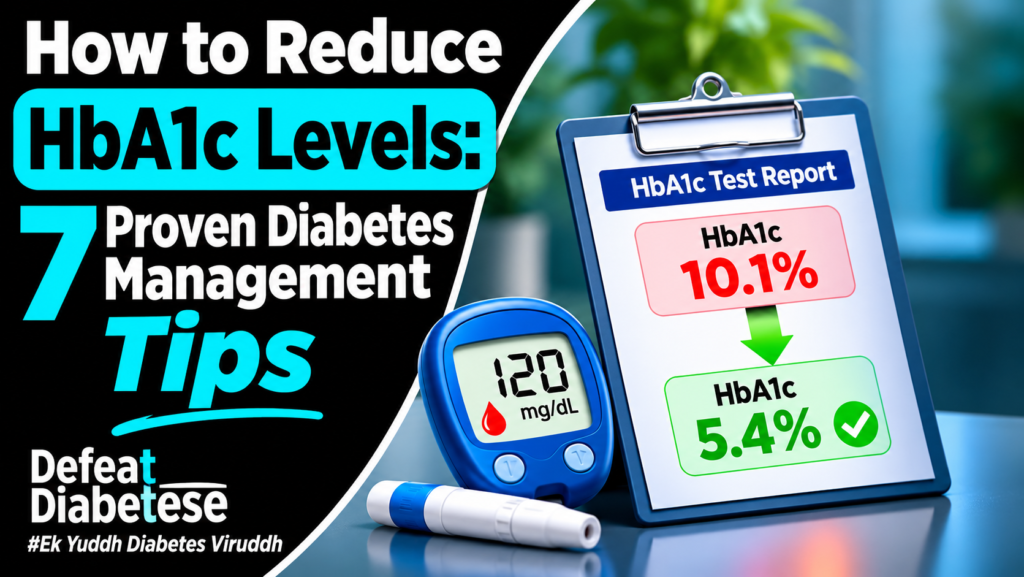
How to reduce HbA1c levels with healthy eating, regular exercise, glucose monitoring and diabetes management

How to Reduce HbA1c Levels: 7 Proven Tips

How to Reduce HbA1c Levels: 7 Proven Diabetes Management Tips Introduction Managing diabetes is not just about checking your blood sugar once a day. One of the most important indicators of long-term blood glucose management is your HbA1c level. If you have diabetes, you may have heard your doctor discuss HbA1c results such as 7%, 8%, or 9%. But what do these numbers mean, and how can you improve them? HbA1c, also called glycated haemoglobin, reflects your average blood glucose levels over approximately the past two to three months. Higher HbA1c levels generally indicate that blood sugar has remained elevated over time. The good news is that many people can improve their HbA1c through consistent lifestyle changes, appropriate medications, regular monitoring, and professional medical guidance. However, there is no single method that works for everyone. The right approach depends on your diabetes type, current HbA1c level, age, medications, other health conditions, and individual treatment goals. If you are wondering how to reduce HbA1c levels, this guide explains seven evidence-based diabetes management strategies that can help you work towards healthier blood glucose levels. What Is HbA1c and Why Is It Important? HbA1c is a blood test that measures the percentage of haemoglobin in red blood cells that has glucose attached to it. Because red blood cells typically circulate for around 120 days, the test provides an estimate of average blood glucose over the previous two to three months, with greater influence from recent weeks. Unlike a single fasting or random blood glucose reading, HbA1c provides a broader picture of glucose exposure over time. Understanding HbA1c Levels HbA1c Result General Interpretation Below 5.7% Normal range 5.7%–6.4% Prediabetes range 6.5% or higher Diabetes range These are commonly used diagnostic thresholds for nonpregnant adults. Diagnosis generally requires confirmation unless there is unequivocal hyperglycaemia. For many nonpregnant adults who already have diabetes, an HbA1c target below 7% is commonly recommended. However, some people may benefit from lower targets, while others need less stringent targets because of hypoglycaemia risk, frailty, or other medical conditions. Your doctor should help determine the safest target for you. HbA1c is also not perfectly accurate in every situation. Anaemia, certain haemoglobin disorders, pregnancy, recent blood loss, and some kidney conditions can affect the result. 7 Proven Diabetes Management Tips to Reduce HbA1c Levels 1. Follow a Balanced, Diabetes-Friendly Diet One of the most effective ways to support healthier blood glucose levels is to make consistent improvements to your eating habits. Carbohydrates have a direct effect on blood sugar because they are broken down into glucose during digestion. However, this does not mean that everyone with diabetes must completely avoid carbohydrates. The goal is to choose nutritious carbohydrate sources, manage portions, and create balanced meals. Practical dietary tips: Choose whole grains, vegetables, legumes, and other fibre-rich foods. Limit sugary beverages, sweets, and highly refined carbohydrates. Include suitable protein sources such as lentils, eggs, fish, tofu, or low-fat dairy. Add healthy fats from nuts, seeds, and appropriate oils. Pay attention to portion sizes and meal timing. A useful approach is the diabetes plate method. Fill approximately half your plate with non-starchy vegetables, one-quarter with protein, and one-quarter with carbohydrate-containing foods. For Indian meals, this may mean combining a suitable portion of roti or rice with dal, vegetables, and protein. The ideal portions depend on your nutritional requirements and glucose response. How does it help HbA1c? Balanced meals and appropriate carbohydrate portions can reduce repeated post-meal glucose elevations. Over time, improved glucose patterns may contribute to a lower HbA1c. A registered dietitian can help create an individualised meal plan. 2. Make Regular Physical Activity Part of Your Routine Physical activity is an important part of diabetes management. When your muscles contract during exercise, they use glucose for energy. Regular activity can also improve insulin sensitivity. This means your body may use available insulin more effectively. Both aerobic exercise and resistance training can be beneficial. Activities to consider: Brisk walking. Cycling. Swimming. Dancing. Resistance exercises. Yoga and flexibility activities as part of a broader fitness routine. For many adults with diabetes, guidelines recommend at least 150 minutes of moderate-intensity aerobic activity per week, spread over several days. Resistance training on two or three nonconsecutive days per week is also commonly recommended when appropriate. If you are currently inactive, begin gradually. Even short walks after meals can help reduce post-meal glucose rises. How does it help HbA1c? Regular exercise improves glucose utilisation and insulin sensitivity, potentially lowering average blood glucose over time. Important precaution: People using insulin or certain glucose-lowering medicines may experience exercise-related hypoglycaemia. Discuss exercise safety, glucose monitoring, and medication adjustments with your healthcare professional. 3. Work Towards a Healthy and Sustainable Body Weight For people with type 2 diabetes who are overweight or living with obesity, appropriate weight reduction can improve insulin sensitivity and blood glucose management. Excess body fat, particularly around the abdomen, is associated with insulin resistance. When insulin resistance increases, the body may require more insulin to manage glucose effectively. Sustainable weight management can help reduce this metabolic burden. Practical strategies: Set realistic goals with your healthcare team. Focus on gradual, sustainable dietary changes. Combine suitable physical activity with balanced nutrition. Reduce frequent consumption of high-calorie, low-nutrient foods. Monitor progress without relying on extreme dieting. For some people with type 2 diabetes, losing approximately 5%–10% of their initial body weight can provide meaningful metabolic benefits. However, weight loss is not necessary or appropriate for everyone with diabetes. People with type 1 diabetes, those who are underweight, and individuals with certain medical conditions may need different approaches. How does it help HbA1c? When appropriate, weight reduction may improve insulin sensitivity and reduce average glucose levels. The focus should remain on long-term health rather than rapid weight loss. 4. Monitor Your Blood Sugar and Understand Glucose Patterns HbA1c tells you about average glucose exposure, but it does not reveal every high or low reading. Two people with the same HbA1c can have very different glucose patterns. One person may experience relatively

How to Reduce HbA1c Levels: 7 Proven Tips Read More »

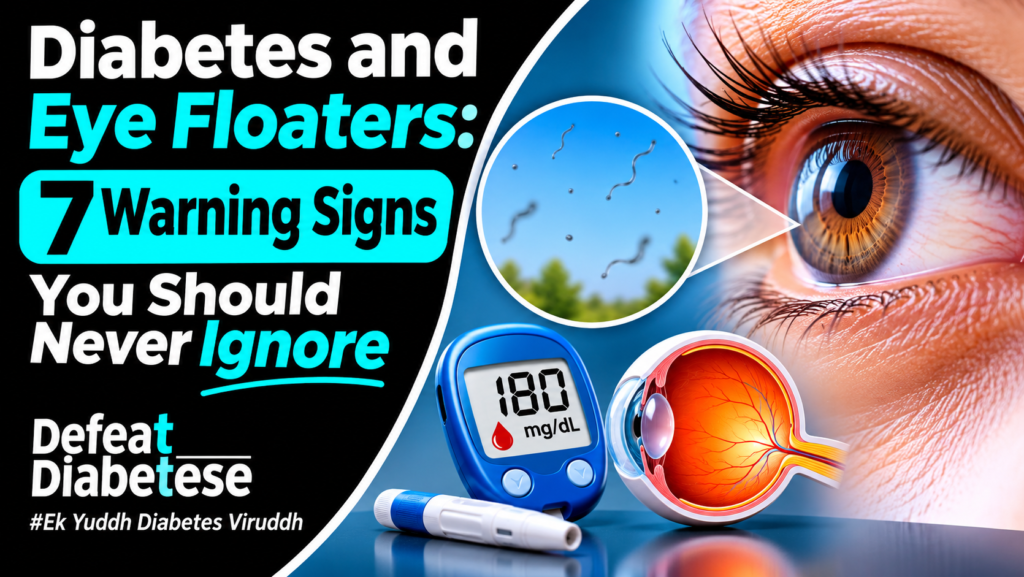
Diabetes eye floaters illustrated by dark floating spots and threads in a person's field of vision

Diabetes Eye Floaters: 7 Warning Signs to Know

Diabetes and Eye Floaters: 7 Warning Signs You Should Never Ignore Introduction Have you ever noticed tiny black spots, floating threads, cobweb-like shapes, or moving shadows in your vision? These visual disturbances are commonly known as eye floaters. Eye floaters can appear when looking at a bright sky, white wall, or computer screen. They may move when your eyes move and seem to drift away when you try to focus directly on them. In many cases, floaters are caused by normal age-related changes inside the eye and are harmless. However, for people living with diabetes, new or sudden floaters deserve particular attention because they can sometimes indicate bleeding inside the eye or other serious retinal complications. Diabetes can damage the small blood vessels in the retina, the light-sensitive tissue at the back of the eye. Over time, this damage may lead to diabetic retinopathy, which can threaten vision if not detected and managed appropriately. Understanding the connection between diabetes and eye floaters can help you recognise potentially serious symptoms and seek timely medical care. In this article, we explain what eye floaters are, why they may occur in people with diabetes, seven warning signs you should never ignore, available treatments, and practical steps to protect your eyesight. What Are Eye Floaters? Eye floaters are small shapes that appear to move across your field of vision. They may look like: Tiny black or grey dots. Thin threads or squiggly lines. Cobweb-like patterns. Small rings or circular shadows. Cloudy patches that drift when your eyes move. Floaters usually originate in the vitreous, a clear, gel-like substance that fills the space between the lens and the retina. As people age, the vitreous can gradually change consistency and develop small clumps of collagen fibres. These clumps cast shadows onto the retina, creating the appearance of floating objects. This process is commonly associated with posterior vitreous detachment, in which the vitreous separates from the retina. Most age-related floaters are not caused by diabetes. However, a sudden increase in floaters can sometimes occur when the vitreous pulls on the retina, causing a retinal tear, or when bleeding enters the vitreous cavity. Because diabetes can increase the risk of certain retinal complications, new floaters should not be automatically dismissed as harmless. How Are Diabetes and Eye Floaters Connected? Diabetes can affect the eyes primarily through damage to small retinal blood vessels. When blood glucose levels remain elevated over time, the risk of diabetic retinopathy increases. Diabetic retinopathy develops when retinal blood vessels become damaged, leak fluid, or become blocked. In more advanced stages, the retina may develop abnormal new blood vessels, a condition known as proliferative diabetic retinopathy. These new vessels are fragile and can bleed into the vitreous. This bleeding is called vitreous haemorrhage and may cause sudden floaters, dark spots, cloudy vision, or significant visual loss. Scar tissue associated with proliferative diabetic retinopathy can also pull on the retina, potentially causing tractional retinal detachment. Importantly, not every person with diabetes who experiences floaters has diabetic retinopathy. Floaters can also result from ageing, posterior vitreous detachment, retinal tears, inflammation, and other eye conditions. A comprehensive dilated eye examination is necessary to determine the underlying cause. 7 Warning Signs of Eye Floaters You Should Never Ignore 1. A Sudden Increase in Eye Floaters A few longstanding floaters that remain unchanged may be relatively harmless. However, suddenly noticing many new spots, threads, or dark specks can be a warning sign. A rapid increase in floaters may indicate bleeding inside the eye, a retinal tear, or changes involving the vitreous. In people with diabetic retinopathy, fragile abnormal retinal blood vessels may rupture and cause vitreous haemorrhage. This can produce numerous dark spots that appear unexpectedly. Warning signs to watch for: Many new black dots appearing suddenly. A sudden shower of floating spots. Rapidly increasing cobweb-like shapes. New floaters accompanied by cloudy vision. What should you do? Seek urgent assessment by an ophthalmologist, ideally the same day. Do not wait for the floaters to disappear on their own. A sudden shower of floaters may require emergency evaluation to rule out a retinal tear or detachment. 2. Flashes of Light Along With Floaters Seeing flashes of light together with new floaters is another important warning sign. These flashes may resemble brief lightning streaks, camera flashes, or flickering lights, especially toward the side of your vision. They can occur when the vitreous pulls on the retina. Although vitreous separation is often age-related, the pulling process can occasionally create a retinal tear. If fluid passes through a retinal tear, it may lead to retinal detachment. Retinal detachment is a medical emergency because delayed treatment can result in permanent vision loss. Warning signs to watch for: Sudden flashes of light. New floaters appearing with flashes. Repeated peripheral light streaks. Flashes accompanied by reduced vision. What should you do? Arrange immediate ophthalmic evaluation. If symptoms begin suddenly, especially with new floaters or a visual shadow, seek emergency eye care rather than waiting for a routine appointment. 3. Dark Shadows or a Curtain Across Your Vision A dark shadow or curtain moving across part of your visual field is one of the most serious symptoms associated with retinal detachment. The shadow may begin in the peripheral vision and gradually extend toward the centre. In people with advanced diabetic retinopathy, scar tissue may pull on the retina and cause tractional retinal detachment. Other types of retinal detachment may occur when a retinal tear allows fluid to collect beneath the retina. Both situations can threaten eyesight. Warning signs to watch for: A dark curtain covering part of your vision. A growing shadow from one side. Sudden loss of peripheral vision. A missing or dark area in your visual field. What should you do? Seek emergency ophthalmic care immediately. Do not drive yourself if your vision is affected. Retinal detachment requires urgent specialist assessment, and some cases need prompt surgery to preserve vision. 4. Sudden Blurred or Cloudy Vision Floaters may occasionally interfere with vision when they move

Diabetes Eye Floaters: 7 Warning Signs to Know Read More »

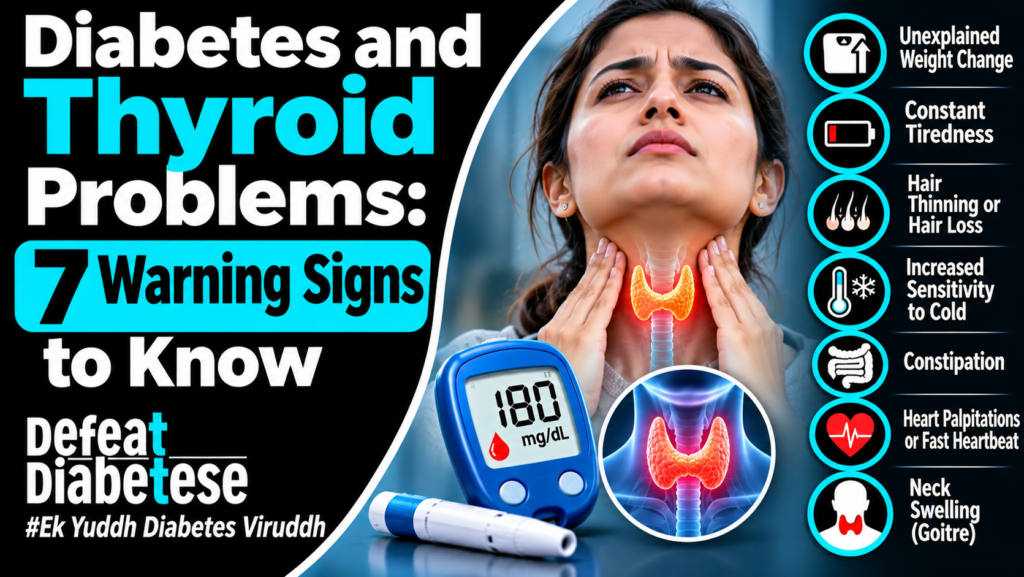
Diabetes and thyroid problems illustrated with a thyroid gland graphic and blood glucose meter

Diabetes and Thyroid: 7 Warning Signs to Know

Diabetes and Thyroid Problems: 7 Warning Signs to Know Introduction Living with diabetes means paying attention to blood sugar levels, healthy eating, physical activity, and regular medical check-ups. However, many people do not realise that diabetes can also occur alongside other hormonal conditions, including thyroid disorders. The thyroid is a small, butterfly-shaped gland located in the front of your neck. Despite its size, it plays an important role in regulating metabolism, energy levels, body temperature, heart rate, and several other essential functions. When the thyroid produces too much or too little hormone, it can affect how your body uses energy and manages glucose. The connection between diabetes and thyroid problems is particularly important because symptoms of thyroid dysfunction may overlap with symptoms of diabetes. Fatigue, unexplained weight changes, mood disturbances, and changes in heart rate can sometimes be overlooked or attributed to blood sugar fluctuations. People with type 1 diabetes have an increased risk of autoimmune thyroid disease. Thyroid disorders are also commonly found among people with type 2 diabetes, although the underlying relationship is different. Recognising the warning signs can help you seek appropriate testing and treatment. In this article, we explain the relationship between diabetes and thyroid problems, seven important warning signs, how thyroid disorders may affect blood sugar, and practical steps to support your health. Understanding the Connection Between Diabetes and Thyroid Problems Diabetes and thyroid disorders are both conditions involving the endocrine system, which produces hormones that regulate essential body functions. Diabetes affects how the body produces or responds to insulin, the hormone responsible for helping glucose enter cells. Thyroid disorders affect the production of thyroid hormones, primarily thyroxine (T4) and triiodothyronine (T3). These hormones influence metabolism and the way the body uses energy. The two major types of thyroid dysfunction are: Hypothyroidism (Underactive Thyroid): This occurs when the thyroid gland does not produce enough thyroid hormone. Common symptoms include fatigue, weight gain, constipation, dry skin, and sensitivity to cold. Hyperthyroidism (Overactive Thyroid): This occurs when the thyroid gland produces excessive thyroid hormone. Symptoms may include unexplained weight loss, increased sweating, rapid heartbeat, nervousness, and heat intolerance. Both conditions can complicate diabetes management. Hyperthyroidism may increase glucose production and insulin requirements, while hypothyroidism can change insulin metabolism and sometimes increase the risk of low blood sugar in people using insulin or certain glucose-lowering medicines. However, the effects vary between individuals. Understanding these connections is important because appropriate thyroid treatment may help make diabetes management more predictable. 7 Warning Signs of Thyroid Problems in People With Diabetes 1. Persistent Fatigue and Low Energy Feeling tired occasionally is normal. However, persistent fatigue that does not improve with adequate rest may indicate an underlying health problem. People with diabetes sometimes experience tiredness when blood glucose levels are too high or too low. Thyroid dysfunction can produce similar symptoms. In hypothyroidism, reduced thyroid hormone levels slow many metabolic processes, potentially causing fatigue, sluggishness, and difficulty concentrating. Hyperthyroidism can also lead to exhaustion because the body remains in an overactive metabolic state. Warning signs to watch for: Feeling exhausted despite sufficient sleep. Difficulty concentrating on daily tasks. Unusual weakness or reduced stamina. Persistent tiredness despite relatively stable glucose readings. What should you do? If fatigue continues or interferes with everyday activities, consult your healthcare professional. Blood glucose monitoring and thyroid function tests may help identify possible causes. Fatigue alone does not confirm thyroid disease because anaemia, sleep disorders, medication effects, and other conditions can cause similar symptoms. 2. Unexplained Weight Gain or Weight Loss Unexpected changes in body weight may be another sign of thyroid dysfunction. Thyroid hormones influence metabolic rate, which affects how the body uses and stores energy. When thyroid hormone production is insufficient, metabolism may slow, contributing to modest weight gain. Some of this change may result from fluid retention. An overactive thyroid can increase energy expenditure and cause weight loss, sometimes despite a normal or increased appetite. However, uncontrolled diabetes can also cause unexplained weight loss. This makes it important to investigate significant weight changes rather than assuming they are related to diet or exercise. Warning signs to watch for: Weight gain without a clear change in eating habits. Unexpected weight loss. Changes in appetite. Difficulty maintaining your usual weight. What should you do? Track changes in weight over time and discuss unexplained changes with your doctor. Thyroid testing, glucose assessment, medication review, and other investigations may be appropriate. 3. Unusual Blood Sugar   One of the most important reasons to understand diabetes and thyroid problems is their potential interaction with blood glucose regulation. Thyroid hormones influence glucose absorption, liver glucose production, insulin metabolism, and energy use. Hyperthyroidism may increase glucose production and contribute to higher blood sugar readings. Hypothyroidism can affect insulin clearance and glucose metabolism. In some people taking insulin or certain diabetes medicines, this may contribute to an increased risk of hypoglycemia. However, thyroid disorders do not always produce a predictable glucose pattern. Some individuals may notice increased glucose variability rather than consistently high or low readings. Warning signs to watch for: Repeated glucose readings outside your usual target range. Unexpected episodes of low blood sugar. Higher glucose readings without an obvious explanation. Changes in insulin or medication requirements. What should you do? Review your glucose records and discuss persistent changes with your diabetes healthcare team. Your doctor may recommend thyroid function testing when clinically indicated. Never adjust prescribed insulin or other diabetes medicines independently because you suspect a thyroid problem. 4. Increased Sensitivity to Cold or Heat Thyroid hormones help regulate body temperature and energy production. An underactive thyroid may cause increased sensitivity to cold temperatures. Someone with hypothyroidism may feel unusually cold even when others are comfortable. In contrast, an overactive thyroid may cause heat intolerance, excessive sweating, and a feeling of being unusually warm. These symptoms may become more noticeable during seasonal temperature changes. Warning signs to watch for: Feeling cold in normal room temperatures. Frequently needing extra layers of clothing. Excessive sweating without heavy activity. Feeling unusually hot or uncomfortable.

Diabetes and Thyroid: 7 Warning Signs to Know Read More »

Why Does Blood Sugar Rise in Winter? 7 Possible Reasons

Blood Sugar in Winter: 7 Reasons It May Rise

Why Does Blood Sugar Rise in Winter? 7 Possible Reasons Introduction Winter brings cooler temperatures, warm clothing, comforting meals and changes in daily routines. While many people enjoy the colder season, individuals living with diabetes may notice unexpected changes in their blood sugar levels. Have you ever checked your glucose during winter and wondered why your readings are higher than usual, even though you are following the same diabetes management routine? You are not alone. Some people with diabetes experience higher blood glucose levels during colder months. However, this does not happen to everyone, and the reasons can vary. Changes in physical activity, seasonal eating habits, illness, stress hormones and medication routines may all influence glucose management. Cold weather can also affect the performance of diabetes monitoring equipment if it is stored or used outside the manufacturer’s recommended temperature range. Understanding why blood sugar rises in winter can help you recognise possible triggers and make informed decisions about your diabetes care. In this article, we explore seven possible reasons for higher blood sugar during winter, practical prevention strategies and important precautions for people living with diabetes. Does Blood Sugar Really Increase During  ? Blood glucose levels can change throughout the year. Some studies have observed seasonal differences in HbA1c, with higher average levels during colder months in certain populations. However, winter does not automatically cause high blood sugar. The relationship between cold weather and glucose regulation is influenced by several factors, including lifestyle, temperature exposure, illness and individual health conditions. For example, someone who becomes less physically active during winter may experience reduced insulin sensitivity. Another person may notice higher glucose readings while recovering from a seasonal infection. People who maintain consistent exercise, balanced meals and appropriate diabetes treatment may experience little seasonal change. Rather than assuming that winter is responsible for every high reading, it is important to examine your glucose patterns and identify possible contributing factors. 7 Possible Reasons Why Blood Sugar Rises in Winter 1. Reduced Physical Activity During Cold Weather One of the most common reasons for changes in blood glucose during winter is reduced physical activity. Cold mornings, shorter daylight hours and uncomfortable outdoor temperatures may discourage people from walking, cycling or exercising regularly. Physical activity helps muscles use glucose for energy. It also improves insulin sensitivity, allowing the body to respond more effectively to insulin. When activity levels decrease, muscles may use less glucose, potentially contributing to higher blood sugar levels. For example, someone who normally walks for 30 minutes every morning may stop exercising during colder weeks. If their food intake and medication routine remain unchanged, their glucose readings may gradually increase. What can you do? Maintain a regular exercise routine even when outdoor conditions are uncomfortable. Indoor walking, stretching, yoga, stationary cycling and light resistance exercises are useful options. Many adults with diabetes can aim for at least 150 minutes of moderate-intensity physical activity per week, depending on their health and medical advice. If you use insulin or medication that can cause hypoglycemia, discuss exercise-related precautions with your healthcare professional. 2. Increased Consumption of High-Carbohydrate Comfort Foods Winter often changes eating habits. Many people enjoy warm snacks, sweets, fried foods, sweetened tea, coffee and larger meals during colder months. Traditional winter foods may include nutritious ingredients, but some preparations contain significant amounts of sugar, refined carbohydrates or added fats. For example, frequently consuming sweets, biscuits, fried snacks and sugary beverages can increase overall carbohydrate intake. Carbohydrates are broken down into glucose during digestion. Eating more carbohydrates than usual, particularly without adjusting other aspects of a prescribed diabetes management plan, may contribute to higher post-meal glucose readings. However, carbohydrates do not need to be eliminated completely. What can you do? Choose balanced meals containing vegetables, pulses, whole grains and suitable protein sources. Pay attention to portion sizes and avoid frequently consuming sugar-sweetened beverages. Enjoy seasonal foods in moderation while considering their carbohydrate content. A registered dietitian can help you create a winter meal plan that supports blood glucose management without unnecessarily restricting nutritious foods. 3. Seasonal Illnesses and Infections Winter is associated with increased circulation of certain respiratory infections in many regions. Influenza, colds and other infections may affect blood glucose levels in people with diabetes. When the body fights an infection, it releases stress hormones such as cortisol and adrenaline. These hormones can stimulate the liver to release glucose and temporarily reduce insulin sensitivity. As a result, blood sugar may rise even when someone is eating less than usual. Fever, dehydration and changes in daily routines can further complicate diabetes management. In some circumstances, illness can also cause low blood glucose, especially when food intake decreases while glucose-lowering medicines continue to act. What can you do? Follow your personalised diabetes sick-day plan. Monitor blood glucose more frequently when advised, stay adequately hydrated and follow medical guidance regarding medicines. Ask your healthcare professional whether you need ketone testing during illness. Seek urgent medical attention if you develop repeated vomiting, severe weakness, difficulty breathing, dehydration or signs of diabetic ketoacidosis. 4. Stress Hormones and the Body’s Response to Cold The body responds to cold temperatures by activating mechanisms that help maintain normal body temperature. Cold exposure can influence the sympathetic nervous system and hormones involved in energy regulation. Hormones such as adrenaline may increase the availability of glucose in the bloodstream. However, the effect of cold exposure on blood glucose is complex. It varies with the intensity and duration of exposure, physical activity, metabolic health and individual responses. Cold temperatures do not consistently raise blood sugar in every person. Psychological stress, poor sleep and seasonal changes in daily routines may also influence glucose regulation. What can you do? Dress appropriately for cold weather and avoid prolonged exposure to extreme temperatures. Maintain regular meals, sleep and activity routines. Practise stress-management techniques such as relaxation, breathing exercises or gentle physical activity. If your glucose readings repeatedly rise during colder weather, review the pattern with your healthcare team rather than assuming cold exposure is the only

Blood Sugar in Winter: 7 Reasons It May Rise Read More »

Tea and coffee beside a blood glucose meter illustrating possible blood sugar changes in people with diabetes

Why Does Blood Sugar Rise After Drinking Tea or Coffee? 7 Possible Reasons Introduction

Why Does Blood Sugar Rise After Drinking Tea or Coffee? 7 Possible Reasons Introduction For millions of people, starting the day with a cup of tea or coffee is a daily habit. Whether it is traditional Indian chai, black coffee, green tea or a creamy cappuccino, these beverages are enjoyed for their taste, warmth and refreshing effects. But have you ever checked your blood sugar after drinking tea or coffee and noticed that your glucose level was higher than expected? If you are living with diabetes, this experience may raise an important question: Why does blood sugar rise after drinking tea or coffee, even when you have not eaten anything? The answer is not always simple. Tea and coffee can affect blood glucose in different ways depending on their ingredients, caffeine content, serving size, timing and your body’s response. For example, adding sugar to tea can directly increase blood glucose. Caffeine, on the other hand, may temporarily reduce insulin sensitivity in some people with diabetes, even when the beverage contains no sugar. However, not everyone experiences a blood sugar spike after drinking tea or coffee. Individual responses vary, and other factors such as morning hormones, stress, sleep and recent meals can also influence glucose readings. In this article, we will explore 7 possible reasons why blood sugar rises after drinking tea or coffee, how these beverages affect diabetes management and practical tips to enjoy them more safely. How Do Tea and Coffee Affect Blood Sugar? Tea and coffee contain natural compounds that can influence the body in different ways. Coffee contains caffeine and various plant compounds, including polyphenols. Tea also contains caffeine, although the amount varies depending on the type of tea, brewing time and serving size. Caffeine stimulates the central nervous system and can temporarily influence certain hormones involved in glucose regulation. In some people with type 2 diabetes, caffeine may reduce insulin sensitivity for several hours. This means the body’s cells may not respond to insulin as effectively, potentially leading to higher blood glucose readings. However, this effect is not universal. Some people experience little or no noticeable change. It is also important to distinguish between the short-term effects of caffeine and the long-term health associations of coffee consumption. Observational studies have linked habitual coffee consumption with a lower risk of developing type 2 diabetes. However, this does not mean coffee treats diabetes or necessarily improves glucose control in someone who already has the condition. The ingredients added to tea or coffee can also make a significant difference. A plain cup of unsweetened tea or black coffee generally contains very little carbohydrate. In contrast, sweetened chai, flavoured coffee drinks and beverages containing syrups or condensed milk may contain substantial amounts of sugar and carbohydrate. Understanding these differences can help you make informed choices. 7 Possible Reasons Why Blood Sugar Rises After Drinking Tea or Coffee 1. Caffeine May Temporarily Reduce Insulin Sensitivity One possible reason for higher blood sugar after tea or coffee is caffeine. Insulin is a hormone that helps glucose move from the bloodstream into the body’s cells, where it can be used for energy. Insulin sensitivity describes how effectively the body’s cells respond to insulin. Some studies suggest that caffeine can temporarily reduce insulin sensitivity, particularly in people with type 2 diabetes. When insulin sensitivity decreases, glucose may remain in the bloodstream for longer, resulting in higher blood sugar readings. The response depends on several factors, including caffeine dose, habitual consumption, individual metabolism and diabetes status. For example, one person may notice a glucose increase after drinking strong black coffee, while another may experience almost no change. What can you do? Monitor your blood glucose response to caffeinated beverages. If you consistently notice higher readings, try a smaller serving or decaffeinated coffee and compare the results. Avoid making medication changes based on a single reading. 2. Added Sugar in Tea or Coffee Can Increase Blood Glucose One of the most straightforward reasons for a blood sugar rise is added sugar. Many people enjoy tea with sugar, jaggery, honey or sweetened condensed milk. Coffee drinks may contain flavoured syrups, sweetened creamers or chocolate toppings. These ingredients contribute carbohydrates that can raise blood glucose after consumption. For example, one teaspoon of table sugar contains approximately 4 grams of carbohydrate. If you drink several cups of sweetened tea throughout the day, the added sugar can accumulate. Honey and jaggery are sometimes considered healthier alternatives to refined sugar. However, both contain carbohydrates and can still increase blood glucose. Similarly, brown sugar is not a blood-sugar-free substitute for white sugar. What can you do? Gradually reduce added sugar in your beverages. Choose unsweetened tea or coffee when possible. If you use a non-sugar sweetener, select an option appropriate for your dietary needs and follow professional guidance when necessary. Remember that reducing added sugar is generally more important than switching between different types of caloric sweeteners. 3. Milk and Flavoured Creamers Add Carbohydrates Many people believe that tea or coffee without added sugar cannot affect blood glucose. However, milk and certain coffee creamers also contain carbohydrates. Regular dairy milk contains lactose, a naturally occurring sugar. Although milk provides nutrients such as protein and calcium, its carbohydrate content should still be considered in diabetes meal planning. A small splash of milk may have a limited effect, but a large milk-based coffee or several cups of milky chai can contribute more carbohydrates. Commercial coffee creamers may contain added sugar, glucose syrup or other carbohydrate ingredients. Flavoured lattes, iced coffees and ready-to-drink beverages can contain substantially more carbohydrates than plain coffee. Plant-based milks also vary. Unsweetened almond milk may contain relatively little carbohydrate, while sweetened oat milk or flavoured plant-based drinks can contain more. What can you do? Check nutrition labels for total carbohydrates and added sugars. Choose unsweetened milk alternatives when suitable, and consider the total amount of milk used in your beverage. For packaged drinks, pay attention to the serving size because one container may contain more than one serving. 4.

Why Does Blood Sugar Rise After Drinking Tea or Coffee? 7 Possible Reasons Introduction Read More »

Diabetes and frequent infections: 7 warning signs including skin infections, UTIs, fungal infections and slow-healing wounds.

Diabetes and Frequent Infections: 7 Warning Signs to Know

Diabetes and Frequent Infections: 7 Warning Signs to Know Introduction Living with diabetes involves more than monitoring blood sugar levels. It also means understanding how diabetes can affect different parts of the body, including the immune system. One important concern that people with diabetes should be aware of is the increased risk of certain infections. Have you noticed that you frequently develop urinary tract infections, skin infections, fungal infections or wounds that take longer than expected to heal? These problems can sometimes be associated with poorly controlled blood glucose levels. Diabetes and frequent infections are closely connected because high blood sugar can interfere with the body’s natural ability to fight harmful microorganisms. It can also affect blood circulation, nerve function and the healing process. However, frequent infections are not always caused by diabetes. Other medical conditions, medications and environmental factors can also increase infection risk. Recognising early warning signs is important because untreated infections can become more serious, particularly when blood glucose levels remain elevated. In this article, we will explore 7 warning signs of frequent infections in people with diabetes, understand why infections may occur more often and discuss practical prevention strategies to protect your health. What Is the Connection Between Diabetes and Frequent Infections? The immune system protects the body against harmful bacteria, viruses, fungi and other microorganisms. When an infection develops, immune cells work together to identify and fight the invading organisms. Diabetes can affect this defence system in several ways. When blood glucose levels remain high, certain white blood cells may become less effective at responding to infections. High blood sugar can also contribute to inflammation and create conditions that make some infections more likely. Diabetes may damage small blood vessels over time, reducing circulation in certain areas of the body. Poor circulation can limit the delivery of oxygen, nutrients and immune cells needed for healing. Nerve damage is another concern. People with diabetic neuropathy may not notice minor cuts, blisters or injuries, especially on their feet. An unnoticed injury can become infected if it is not treated. High glucose levels can also encourage the growth of certain microorganisms, particularly yeast, in susceptible areas. These factors help explain why some people with diabetes experience repeated or more severe infections. The risk is not the same for everyone. Maintaining blood glucose within an individualised target range, practising good hygiene and receiving appropriate medical care can help reduce infection-related complications. 7 Warning Signs of Frequent Infections in People with Diabetes 1. Repeated Urinary Tract Infections Urinary tract infections, commonly called UTIs, are among the infections that may occur more frequently in people with diabetes. A UTI develops when bacteria infect part of the urinary system, such as the bladder or kidneys. People with diabetes may be more vulnerable because high blood glucose, changes in immune function and incomplete bladder emptying can contribute to infection risk. Common symptoms include: Burning or pain while urinating. Frequent or urgent urination. Lower abdominal discomfort. Cloudy or bloody urine. Fever or chills in more serious infections. Frequent urination alone can also occur when blood glucose is high, so it does not necessarily indicate a UTI. If you experience repeated urinary symptoms, consult a healthcare professional. A urine test may be needed to identify an infection and guide treatment. Fever, flank pain, vomiting or feeling severely unwell may indicate a kidney infection and requires urgent medical assessment. 2. Frequent Skin Infections The skin acts as a protective barrier against bacteria and other harmful organisms. However, diabetes can increase susceptibility to certain skin infections, particularly when blood glucose levels are poorly controlled. Bacterial infections may cause boils, infected hair follicles, abscesses or cellulitis. Possible warning signs include redness, swelling, warmth, tenderness and pus formation. Skin infections may develop anywhere on the body, but areas exposed to friction, moisture or minor injuries can be particularly vulnerable. People with diabetes should examine their skin regularly and pay attention to cuts, rashes or areas of unusual redness. If redness spreads rapidly, pain becomes severe or fever develops, seek prompt medical attention. Avoid squeezing boils or attempting to drain an abscess at home. A healthcare professional can determine whether antibiotics, drainage or another treatment is necessary. 3. Recurrent Fungal Infections Fungal infections are another concern for people living with diabetes. Yeast, including Candida species, naturally exists in some areas of the body. Under certain conditions, it can multiply excessively and cause an infection. High blood glucose and moisture in skin folds may contribute to yeast growth. Fungal infections can affect the mouth, genital area, groin, skin folds and feet. Common symptoms include: Itching or irritation. Red or inflamed skin. Burning discomfort. White patches inside the mouth. Unusual genital discharge in some infections. Peeling or cracking skin between the toes. Some diabetes medicines, particularly SGLT2 inhibitors, can increase the risk of genital yeast infections. If fungal infections keep returning, speak with your healthcare professional. They may review your blood glucose management, medicines and other possible causes. Do not stop prescribed diabetes medication without medical advice. 4. Wounds That Heal Slowly or Become Infected Slow wound healing is an important concern in diabetes. A small cut or blister may take longer to heal when circulation is poor, blood glucose is elevated or nerve damage is present. When a wound remains open, bacteria may enter and cause an infection. Warning signs include: Increasing redness around the wound. Swelling or warmth. Pus or unusual drainage. Unpleasant odour. Increasing pain or tenderness. Fever or worsening general health. Some people with diabetic neuropathy may experience little or no pain even when a wound is serious. This is particularly important for foot injuries. A small blister or unnoticed cut can sometimes progress into a diabetic foot ulcer. Check your feet daily, keep minor wounds clean and seek medical advice if a wound is not healing normally. An infected foot wound, spreading redness, blackened tissue or a new foot ulcer requires urgent professional assessment. 5. Frequent Gum and Dental Infections Diabetes can also affect the health

Diabetes and Frequent Infections: 7 Warning Signs to Know Read More »

loader

Doctor Partnership

Reach us

1
Scan the code